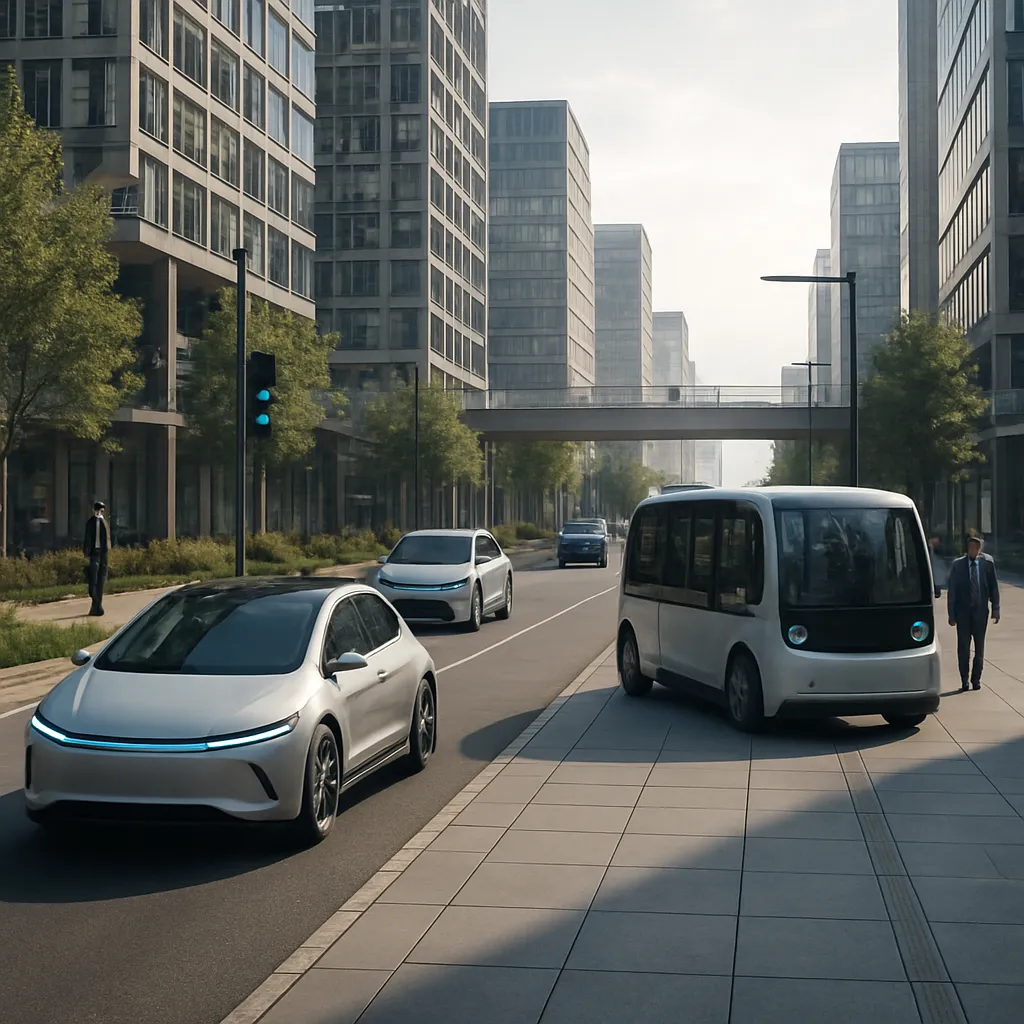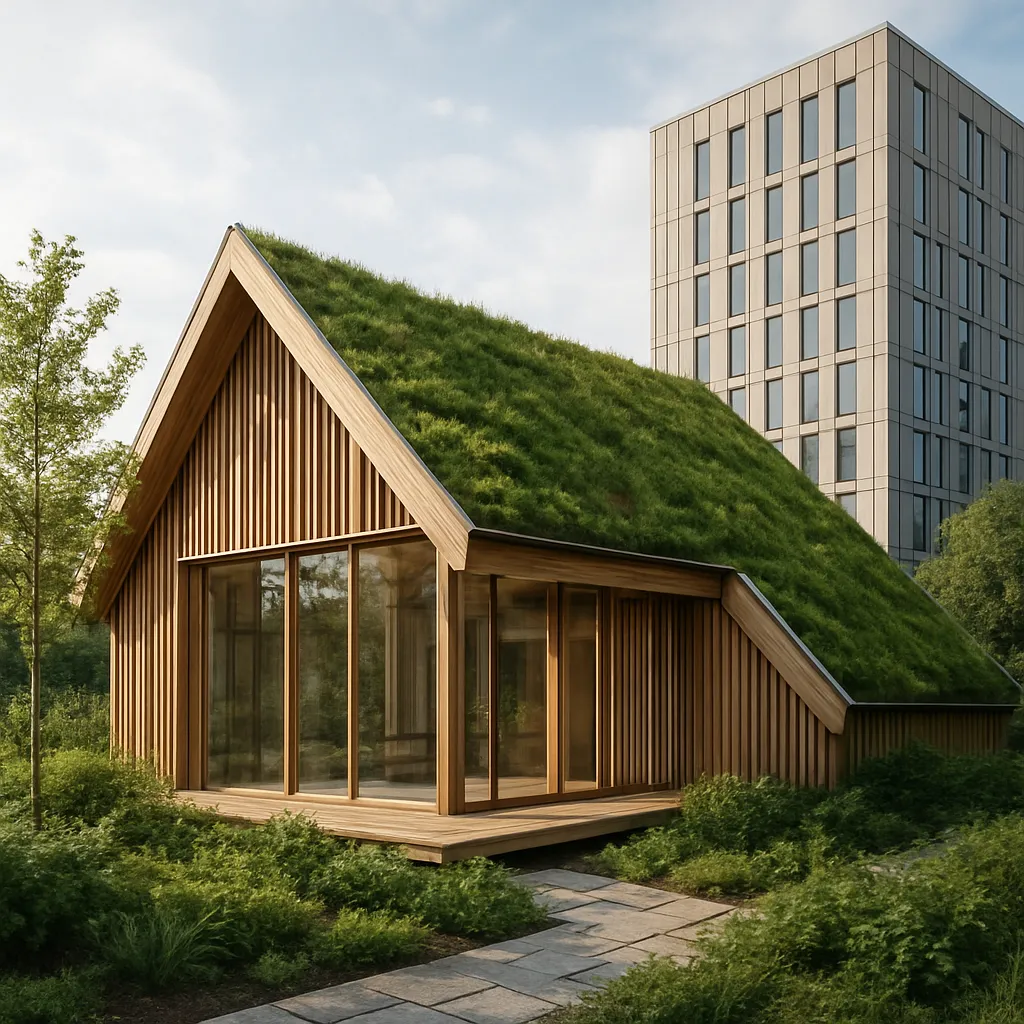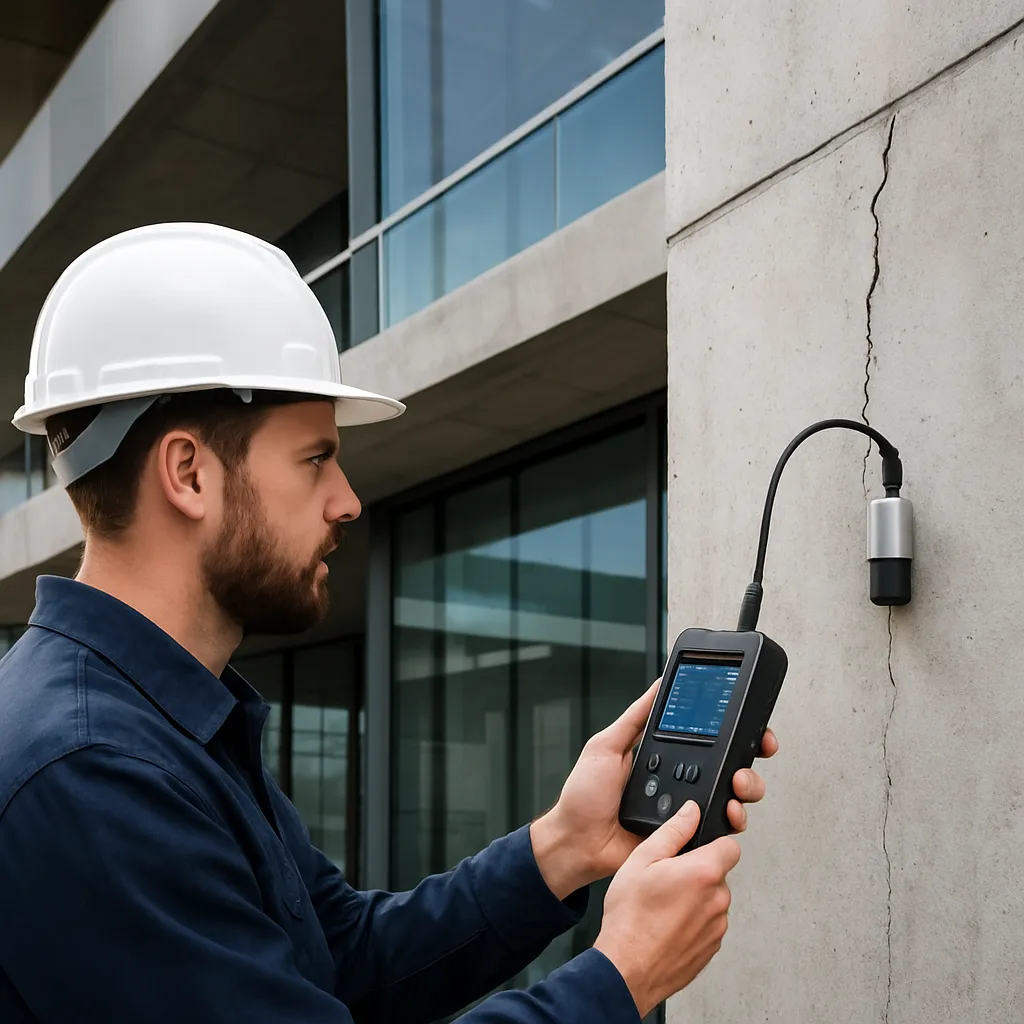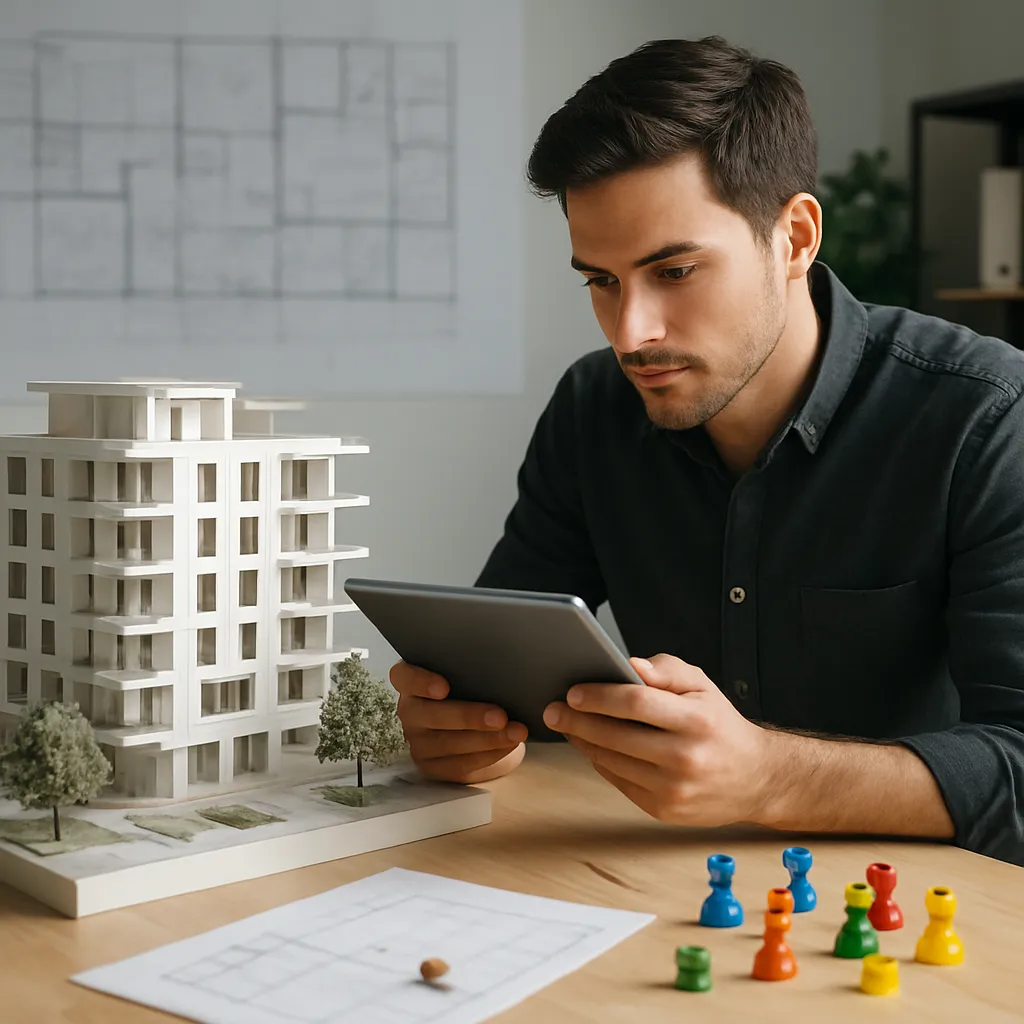
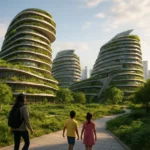

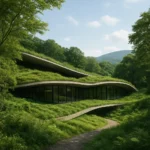

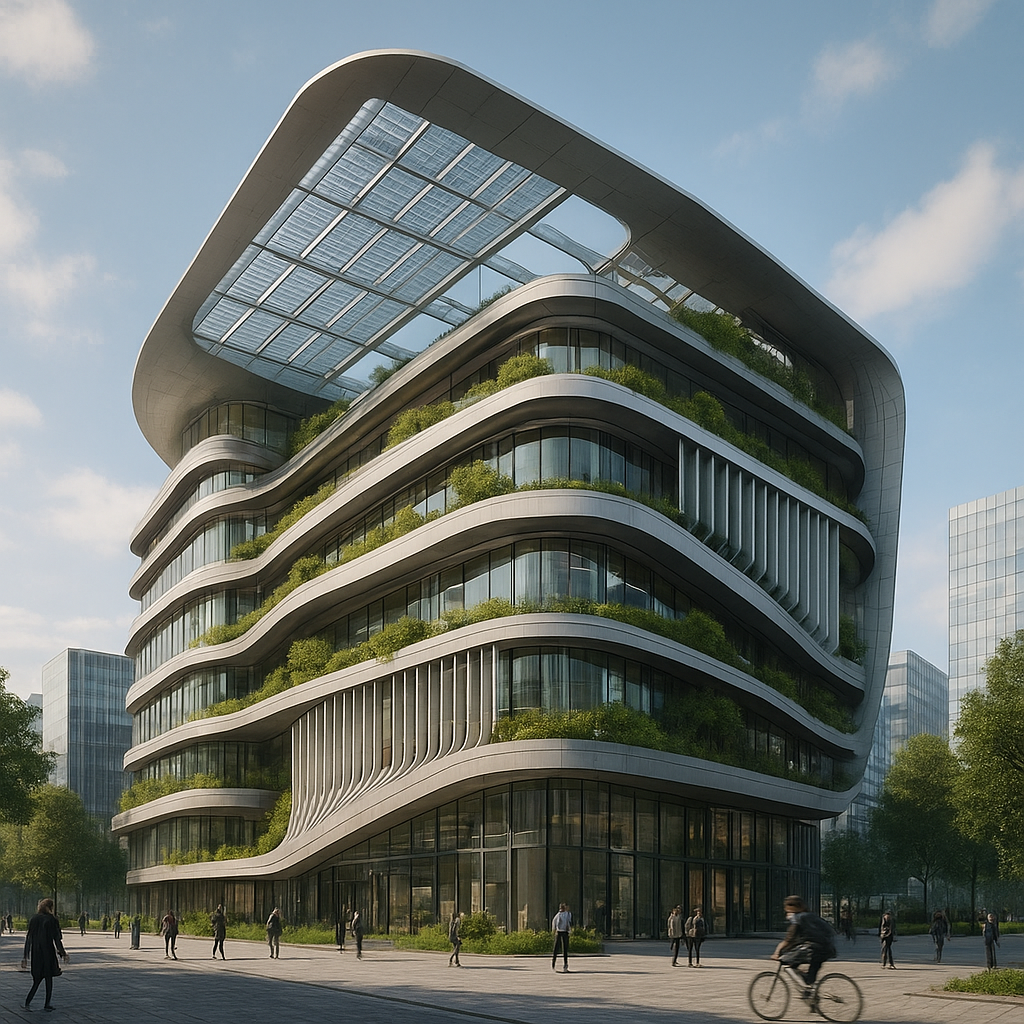
Adaptive Architecture unfolds a vision where buildings evolve beyond static structures into living entities that can sense, learn, and respond to their inhabitants and environments. By integrating advanced technologies, these edifices aim to enhance occupant comfort, reduce resource consumption, and react dynamically to changing conditions. Drawing inspiration from both nature and digital innovation, adaptive buildings challenge the very notion of what architecture can achieve.
Evolutionary Design Principles
The concept of adaptive buildings rests on a foundation of biomimicry and dynamic systems theory. Nature offers countless examples of organisms adjusting to stimuli—think of how plants orient themselves toward the sun or how the skin of certain fish changes color in response to predators. Translating these lessons into architecture gives rise to structures capable of self-adjustment through modular components, shape-memory materials, and embedded algorithms.
At the core of this approach is the idea that architecture should not be a one-off, unchanging artifact. Instead, it becomes a continuously evolving organism. Designers now employ computational design tools that simulate environmental forces—airflow, daylight penetration, thermal variations—and optimize form in real time. Parametric modeling allows architects to fine-tune building envelopes so that every facade panel, window, or shading device can shift to maintain ideal conditions.
Key characteristics include:
- Modularity: Prefabricated units that can be rearranged or replaced on demand.
- Scalability: Systems capable of expanding or contracting according to occupancy levels.
- Resilience: Redundancy in critical systems to ensure uninterrupted performance.
- Integration: Seamless coordination between structural elements, mechanical systems, and digital networks.
Technological Foundations
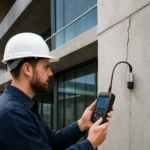
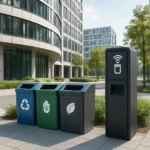
Adaptive Architecture thrives on cutting-edge advancements in artificial intelligence and the Internet of Things. An extensive network of sensor arrays monitors temperature, humidity, light levels, and even occupant movement. These sensors feed data into AI-driven control hubs that continuously analyze patterns and predict future scenarios.
For instance, machine learning algorithms can forecast weather changes hours in advance, enabling HVAC systems to precondition spaces for optimal energy efficiency. Smart windows adjust their opacity based on solar intensity, reducing cooling loads during peak heat. Meanwhile, kinetic facades equipped with mechanical actuators can change orientation or form to channel prevailing winds for natural ventilation.
Beyond environmental control, adaptive buildings incorporate occupant-centric features. Personalized climate zones adapt to individual preferences, while gesture- or voice-activated interfaces allow seamless interaction with the built environment. Augmented reality overlays can guide visitors through complex layouts or display live environmental metrics on walls and floors.
Major technological drivers include:
- Edge Computing: Local data processing to reduce latency.
- Blockchain Security: Immutable records for system integrity and privacy.
- 5G Connectivity: Real-time communication between devices and control centers.
- Robotic Actuation: Automated components that adjust form and function.
Case Studies and Real-World Applications
Several pioneering projects demonstrate how adaptive architecture is reshaping urban landscapes. In a coastal city threatened by rising sea levels, a waterfront pavilion features an intelligent base that senses tidal fluctuations. Hydraulic pistons raise the building platform during high tide, then lower it back when waters recede, ensuring uninterrupted access throughout the year.
Another notable example is an office tower that uses a dynamic shading system composed of thousands of triangular louvers. These units rotate independently, guided by AI models that respond to sun position, glare, and interior lighting requirements. The result is a 30 percent reduction in cooling demand and a consistently comfortable work environment.
Even residential architecture has embraced adaptability. A smart home prototype employs retractable partitions and movable furniture to convert living rooms into sleep pods or entertainment lounges within minutes. Overhead drones handle routine maintenance tasks, from cleaning solar panels to inspecting roof membranes for damage.
Key lessons from these developments include:
- Interdisciplinary Collaboration: Success hinges on architects, engineers, data scientists, and fabricators working in concert.
- Lifecycle Thinking: Design strategies that consider construction, operation, and end-of-life stages.
- User Engagement: Continuous feedback loops where occupants co-design system behaviors.
- Policy Alignment: Regulatory frameworks must evolve to accommodate novel building typologies.
Opportunities and Challenges Ahead
As Adaptive Architecture transitions from experimental prototypes to mainstream practice, several opportunities and hurdles emerge. On the opportunity side, such buildings promise unparalleled improvements in sustainability. By optimizing resource use and harnessing renewable energy sources—solar, wind, geothermal—they can achieve net-zero or even net-positive performance.
Urban planners envision networks of responsive skyscrapers that share excess power or redistribute cooling and heating across districts. Combined with smart grid infrastructure, these buildings become active participants in city-scale energy management, smoothing peak loads and reducing carbon footprints.
Yet, significant challenges remain. The upfront costs of high-tech components can be prohibitive, posing equity concerns. Maintenance of complex, adaptive systems requires specialized skills, potentially increasing operational budgets. Moreover, ensuring data security and protecting occupant privacy is paramount when buildings continuously harvest personal and environmental information.
Future research must address:
- Standardization: Developing open protocols so devices from different manufacturers can interoperate.
- Circular Economy: Designing materials and modules for easy disassembly and reuse.
- Regenerative Strategies: Going beyond sustainability to actively restore ecological systems.
- Human-Centered AI: Algorithms that prioritize occupant well-being and ethical considerations.