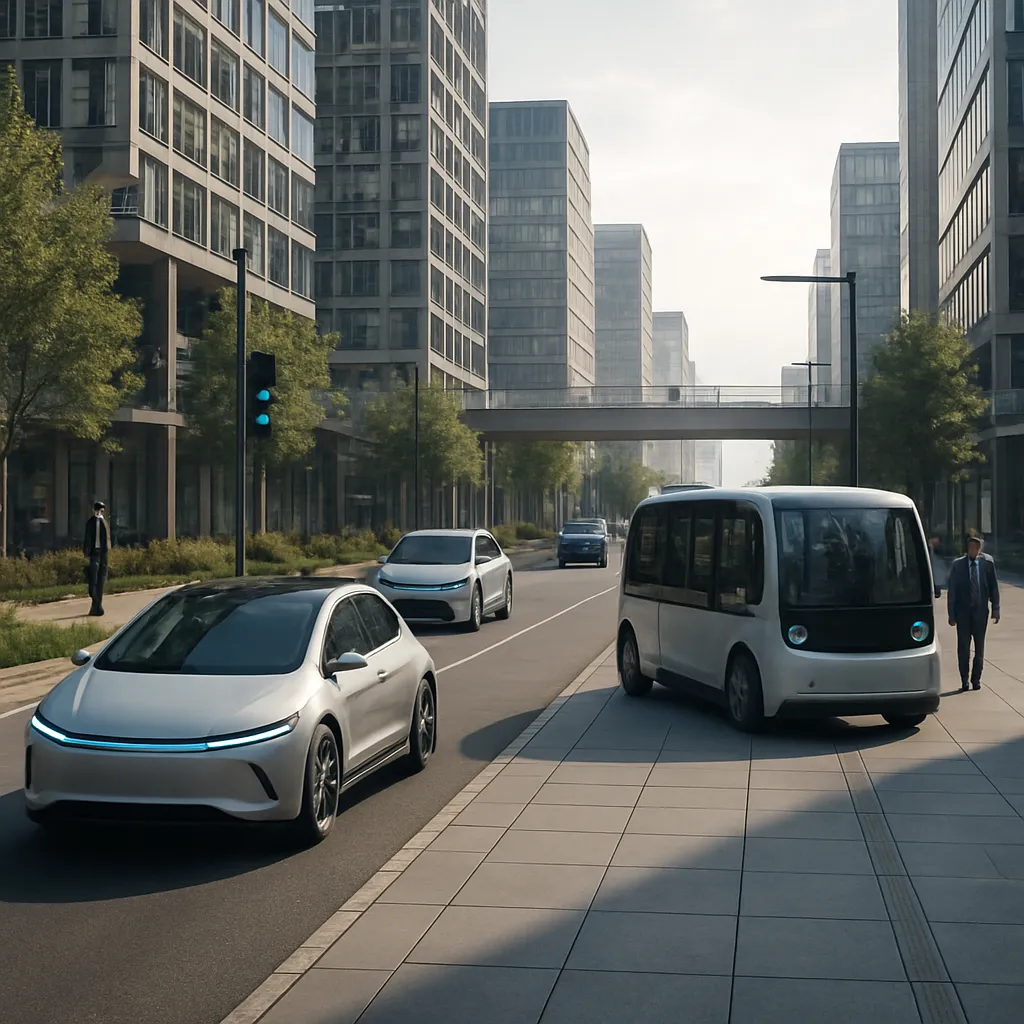


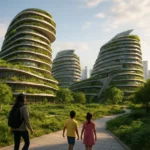
As cities evolve beyond conventional blueprints, a new era of design emerges where technology not only interprets human needs but anticipates them. Blending computational prowess with sculptural ambition, this frontier of innovation transforms cityscapes into living organisms. In this exploration, we examine how Artificial Intelligence catalyzes new paradigms in architecture, predicting patterns of urban growth and crafting adaptive environments.
Emergence of AI-Driven Design
From Manual Drafting to Autonomous Creativity
Architectural practice has long relied on the dexterity of hand and eye, but the integration of machine learning disrupts this tradition by empowering systems that learn from vast archives of plans, elevations, and environmental data. Generative design platforms explore millions of iterations in seconds, discovering forms that prioritize light, airflow, and structural integrity. By embedding environmental simulations, these tools propose layouts that respond dynamically to climate variations, optimizing performance without manual trial and error.
One notable innovation is the application of parametric algorithms that define relationships between spatial elements rather than fixed geometries. By modifying key parameters—such as facade angle, window-to-wall ratio, or thermal mass—architects engage in a dialogue with the software, refining proposals based on real-time feedback. This symbiosis yields configurations previously unimaginable, marrying aesthetics with precise functional demands.
Generative Algorithms and Form-Finding
Generative adversarial networks (GANs) and evolutionary algorithms steer form-finding toward unprecedented horizons. Each model ingests contextual constraints—zoning codes, wind patterns, sunlight trajectories—and outputs proposals that satisfy both regulatory frameworks and human comfort thresholds. The advent of predictive models ensures that every design decision anticipates future conditions, from energy consumption spikes to shifting demographics.
By overlaying historic performance metrics onto emerging site data, designers can chart optimal building massing, material usage, and structural systems. The integration of data analytics tools enables decision-makers to visualize trade-offs: a denser floorplate might reduce land use but increase cooling demand; a curved facade can diffuse wind loads but require complex fabrication. AI resolves these tensions, presenting balanced solutions at scale.
Predictive Urban Growth Modeling
Mapping the Expanding Metropolis
Urban planners harness the power of deep learning to forecast the trajectories of metropolitan sprawl. Satellite imagery, traffic sensor feeds, and socioeconomic datasets converge in neural networks that detect emerging hotspots of development. Such foresight allows cities to preemptively allocate resources—road networks, public transit arteries, and green spaces—where demand will spike.
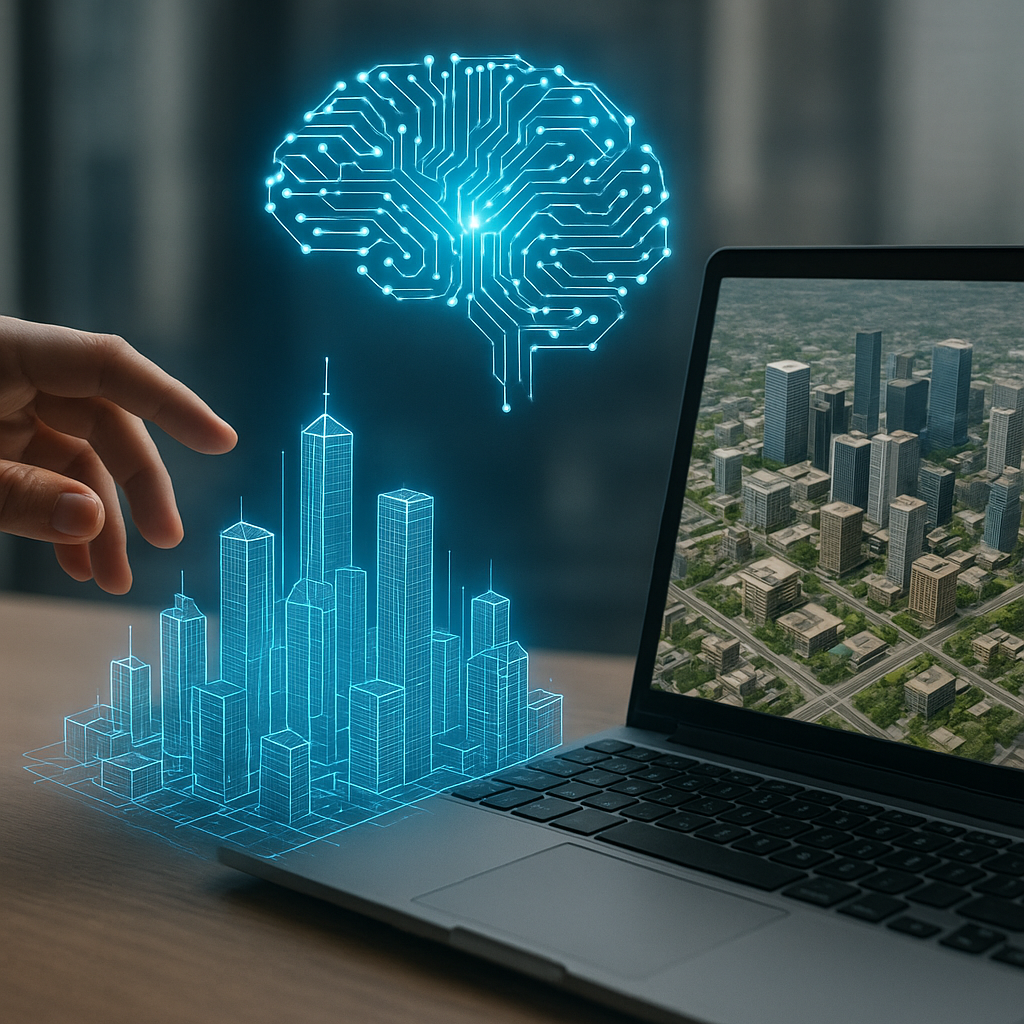
The concept of digital twins elevates planning into a continuous feedback loop: virtual replicas of entire districts ingest real-time data and simulate scenarios ranging from population surges to climate anomalies. Stakeholders can explore “what-if” models—what if a new transit line is introduced, or if zoning limits are relaxed—and instantly observe the ripple effects across property values, congestion levels, and social equity.
Scenario Planning and Adaptive Grids
- Land-use optimization balancing commercial, residential, and recreational needs.
- Predictive maintenance schedules for infrastructure based on usage analytics.
- Dynamic zoning that adapts density guidelines to projected migration patterns.
- Real-time environmental monitoring to guide resilience strategies.
By integrating these components, future cities will evolve along modular adaptive grids that morph in response to demographic trends. Emphasis on sustainability becomes more than a buzzword: it underpins every stage of growth forecasting, ensuring that expansion accords with carbon budgets and biodiversity targets.
Integrating Nature and Technology
Biophilic Facades and Living Surfaces
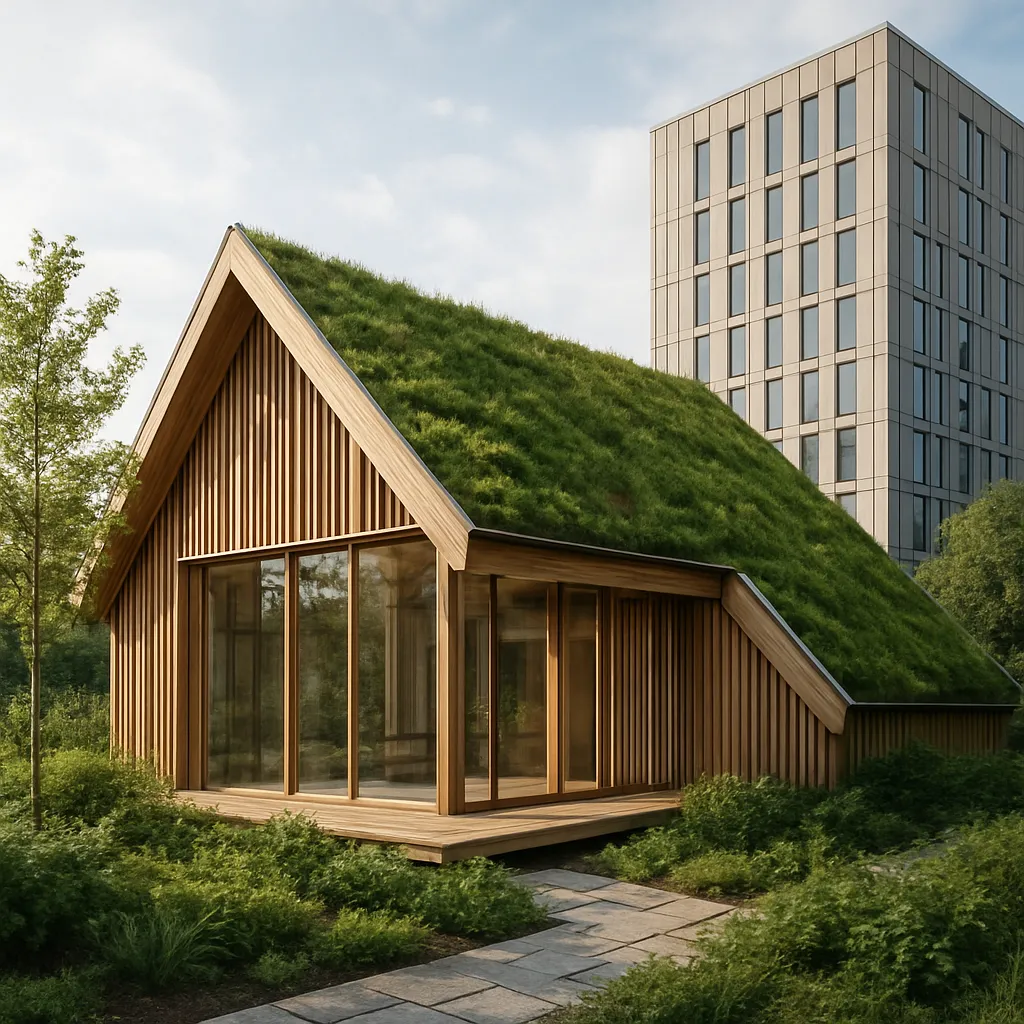
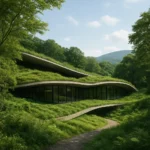
Bridging the urban-nature divide, architects deploy biodiversity-enriched envelopes that host mosses, ferns, and pollinator-friendly flora. AI-guided irrigation systems calibrate hydration levels based on microclimate readings, while nutrient delivery networks maintain optimal growth. These living skins not only sequester carbon but also mitigate heat islands, dampen noise, and foster psychological well-being.
Advanced sensors embedded within green panels feed data into reinforcement learning models that predict plant stress factors, enabling proactive intervention. As a result, buildings become active participants in the local ecosystem, evolving in harmony with seasonal shifts and ecological demands.
Green Corridors and Ecosystem Services
Beyond individual structures, AI aids in weaving extensive green corridors that connect fragmented habitats across urban terrains. By simulating animal movement patterns and vegetation resilience, planners can plot linear parks that bolster wildlife corridors and stormwater management. Such networks enhance ecosystem resilience, buffering communities against flooding and heatwaves.
Predictive analytics also quantify ecosystem services in economic terms: pollination value, air purification capacity, and stormwater retention are modeled to justify investments in green infrastructure. The integration of nature thus transcends aesthetics, becoming a quantifiable asset within the urban ledger.
Challenges and Future Outlook
Ethical and Social Implications
While AI offers remarkable tools, it also raises pressing questions about equity and privacy. Data-driven zoning decisions might inadvertently marginalize underserved communities if historical biases lurk within training datasets. Transparent algorithmic governance and community engagement are crucial to ensure that technology amplifies inclusive growth rather than perpetuating divides.
Moreover, the sheer complexity of AI-generated proposals demands new professional roles—design ethicists, computational interpreters, and algorithmic auditors—to bridge the gap between code and context. As systems evolve, multidisciplinary teams must collaborate to validate outcomes and guard against unintended consequences.
Towards a Resilient Skyline
The convergence of AI, environmental stewardship, and human-centric design foretells a future where cities are not static entities but living, adaptive organisms. By embracing predictive analytics, adaptive infrastructures, and biophilic integration, architects and planners can sculpt metropolises that thrive amid uncertainty. The path forward hinges on balancing technological ingenuity with ethical responsibility, ensuring every skyline we craft is as resilient as it is inspiring.