







Emerging technologies like blockchain are reshaping the landscape of construction, paving the way for projects that are more transparent, efficient, and sustainable. In an era where architectural visions stretch beyond conventional boundaries, the integration of distributed ledgers is unlocking unprecedented capabilities for stakeholders. From trustless transactions to real-time auditing, blockchain offers a foundation upon which futuristic architecture can flourish, bridging gaps between design, procurement, and on-site execution.
Innovation in Material Management
The procurement and tracking of construction materials have historically been fraught with delays, discrepancies, and incomplete records. By implementing smart contracts on a decentralized ledger, every shipment, quality check, and invoice can be recorded immutably. This approach drastically reduces disputes and accelerates delivery timelines. Project managers gain instant visibility into material provenance, while suppliers can automate payments upon verified delivery.
Traceability Through the Supply Chain
- Transparency: Each batch of steel, glass, or composites is logged with a unique token, ensuring authenticity and quality standards.
- Auditability: Auditors can access real-time records without relying on paper trails, preventing fraud and waste.
- Reduction of counterfeits: The risk of substandard materials entering the project decreases significantly.
Automated Payments and Penalties
- Condition-based releases: Funds are disbursed automatically once sensors or third-party oracles confirm delivery.
- Penalty triggers: Delays or failed inspections prompt instant notifications and pre-defined financial penalties.
- Dispute resolution: Immutable records simplify conflict mediation by providing objective evidence.
Digital Twins and Tokenization of Assets
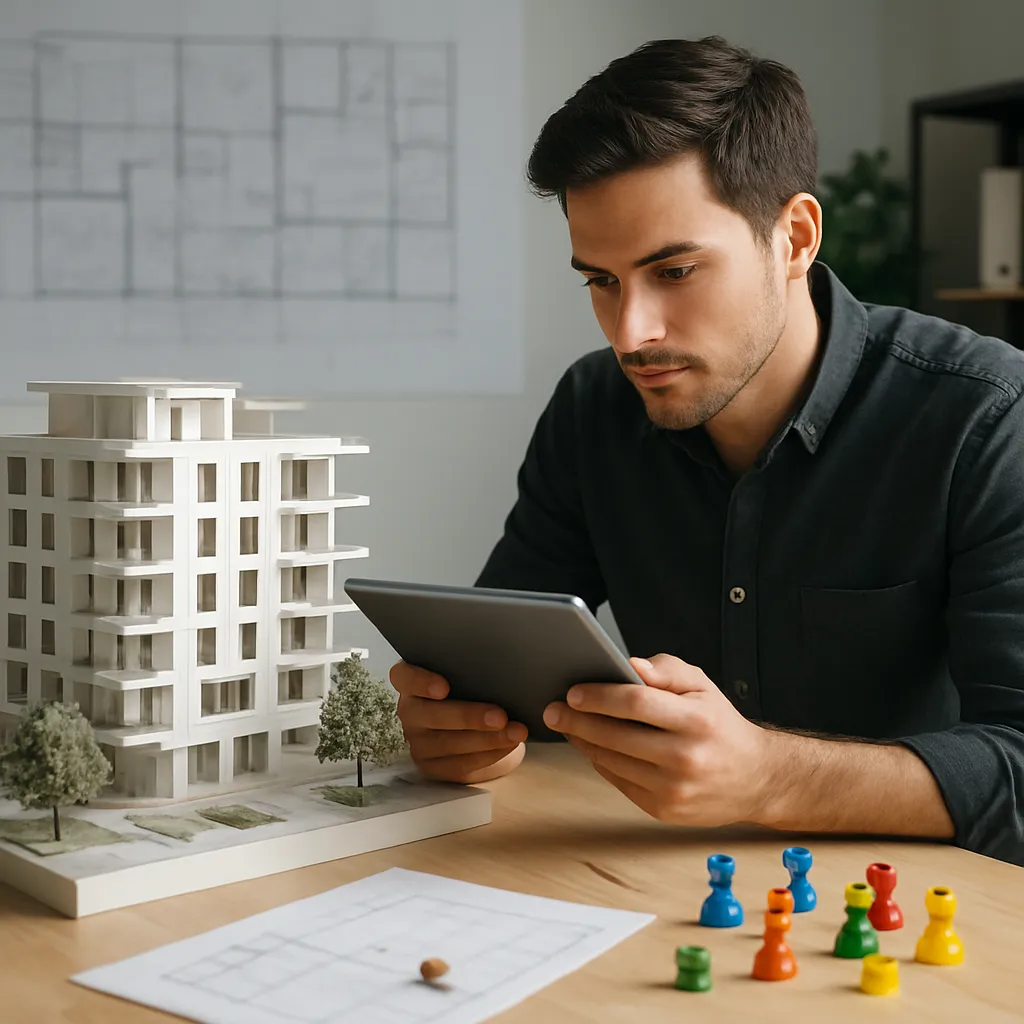
Imagine a fully synchronized digital replica of a construction site, continually updated by IoT sensors and blockchain transactions. Such a tokenization strategy transforms physical assets into digital tokens, enabling fractional ownership, leasing, or even rapid resale of building components. Owners and investors can trade these tokens on permissioned networks, injecting liquidity into a traditionally illiquid market.
Enhanced Monitoring and Predictive Maintenance
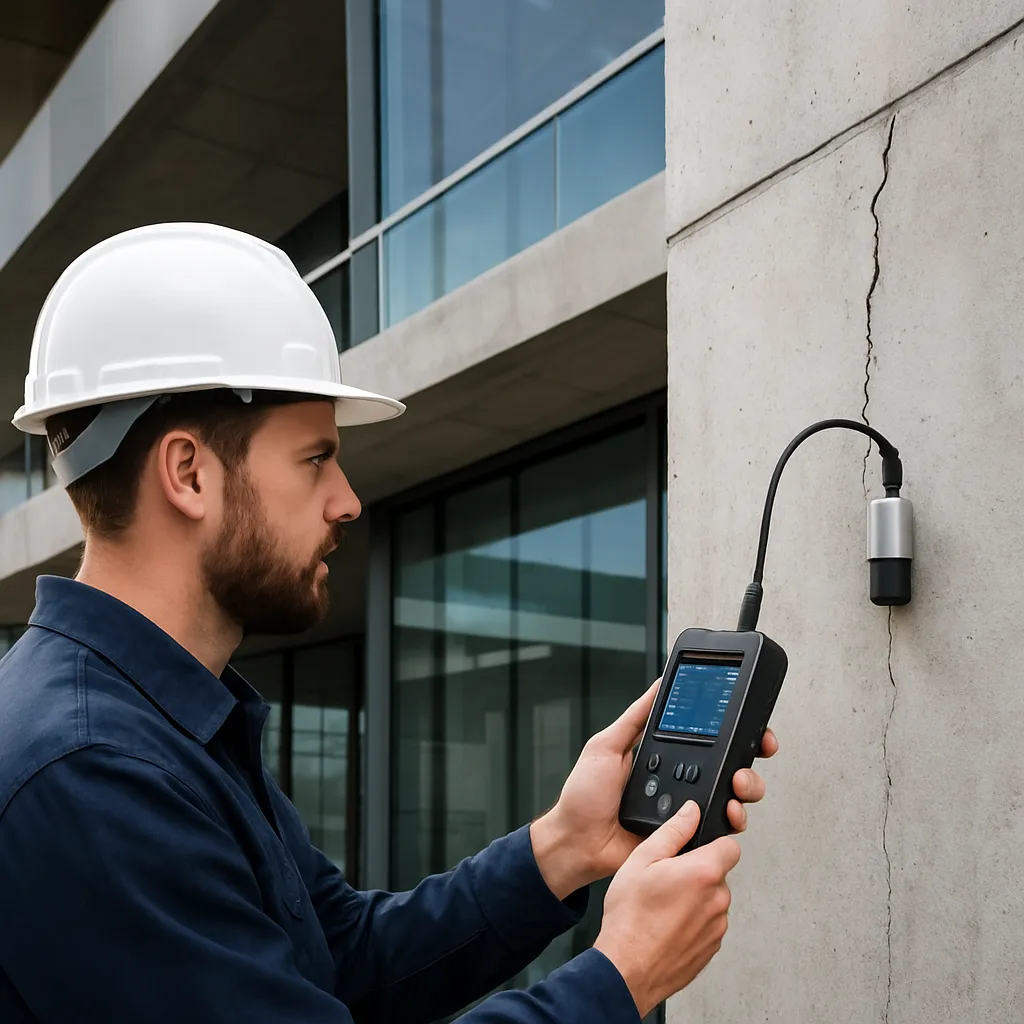
- Real-time data feeds: Temperature, structural stress, and energy consumption are recorded on-chain for future analysis.
- Predictive algorithms: By cross-referencing historical data with current readings, automated alerts can forecast maintenance needs.
- Reduced downtime: Early detection of anomalies prevents costly repairs and extends the lifespan of structural elements.
Fractional Investment Models
- Democratized financing: Smaller investors can participate in high-value developments via tokenized shares.
- Secondary markets: Tokens representing slabs, façades, or entire floors can be resold, creating new revenue streams.
- Regulatory compliance: Embedded KYC/AML protocols ensure that only authorized parties hold or transfer tokens.
Smart Contracts Revolutionizing Construction Coordination
Coordinating hundreds of subcontractors, architects, and engineers on large-scale projects often leads to communication breakdowns and delays. Automation through smart contracts enables predefined workflows that trigger milestones, notifications, and payments without manual intervention. As a result, project managers can maintain tight control over schedules and budgets.
Milestone-Based Release of Funds
- Code-governed processes: When a construction phase is completed and verified via on-site sensors or third-party oracles, the next tranche of funds is released automatically.
- Minimized administrative overhead: Eliminates lengthy paperwork and reduces human error.
- Enhanced trust: Parties remain confident that contractual terms are upheld impartially.
Interoperability Between Platforms
- Standardized protocols: Adopting common data schemas allows different blockchain networks and ERP systems to communicate seamlessly.
- Cross-chain bridges: Securely transfer assets or information between private and public ledgers without sacrificing security.
- Modular architecture: Developers can plug in new features—such as AI-driven scheduling—without rebuilding existing frameworks.
Regulatory Compliance and Data Integrity
Construction projects face myriad regulations, from zoning codes to environmental standards. By recording every permit application, inspection report, and environmental impact assessment on a tamper-proof ledger, developers can streamline regulatory processes while maintaining airtight records. This approach not only reduces the risk of costly fines but also enhances public trust.
Immutable Permitting and Inspections
- Timestamped entries: Regulatory approvals are logged with an immutable date stamp, preventing retroactive alterations.
- Public transparency: Certain data can be made accessible to communities, ensuring that projects adhere to sustainability and safety standards.
- Automated renewals: Smart contracts can trigger reminders and fee payments for permit expirations, ensuring continuous compliance.
Environmental and Sustainability Tracking
- Carbon credit tokenization: Emissions data is recorded and converted into tradeable tokens, incentivizing green construction.
- Waste management logs: Recycling rates and landfill deposits are transparently tracked, rewarding contractors meeting sustainability targets.
- Certification audits: Third-party verifiers publish results on-chain, eliminating redundant on-site visits.
Architectural Design Revolution in a Blockchain-Driven Era
Futuristic architecture envisions dynamic, adaptive structures that respond to environmental stimuli and occupant needs. Integrating blockchain with digital fabrication technologies—such as 3D printing and modular robotics—allows for the creation of buildings that can self-optimize, upgrade, or even relocate modules based on real-time demand. Architects can collaborate globally, sharing design components as digital assets and licensing them through interoperable networks.
Collaborative Design Marketplaces
- Royalty distribution: Contributors receive automatic compensation via smart contracts whenever their design is utilized or modified.
- Version control: Immutable design histories prevent conflicts and ensure that the latest compliant blueprint is always used.
- Open innovation: A global pool of designers can propose enhancements, fostering rapid iteration and creativity.
Adaptive and Reconfigurable Structures
- Modular token swaps: Building modules, represented as NFTs, can be exchanged to reconfigure floor plans or façades on demand.
- Energy optimization: On-chain energy markets allow buildings to sell excess power back to the grid during peak production.
- Smart occupancy: Sensors detect usage patterns and trigger reallocation of space, improving comfort and utility.