


As the effects of global warming intensify, architects and engineers are pushing the limits of design to create structures that not only stand out visually but also actively respond to environmental challenges. This exploration delves into the emerging realm of futuristic architecture, illustrating how cutting-edge techniques and visionary thinking foster buildings that epitomize sustainability and resilience.
Innovations in Sustainable Materials
A cornerstone of future-proof architecture lies in the selection of materials that minimize ecological impact while enhancing performance. Traditional resources such as concrete and steel are being augmented or replaced entirely by novel composites and biobased compounds. Scientists draw inspiration from nature, employing biomimicry to engineer materials that self-repair, regulate temperature, and reduce energy consumption.
- Self-Reinforcing Bio-Polymers: Harvested from agricultural byproducts and fungi, these polymers can reshape themselves under controlled heat, reducing construction waste.
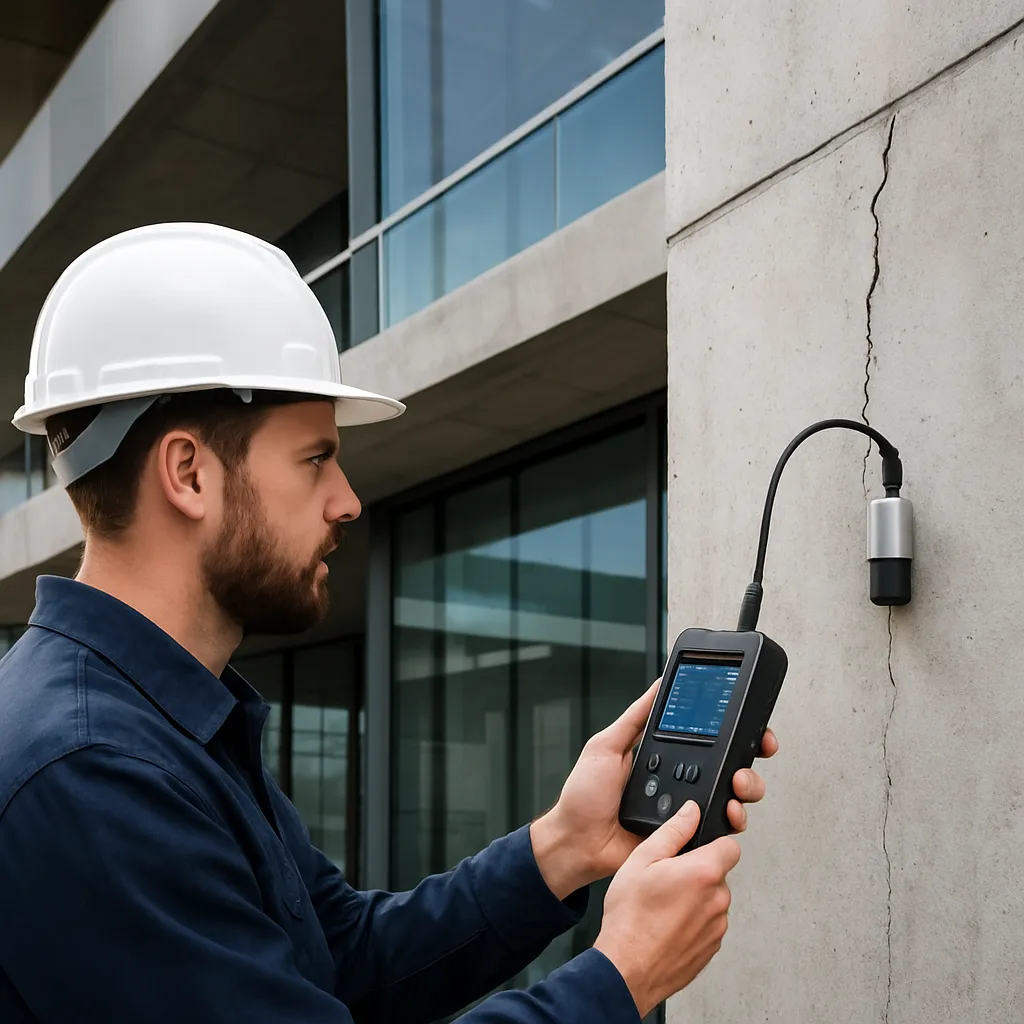
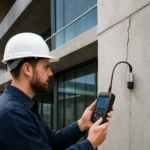
- Self-Healing Concrete: Embedded microcapsules release healing agents when cracks form, prolonging the lifespan of bridges, dams, and high-rise foundations without manual intervention.
- Phase-Change Aggregates: By incorporating materials that shift between solid and liquid at set temperatures, walls and floors can buffer internal climates passively, cutting down heating and cooling loads.
Manufacturers also explore carbon-neutral production methods, utilizing renewable energy and closed-loop recycling to ensure new developments shrink rather than expand carbon footprints.
Adaptive Design and Smart Technologies
Buildings of tomorrow will no longer be static monuments but living entities capable of adjusting to shifting climates. At the heart of this evolution are intelligent climate control systems powered by AI algorithms and networks of smart sensors. These systems monitor humidity, sunlight, wind patterns, and occupancy rates in real time, seamlessly modulating internal conditions for optimal comfort and energy efficiency.
Dynamic Facades and Shading
Movable exteriors, known as dynamic facades, can open or close apertures like petals in response to sun exposure. Such kinetic skins not only protect interiors from overheating but also harness solar radiation via integrated photovoltaics, providing on-site electricity generation without compromising aesthetics.
Modularity and Structural Agility
Embracing modularity, designers create components that can be easily reconfigured or replaced as needs evolve. Modular modules slot together like building blocks, simplifying relocation, expansion, or downsizing of spaces in response to population shifts or changing weather threats. This agility strengthens a community’s resilience against disasters, enabling rapid repairs and reassembly.
Renewable Energy Integration
Energy self-sufficiency has become indispensable in regions prone to grid disruptions intensified by storms or heatwaves. Modern architects embed renewable energy systems into the very fabric of their structures, blending form with function.
- Building-Integrated Photovoltaics (BIPV): Solar cells replace conventional roofing materials or cladding panels. When arranged in geometric patterns, they turn facades into energy farms without detracting from the visual identity of the building.
- Wind Harvesting Turbines: Vertical-axis turbines are seamlessly incorporated into spires or rooflines where prevailing winds accelerate. These compact units generate power even at low speeds, providing continuous support to primary energy sources.
- Geothermal Heat Exchange: Deep-drilled loops leverage the earth’s stable temperatures to heat and cool interiors, drastically cutting reliance on fossil-fuel-based HVAC systems.
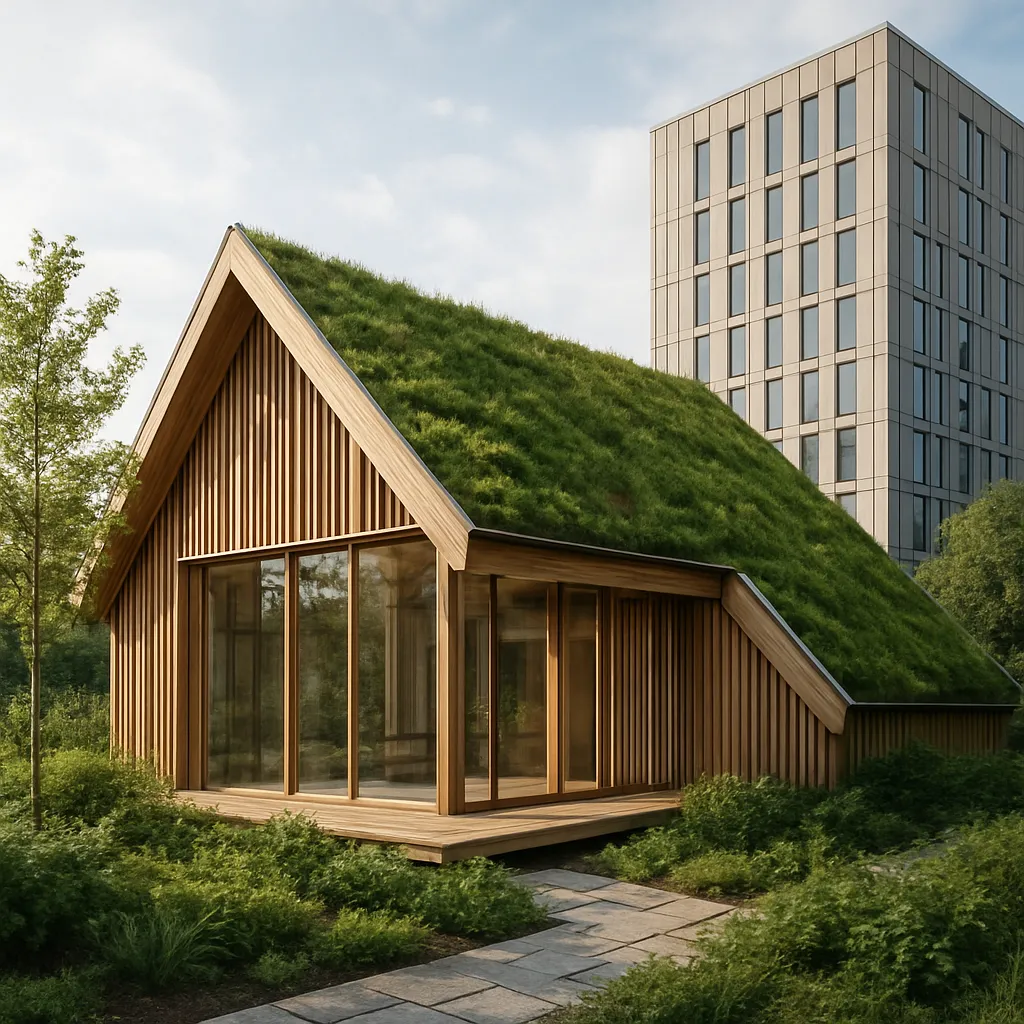
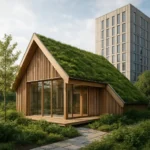
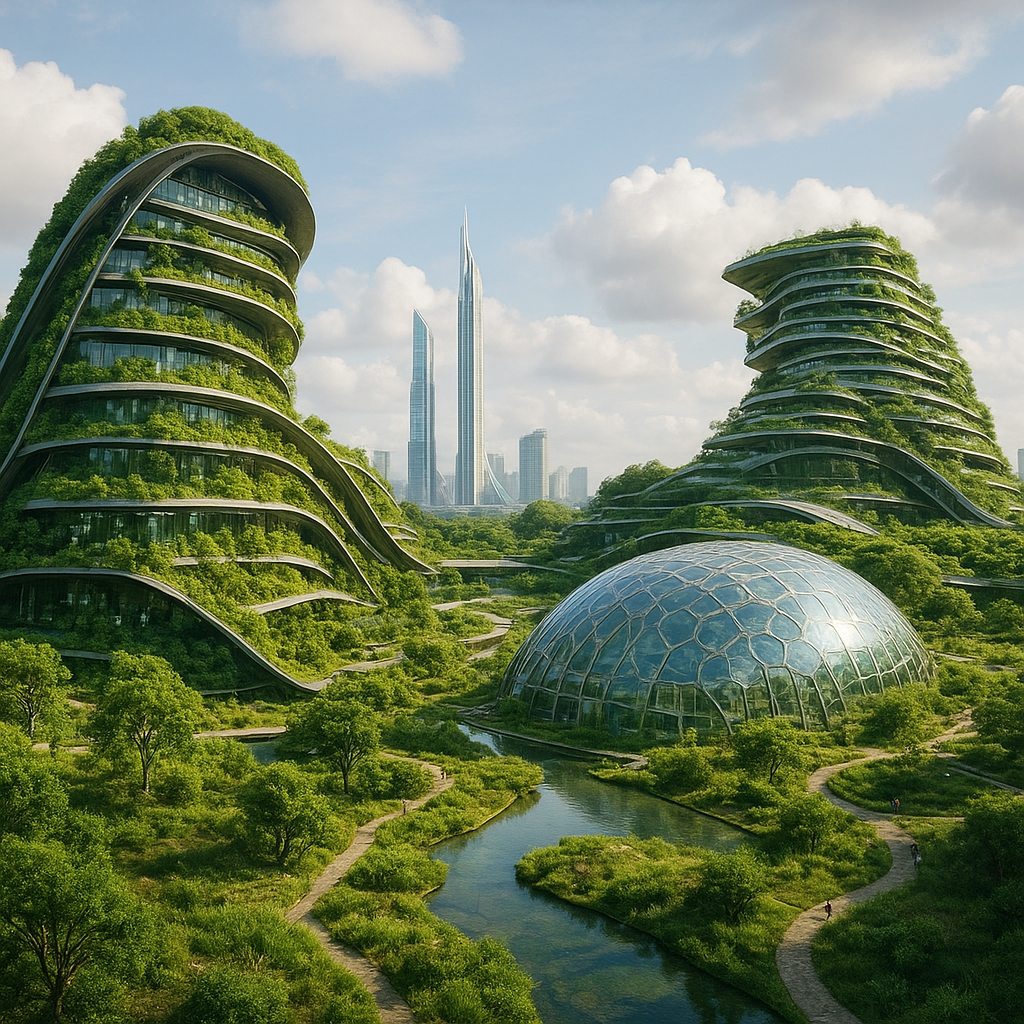
- Green Roofs and Vertical Gardens: Not only do these installations provide insulation and stormwater management, but they also enhance biodiversity and air quality, exemplifying green infrastructure.
Combined with energy storage solutions such as advanced battery arrays or thermal mass tanks, these buildings often achieve net-zero or even net-positive energy performance.
Case Studies and Future Directions
Real-world exemplars of adaptive and sustainable architecture herald the dawn of a new design paradigm. In the desert capital of Abu Dhabi, Masdar City showcases narrow, shaded streets that mimic traditional urban layouts while integrating solar harvesters and wind towers. Meanwhile, in northern Europe, The Edge in Amsterdam employs a smart-grid backbone, tracking user preferences via mobile devices and adjusting lighting and climate in each workstation autonomously.
Another benchmark project, the Melbourne Skyfarm, combines vertical agriculture with high-performance glazing and photovoltaic panels to create a microclimate that feeds local communities and offsets its operational carbon footprint. Such endeavors underscore the necessity of multidisciplinary collaboration among architects, engineers, ecologists, and data scientists.
Looking ahead, advancements in 3D printing will enable on-site construction of complex geometries using recycled materials, further reducing transportation emissions. The convergence of biotechnology and construction promises living structures embedded with symbiotic organisms that purify air, sequester carbon, and produce oxygen. As digital twins become ubiquitous, predictive modeling will refine designs before the first brick is laid, ensuring every project aligns with evolving climate scenarios.
Through innovation in materials, integration of intelligent systems, and unwavering commitment to renewable energy, the next generation of buildings will not only withstand the challenges of a warming planet but actively contribute to restoring ecological balance. By embracing a holistic vision, architecture transforms from static form into dynamic ally in the fight against climate change.