From soaring sky-scrapers to self-sustaining neighborhoods, architects and planners are reimagining urban life with a focus on collective experience and shared resources. Futuristic design is not just about sleek exteriors or gravity-defying forms; it’s about fostering genuine human interaction and strengthening communal bonds. By weaving advanced materials, smart systems, and ecological principles into the built environment, this approach transforms ordinary spaces into vibrant hubs of cooperation and growth.
Emerging Trends in Futuristic Architecture
Rapid advances in digital tools and fabrication methods have unleashed an era of unprecedented creativity. Parametric modeling, 3D printing, and robotic assembly enable designers to explore fluid geometries once deemed impossible. Biomimetic structures—those inspired by the patterns of plants, shells, and bones—offer enhanced strength and lightweight solutions. The result is an architectural language that speaks of innovation and adaptability, paving the way for communities to inhabit buildings that breathe and evolve.
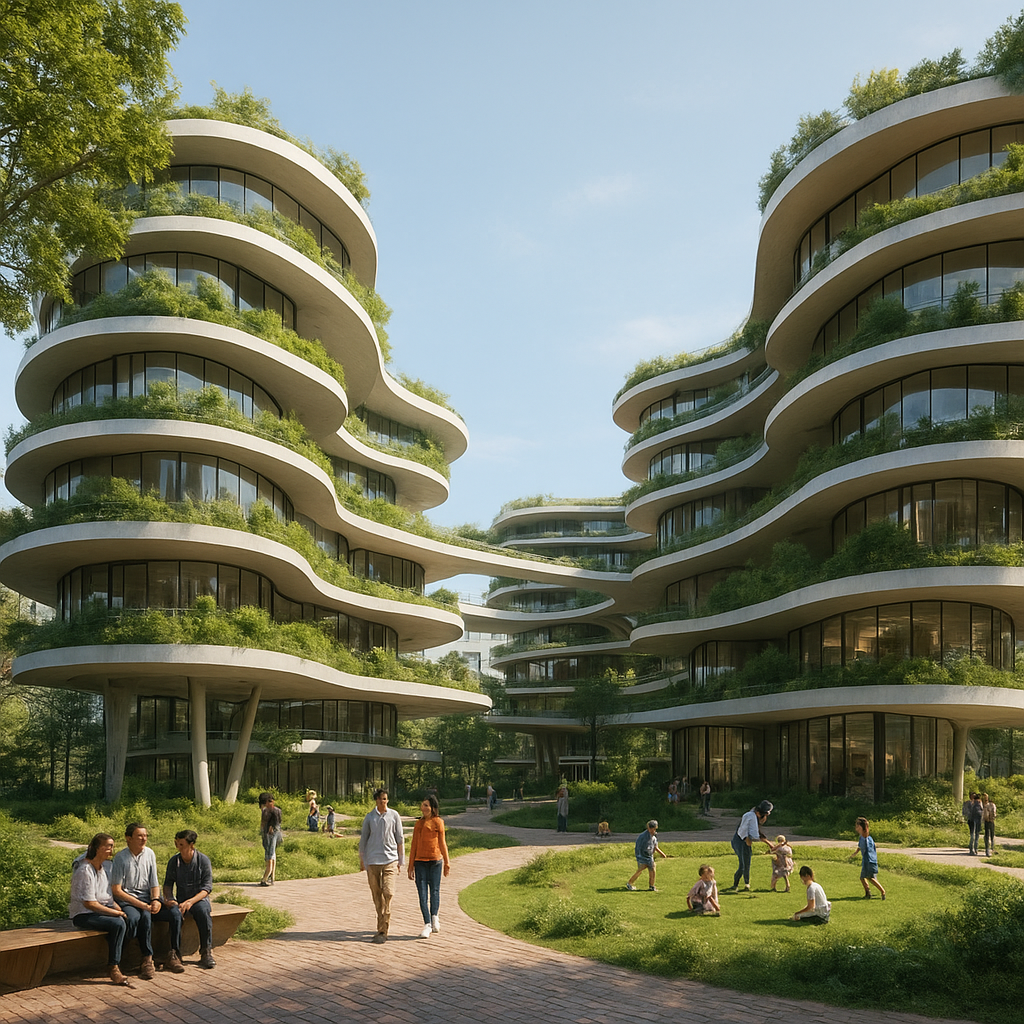
Modular construction techniques allow neighborhoods to expand or contract like living organisms, while adaptable floor plans promote multiple uses over time. Public plazas equipped with dynamic shading systems react to weather changes, ensuring year-round comfort. Green corridors interlink residential blocks, encouraging pedestrian movement and spontaneous encounters. This emphasis on connectivity blurs the lines between private and public realms, generating spaces where relationships flourish organically.
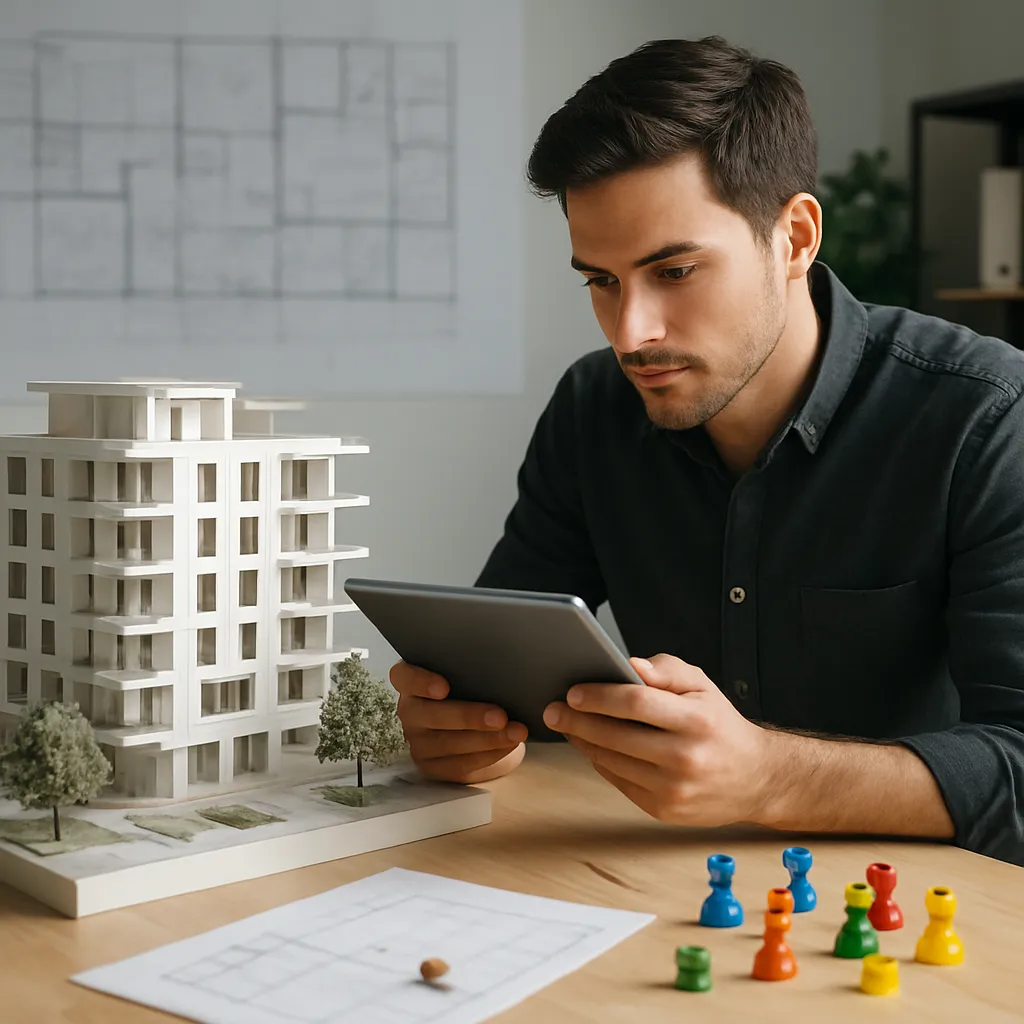
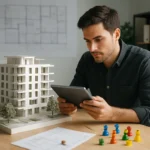
Digital twins—virtual replicas of entire districts—are becoming mainstream tools for testing traffic flows, energy consumption, and social interaction patterns before a single brick is laid. By simulating how people congregate in various scenarios, planners optimize layouts for maximum sociability and safety. Through these methods, tomorrow’s cities are envisioned as living laboratories that continuously refine themselves in response to human needs.
Integrating Technology to Foster Community Connectivity
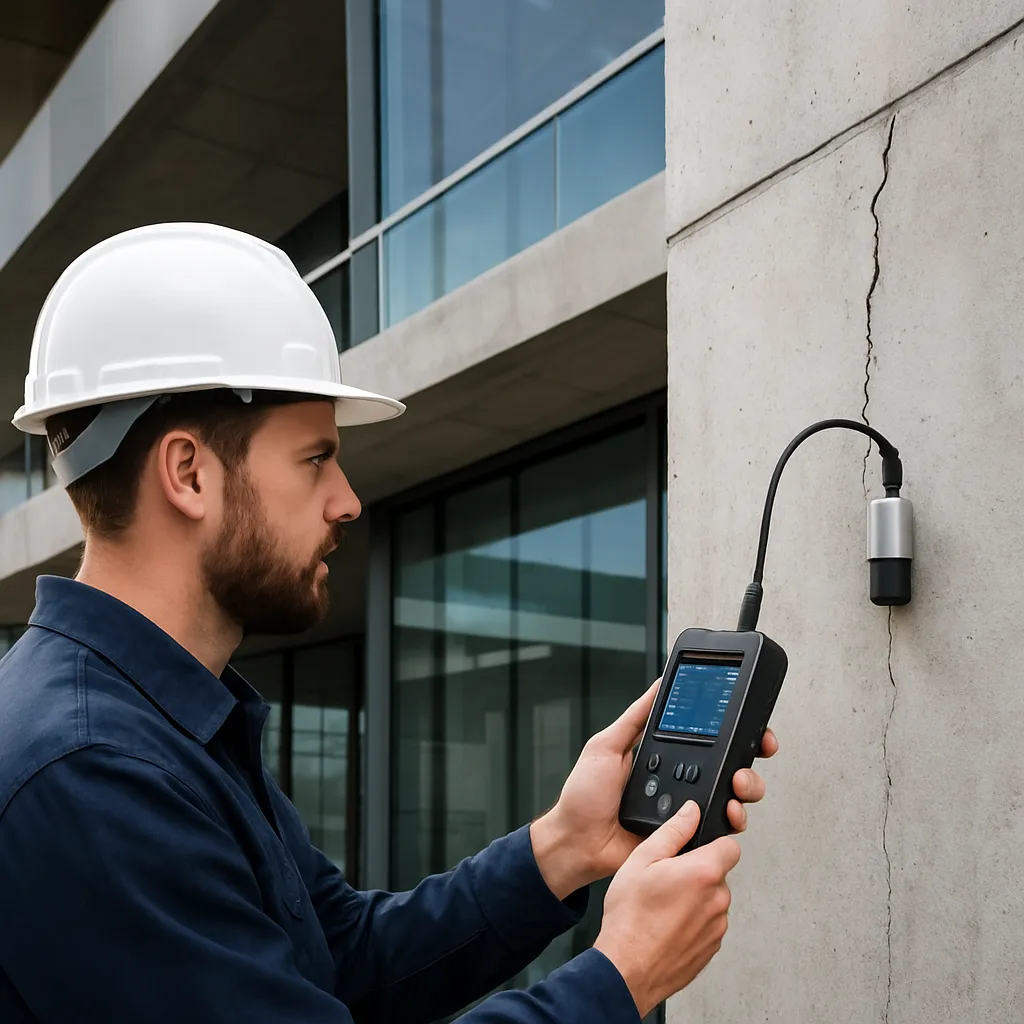
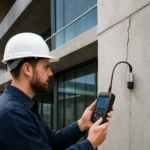
Smart buildings equipped with embedded sensors and AI-driven management systems monitor air quality, noise levels, and foot traffic. Residents receive real-time updates via mobile apps, coordinating communal activities like rooftop gardening or shared workshops. Augmented reality installations overlay digital art and historical archives onto public walls, creating immersive storytelling experiences that unite neighbors through a shared sense of place.
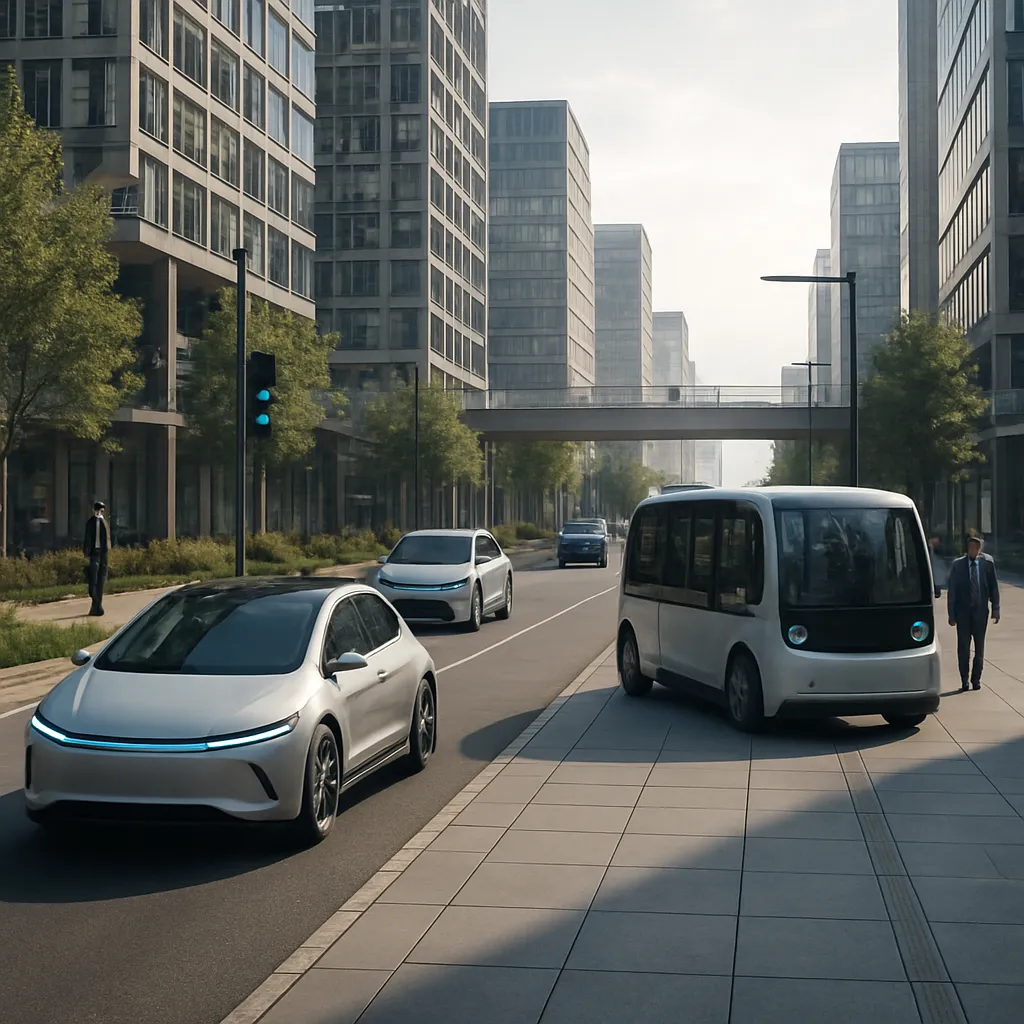
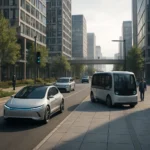
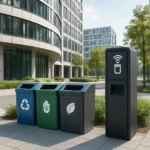
Collaborative platforms streamline resource sharing: bicycles, power tools, and even autonomous delivery drones become part of a communal pool. This digital ecosystem nurtures collaboration, reducing waste and promoting a culture of mutual support. Electric vehicle charging stations dot the streets, intelligently allocated based on demand patterns, while energy surpluses from rooftop solar panels feed communal hubs at night.
By integrating immersive meeting pods and telepresence zones within communal lounges, futuristic developments accommodate hybrid lifestyles. Families, freelancers, and entrepreneurs convene in versatile spaces designed for brainstorming sessions, pop-up markets, or yoga classes. This prioritization of well-being and social cohesion positions buildings as facilitators of a richer, more interconnected urban fabric.
Sustainability and Resilience at the Core
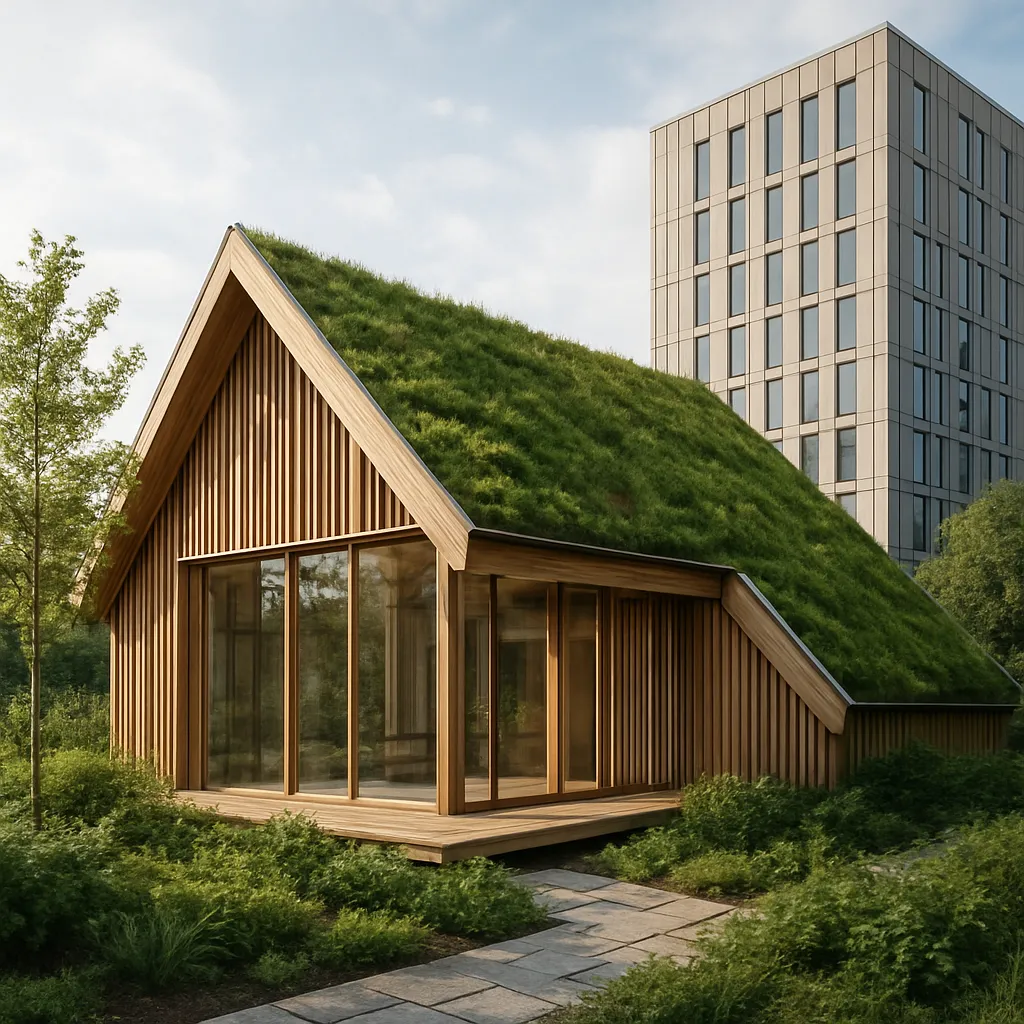
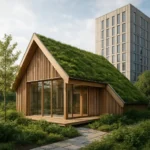
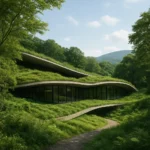
Climate change and resource scarcity have pushed designers to embrace circular economy principles. Rainwater harvesting systems feed vertical gardens, while greywater is purified through living biofilters. Smart façades adjust their opacity to optimize solar gain or shading, drastically cutting energy consumption. Emphasis on local materials, such as cross-laminated timber and recycled composites, shrinks the carbon footprint of new developments.
Resilient infrastructure ensures communities withstand natural disasters and adapt to shifting environmental conditions. Floodable plazas transform into retention basins during heavy rains, while elevated platforms protect critical services from rising waters. Microgrids powered by wind turbines and biogas generators maintain uninterrupted electricity. These strategies embed sustainability and resilience into the very DNA of the city, empowering residents to face future challenges together.
Urban agriculture takes center stage in many futuristic neighborhoods. Hydroponic farms and aeroponic towers supply fresh produce year-round, reducing dependency on distant supply chains. Community-run compost facilities recycle organic waste, closing the loop on nutrient cycles. Such initiatives bolster food security and foster a shared stewardship of natural resources.
Case Studies of Community-Centric Futuristic Projects
The Line, NEOM (Saudi Arabia)
Envisioned as a linear city stretching over 170 kilometers, The Line prioritizes pedestrian life within a zero-carbon framework. Transit pods beneath the surface whisk passengers between districts in minutes, leaving the ground level exclusively for people and nature. Communal parks, cultural venues, and tech incubators are interwoven into a continuous ribbon of green spaces, exemplifying inclusivity and efficient land use.
Bosco Verticale, Milan (Italy)
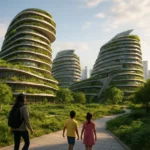
Two residential towers adorned with over 900 trees and 20,000 plants demonstrate how high-density living can coexist with biodiversity. Each apartment features private terraces that merge indoor comfort with outdoor greenery, creating micro-ecosystems that improve air quality and foster neighborly exchanges. Residents share rooftop orchards and gardening workshops, reinforcing a sense of collective ownership.
Sidewalk Toronto (Canada)
Though still in development, this project led by a prominent urban innovation firm promises a digitally integrated district on Toronto’s waterfront. Sensor-driven infrastructure, robotic waste collection, and responsive lighting converge to enhance public safety and convenience. Community councils co-design neighborhood features via online platforms, ensuring that local voices shape the evolving urban landscape.
- Enhanced Interaction: Flexible communal lounges and pop-up event spaces encourage spontaneous gatherings.
- Shared Resources: Tool libraries, bike shares, and micro-farms reduce living costs and environmental impact.
- Adaptive Reuse: Historic warehouses transformed into mixed-use hubs preserve cultural heritage while meeting modern needs.
- Efficient Infrastructure: Integrated energy, water, and waste systems minimize resource consumption.
Superlofts, Copenhagen (Denmark)
These expansive, column-free apartments within a former industrial complex showcase the potential of adaptability. Residents customize partitions, while shared ateliers and coworking areas foster cross-disciplinary exchanges. Communal sauna facilities and theaters host weekly gatherings, reinforcing neighborhood bonds.