




The horizon of architecture is shifting from static monuments to dynamic entities capable of growth, healing, and renewal. Living buildings merge cutting-edge technology with organic processes, redefining the relationship between humanity and its built environment. By drawing inspiration from biological systems and integrating advanced engineering, architects are creating structures that not only house inhabitants but also **sustain** and enrich their surroundings.
Biomimetic Design: Learning from Nature
Nature has long been the ultimate engineer, having perfected solutions through millions of years of evolution. Biomimetic design translates these lessons into architecture, establishing buildings that breathe, self-repair, and optimize resource use. One prominent example involves façades modeled after leaves, harnessing principles of **photosynthesis** to convert sunlight into energy for heating, cooling, and power generation. Walls coated with microalgae panels absorb CO₂ and produce oxygen, fostering healthier urban air quality.
By employing **biomimicry**, architects can simulate processes like transpiration and osmosis to regulate internal humidity and temperature, dramatically reducing reliance on mechanical systems. Self-cleaning surfaces draw inspiration from the lotus leaf’s microstructure, repelling water and pollutants. This passive maintenance not only enhances durability but also slashes long-term operational costs.
Key Elements of Biomimetic Architecture
- Pore-inspired ventilation networks that ventilate without fans
- Photovoltaic skins modeled on butterfly wings for enhanced light absorption
- Capillary-based irrigation systems for vertical gardens
Adaptive Systems: Buildings That Respond
Living buildings of the future will be embedded with networks of sensors, actuators, and artificial intelligence. This **AI-driven** infrastructure continuously monitors environmental data, predicting shifts in weather, occupancy, and energy demand. By dynamically adjusting shading louvers, window opacity, and airflow pathways, these structures maximize comfort and efficiency without human intervention.
Resilient buildings anticipate natural hazards—earthquakes, floods, heatwaves—and adapt accordingly. Structural elements can stiffen or soften in response to seismic activity, while floodable ground floors transform into water reservoirs during storms. This high degree of **resilience** ensures that buildings not only survive extreme events but emerge stronger.
Interactive Occupant Interfaces
- Wearable integration allowing personalized thermal and lighting control
- Voice-activated adjustments to spatial configurations
- Gesture-controlled environmental feedback loops
Regenerative Materials: The Future’s Foundation
Traditional construction relies heavily on nonrenewable resources. In contrast, regenerative materials can heal, grow, or even replicate themselves. Mycelium-based bricks, grown from fungal networks, offer exceptional insulation and fire resistance, all while capturing carbon. Similarly, self-healing concrete infused with bacterial spores can seal cracks by precipitating calcite, extending a structure’s lifespan by decades.
By prioritizing **regenerative** components, architects contribute to a holistic **ecosystem** that thrives in symbiosis with the building. Waste streams become feedstocks, as bioplastics derived from agricultural byproducts replace petroleum-based polymers. The result is a closed-loop economy within each construction site.
Symbiotic Urban Ecosystems
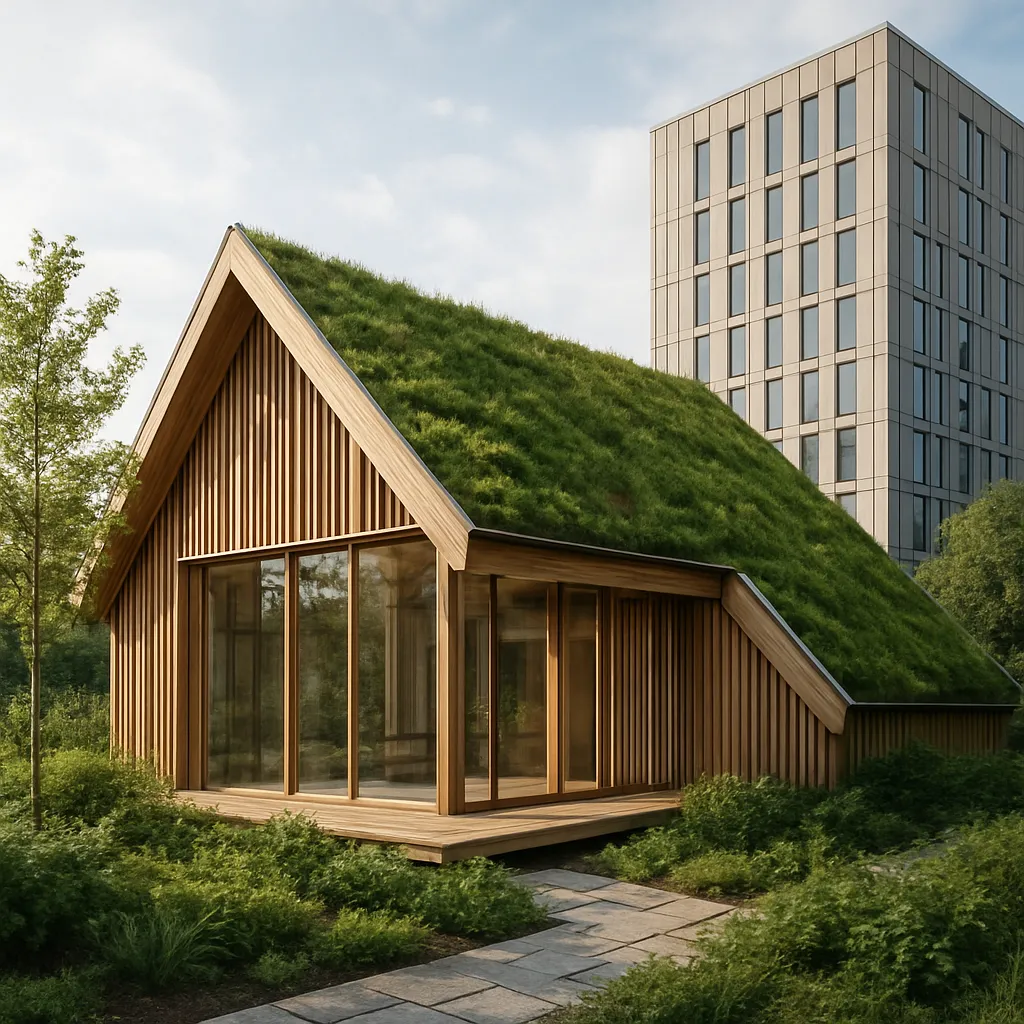
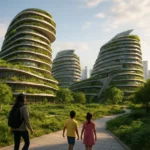
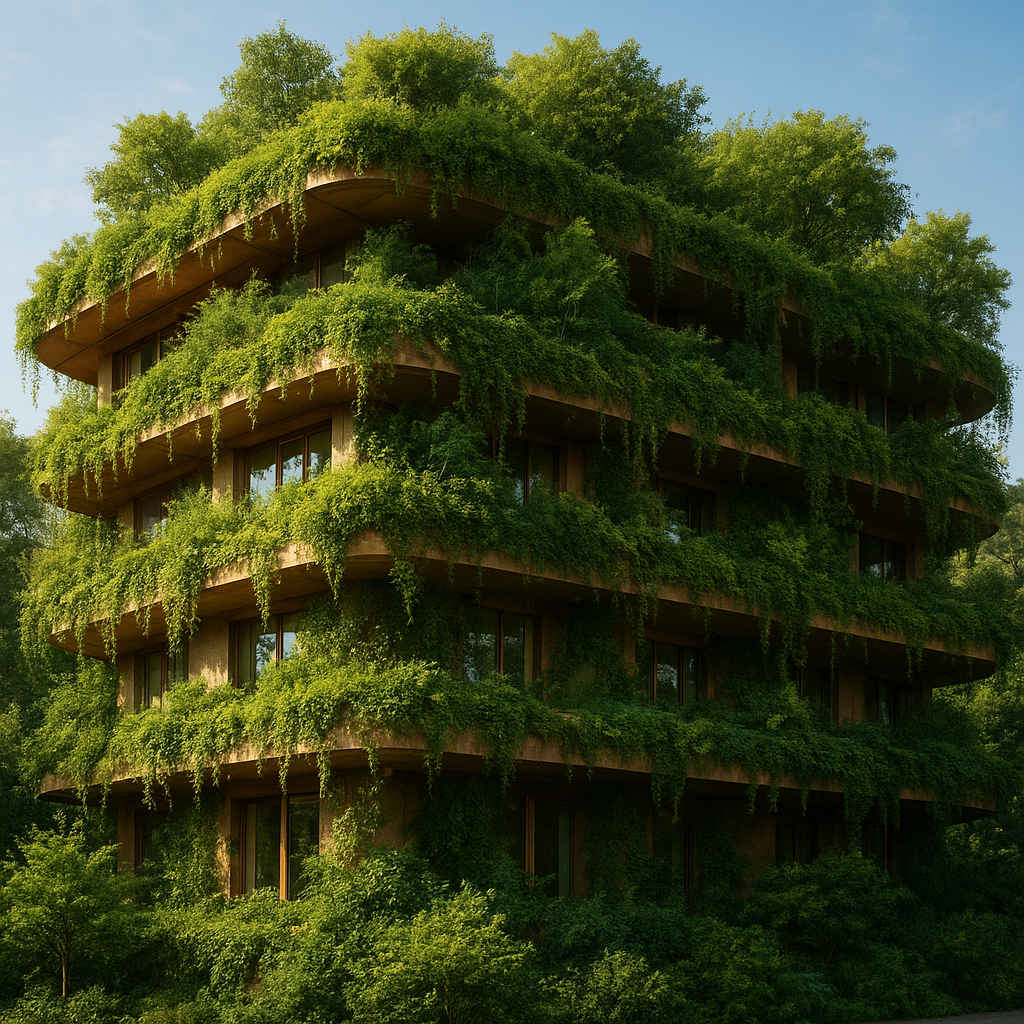
Imagine a high-rise where each floor functions as a mini-biotope, supporting diverse flora and fauna. Vertical wetlands treat wastewater through natural filtration, while rooftop farms supply fresh produce year-round. Pollinators such as bees and butterflies find refuge within terraced gardens, enhancing urban biodiversity by fostering **symbiosis** between humans and wildlife.
Communities benefit from such designs through improved mental health, cleaner air, and enhanced food security. These living complexes become active participants in their neighborhoods, converting waste into resources and blurring the line between architecture and nature.
Nanotechnology and Beyond
At the frontier of material science, **nanotechnology** empowers architects to tailor properties at the molecular scale. Smart paints embedded with nanoparticles can absorb harmful pollutants, turning walls into air purifiers. Ultra-thin membranes mimic skin, adjusting permeability based on humidity, preventing mold while allowing breathability. These innovations pave the way for structures that are at once lightweight, durable, and intelligent.
Looking ahead, the integration of programmable matter could revolutionize construction. Imagine panels that reconfigure themselves on demand, transforming a conference hall into residential suites overnight. Such metamorphic capabilities hinge on developments in robotics, AI, and synthetic biology, coalescing into buildings that truly live, evolve, and adapt to the ever-changing needs of their occupants.