
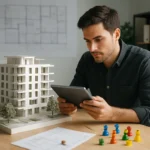
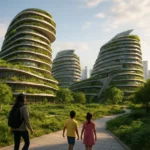





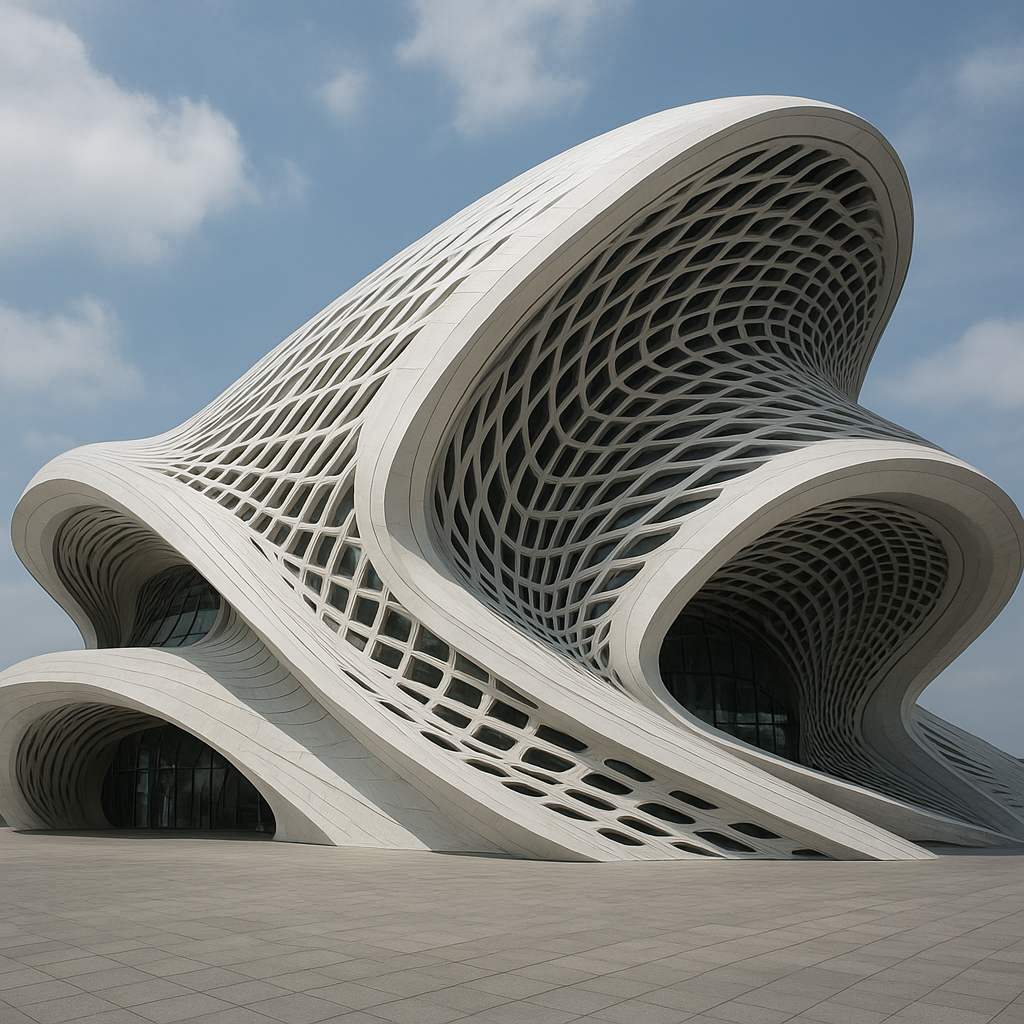
Parametric design represents a radical shift in architectural practice, where form emerges not from static blueprints but from dynamic **algorithms** and interactive **data** streams. This methodology empowers architects to explore complex geometries and adaptive solutions once considered unachievable. Embracing computation, designers harness a synergy of **generative** processes, **simulation**, and **digital fabrication**, crafting structures that evolve in response to environmental, social, and technological inputs.
Parametric Algorithms and Form Exploration
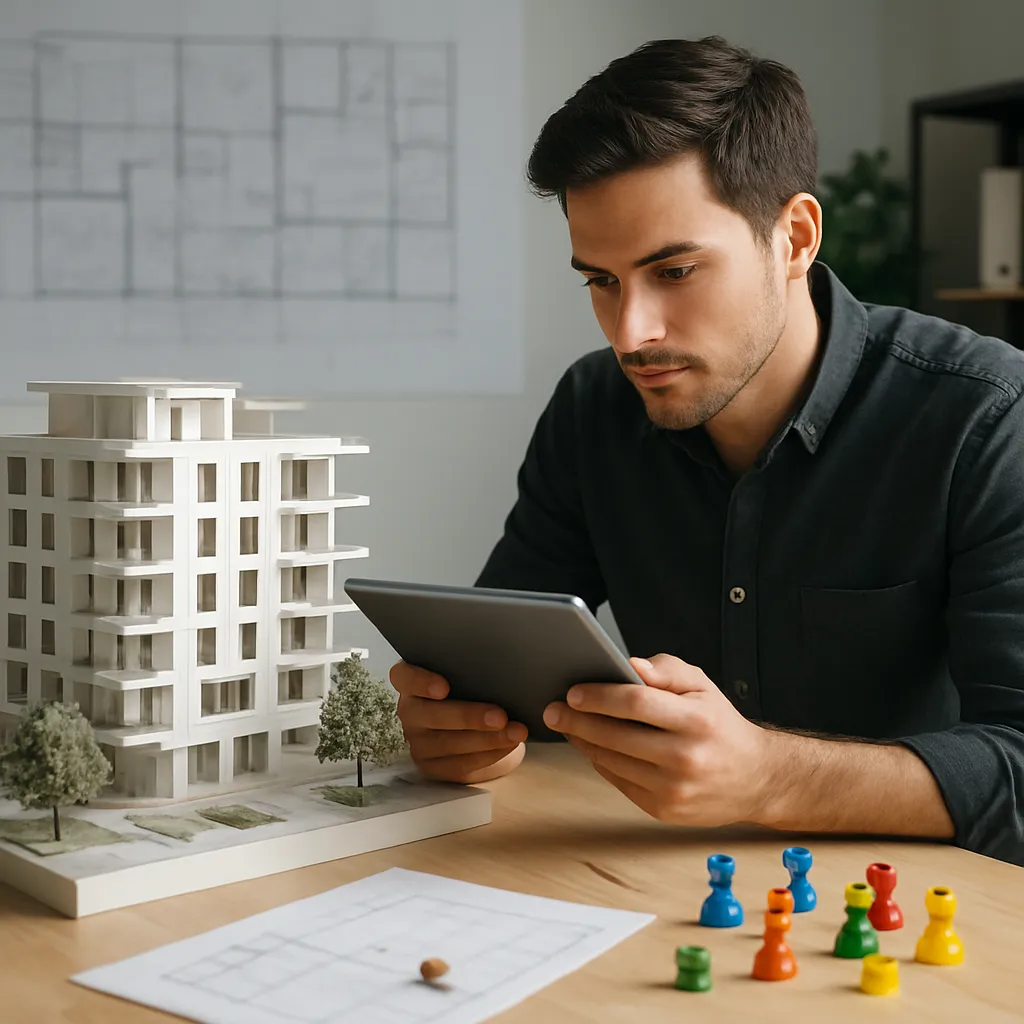
At the core of this movement lies the parametric engine: a system of interlinked parameters that define design elements such as curvature, density, and orientation. By tweaking sliders or input values, architects unlock an infinite spectrum of forms. This interactive approach fosters rapid iteration, enabling designers to navigate trade-offs among structural performance, aesthetics, and material efficiency.
Generative Workflows
- Graph-based platforms such as Grasshopper and Dynamo facilitate the creation of visual scripts, translating geometric rules into tangible shapes.
- Adaptive feedback loops integrate real-time data—temperature, light, wind—to refine spatial configurations.
- Multi-objective optimization algorithms balance competing goals like weight reduction and load-bearing capacity.
Through parameter linking, an adjustment to one design node cascades through the entire model, generating unforeseen and often **innovative** solutions. These emergent forms capture the essence of **futuristic** architecture, reflecting complexity rather than simplifying it.
Integration of AI and Computational Tools
Recent advancements in artificial intelligence have accelerated the capabilities of parametric design. Machine learning models sift through vast design libraries, identifying patterns and suggesting **optimal** configurations. Generative adversarial networks can propose building facades that balance ornamentation with **energy** performance, while reinforcement learning agents simulate the best construction sequences.
Data-Driven Decision Making
- Predictive analytics forecast material behavior under stress, informing structural resilience.
- Neural networks classify sun path data to optimize shading devices and daylight harvesting.
- Algorithmic agents automate compliance checks, ensuring that every iteration meets building codes.
By integrating AI-driven processes, architects unlock a higher degree of **precision** and creativity. Instead of manually testing dozens of variants, designers rely on computational agents to surface the most **efficient** outcomes, drastically reducing development time.
Material Innovation and Digital Fabrication
Parametric strategies seamlessly interface with cutting-edge manufacturing techniques. **Robotic** arms carve bespoke components from foam or concrete, while large-scale 3D printers fabricate structural elements layer by layer. These technologies open pathways to customized building parts that conventional methods cannot produce at scale.
Smart Materials and Responsive Systems
- Shape-memory alloys adjust curvature in response to temperature changes, enabling dynamic facades.
- Photochromic coatings modulate transparency, offering adaptive shading according to solar exposure.
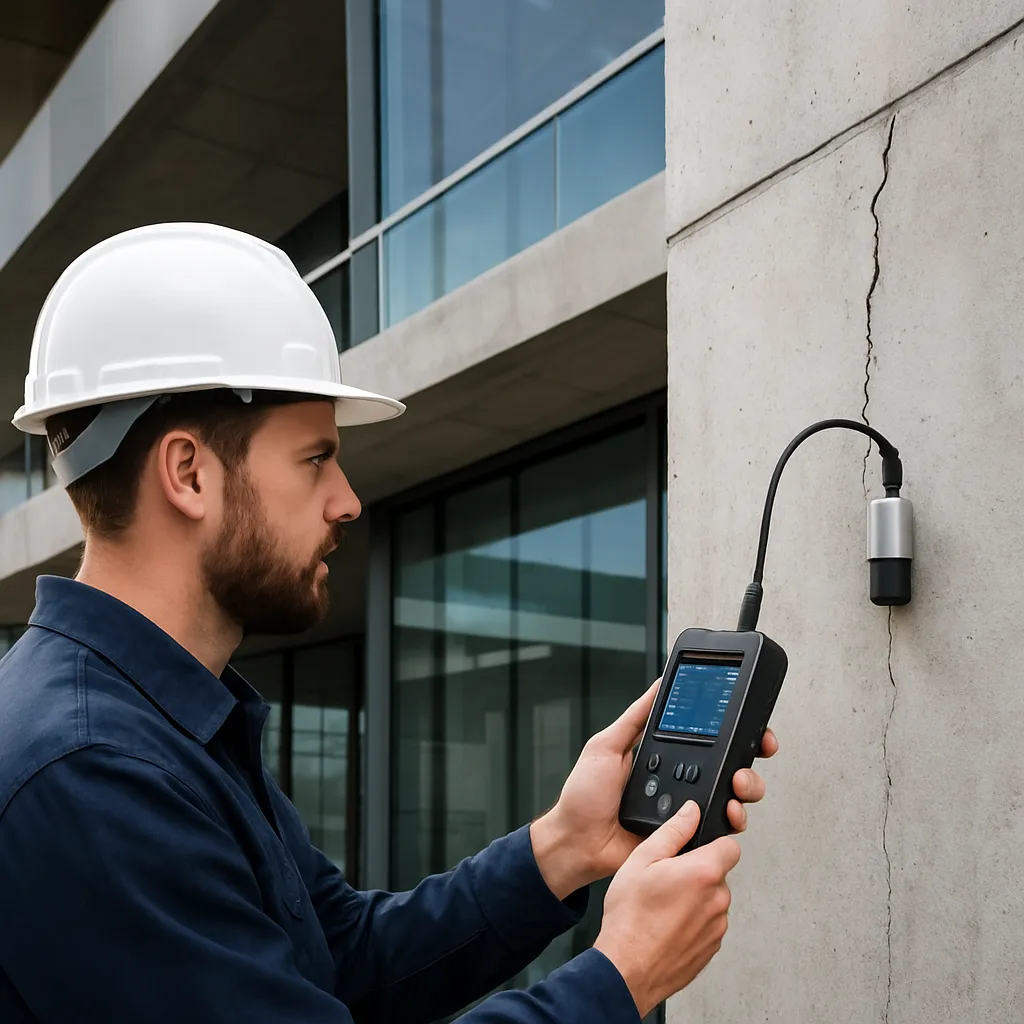
- Self-healing concrete infused with bacteria restores micro-fissures, extending structural lifespan.
The fusion of parametric design with **digital fabrication** not only revolutionizes form but also enhances **material** performance. Architects can now specify graded densities, internal lattices, and topologically optimized sections, leading to lighter yet stronger assemblies.
Sustainability and Biomimicry in Parametric Design
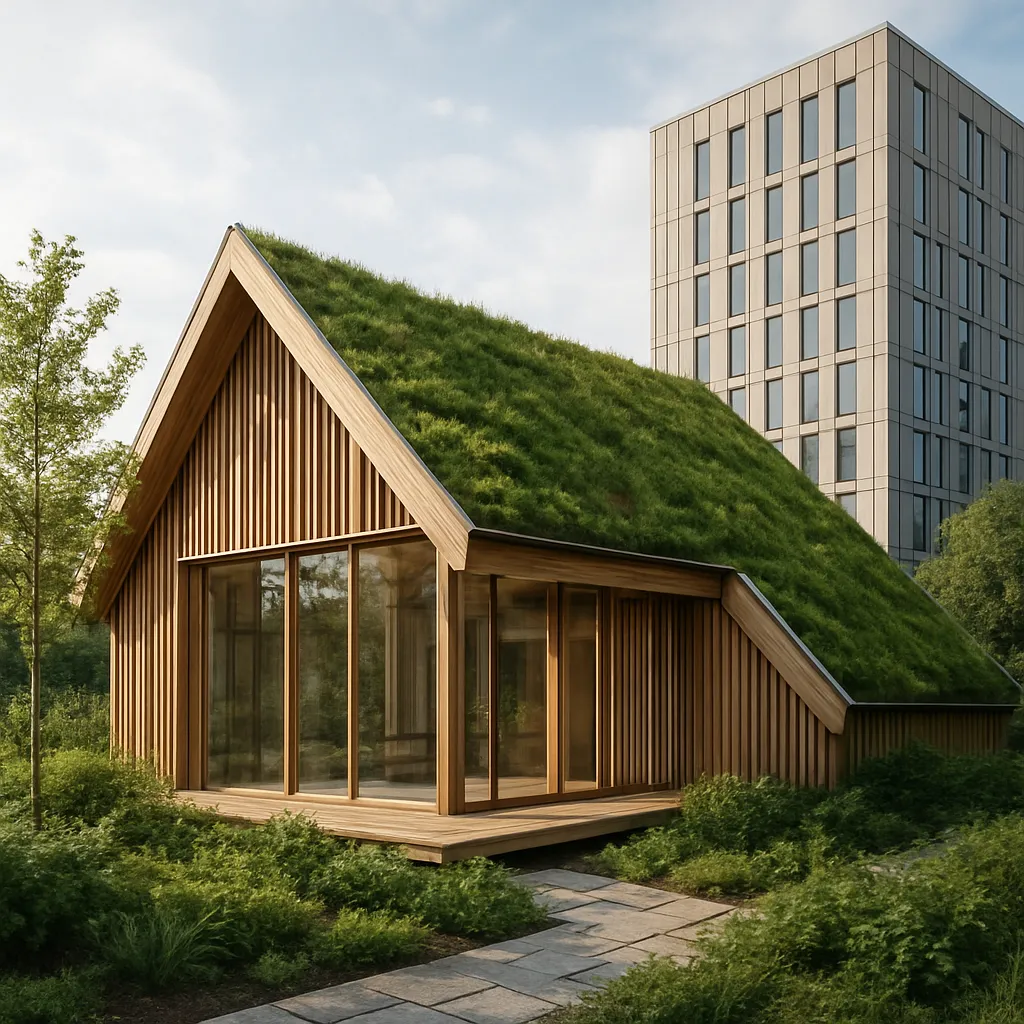
Futuristic architecture is incomplete without a robust commitment to **ecological** balance. Parametric workflows allow designers to emulate patterns found in nature—branching trees, honeycomb structures, and cellular tissues. These bio-inspired geometries deliver remarkable strength-to-weight ratios and natural ventilation pathways.
Environmental Performance Modeling
- Computational fluid dynamics simulate airflow through porous or perforated facade systems.
- Solar analysis tools map energy gain across complex geometries, guiding optimized shading strategies.
- Carbon footprint calculators quantify embodied energy, steering material choices toward low-emission alternatives.
By merging **biomimicry** with parametric control, design teams produce buildings that breathe, adapt, and self-regulate. This ensures occupant comfort, reduces operational loads, and minimizes the architectural footprint.
Urban Implications and Adaptive Environments
Parametric principles extend beyond individual structures to shape future cities. Urban planners employ **simulation** engines to test infrastructure scenarios, examining traffic flows, crowd dynamics, and resource distribution. Parametrically defined public spaces can morph in real-time, accommodating events, shifting populations, or emergency responses.
Smart City Integration
- Networked sensors feed urban models, enabling dynamic reconfiguration of street layouts and greenspaces.
- Adaptive lighting systems adjust intensity based on pedestrian density and ambient conditions.
- Mobile modules—pop-up micro-buildings—respond to shifting demands for retail, workspace, or healthcare.
By harnessing **responsive** infrastructures, cityscapes become living organisms. Buildings communicate with each other, public realms breathe with their inhabitants, and design strategies pivot instantaneously to emerging needs.
Challenges and Future Directions
Despite its promise, parametric design faces hurdles. High-fidelity simulations can be **computationally** expensive, and the learning curve for advanced scripting tools remains steep. Interoperability between software packages often complicates data exchange, while regulatory frameworks struggle to keep pace with innovation.
Bridging Gaps
- Streamlined open data standards foster seamless collaboration among architects, engineers, and fabricators.
- Cloud-based computation democratizes access to powerful simulation resources.
- Educational initiatives blend coding, design theory, and hands-on fabrication training.
Looking ahead, the convergence of **virtual** and augmented reality environments promises to reshape design review processes. Stakeholders will immerse themselves in fully parametric models, exploring building performance in simulated contexts. As **robotics**, AI, and materials science advance, parametric design will anchor the next wave of architectural breakthroughs—driving a future in which form, function, and sustainability coalesce into breathtaking innovation.