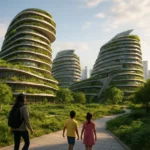
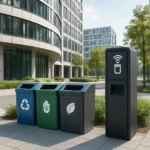

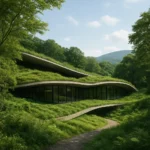
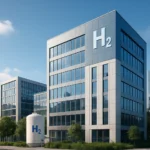
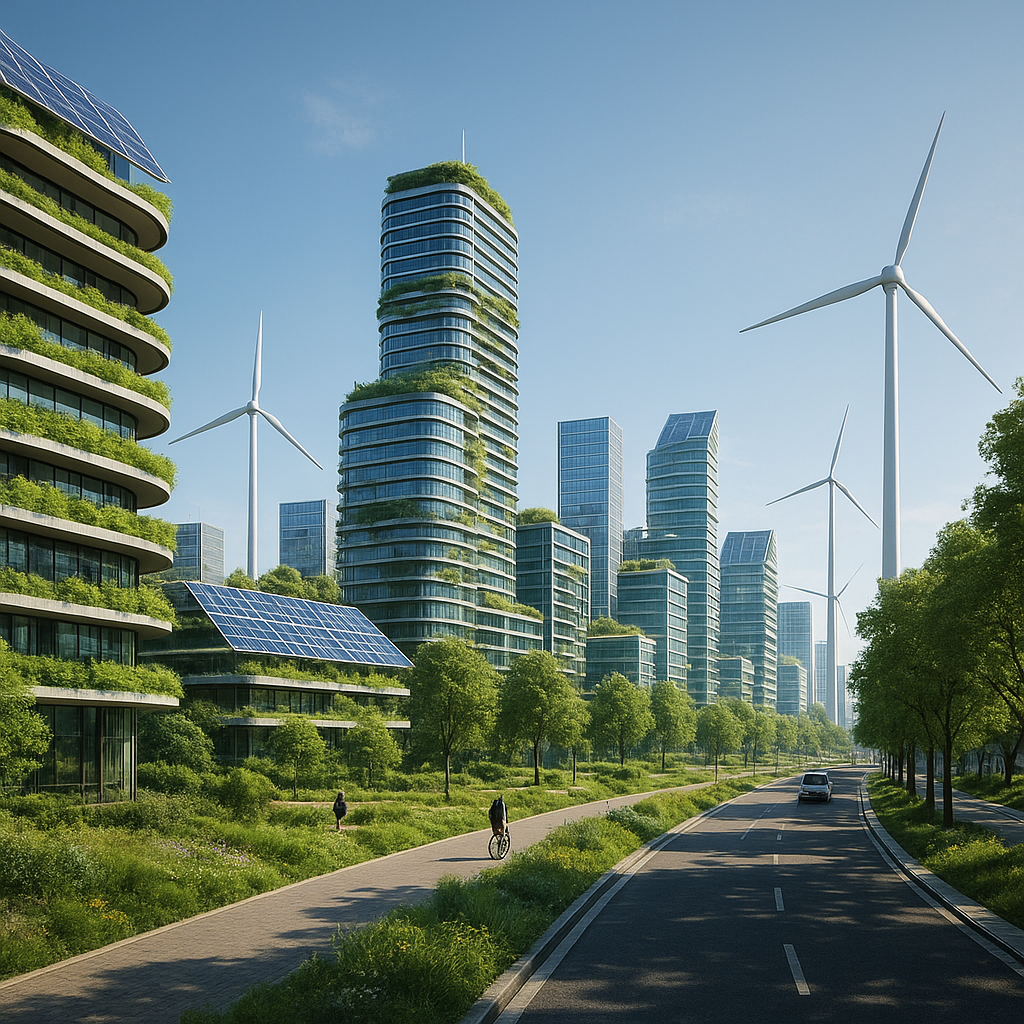
The transformation of urban landscapes is accelerating towards an era where technology, nature, and human-centric design converge to create truly futuristic habitats. Architects and planners are reimagining entire cities, shifting away from fossil-fuel dependence to embrace net-zero energy consumption and sustainable resource cycles. This article explores the cutting-edge strategies driving the next generation of urban environments, from biomimetic façades to smart infrastructure that adapts in real time to human needs and climate demands.
Designing Net-Zero Skylines
The concept of a net-zero skyline goes beyond installing a few solar panels atop glass towers. It requires a holistic approach combining energy-efficient building envelopes, on-site renewable generation, and district-level energy sharing. Architects are devising high-rise clusters that function as microgrids, allowing buildings to trade surplus power generated by integrated wind turbines and photovoltaics.
Building Envelope Innovations
- Dynamic façade systems that adjust shading and insulation in response to solar exposure and thermal load.
- Phase-change materials embedded within wall panels to store heat during the day and release it at night.
- Triple-glazed windows with low-emissivity coatings and integrated thin-film solar cells.
District Microgrids
- Shared battery storage facilities balancing supply and demand peaks across multiple buildings.
- Waste-heat recovery from data centers channelled into residential heating networks.
- Real-time energy management platforms optimizing consumption through AI-driven predictions.
Smart Materials and Bio-Innovation
Advances in nanotechnology and biomimicry are forging a new class of construction materials that self-heal, adapt, and even generate power. These innovations allow structures to respond like living organisms, enhancing longevity and reducing maintenance costs.
Self-Healing Concrete
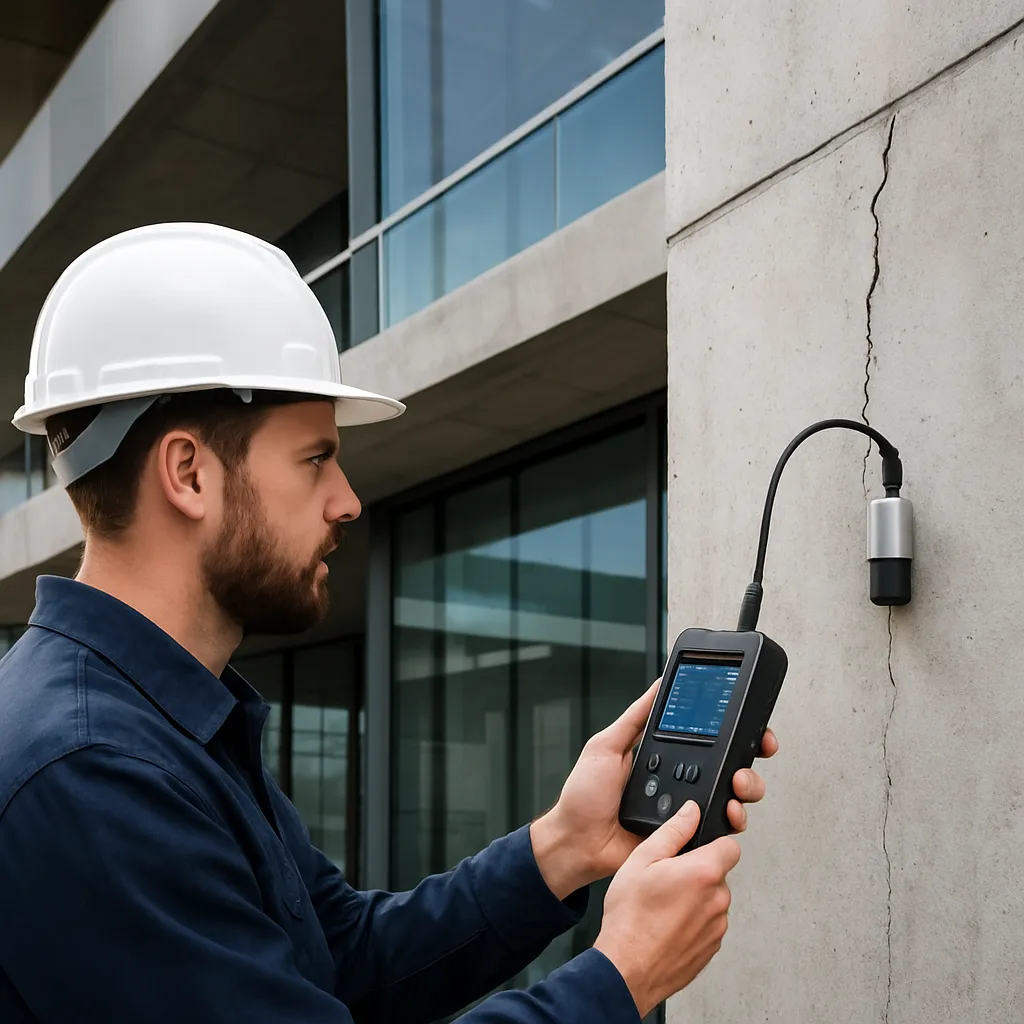
Embedding microcapsules filled with healing agents enables concrete to repair cracks autonomously. When fissures occur, capsules rupture, releasing bacteria or polymers that seal the gap. This approach extends the lifespan of critical infrastructure such as bridges and tunnels.
Living Green Walls
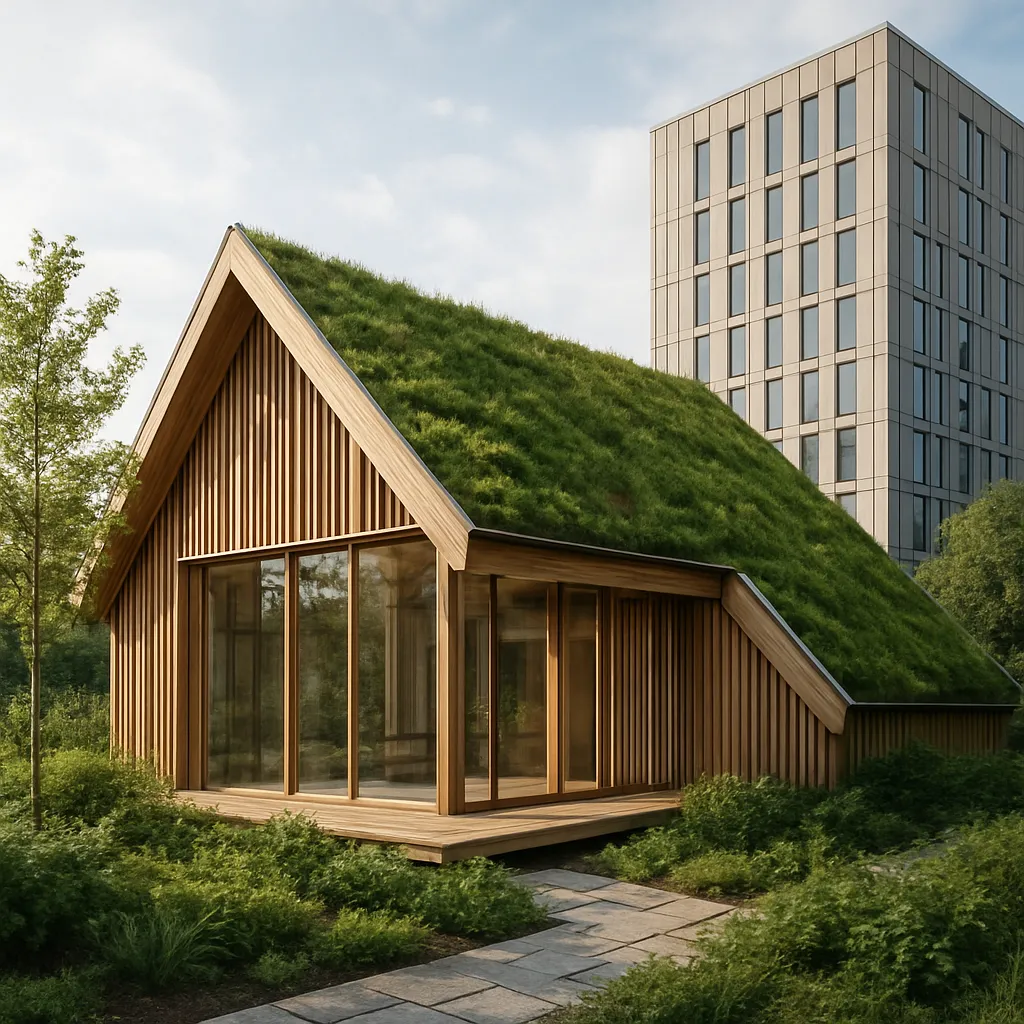
- Modular panels inoculated with algae and moss species that photosynthesize pollutants and sequester carbon dioxide.
- Hydrogel networks delivering water and nutrients without external irrigation.
- Integrated sensors tracking humidity, temperature, and plant health to optimize growth conditions.
Photocatalytic Surfaces
Coating exterior surfaces with titanium dioxide nanoparticles creates a resilient barrier that neutralizes airborne toxins and degrades organic matter upon exposure to sunlight. Such façades contribute to cleaner urban air and reduced maintenance of building exteriors.
Urban Mobility and Infrastructure
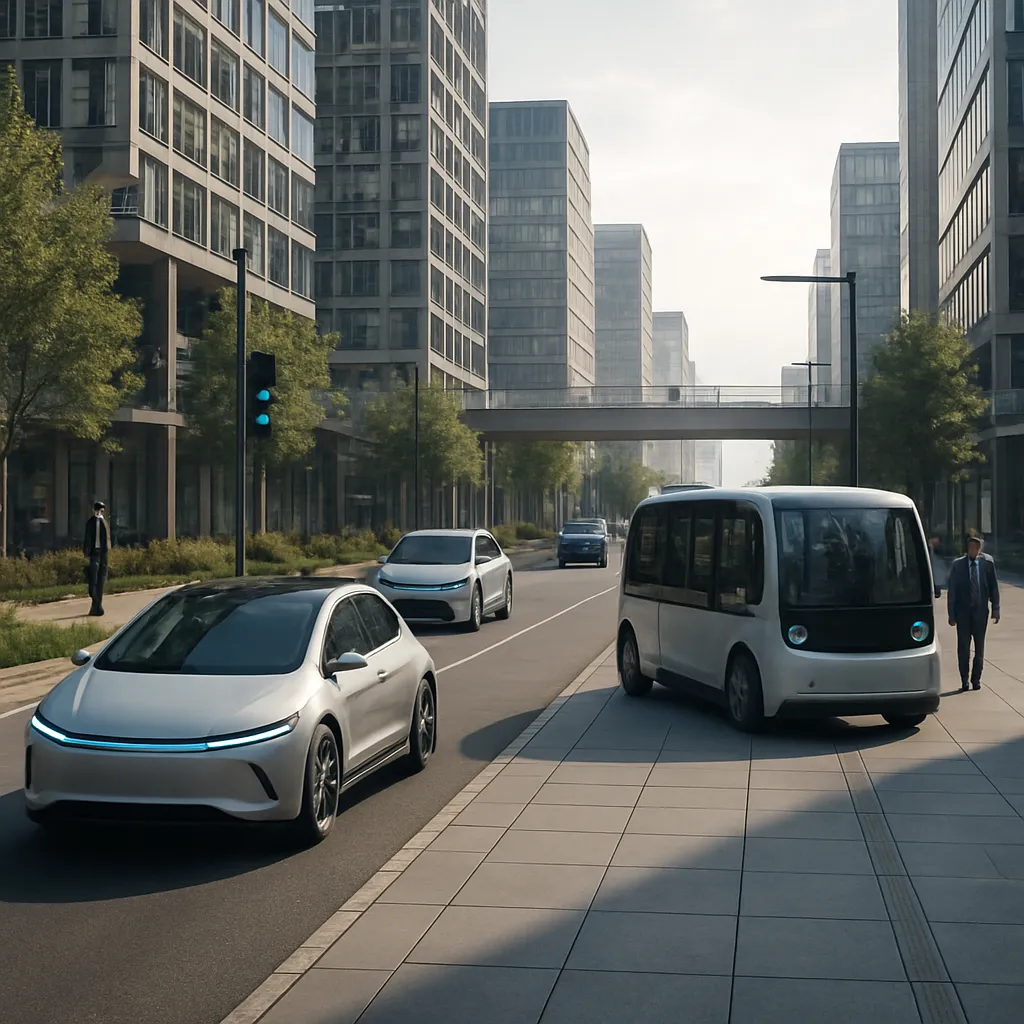
Mobility in a post-carbon city prioritizes efficiency, accessibility, and minimal environmental impact. The streets themselves become interactive elements of the urban ecosystem rather than mere conduits for vehicles.
Electric and Autonomous Transit
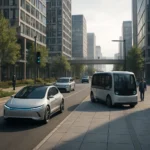
- Shared autonomous shuttles operating within low-speed zones, linking transit hubs to residential and commercial precincts.
- Inductive charging lanes embedded in road surfaces, allowing electric buses and freight vehicles to recharge on the move.
- Real-time routing algorithms minimizing congestion and energy consumption across the network.
Multi-Level Pedestrian Networks
Elevated walkways and underground promenades segregate foot traffic from vehicular flow. These layers are lined with retail, flexible workspace, and public art installations, creating a 24-hour street life that fosters community interaction and supports local economies.
Green Infrastructure Corridors
- Linear parks following former railway lines, now repurposed for cycling and walking trails.
- Stormwater canals turned into botanical riverscapes that capture runoff and provide urban cooling.
- Canopy bridges connecting treetop platforms above city streets, offering shade and biodiversity habitats.
Community Engagement and Adaptive Reuse
Cities of the future must be as socially inclusive as they are technologically advanced. Effective urban regeneration combines adaptive reuse of historic structures with participatory design processes, ensuring developments reflect local identity and needs.
Revitalizing Heritage Buildings
Transforming retired industrial warehouses into coworking hubs, cultural centers, and vertical farms preserves architectural heritage while injecting new life into aging neighborhoods. Retrofitting with energy-efficient systems and smart controls bridges the gap between past and future.
Participatory Planning
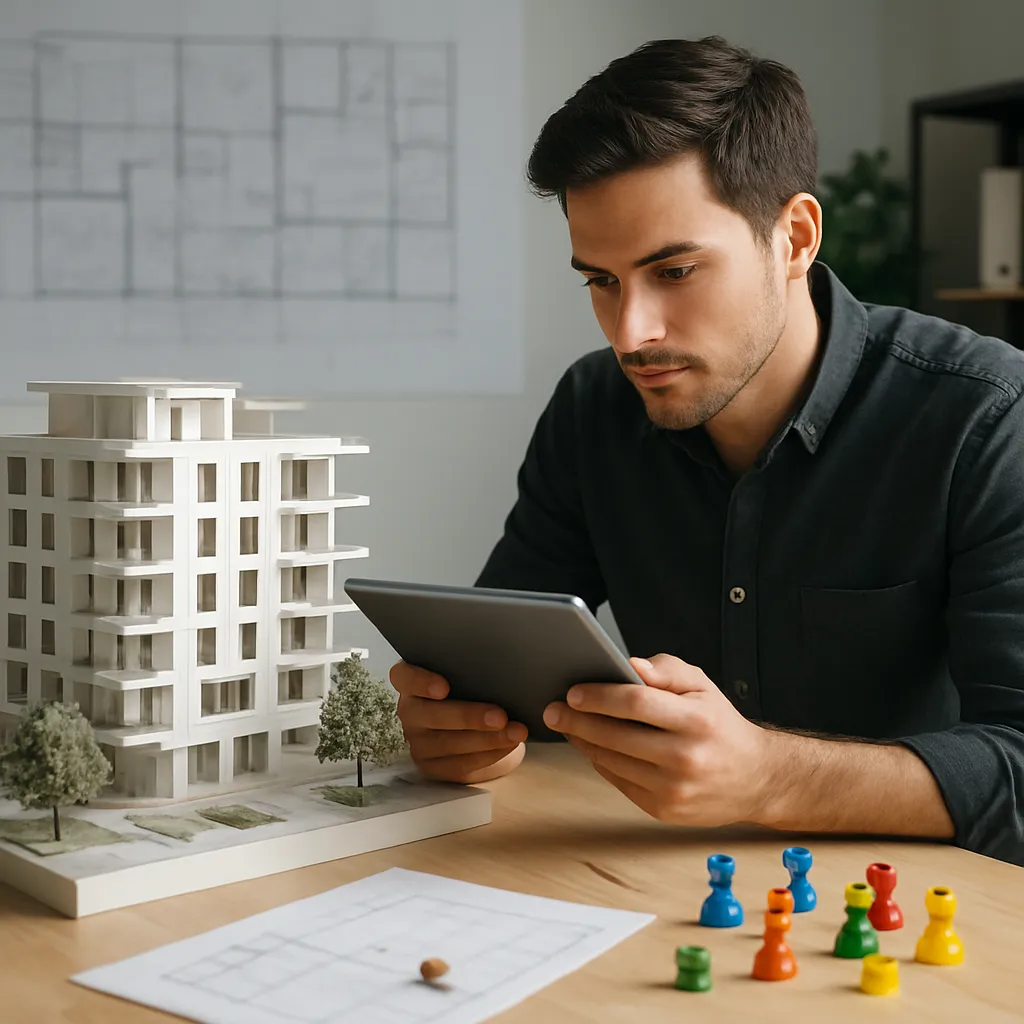
- Virtual reality workshops enabling residents to experience proposed designs and provide feedback at every stage.
- Mobile apps crowdsourcing ideas for public art, green space allocation, and community events.
- Blockchain-based voting systems ensuring transparent allocation of municipal budgets towards citizen priorities.
Circular Economy Districts
A dedicated zone where waste streams from residential, commercial, and production activities are streamlined into closed-loop processes. Organic waste is converted into biogas and compost, while construction debris is crushed, sorted, and reincorporated as aggregate in new buildings. This model fosters a circular economy that drastically reduces landfill dependency.
As urban populations continue to swell, the urgency to develop cities that are clean, efficient, and deeply attuned to both human and environmental health grows stronger. By harnessing sustainable technologies, embracing green infrastructure, and promoting inclusive design methodologies, we edge ever closer to realizing the promise of truly post-carbon cities.