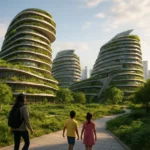

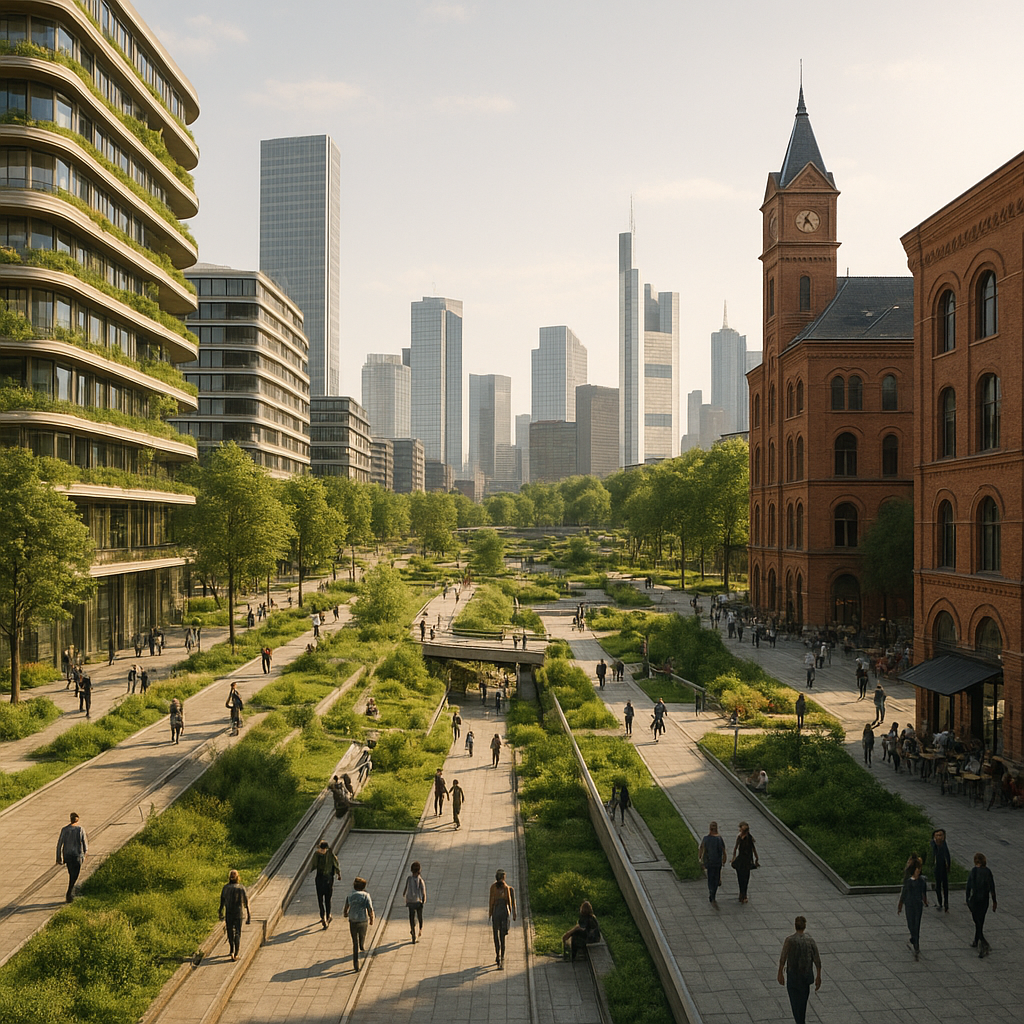
Emerging at the intersection of technology, ecology, and social participation, the vision of responsive urban design challenges traditional static cityscapes. By embracing adaptability and collaboration, future metropolises become living organisms—capable of self-adjustment, growth, and transformation. This article explores the core principles and practical strategies that drive cities toward a more sustainable and resilient future.
Adaptive Infrastructure and Modular Urbanism
Central to futuristic architecture is the concept of modular components that can be reconfigured on demand. Buildings no longer adhere to fixed blueprints; instead, they employ prefabricated units linked by intelligent joints and nodes. These modules offer several advantages:
- Rapid assembly and disassembly, reducing construction time and waste.
- Scalable growth, allowing neighborhoods to expand or contract based on population flux.
- Cost-effective upgrades, since modules can be swapped to enhance performance or aesthetics.
Consider an office tower whose floor plates adjust their layout overnight, accommodating new departments, changing circulation patterns, or evolving work styles. This dynamic approach also supports mixed-use structures, where living, working, and leisure spaces coexist within an adaptable framework. Architects leverage parametric design tools to simulate real-time usage data, enabling the city to respond to demand peaks with surgical precision.
Smart Façades and Kinetic Skins
Façade systems represent the city’s first line of interaction with its environment. Advanced buildings use digitalization to monitor temperature, light levels, and humidity, automatically opening or closing panels. Kinetic skins can shift opacity, color, or texture, optimizing comfort while minimizing energy consumption. Such façades:
- Harvest solar energy via integrated photovoltaic cells.
- Regulate heat transfer through phase-change materials.
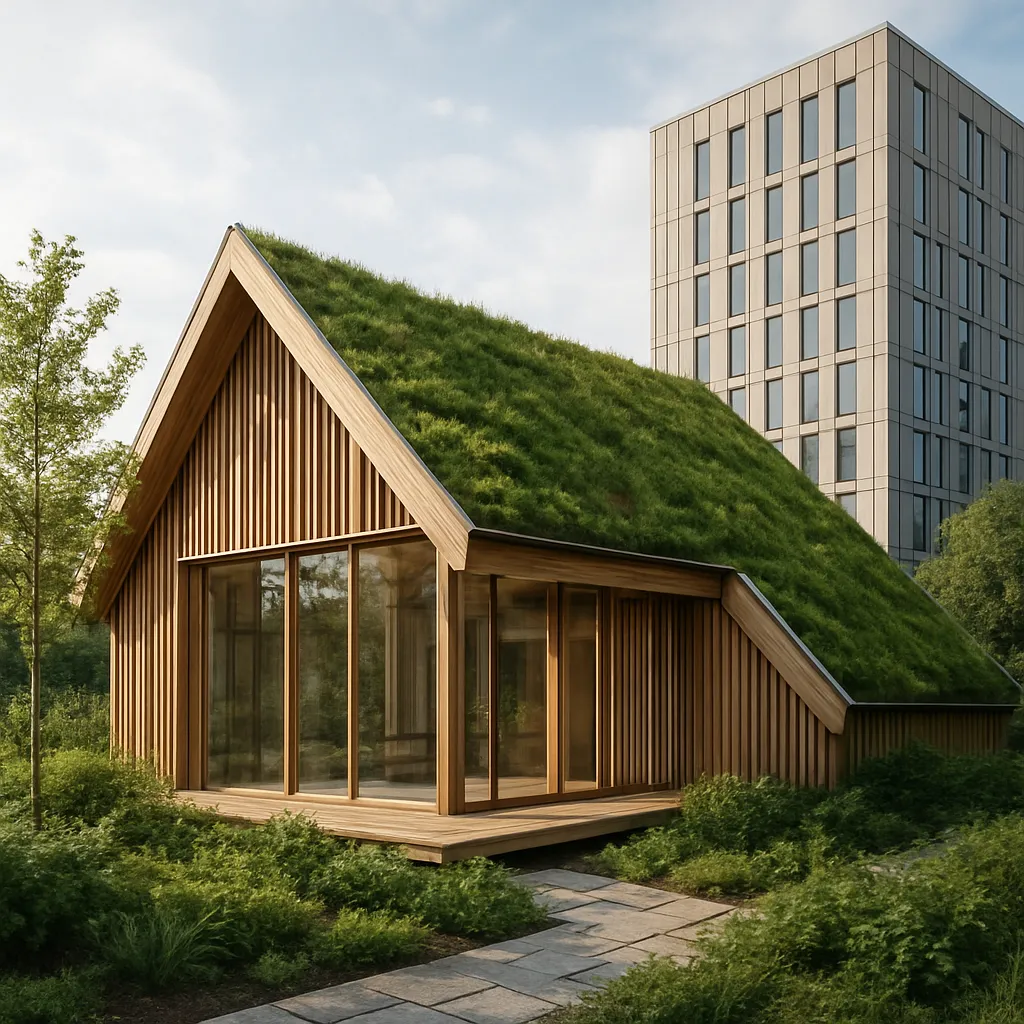
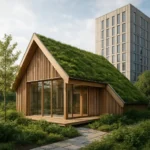
- Integrate living walls for improved air quality and biodiversity.
By embedding sensors and actuators into building envelopes, these systems become part of a larger urban nervous system—communicating with adjacent structures and public infrastructure to align citywide performance.
Tech-Driven Resilience and Smart Materials
As climate uncertainties intensify, cities must withstand extreme events—floods, heatwaves, and seismic shocks. A resilient urban core relies on next-generation materials and data-driven methodologies to anticipate and mitigate risks.
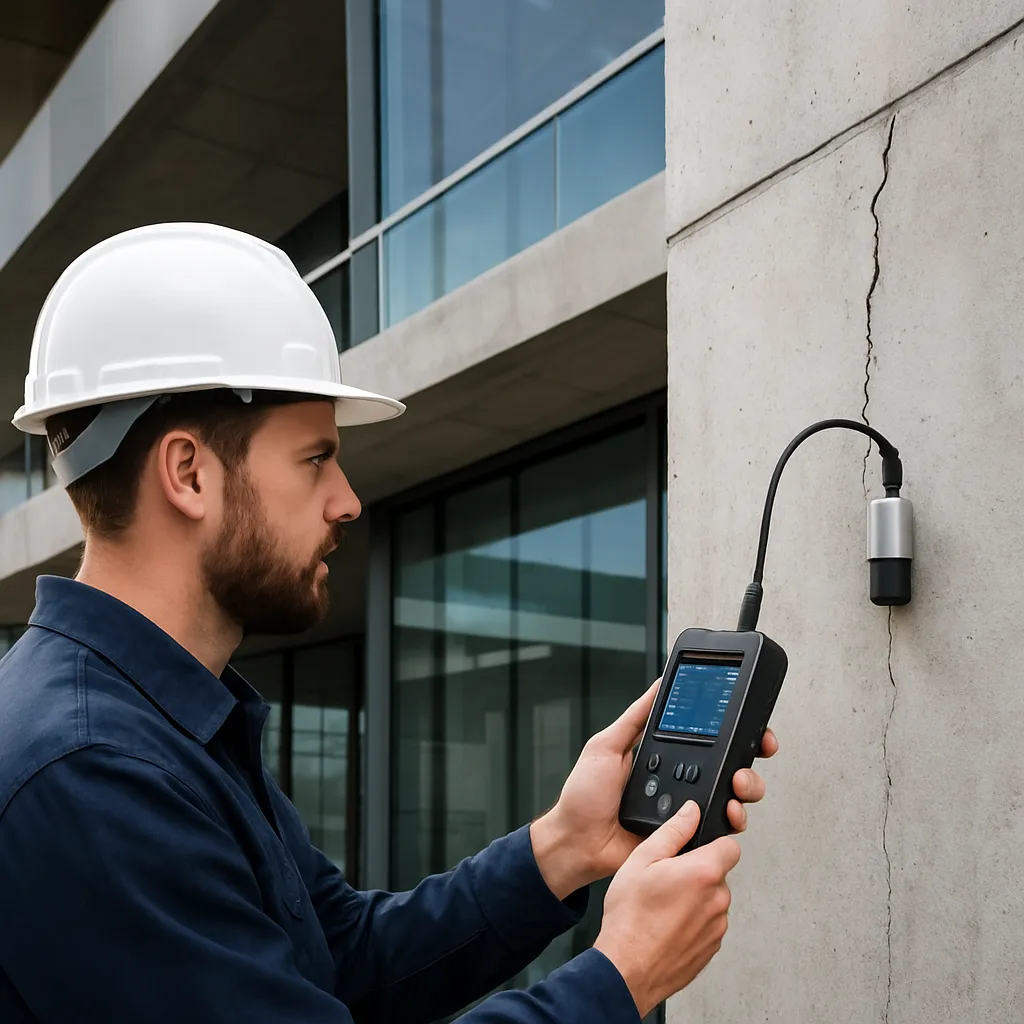
- Self-healing concrete: Microcapsules embedded within the matrix release healing agents when cracks form, extending structural lifespan.
- Graphene-infused composites: Ultra-lightweight yet stronger than steel, these materials revolutionize high-rise construction and bridge design.
- Responsive polymers: Incorporated into façades and public art, these substances adjust stiffness and shape under varying environmental stimuli.
Beyond material innovation, urban resilience grows from integrated sensor networks. A citywide mesh of IoT devices continuously monitors water levels, air pollutants, and pedestrian flows. Through predictive analytics, planners deploy preventive measures—draining retention basins before floods, shielding vulnerable areas with deployable barriers, or rerouting traffic to avoid heat-trapped zones.
Autonomous Infrastructure Maintenance
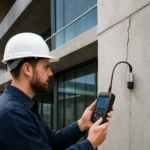
Automated drones and robotic crawlers patrol pipelines, bridges, and tunnels—conducting inspections with high-resolution cameras and ultrasonic sensors. Faults are identified before they escalate, and AI-powered maintenance algorithms schedule repairs at optimal times to reduce disruption. This innovation-driven upkeep ensures that critical systems remain online, safeguarding urban vitality.
Human-Centric Ecosystems and Digital Interfaces
Technology must ultimately serve inhabitants. A truly responsive city empowers citizens with seamless interaction channels, fostering inclusive decision-making and strengthening community bonds.
- Augmented reality wayfinding helps pedestrians, cyclists, and visually impaired individuals navigate complex environments.
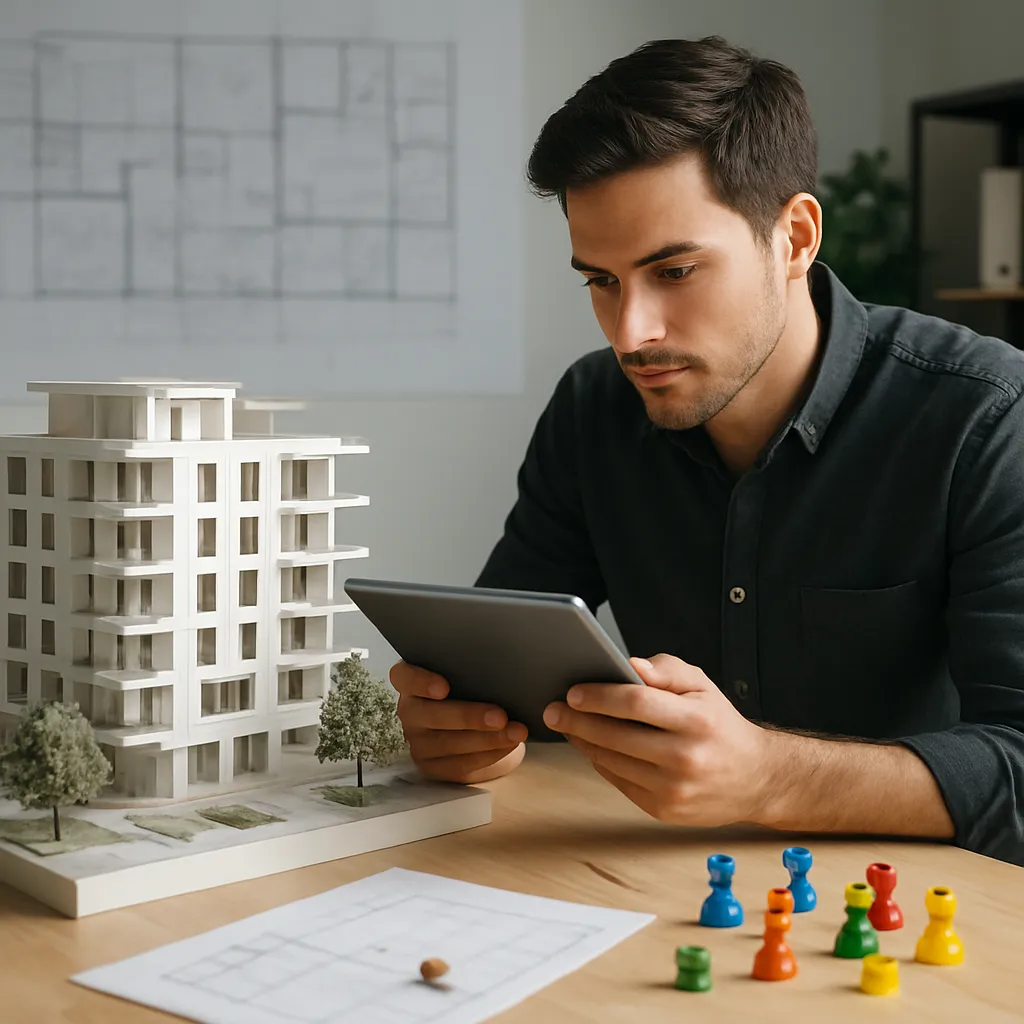
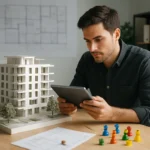
- Participatory urban planning platforms allow residents to propose and vote on localized improvements—park renovations, public art commissions, or pop-up marketplaces.
- Real-time crowd management tools guide event organizers in deploying resources and ensuring safety during festivals or emergencies.
Public spaces embrace the tenets of a user-centric design philosophy. Parks, plazas, and communal rooftops adjust seating layouts and shade canopies through retractable structures, responding to user density and weather patterns. Interactive installations double as informal classrooms, nurturing social cohesion and creative expression.
Integrated Mobility and Shared Assets
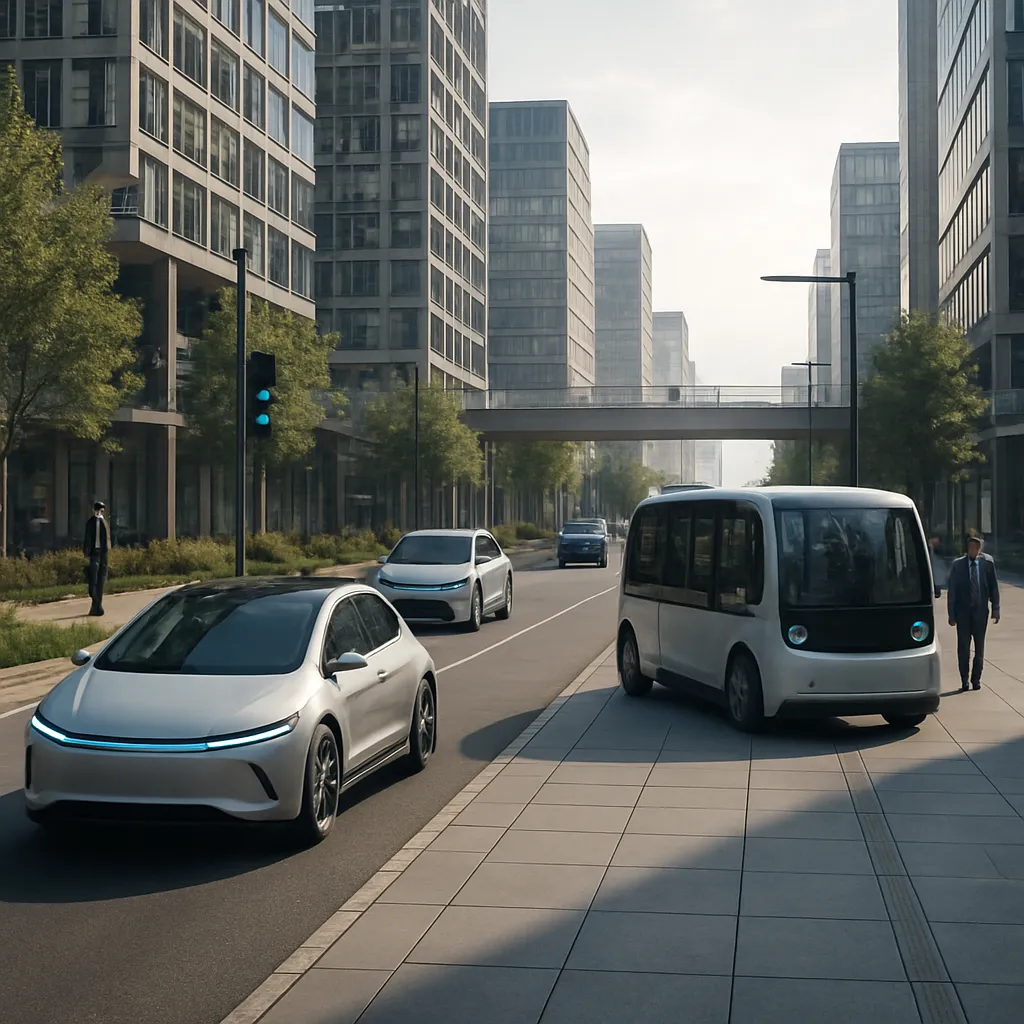
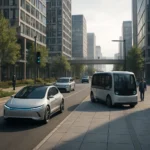
Urban mobility morphs into a fluid network where autonomous shuttles, micro-e-vehicles, and on-demand transit converge around real-time data streams. Riders summon vehicles through a unified app that factors in carbon footprint, cost, and personal preferences—prioritizing integration of modes over single-mode ownership. Shared amenities further reduce redundancy: solar-powered charging hubs, community tool libraries, and modular fitness nodes become strategic nodes in the city’s distribution matrix.
Cross-Sector Collaboration
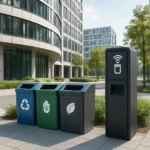
- Municipalities partner with tech startups to pilot smart lighting and waste management trials.
- Universities host living labs—experimental districts where researchers, residents, and businesses co-create adaptive solutions.
- Private investors back impact-driven projects that balance profit with environmental stewardship and social equity.
Such alliances foster an ecosystem of continuous experimentation, where successes spread rapidly and failures yield valuable insights. The resulting urban tapestry is one of layered intelligence—each district informs and refines the whole, ensuring an ever-evolving, resilient metropolis.