




Emerging innovations in the world of construction are reshaping the landscape of architecture, pushing boundaries beyond traditional limits. Self-healing buildings are no longer a concept confined to science fiction; they represent a tangible shift toward structures capable of **regeneration**, **resilience**, and **adaptation**. By integrating cutting-edge materials and intelligent systems, architects and engineers envision a future where urban environments maintain their integrity autonomously, reducing maintenance costs and extending lifespan.
Self-Healing Materials: Core Technologies
The foundation of any self-healing building lies in its materials. Researchers have developed several approaches that enable concrete, polymers, and composites to repair microcracks and restore structural capacity without human intervention.
Microcapsule-Based Systems
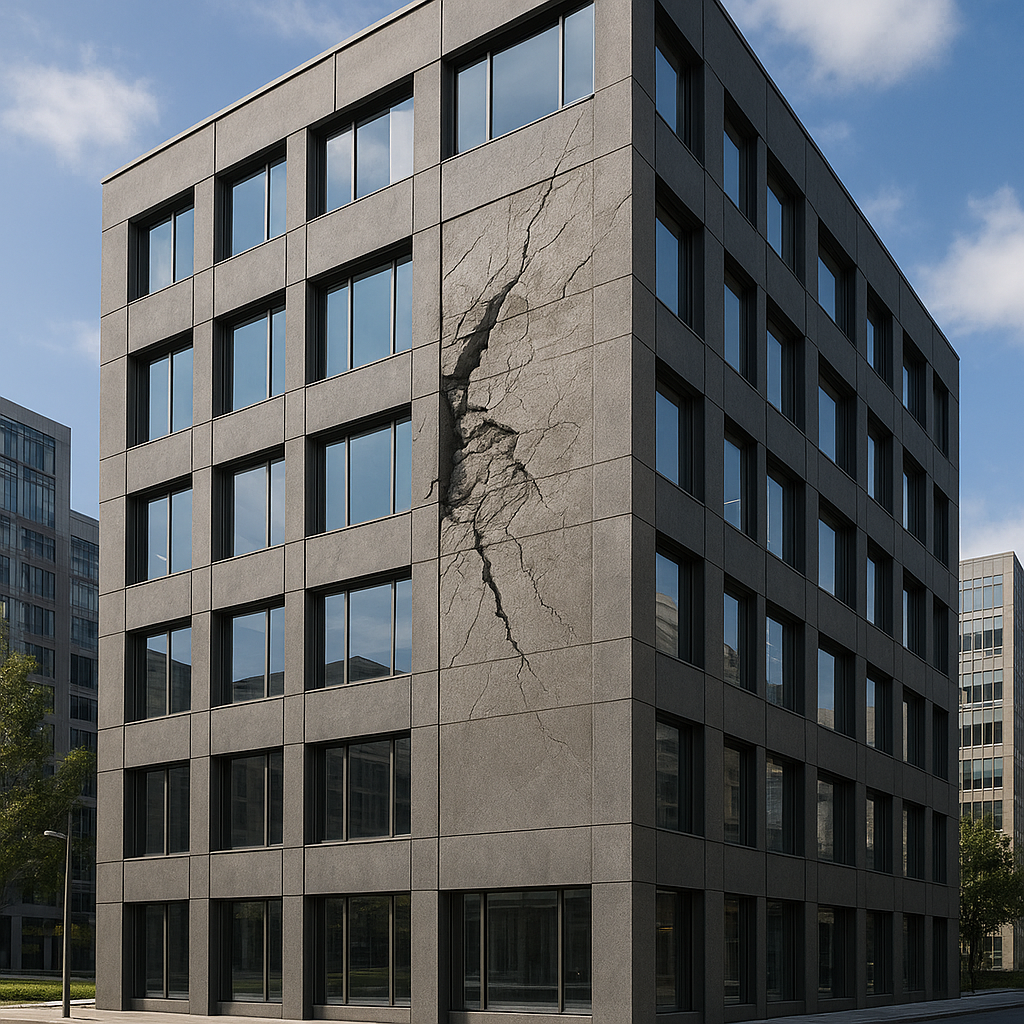
One pioneering method involves embedding tiny capsules filled with healing agents directly into a material’s matrix. When a crack forms, it ruptures the capsules, releasing the agent that binds the gap.
- Encapsulation: Microcapsules contain adhesives such as epoxy or polymeric resins.
- Reaction: Contact with air or moisture triggers polymerization.
- Sealing: The cured polymer seals the crack, restoring continuity.
Vascular Networks
Inspired by biological systems, vascular networks distribute healing fluids throughout a structure much like veins deliver nutrients in living tissue.
- Channels: Hollow tubes are woven or cast within the material.
- Circulation: Healing fluids are pumped in response to sensor alerts.
- Scalability: Networks can be extended to cover large surfaces.
Biomineralization Techniques
Harnessing microbial activity, biomineralization uses bacteria to precipitate minerals when cracks appear, effectively sealing them with limestone-like deposits.
- Microorganisms: Specialized bacteria remain dormant until activated by moisture.
- Catalysis: Bacteria produce enzymes that convert nutrients into calcite.
- Longevity: The process can occur repeatedly over decades.
Design Strategies and Structural Integration
Implementing self-healing capabilities requires a holistic approach, merging material science with advanced design principles and intelligent systems.
Embedded Sensor Networks
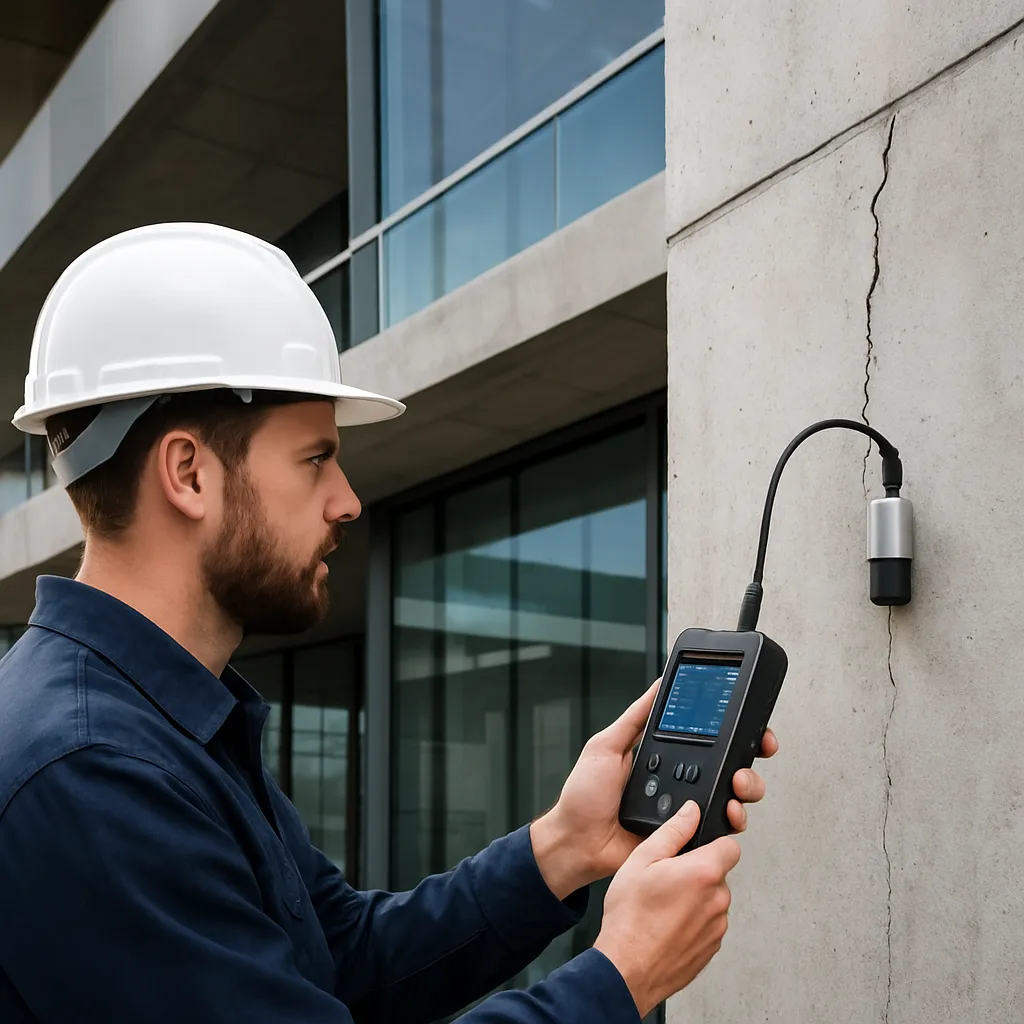
Sensors play a crucial role in monitoring structural health and activating healing processes. They detect stress, crack propagation, temperature changes, and moisture levels.
- Piezoelectric Sensors: Convert mechanical stress into electrical signals.
- Optical Fibers: Provide distributed strain measurements.
- Wireless Nodes: Transmit real-time data to a central control unit.
Adaptive Load Distribution
Smart structural designs redistribute weight and load to prevent critical failures.
- Shape-Memory Alloys: Change configuration under stress to relieve pressure.
- Adaptive Trusses: Adjust geometry in response to shifting forces.
- Active Dampers: Smooth out vibrations and dynamic loads.
Modular Construction
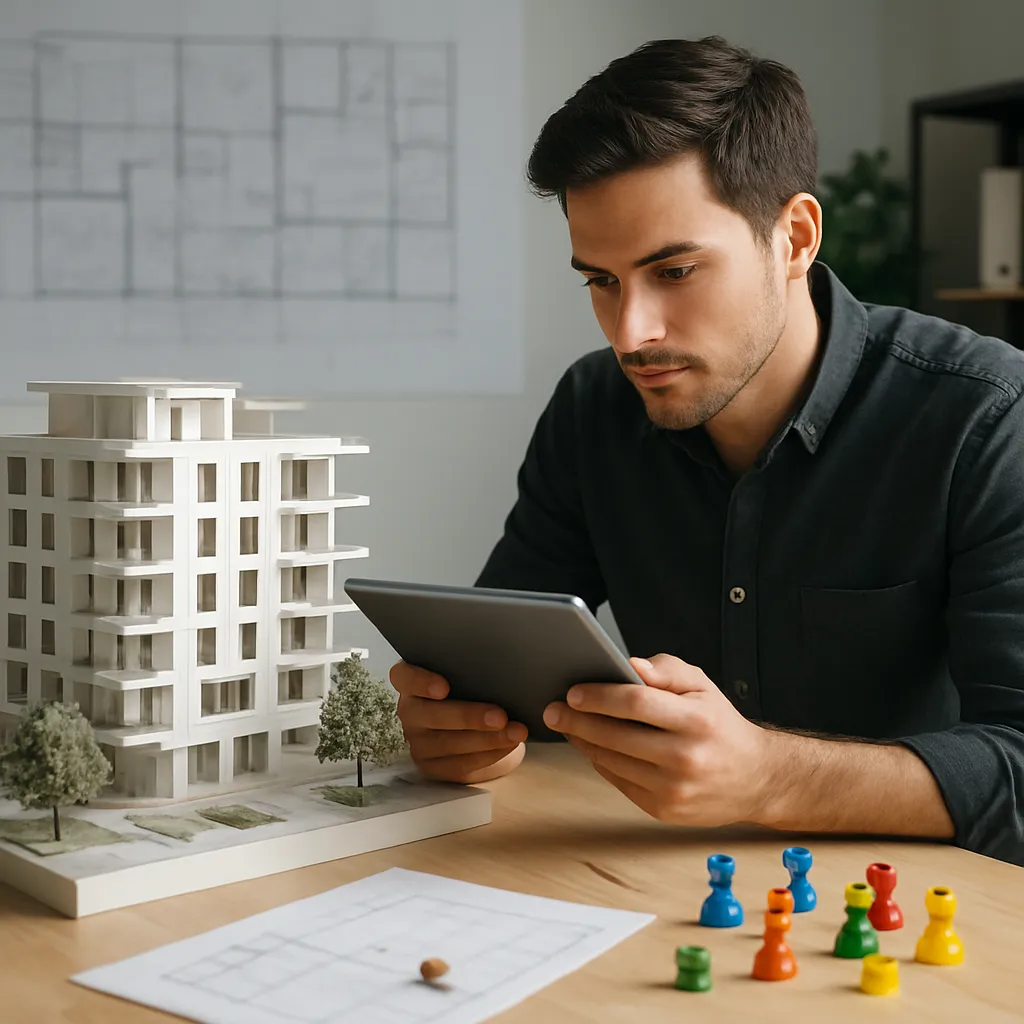
Prefabricated modules integrated with self-healing materials allow for rapid assembly and easier maintenance.
- Standardized Units: Simplify quality control and testing.
- Plug-and-Play Systems: Facilitate replacement or upgrade of specific modules.
- Lightweight Frames: Reduce overall weight while enhancing durability.
Implementation Challenges and Solutions
While the promise of self-healing buildings is enormous, there are significant hurdles to overcome before widespread adoption becomes feasible.
Cost and Scalability
Currently, many self-healing materials are costly to produce in bulk. Strategies to address this include:
- Optimizing synthesis processes to reduce raw material consumption.
- Developing hybrid systems that combine conventional and self-healing components.
- Encouraging public and private partnerships to share research and development expenses.
Regulatory and Safety Standards
The building industry is tightly regulated, and new technologies must pass rigorous testing to ensure safety.
- Establishing clear performance metrics for self-healing action under various environmental conditions.
- Updating building codes to include criteria for autonomous repair mechanisms.
- Conducting long-term field trials to validate reliability and **durability**.
Environmental Considerations
Even as self-healing materials aim to reduce waste and maintenance, it is essential to evaluate their environmental footprint.
- Life-cycle assessments to quantify energy consumption and emissions.
- Utilizing bio-based and recyclable healing agents.
- Minimizing the use of toxic catalysts or solvents.
Societal and Environmental Benefits
Beyond technical feasibility, self-healing buildings offer transformative advantages for communities and ecosystems.
Sustainability and Resource Efficiency
By autonomously repairing damage, structures significantly reduce the need for resource-intensive maintenance.
- Decrease in cement and concrete replacement reduces carbon emissions.
- Lower demand for construction materials conserves natural resources.
- Extended service life diminishes demolition waste.
Enhanced Safety and Resilience
Buildings that self-diagnose and self-repair can better withstand natural disasters and aging stresses.
- Rapid healing of microcracks prevents catastrophic failures during earthquakes.
- Consistent monitoring enhances early detection of structural weaknesses.
- Improved occupant safety through real-time alerts and automated interventions.
Economic Impacts
Reduced maintenance budgets and extended building lifespans translate into significant cost savings over time.
- Lower insurance premiums due to decreased risk of structural failure.
- Higher property values driven by **innovation** and advanced features.
- Job creation in specialized fields such as smart material manufacturing and system integration.
Looking Ahead: Vision of Tomorrow’s Cities
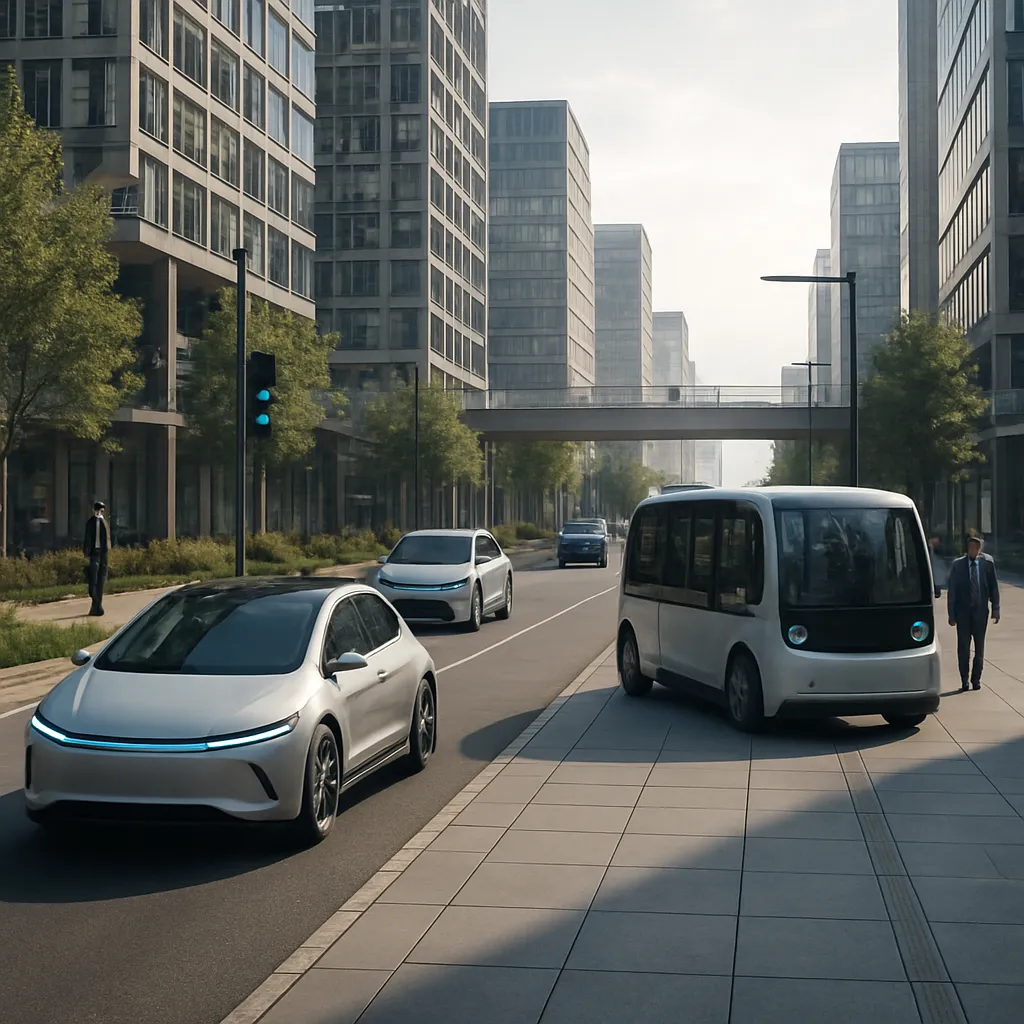
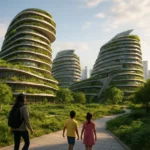
The fusion of self-healing capabilities with other futuristic architectural trends—like vertical farms, adaptive facades, and integrated renewable energy—heralds a new era for urban development. Buildings will function not merely as static enclosures but as living entities that sense, respond, and evolve. This shift demands interdisciplinary collaboration across architecture, material science, biology, and information technology, fostering a holistic approach to construction.
As the global population becomes increasingly urbanized, the need for buildings that can maintain their own integrity grows more urgent. The synergy between **nanotechnology**, **bio-mimicry**, and **smart systems** promises a future where our cities are robust, sustainable, and resilient. Self-healing buildings are poised to play a central role in realizing this vision, transforming not only the built environment but also the very way humans interact with the spaces they inhabit.