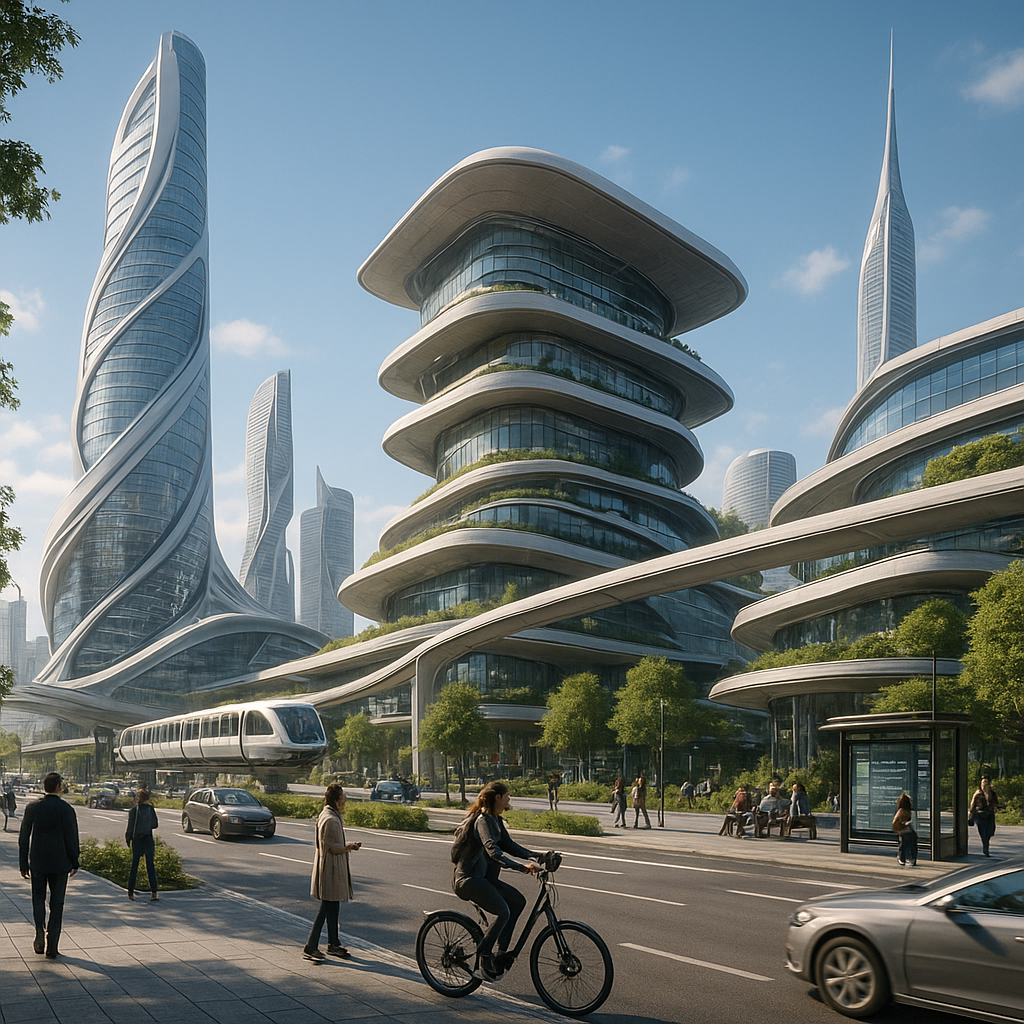
The vision of tomorrow’s urban landscapes unfolds through an intricate tapestry of design, technology, and human experience. As metropolitan areas evolve into ecosystems driven by data and innovation, the realm of futuristic architecture becomes the cornerstone for crafting environments that are adaptive, efficient, and deeply connected to their inhabitants. From gravity-defying towers that harvest energy from the sun to neighborhoods alive with responsive lighting and green corridors, the synergy between form and function pushes the boundaries of what cities can achieve. In exploring these emergent paradigms, we delve into the forces shaping our built environment and the principles guiding the next wave of architectural triumphs.
The Rise of Smart Skyscrapers
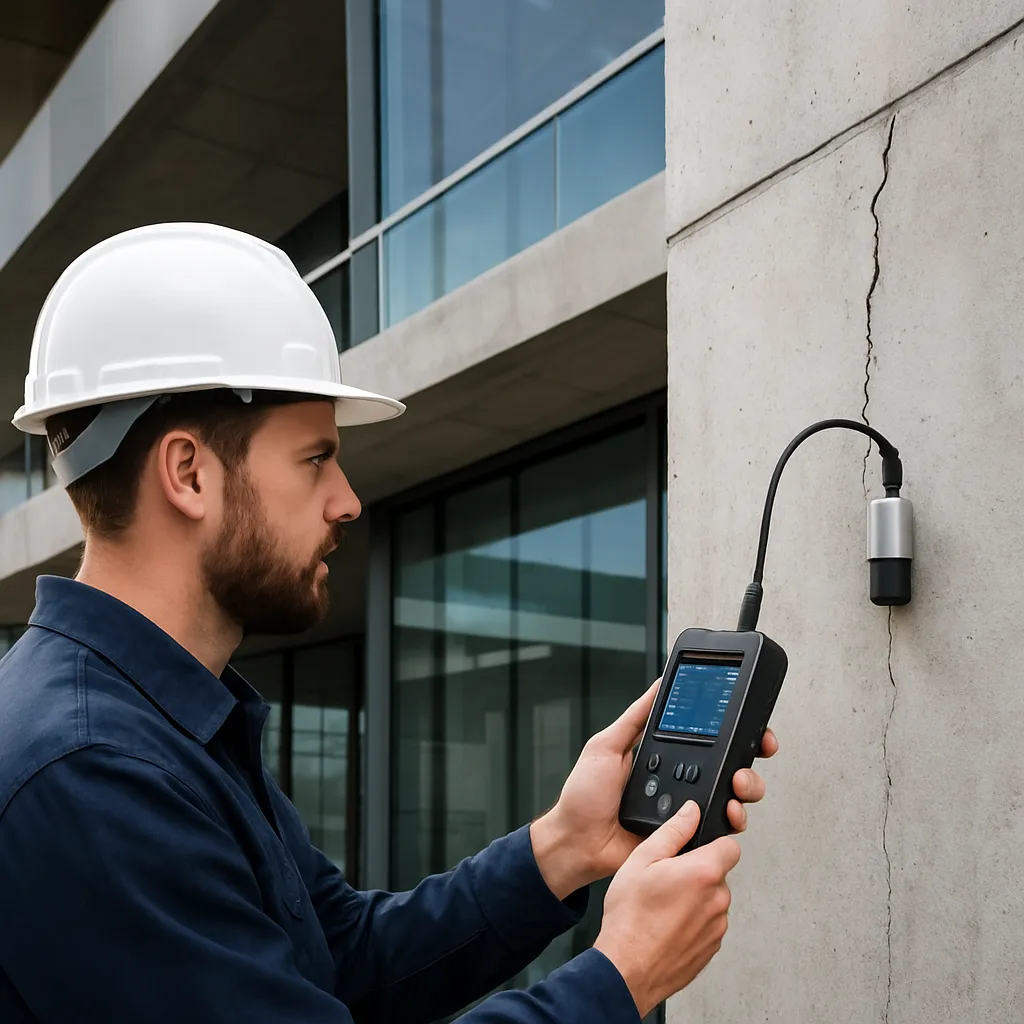
Modern high-rises no longer serve merely as steel-and-glass monuments to corporate might; they have transformed into living entities, capable of self-regulation and resource management. Equipped with embedded sensors and AI-driven building management systems, these towers optimize lighting, ventilation, and temperature in real time. The adoption of automation in HVAC systems reduces energy consumption by up to 40%, while photovoltaic façades convert daylight into usable power, ensuring that each structure contributes positively to the city’s overall carbon footprint.
Adaptive Facades and Energy Harvesting
- Dynamic Sun-Shading: Panels adjust their angle to maximize daylight while minimizing heat gain.
- Integrated Photovoltaics: Semi-transparent solar cells embedded in curtain walls generate electricity without compromising natural light.
- Phase-Change Materials: Thermal buffers that store and release heat, maintaining consistent interior temperatures.
By integrating these features, smart skyscrapers become prototypes of sustainability and resilience. They not only respond to external conditions but anticipate fluctuations, leveraging predictive analytics to schedule maintenance, allocate energy reserves during peak hours, and even advise occupants on the most efficient use of space.
Integrating Nature and Technology
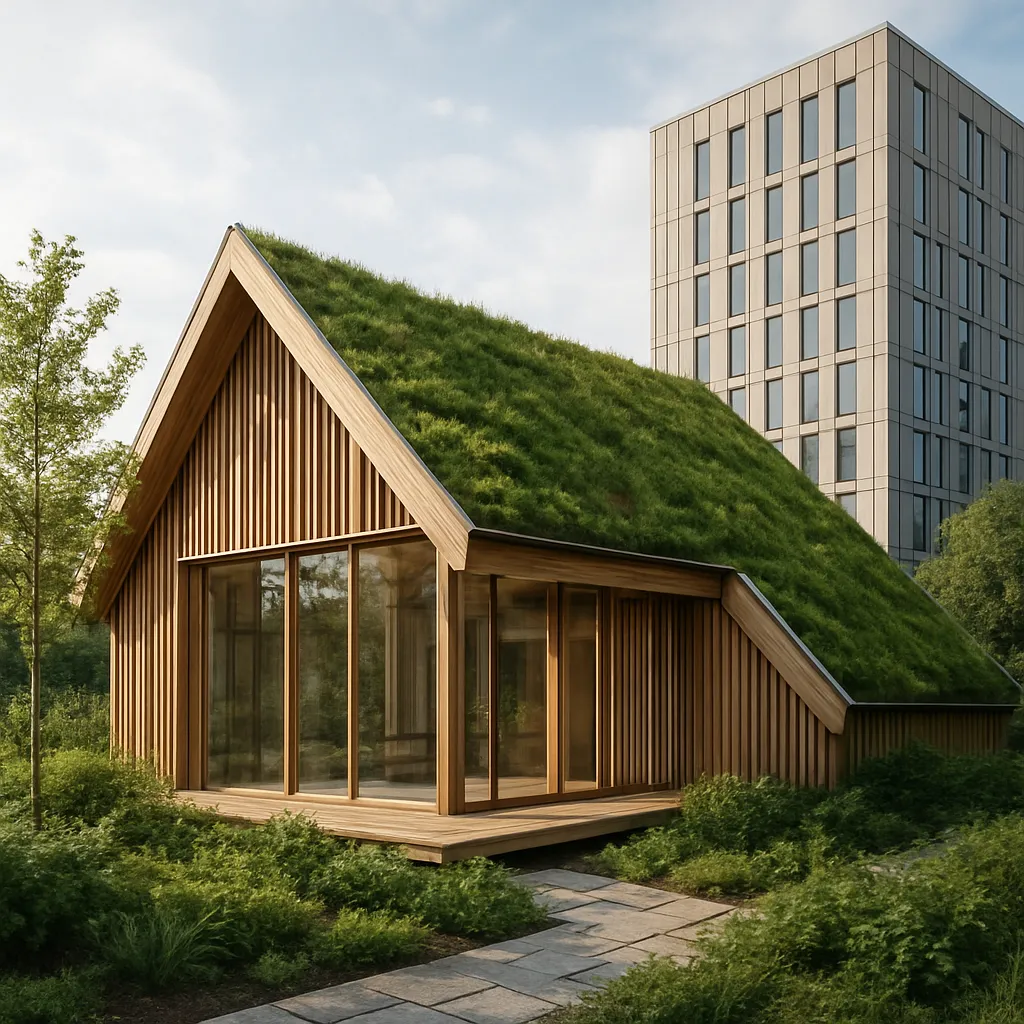
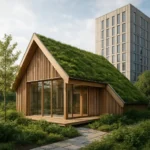
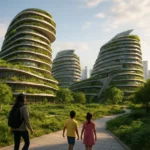
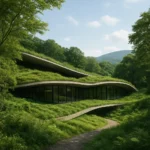
As cities densify, the need for green relief has sparked a movement toward biophilic design — an approach that reconnects people with the natural world. Futuristic architecture harnesses this concept by embedding gardens, wetlands, and vertical forests into the very fabric of high-density developments. The result is a seamless fusion of ecology and engineering, enhancing both mental well-being and environmental performance.
Vertical Forests and Sky Gardens
- Multi-Level Planters: Platforms stacked along building exteriors support diverse plant species that purify air and regulate humidity.
- Rainwater Recycling: Irrigation systems capture runoff to nourish green elements without tapping into municipal supplies.
- Urban Wildlife Habitats: Bird boxes and insect hotels encourage biodiversity amid concrete landscapes.
Such interventions address the urban heat island effect by providing natural shading, while the living façades act as sound barriers, muffle city noise, and absorb pollutants. The coupling of connectivity and biophilia extends indoors, where user interfaces allow occupants to monitor plant health and adjust conditions for optimal growth.
Human-Centric Urban Spaces
Futuristic architecture extends beyond grand structures to the very streets and communal areas that shape daily life. Prioritizing the pedestrian experience, designers are crafting thoroughfares that blend mobility, public art, and adaptive infrastructure. Enhanced by real-time data feeds, public plazas morph to accommodate concerts, markets, or quiet contemplation, depending on community needs and events schedules.
Responsive Street Furniture
- Smart Benches: Equipped with charging stations and environmental sensors, providing seating and connectivity.
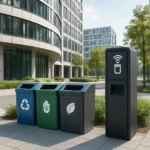
- Interactive Wayfinding: Digital kiosks update transit routes, event listings, and air-quality alerts.
- Modular Pavements: Panels that can be rearranged to reroute foot traffic or expand seating during festivals.
At the heart of these designs lies the principle of efficiency — optimizing spatial use while fostering social interaction. Citizens become active participants in shaping their surroundings, leveraging personal devices to vote on lighting schemes, public art installations, or even the scheduling of drone deliveries to nearby hubs.
The Future of Mobility within Smart Cities
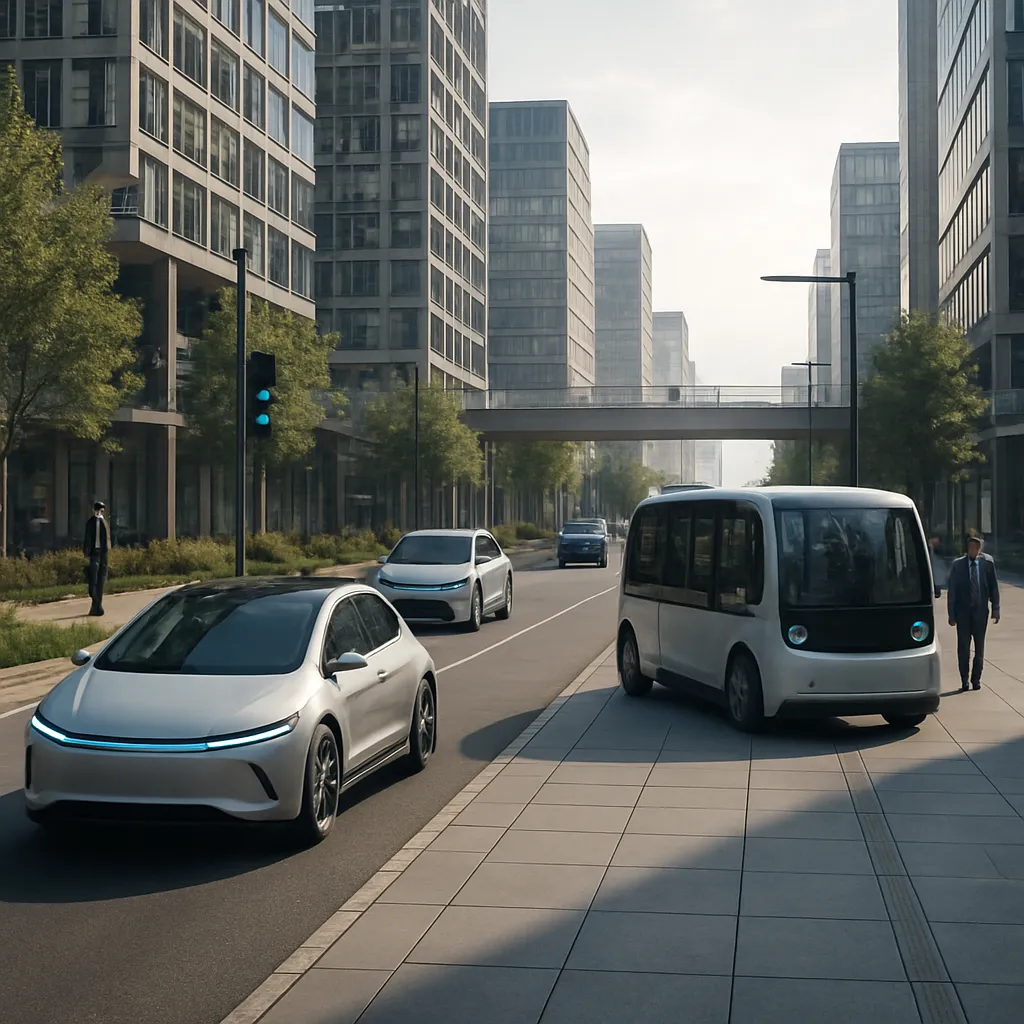
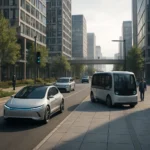
Transportation paradigms are shifting from car-centric corridors to integrated, multimodal networks that emphasize accessibility and minimal environmental impact. Autonomous electric shuttles glide along designated lanes, while underground pneumatic tubes promise instant freight transport between warehouses and storefronts. Mobility-as-a-Service (MaaS) platforms unify ride-sharing, bike rentals, and transit schedules under a single interface, streamlining journeys and reducing redundancies.
Seamless Multimodal Integration
- Mobility Hubs: Centralized stations where vehicles, bicycles, and scooters interchange seamlessly.
- Dynamic Routing: AI algorithms adjust bus and shuttle pathways in real time, responding to passenger demand and traffic patterns.
- Electric Microgrids: Dedicated charging points powered by on-site renewables, ensuring zero-emission operations.
Central to this shift is the notion of connectivity — not only in digital terms, but as an interconnected mesh of services, infrastructure, and user experiences. By dissolving the barriers between different transport modes, cities unlock new levels of convenience and accessibility, particularly for underserved communities.
Architectural Ethics and Community Engagement
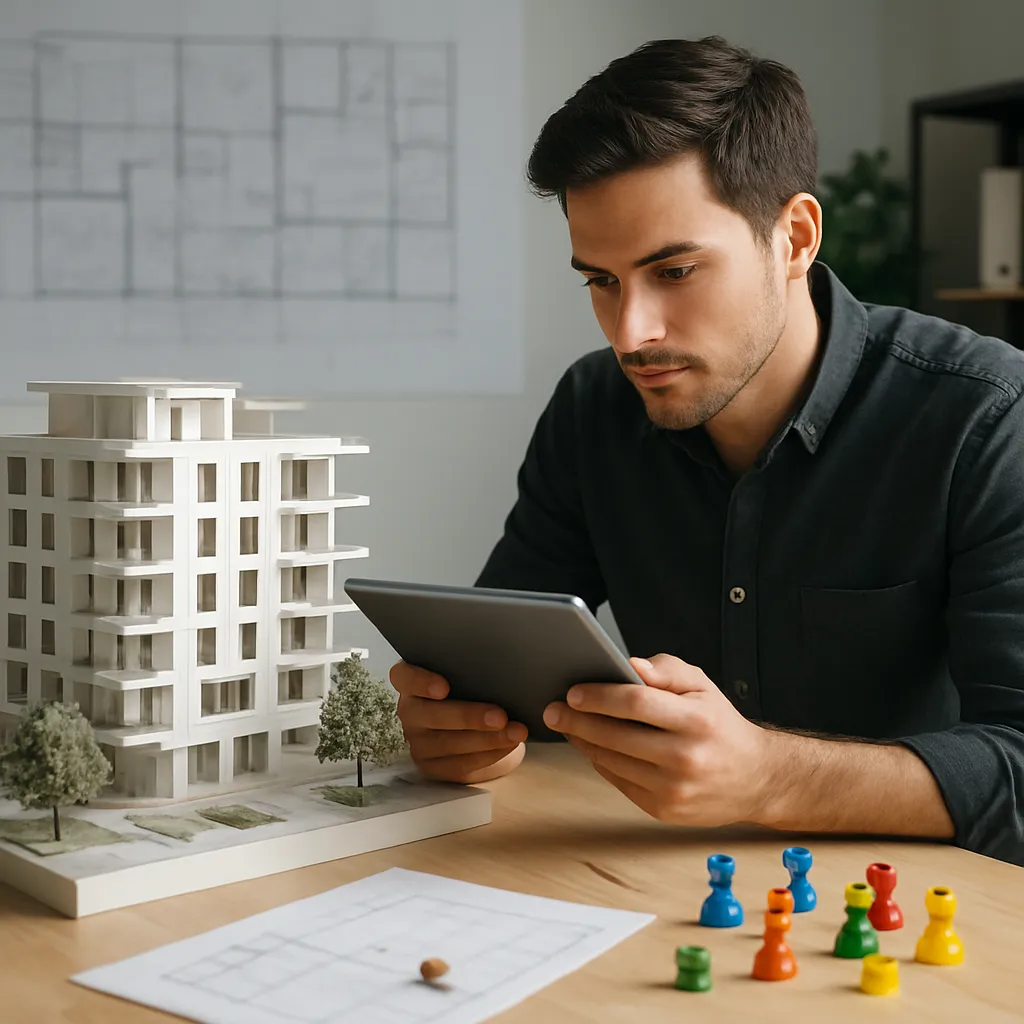
As futuristic architecture accelerates, ethical considerations become paramount. The deployment of surveillance systems, data collection points, and AI-driven decision-making must be balanced against privacy, equity, and inclusivity. Community engagement processes now leverage virtual reality simulations, allowing residents to explore proposed developments in immersive environments and provide feedback before ground is even broken.
Participatory Design Platforms
- Immersive VR Studios: Digital twins of neighborhoods where stakeholders can test lighting, acoustics, and spatial layouts.
- Open-Source Data Portals: Publicly accessible datasets on energy use, traffic flows, and environmental metrics.
- Crowdsourced Urban Labs: Interactive workshops where citizens hack solutions for local challenges.
This democratization of design upholds the principle of resilience, ensuring that infrastructure not only withstands environmental stresses but also adapts to the evolving needs of its people. By championing transparency and collaboration, architects and city planners cultivate a sense of ownership that extends far beyond ribbon-cutting ceremonies.
Conclusion
The confluence of cutting-edge technology, sustainable practices, and human-centered design heralds a new epoch in urban living. From self-regulating skyscrapers to verdant towers and fluid mobility networks, the skyline of the future is defined by its ability to nurture both planet and populace. As we continue to imagine and implement these advances, cities will evolve into intricate, intelligent organisms — ever-responsive, ever-inclusive, and ever-striving toward a harmonious coexistence between architecture and everyday life.