




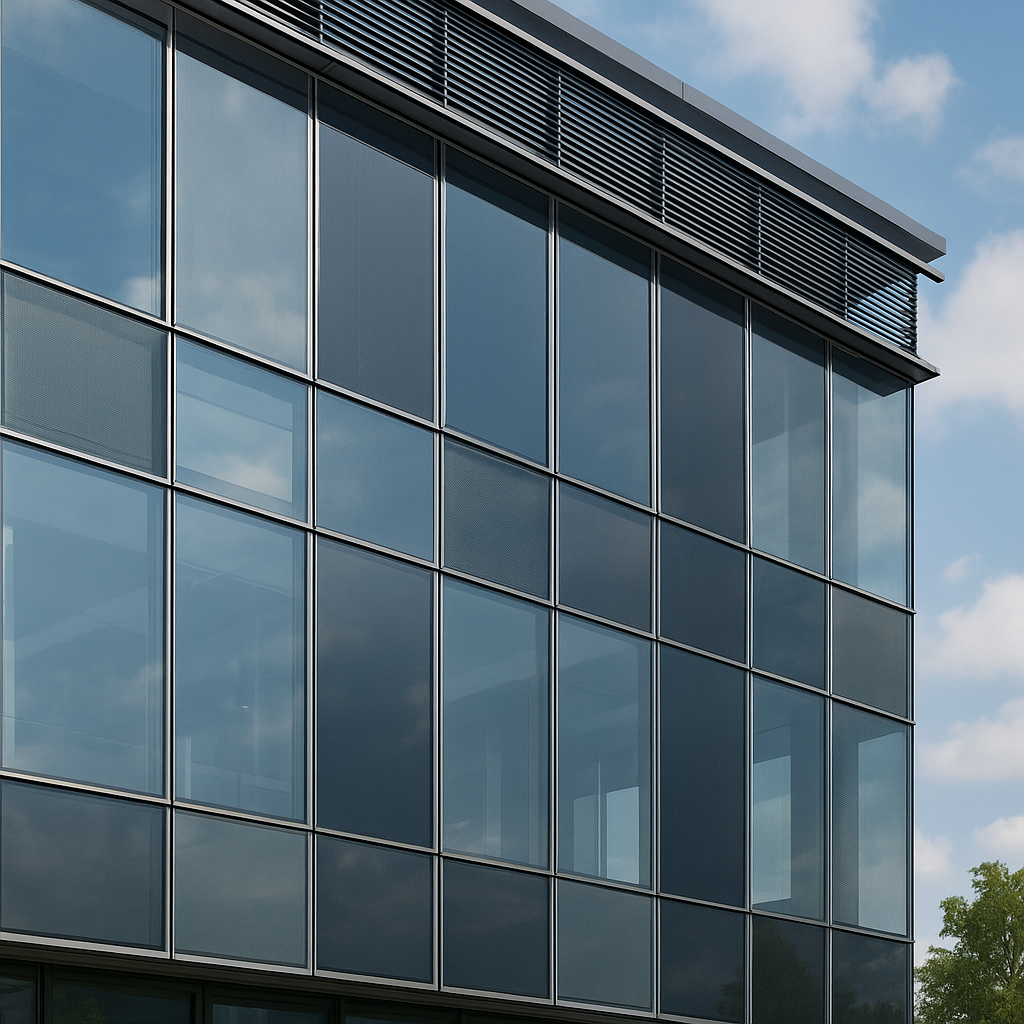
The concept of buildings that dynamically respond to their environment has transitioned from imaginative vision to tangible reality. Smart façades harness cutting-edge materials and embedded intelligence to create exteriors that breathe, adapt, and even heal. Their evolution represents a convergence of architecture, engineering, and digital innovation—each element working in harmony to redefine our relationship with the built environment. As populations densify and climate challenges intensify, these responsive skins hold the promise of enhancing occupant comfort, reducing energy consumption, and reshaping cityscapes into living, interactive entities.
Adaptive Materials and Technologies
The foundation of a truly responsive façade lies in adaptive materials that can modify their properties on demand. Shape-memory alloys, electrochromic glass, and smart polymers allow surfaces to alter reflectivity, porosity, and color in response to stimuli such as light, temperature, or moisture. Imagine a building that tints its windows automatically at midday to block glare, then returns to full transparency when the sun sets. Such dynamic control emerges from multilayered composite panels incorporating microfluidic channels, phase-change substances, and embedded actuators.
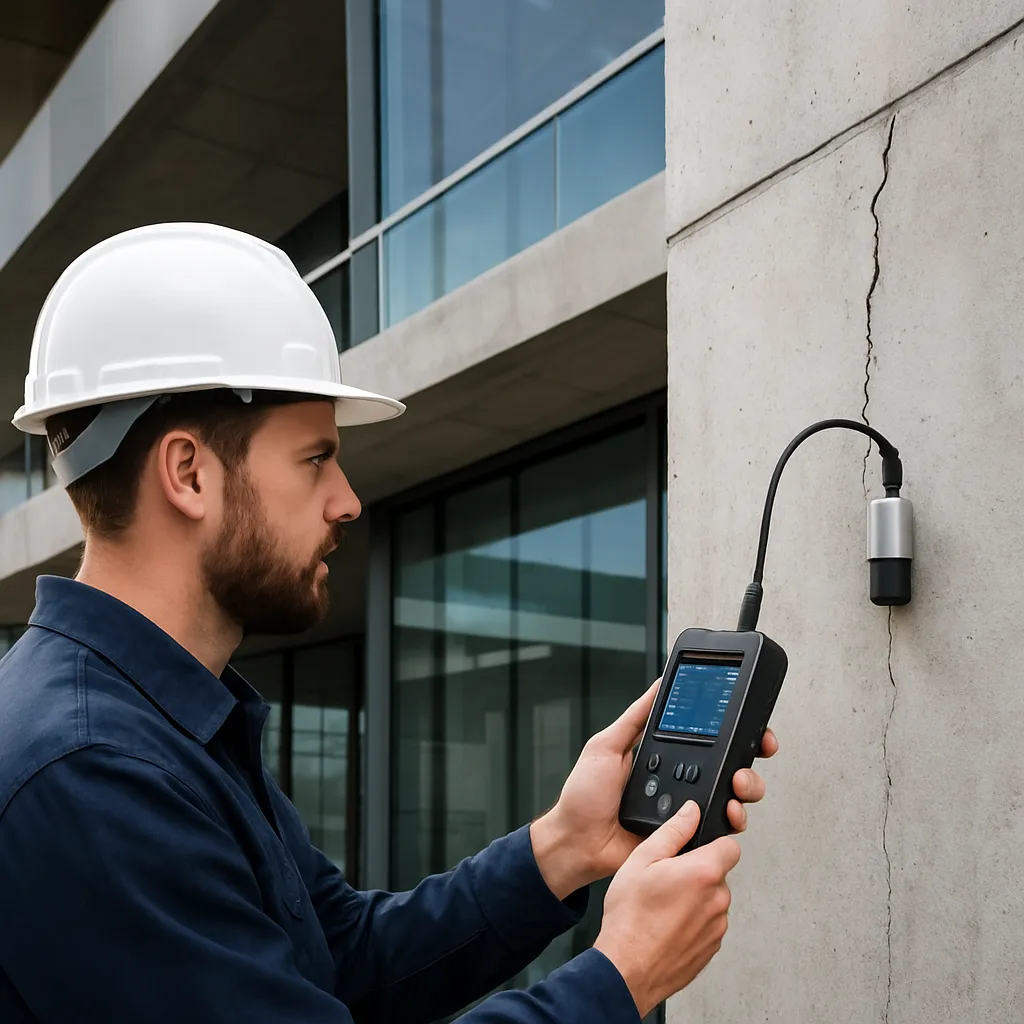
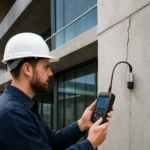
Advancements in nanotechnology have enabled coatings that repel pollutants, self-repair minor cracks, and even generate energy. Nano-scale sensors distributed across the façade monitor structural stress, air quality, and wind pressure, relaying real-time data to a central building management system. This networked intelligence, often referred to as IoT integration, allows predictive maintenance: small anomalies get flagged before they escalate into costly failures. The result is a resilient envelope that evolves with its environment and users’ needs.
Biomimetic principles draw inspiration from nature’s masterful solutions to environmental challenges. Just as certain desert plants open and close pores to conserve water, responsive façades can incorporate membranes that regulate airflow and humidity. Such biomimicry not only enhances thermal performance but also reduces reliance on mechanical HVAC systems. By learning from organisms that have thrived in extreme climates for millennia, architects and engineers craft envelopes that balance human comfort with ecological sensitivity.
Integration of active sensors and on-board processing paves the way for full automation of façade behavior. Motion detectors, ambient light sensors, and meteorological stations feed algorithms that orchestrate panels to slide, fold, or flex. In layered systems, inner louvers adjust for glare control while an outer mesh adapts for aerodynamic damping during storms. Through intelligent coordination, façades transform from static barriers into dynamic guardians of interior wellbeing.
Energy Efficiency and Sustainability
Responsive exteriors play a pivotal role in reducing a building’s carbon footprint. By optimizing solar gain in winter and minimizing heat infiltration in summer, smart façades lower energy demands for heating, cooling, and lighting. Photovoltaic-integrated modules harvest solar radiation at various angles, converting façades into vertical power generators. This photovoltaics synergy transforms mere surfaces into productive assets, contributing to net-zero or even net-positive energy performance.
Thermal energy storage embedded within wall cavities captures excess warmth and releases it when temperatures drop. Phase-change materials absorb latent heat during peak sun hours and discharge it overnight, smoothing out temperature fluctuations. Some façades employ fluid-based loops, circulating heated or chilled water according to real-time needs. These innovations foster a more balanced, efficient energy cycle, aligning with global priorities for renewable resource utilization and long-term sustainability.
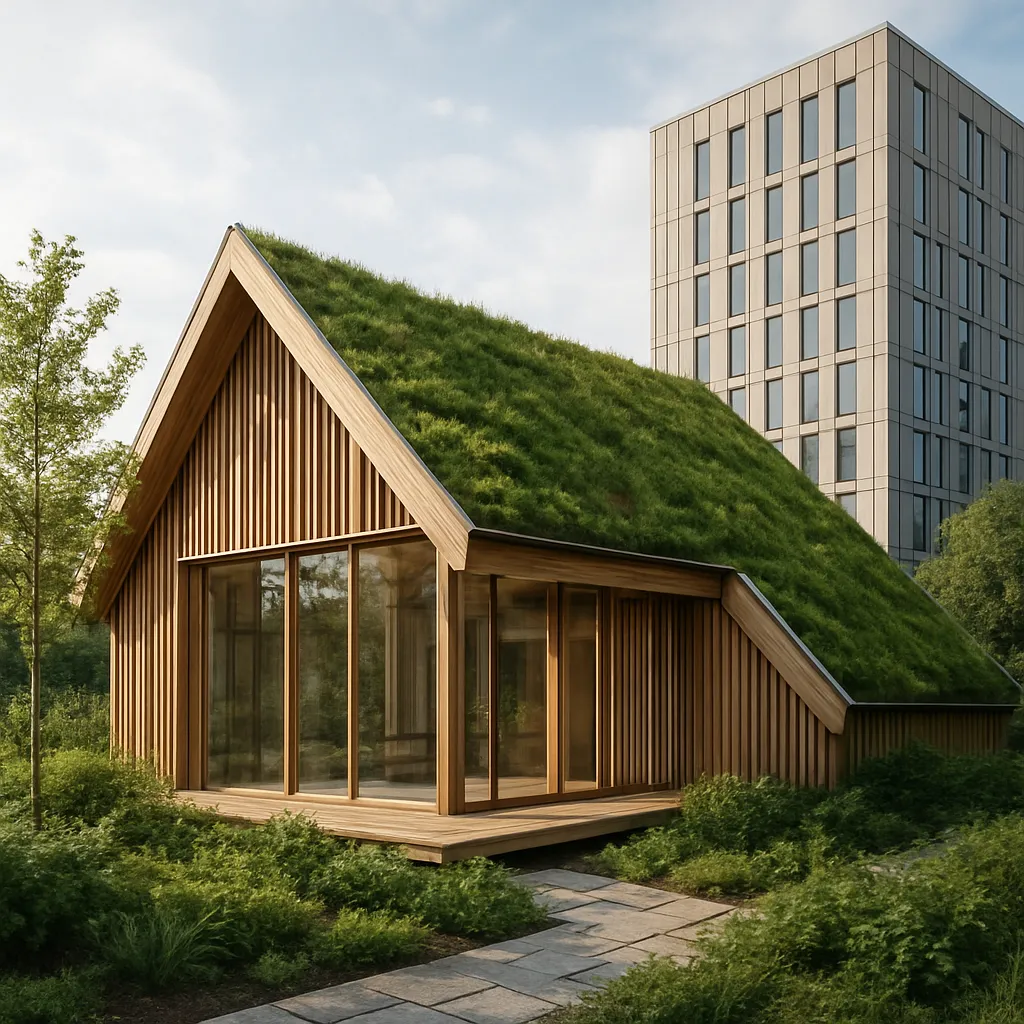
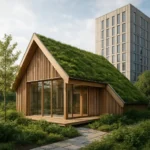
Rainwater harvesting and green façade systems further elevate the ecological credentials of responsive skins. Living walls, fed by smart irrigation lines, filter pollutants and provide natural insulation, while rooftop gardens reduce urban heat islands and support biodiversity. Sensors monitor soil moisture levels, triggering precise watering only when needed. This closed-loop approach conserves water, enhances air quality, and melds nature with the urban fabric in perfect harmony.
By embracing lifecycle thinking, architects can design façades for disassembly and material reuse. Modular panels detach easily, allowing upgrades and repairs without wasteful demolition. End-of-life recycling strategies recover metals, glass, and polymers, feeding them back into new construction cycles. This circular economy model embodies a holistic vision of architecture that respects finite resources and planetary boundaries.
Design Integration and Urban Impact
Smart façades do more than respond to environmental cues—they shape experiences and identities. Architects leverage parametrically designed patterns to orchestrate light and shadow, crafting façades that shift from opaque solidity to luminous lacework. Dynamic animations, programmed across arrays of LED-embedded panels, can display information, art, or branding, enlivening public spaces with interactive storytelling. Such façades redefine the boundary between building and citizen, inviting engagement and co-creation.
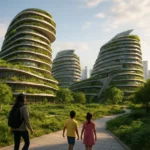
At the city scale, responsive buildings act as nodes in a wider network of data and energy exchange. Microgrids link façades’ photovoltaic outputs to neighborhood energy systems, while shared sensor networks monitor air quality, noise levels, and pedestrian flows. Local governments can tap into this real-time intelligence to optimize public transportation, emergency response, and urban planning. The symbiosis between individual structures and metropolitan infrastructure fosters a more resilient, data-informed metropolis.
Advances in climate-responsive design push boundaries beyond mere temperature control to address extreme weather, seismic events, and rising sea levels. Flood-adaptive façades incorporate buoyant components that lift the ground floor during inundation, then return it to normal position. Wind-sensing mechanisms adjust surface permeability, allowing high-altitude currents to pass through lattice panels without causing destructive uplift. By anticipating and adapting to nature’s forces, buildings gain an unprecedented level of risk mitigation and occupant protection.
Looking forward, the integration of self-healing materials promises façades capable of repairing minor damage autonomously. Polymers embedded with microcapsules release healing agents when cracks form, restoring integrity and preventing water ingress. Over time, this self-maintenance reduces operational costs and extends service life, aligning economic incentives with performance demands.
- Enhanced occupant comfort through dynamic shading
- Reduced operational costs via predictive maintenance
- Greater adaptability to shifting urban regulations
- Improved visual and social connectivity in communities
Smart façades are not mere technological curiosities but pivotal elements in the evolution of sustainable, human-centric cities. By uniting material science, digital intelligence, and visionary design, these responsive skins present a compelling blueprint for the future of architecture—one where our buildings become active participants in environmental stewardship and societal wellbeing.