



The confluence of **advanced energy management** and **cutting-edge urban planning** is forging a new paradigm where metropolitan landscapes operate with unprecedented **efficiency**, **flexibility**, and **intelligence**. Futuristic architects and engineers are leveraging smart grids to redefine the role of infrastructure, embedding energy flows into the very fabric of cityscapes. This exploration delves into the core technologies, design philosophies, and societal impacts that position smart grids as pivotal elements in tomorrow’s built environment.
Emerging Technologies Reshaping Urban Energy
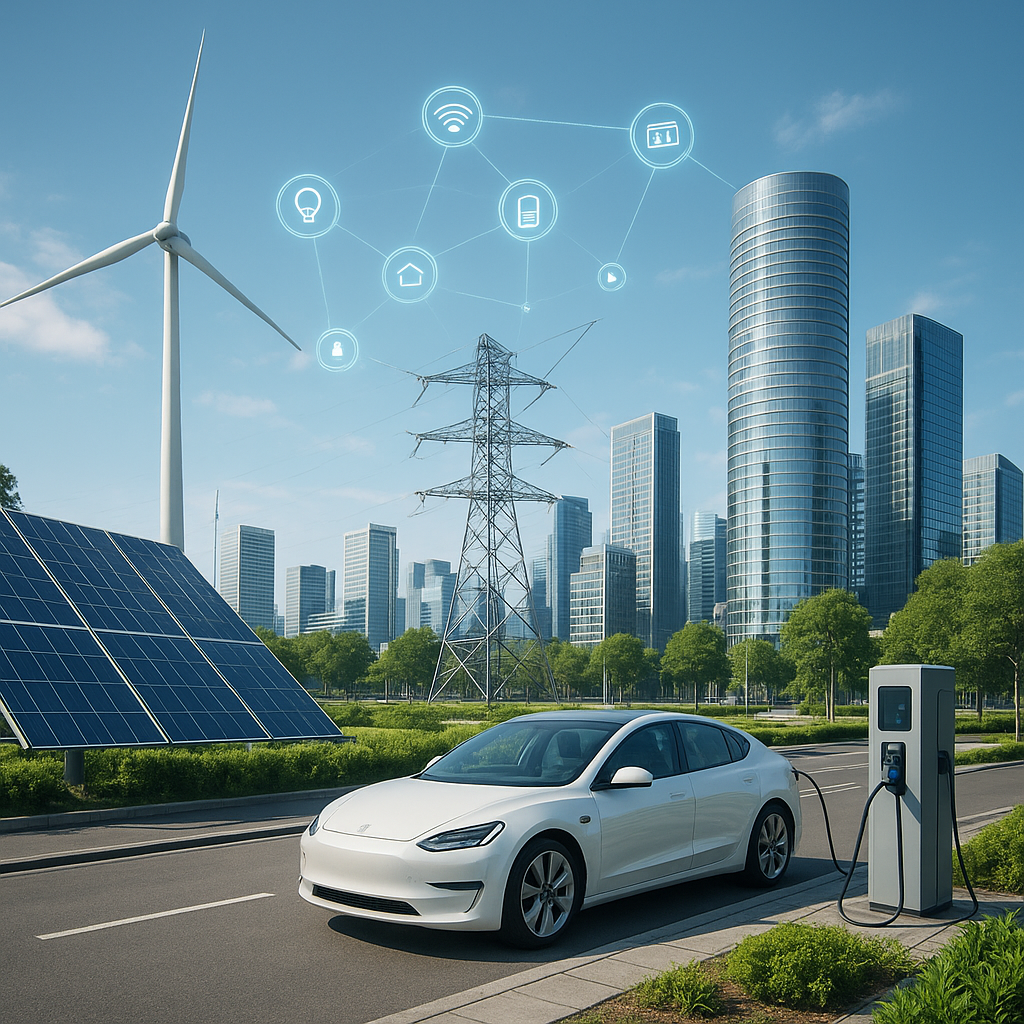
At the heart of modern urban design, next-generation power networks deploy a tapestry of sensors, data analytics, and distributed generation. These systems rely on optimization algorithms to balance supply and demand in real time, enabling cities to harness variable renewable sources such as solar photovoltaics on rooftops and wind turbines integrated into façade structures. The coupling of on-site generation with centralized control yields a highly responsive and resilient grid that adapts to fluctuations in load, weather patterns, and consumption trends.
Key components include:
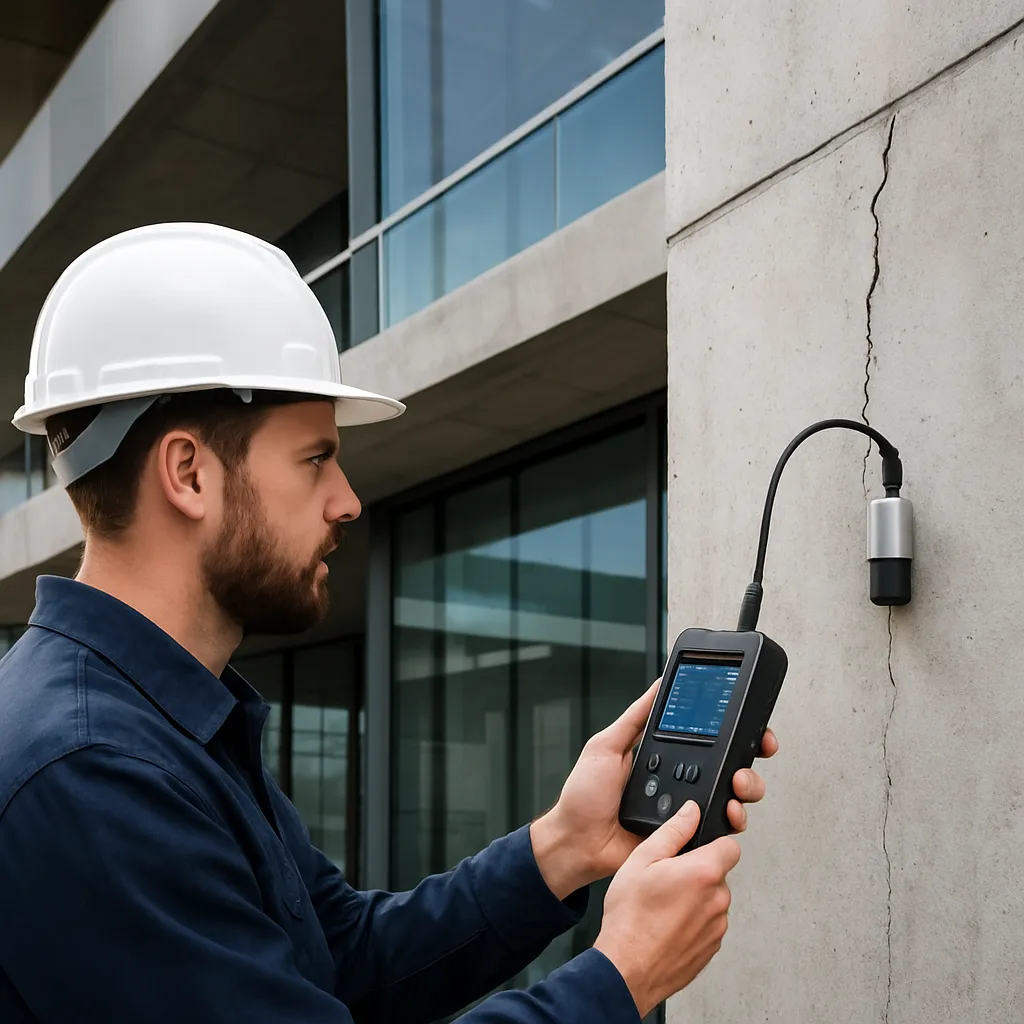
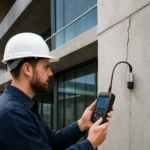
- Sensors and IoT devices embedded in power lines, transformers, and building management systems to monitor voltage, current, and environmental conditions.
- Edge computing nodes that process data locally, reducing latency for critical decision-making during grid disturbances.
- Artificial intelligence models that forecast energy generation and consumption with machine-learning precision, minimizing waste and curbing peak loads.
- Blockchain-based transaction ledgers for peer-to-peer energy trading, empowering communities to exchange surplus power within microgrids.
These technologies collectively usher in a shift from static, hierarchal distribution networks to dynamic, decentralized frameworks. Architects are responding by designing buildings with integrated energy hubs, featuring automation systems that coordinate with citywide platforms. The result is a symbiotic relationship between the built environment and its power grid, where each element communicates and collaborates to achieve optimal performance.
Designing Adaptive Network Architecture
Futuristic architects must consider the underlying architecture of energy systems as foundational to the form and function of new structures. Grid nodes become more than utility closets; they transform into architectural features that blend seamlessly with façades, rooflines, and public spaces. Modular energy pods—self-contained units housing batteries, inverters, and control logic—can be mounted externally on high-rise towers or embedded in landscape elements in park districts.
Strategic planning of these network topologies revolves around:
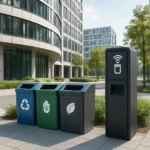
- Integration of charging stations for electric vehicles into street furniture and multi-use structures, creating a unified parking and energy solution.
- Adaptive corridors where underground conduits dynamically reroute power under congested districts, ensuring uninterrupted service during maintenance or upgrades.
- Vertical zoning of energy flows, aligning high-density residential and commercial floors with dedicated supply channels, reducing transmission losses over long distances.
- Multi-layered security protocols to protect critical infrastructure from cyberthreats, using encrypted communication channels and decentralized peer verification.
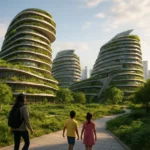
Architectural forms evolve to accommodate these network demands: surfaces optimized for embedded photovoltaic cells, walls that double as communication backbones, and windows that serve as interactive displays for real-time energy usage. By sculpting façades around energy nodes and conduits, designers create visible reflections of the grid’s connectivity, inviting residents to engage with the invisible processes that power their lives.
Urban Integration and Community Impact
Embedding sustainability into the urban fabric goes beyond technical deployment; it requires social adoption and behavioral shifts. Smart grids fuel localized microgrids in residential blocks, commercial districts, and even cultural landmarks. When citizens observe their district’s solar output or battery levels through neighborhood dashboards, they develop an intimate understanding of resource dynamics and participate in demand-response programs that reward off-peak consumption.
Community benefits include:
- Enhanced **energy democracy**, where local cooperatives manage shared assets and decide on investment priorities, fostering a sense of ownership.
- Improved **resilience** against natural disasters, as decentralized grids island themselves to maintain power during wider network failures.
- Lower **operational costs** for municipalities by leveraging real-time analytics to optimize street lighting, climate control in public buildings, and water treatment facilities.
- Promotion of **equity** through tiered pricing models powered by AI, ensuring that low-income neighborhoods gain affordable access to clean energy.
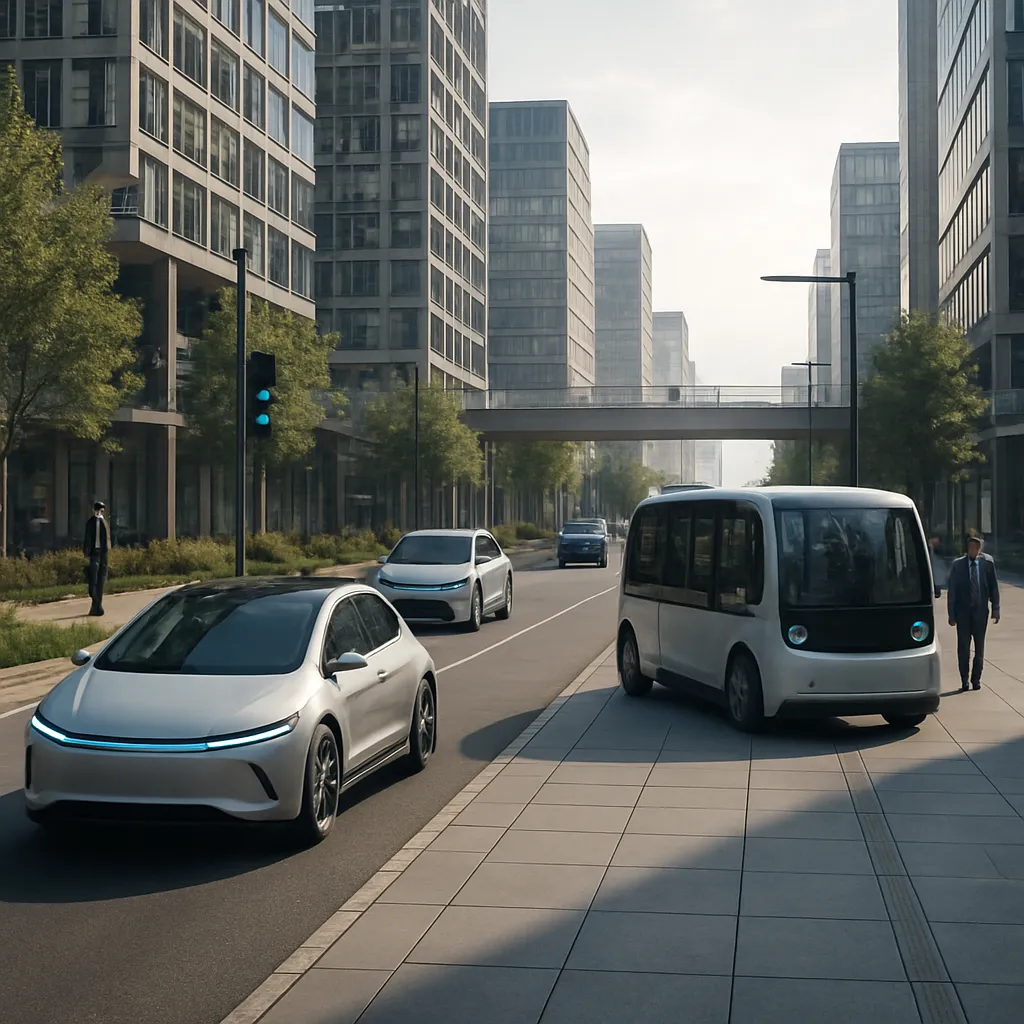
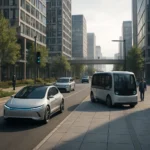
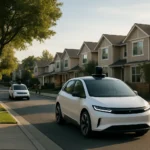
Urban planners incorporate urban mobility nodes where e-buses and autonomous shuttles recharge seamlessly at stops powered by built-in energy storage. Parks double as buffer zones for stormwater retention and rooftop community gardens yield biomass for local bioenergy systems. These cross-sectoral initiatives illustrate how smart grids act as the connective tissue linking transportation, water management, and waste recycling into a coherent, integrated ecosystem.
Prospects for Tomorrow’s Cities
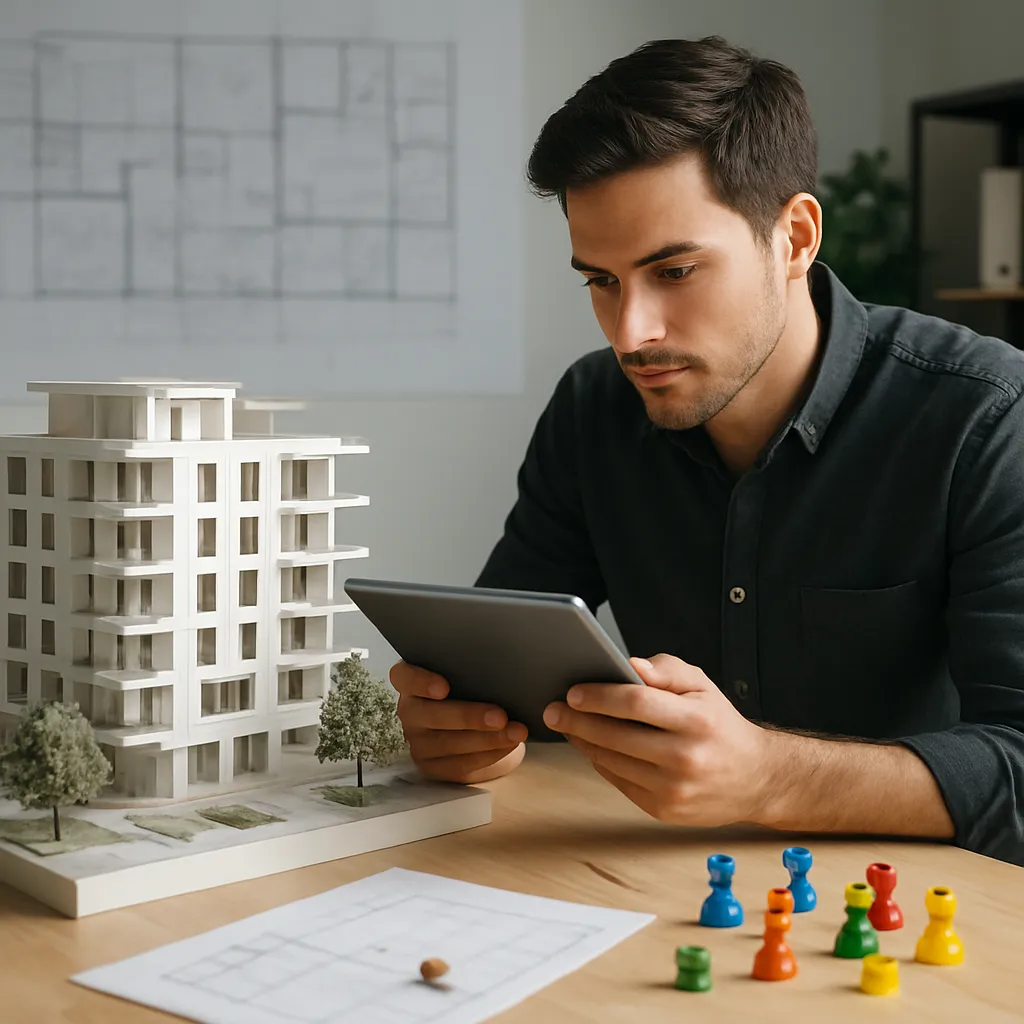
Looking ahead, the interplay of AI and human-centric design will drive continuous refinement of both physical and virtual infrastructures. Digital twins of entire city districts will simulate grid expansions, identify bottlenecks, and recommend architectural adaptations before ground is broken. 5G and future 6G networks will enable instantaneous coordination across every device and structure, converting ordinary surfaces into interactive nodes that sense usage patterns, environmental conditions, and security threats.
Architectural innovation will explore:
- Meta-materials that self-heal and reconfigure to optimize electromagnetic transmission, improving grid efficiency without manual intervention.
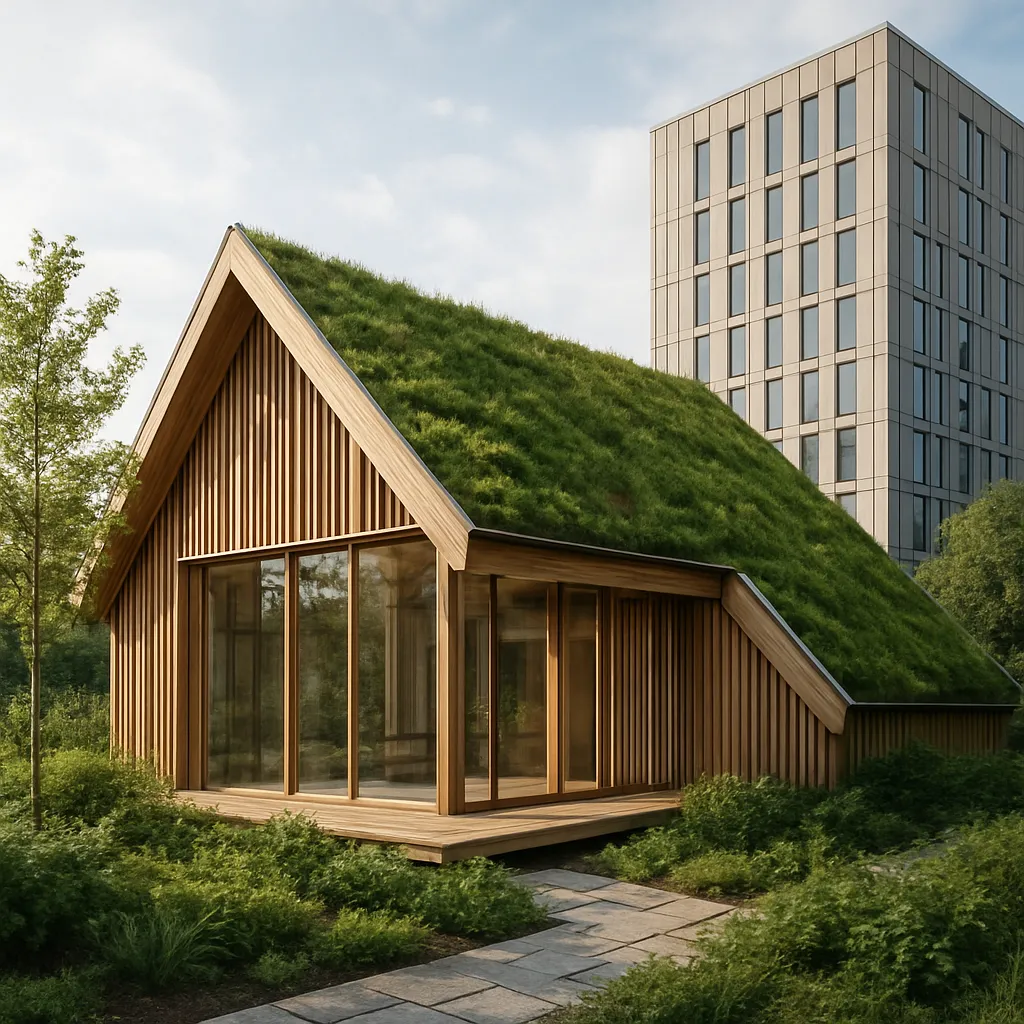
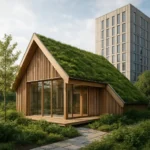
- Biophilic interfaces where living walls and green roofs contribute to energy generation, climate control, and air purification in a single multi-functional layer.
- Augmented reality overlays that guide maintenance crews through subterranean conduits and aerial drone inspections, streamlining operations in complex megastructures.
- Cross-disciplinary collaborations between artists, engineers, and policymakers to embed cultural narratives into energy nodes, making every substation a landmark of collective identity.
As the boundaries between connectivity, architecture, and urban life blur, smart grids will continue to catalyze unprecedented synergies. The cities of tomorrow will no longer regard energy as a static resource but as a living, adaptable medium woven into every surface, corridor, and public square.