






The exploration of smart materials in architecture marks a turning point where buildings transcend static forms to become living, breathing systems. From facades that adapt to sunlight to concretes that repair their own cracks, the integration of novel substances and technologies heralds an era of unparalleled innovation. As urban centers expand and ecological concerns intensify, the quest for sustainability, efficiency, and resilience guides architects, engineers, and material scientists toward a shared vision: structures capable of responding dynamically to their surroundings. This article delves into cutting-edge developments, design principles, and the hurdles still to be overcome as we shape the built environment of tomorrow.
Material Science and Technological Breakthroughs
Advances in nanotechnology and biotechnology enable the creation of composites and smart polymers that exhibit remarkable properties. They pave the way for buildings that monitor their own health, adjust to environmental changes, and even harness energy. Below are several notable innovations.
Self-Healing Concrete
Traditional concrete cracks under stress and requires manual repair. By embedding microcapsules of healing agents—such as bacteria that precipitate calcium carbonate or polymer resins that polymerize upon crack formation—this new-generation concrete can seal fissures autonomously. The process improves resilience, reduces maintenance costs, and extends service life. Construction projects incorporating self-healing formulations have reported up to a 50% reduction in long-term repair interventions.
Adaptive Glass Facades
Innovations in electrochromic and thermochromic glazing allow windows to modulate their transparency and thermal properties in real time. Powered by embedded sensors and controlled via building management systems, these dynamic facades can:
- Darken to minimize glare and solar heat gain during hot hours.
- Become transparent to maximize daylight and passive heating during colder seasons.
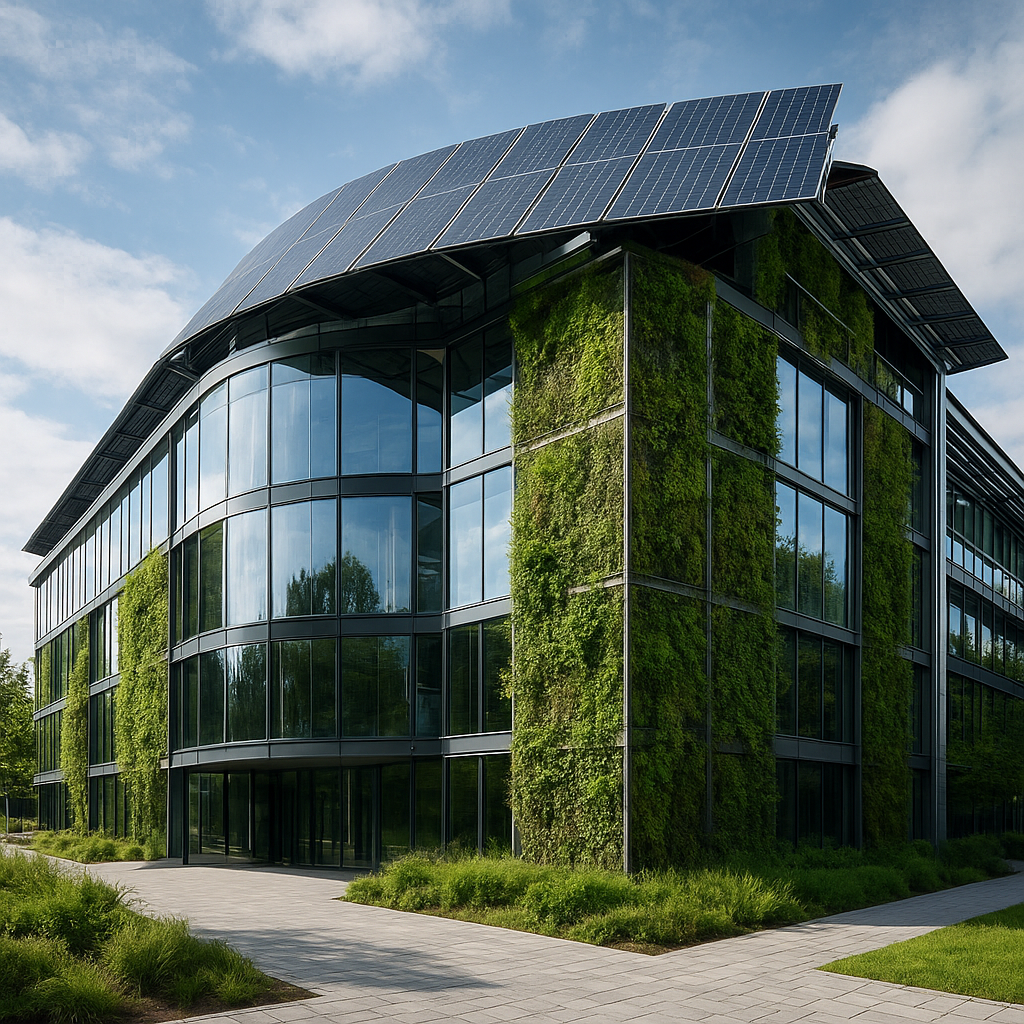
- Harvest electricity using solar photovoltaic coatings.
Architects harness these capabilities to optimize occupant comfort and slash energy consumption.
Phase Change Materials for Thermal Regulation
Phase change materials (PCMs) store or release latent heat as they transition between solid and liquid states. Integrated into wall panels or ceiling tiles, they absorb excess heat during peak temperatures and release it when temperatures drop. This inherent energy buffering reduces HVAC loads and smooths indoor temperature swings. Research into bio-based PCMs—derived from fatty acids and bio-waxes—further enhances sustainability by leveraging renewable feedstocks.
Designing Responsive Environments
Smart materials alone cannot fulfill their promise without complementary design strategies. A holistic approach relies on data-driven systems, machine learning algorithms, and user-centered interfaces to orchestrate building behavior.
Sensor Networks and Real-Time Monitoring
Embedding networks of microelectromechanical sensors throughout a structure creates a digital nervous system. These sensors track parameters such as humidity, pressure, structural strain, and air quality. Data streams feed into an AI-driven platform that identifies anomalies, predicts maintenance needs, and adapts environmental controls. By catching potential issues early, this approach boosts resilience and occupant safety.
AI-Driven Adaptive Facades
Combining smart glazing with machine learning enables facades that learn from weather patterns, occupancy levels, and energy demand. Algorithms adjust shading louvers, glazing tint, and ventilation flaps to achieve real-time efficiency. Some advanced systems even anticipate changes based on meteorological forecasts, ensuring optimal thermal performance with minimal human intervention.
Interactive Interiors and Occupant Feedback
The next frontier emphasizes the human-machine interface. Interactive surfaces—such as walls embedded with pressure-sensitive polymers—respond to touch by altering shape, texture, or symbol display. Voice-activated panels and mobile apps allow occupants to customize lighting, acoustics, and privacy settings. By merging integration of people and place, architects create environments that enhance well-being and productivity.
Sustainability and Energy Efficiency
With buildings responsible for a significant share of global energy use and carbon emissions, smart materials offer pathways to net-zero or even net-positive performance. Strategies combine passive design with active systems, leveraging materials that harness natural cycles.
Solar Harvesting Surfaces
Photovoltaic coatings embedded within facade panels or roofing membranes convert sunlight into electricity without bulky solar modules. Perovskite solar cells, valued for their lightweight and flexible form factor, can integrate directly onto curved surfaces. When paired with energy-storage composites, these surfaces contribute to microgrid stability and reduce reliance on external power sources.
Green Roofs with Living Bio-Filtration
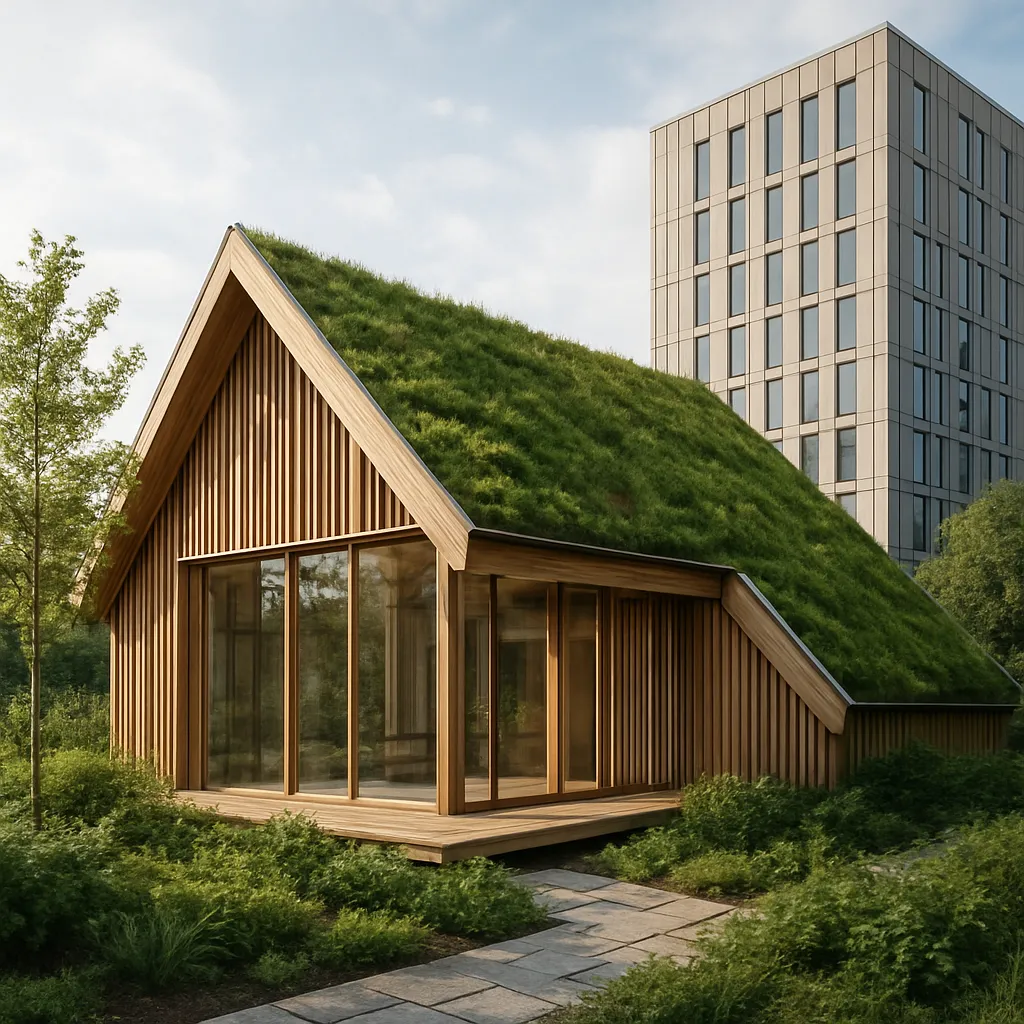
Innovations in hydroponic substrates and drought-resistant plant species yield green roofs capable of water purification and biodiversity support. Smart irrigation systems utilize adaptive sensors to maintain optimal moisture, minimizing water waste. Combined with PCM-infused soil layers, these living systems improve thermal regulation and sequester carbon dioxide, advancing urban sustainability goals.
Biomimicry and Material Recycling
Inspired by natural systems, architects adopt biomimetic materials—such as self-ventilating termite-mound structures or lotus-leaf-inspired water-repellent coatings. Closed-loop recycling processes transform construction waste into reusable aggregates or feedstock for 3D-printed components. This cradle-to-cradle ethos reduces landfill burden and aligns with circular economy principles.
Future Prospects and Challenges
Although the promise of futuristic architecture is compelling, widespread adoption faces hurdles in cost, regulation, and interdisciplinary collaboration.
Scalability and Cost Constraints
Many smart materials remain expensive due to specialized manufacturing methods and limited production volumes. Economies of scale will emerge only as demand increases and supply chains mature. Pilot projects and governmental incentives can accelerate this transition by demonstrating long-term savings and lifecycle benefits.
Regulatory Standards and Certification
Building codes and material standards often lag behind technological advances. To ensure safety and performance, regulatory bodies must develop new testing protocols for self-healing, dynamic facades, and bio-based composites. Collaboration between academia, industry, and policymakers is crucial to crafting guidelines that foster innovation while protecting occupants.
Interdisciplinary Collaboration
Futuristic architecture thrives at the intersection of material science, data analytics, and design. Establishing integrated project teams—combining architects, engineers, computer scientists, and biologists—facilitates holistic solutions. Industry forums, collaborative research centers, and shared digital platforms enable knowledge exchange and accelerate progress.
Ethical and Social Implications
The rise of responsive environments raises questions about privacy, data security, and equitable access. Designers must embed ethical frameworks to govern sensor usage, ensure transparency in data collection, and prevent technology disparities across communities. By aligning smart architecture with social responsibility, we can create inclusive spaces that enhance quality of life.