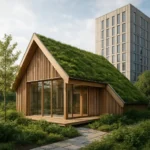

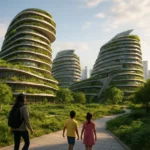


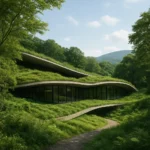


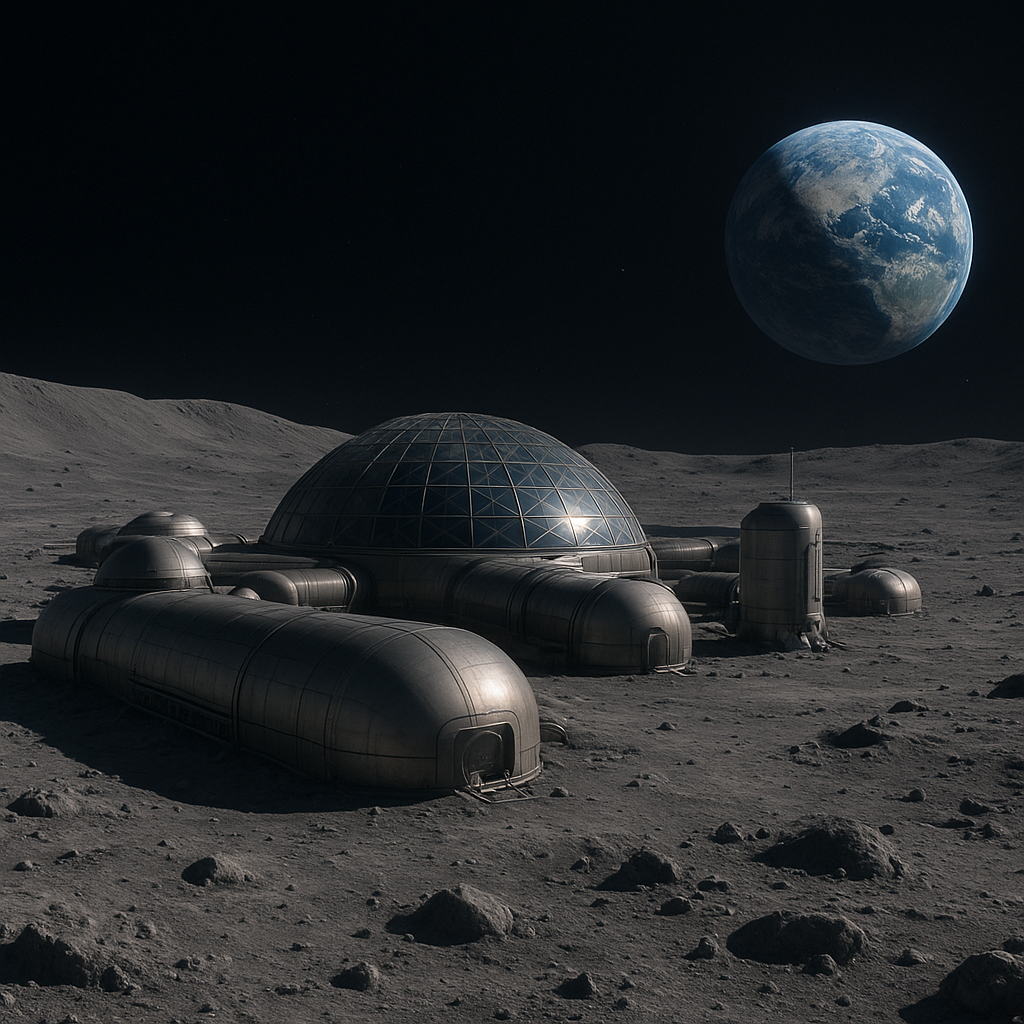
The allure of cosmic colonies and orbital cities challenges architects to transcend Earth-bound conventions. This article delves into the realm of futuristic architecture, examining how visionary design meets scientific rigor to forge habitats beyond our planet. From floating stations circling Earth to underground bases on Mars, each project demands radical adaptation to hostile environments while preserving human comfort and functionality.
Vision of Extraterrestrial Habitats
In reimagining living quarters in space, architects marry innovation with pragmatism. Early concepts envisioned gigantic spinning wheels or inflatable modules tethered to a central hub. Today, proposals range from 3D-printed lunar villages to asteroid mining bases. Key drivers include:
- Microgravity Adaptation – Designing structures that operate in low or zero-gravity conditions, ensuring safety and orientation.
- Modularity – Prefabricated units assembled in orbit or on-site, offering scalability and rapid deployment.
- Life-Support Integration – Seamless incorporation of air, water recycling, and waste management systems within structural elements.
Architects envision orbital rings housing agricultural zones, laboratories, and recreational spaces. These orbital rings rely on centripetal force to simulate gravity, alleviating muscle atrophy and bone density loss. Meanwhile, underground lava tubes on the Moon or Mars serve as natural shelters, protecting inhabitants from radiation and temperature extremes. Designing entrances, corridors, and communal areas within these cavities demands precise mapping and stabilization strategies.
Engineering Challenges and Breakthroughs
Building in the void of space or barren landscapes requires overcoming immense technical hurdles. Vacuum conditions, cosmic radiation, and thermal cycling stress materials beyond typical limits. To confront these challenges, multidisciplinary teams integrate architecture, aerospace engineering, and materials science in unprecedented ways.
Structural Integrity in Harsh Environments
Structures must endure micrometeoroid impacts, solar flares, and extreme temperature swings. Innovations include:
- Layered Shielding – Combining regolith-based barriers with metal meshes to dissipate energy from high-velocity particles.
- Shape-Memory Alloys – Employing metals that adjust shape in response to temperature changes, maintaining tight seals and structural geometries.
- Inflatable Frameworks – Lightweight, packable membranes reinforced by internal pressure, providing rapid expansion and airtight environments.
Robotic Construction and Autonomy
Given the prohibitive cost of transporting large crews, robotics takes center stage. Autonomous drones and ground rovers perform excavation, assembly, and maintenance.
- Robotics Deployment – Swarms of robotic units collaborate to lay foundations, erect walls, and install life-support conduits.
- Teleoperation Interfaces – Designers craft intuitive control systems enabling Earth-based operators to supervise local robots with minimal latency.
- Adaptive AI – Machine-learning algorithms optimize construction sequences, predict material fatigue, and adjust to unforeseen geologic features.
Materials and Sustainable Systems
To achieve self-sufficiency, space colonies must rely on in-situ resources. Utilizing local materials reduces launch mass and fosters circular economies.
In-Situ Resource Utilization (ISRU)
Processing lunar regolith or Martian soil yields essential construction ingredients. Technologies include:
- Sintering Ovens – Concentrated solar mirrors heat regolith to near-melting, creating solid bricks without binders.
- Biomaterial Cultivation – Engineered microorganisms produce biopolymers and cement-like substances from local minerals and waste products.
- Electrochemical Extraction – Harvesting oxygen and metals from regolith via molten salt electrolysis, providing breathable air and structural alloys.
Life-Support and Closed-Loop Ecology
Maintaining a healthy biosphere within sealed habitats demands advanced recycling systems. Key components include:
- Photobioreactors – Cultivating algae for oxygen generation and carbon dioxide absorption, doubling as nutrient sources.
- Greywater Reclamation – Advanced filtration turning shower and laundry water into potable supply.
- Urban Farming Modules – Vertical hydroponic or aeroponic farms optimized for maximum yield with minimal power consumption.
Designers incorporate green corridors and communal gardens, fostering psychological well-being and a sense of connection to living systems. This emphasis on sustainability and closed-loop ecology transforms sterile metal chambers into vibrant ecosystems.
Human-Centered Design in Space
Beyond technical viability, habitats must cater to human needs—physical, social, and psychological. Architects analyze spatial organization, lighting, and acoustics to replicate familiar environments.
Ergonomics and Spatial Psychology
Confined quarters and limited privacy pose significant mental health risks. Strategies to mitigate these challenges include:
- Flexible Partitioning – Adaptability in living spaces allowing crew members to reconfigure layouts for solitude or collaboration.
- Biophilic Design – Integrating natural patterns, colors, and plant life to soothe stress and enhance cognition.
- Dynamic Lighting – Tunable LED systems simulating Earth’s circadian rhythms, supporting sleep cycles and mood regulation.
Cultural and Social Architecture
Long-term missions require fostering community, creativity, and cultural expression. Architects propose:
- Modular Gathering Hubs – Central plazas where inhabitants exchange ideas, celebrate milestones, or hold ceremonies.
- Artistic Integration – Spaces for music, painting, and virtual reality experiences, sustaining emotional resilience.
- Communication Nodes – High-bandwidth interfaces linking off-world colonies with Earth, preserving familial and cultural bonds.
As humanity contemplates settling the Moon, Mars, and beyond, the intersection of architecture and aerospace engineering heralds a new era. Through interplanetary collaboration, architects and engineers expand our collective possibilities, crafting habitats that are not just functional but also inspiring. This evolving field promises to redefine notions of home, community, and civilization itself.