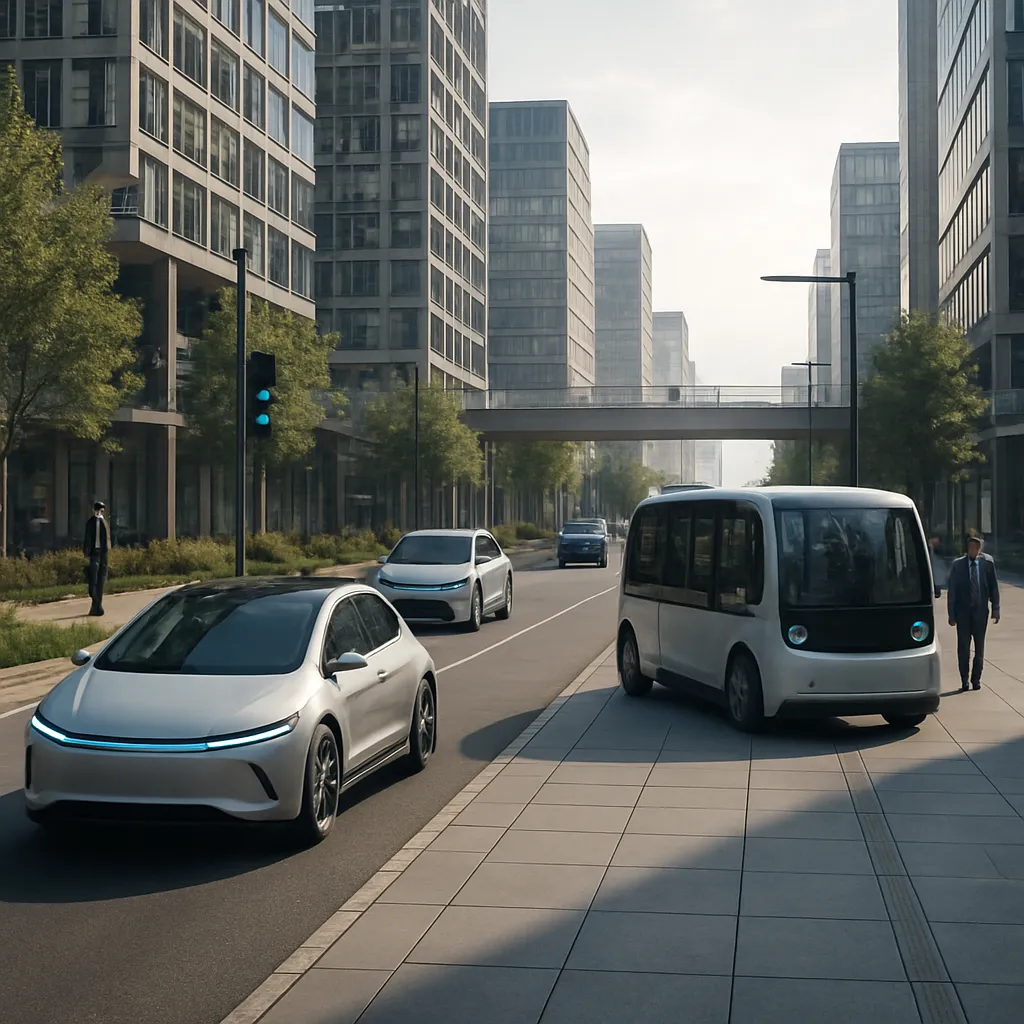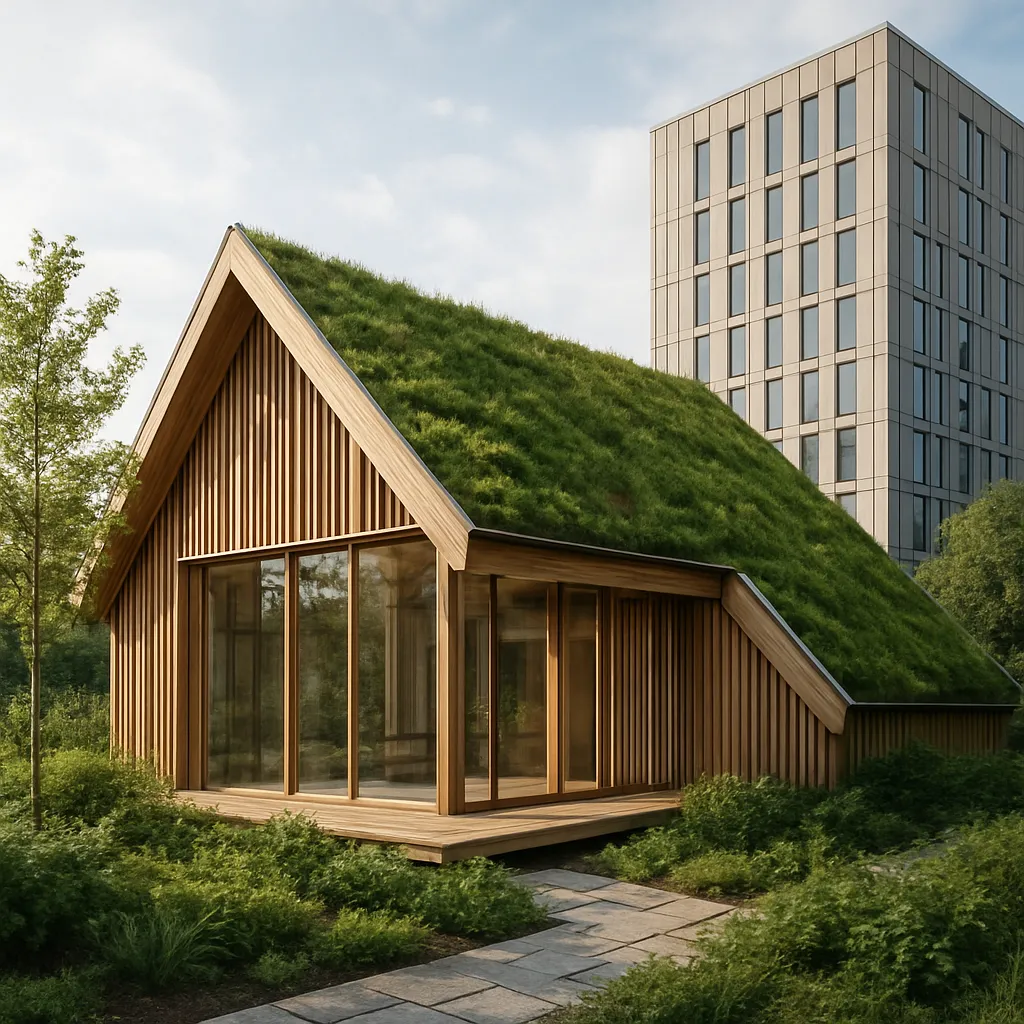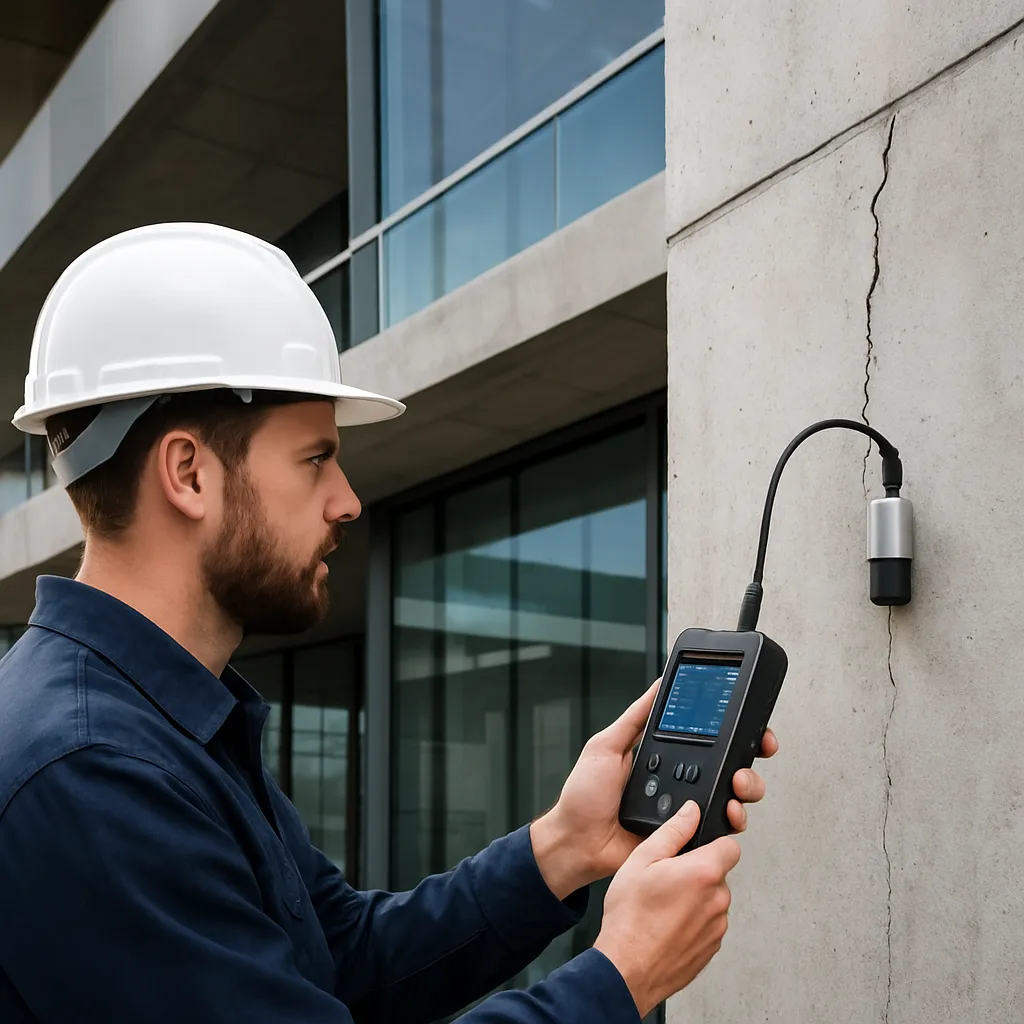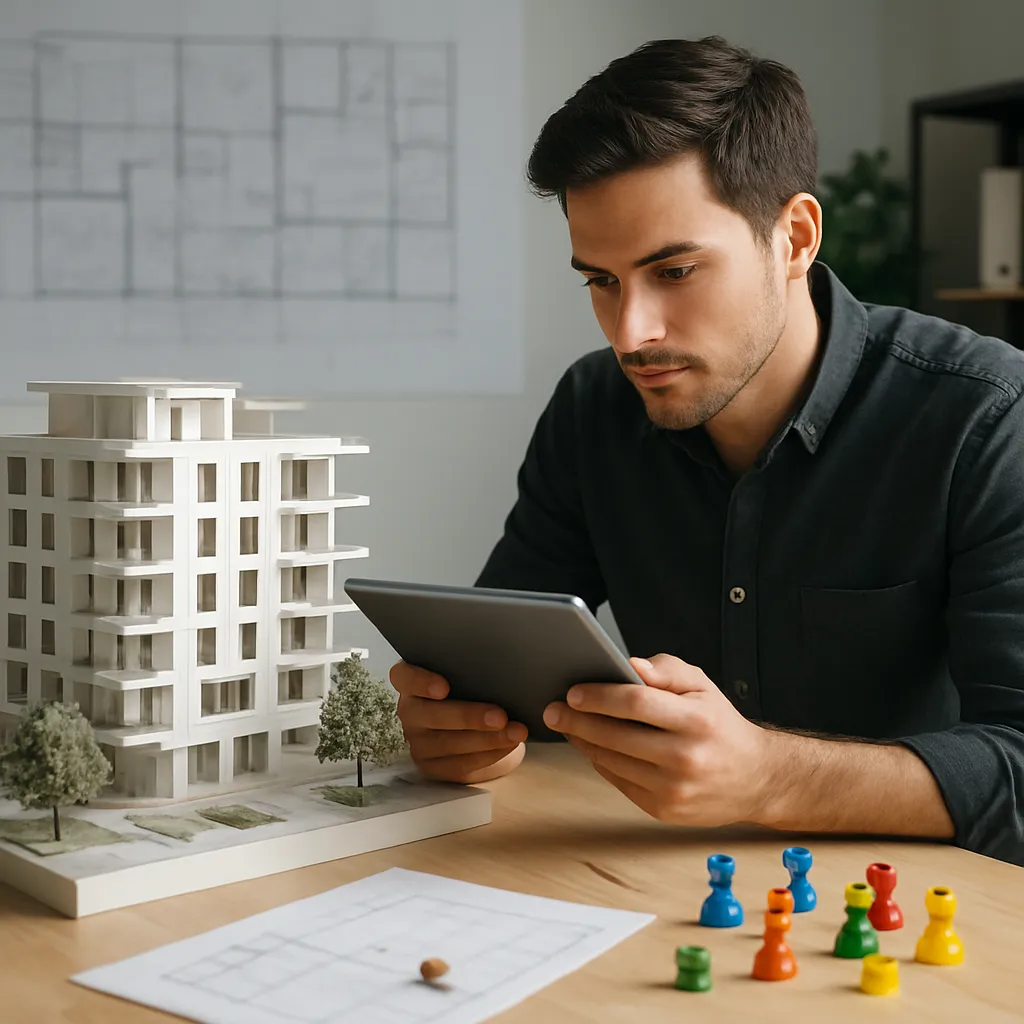
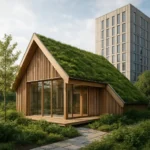


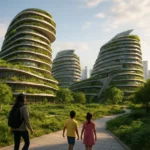





The evolution of medical environments transcends mere construction; it embodies a holistic approach that fosters healing, community engagement, and **innovation**. Architects and healthcare professionals are collaborating to redefine the very fabric of hospitals and clinics, embracing **biophilic** principles, **sustainability**, and cutting-edge **technology**. This article explores how visionary design strategies are shaping the next generation of healthcare facilities, where form and function converge to prioritize **well-being**, efficiency, and **resilience**.
Architectural Principles for Healing Spaces
Efforts to create therapeutic environments have led to a reexamination of traditional layouts. Gone are the rigid corridors and windowless treatment rooms; in their place emerge open, light-filled spaces that encourage movement and social interaction. Central to this shift is the concept of holistic design, which addresses physical, mental, and emotional needs simultaneously.
Natural Elements and Biophilic Design
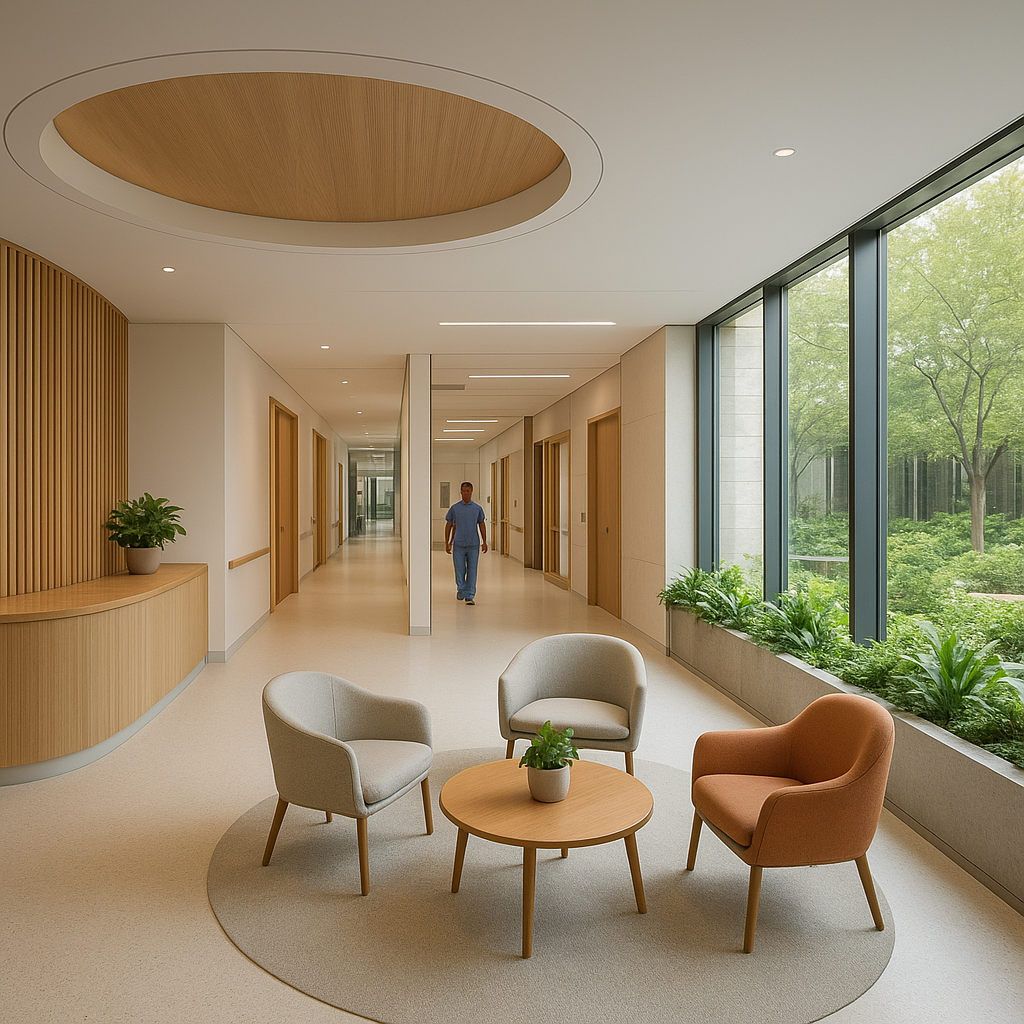
Integrating nature within healthcare buildings offers numerous benefits, such as reduced stress levels, faster recovery times, and improved patient satisfaction. These **biophilic** strategies include:
- Green corridors: Indoor gardens and living walls that purify air and provide visual relief.
- Daylight optimization: Strategic placement of windows, skylights, and light wells.
- Water features: Fountains or reflecting pools to promote calm and mask ambient noise.
- Natural materials: Use of wood, stone, and organic textiles that evoke warmth.
Such elements foster a connection with the outside world, offering patients and staff a restorative environment that transcends clinical austerity.
Smart Technologies and Integrated Systems
The rapid advancement of digital tools has ushered in a new era of **smart** healthcare facilities. Buildings are no longer static structures; they act as responsive ecosystems, constantly adapting to user needs, environmental conditions, and operational demands.
IoT and Building Management
Internet of Things (IoT) sensors embedded throughout the facility monitor variables such as temperature, air quality, and occupancy. Data analytics drive real-time adjustments in HVAC, lighting, and security systems, ensuring optimal comfort and energy use. Benefits include:
- Adaptive climate control: Personalized thermal settings in patient rooms.
- Predictive maintenance: Proactive equipment servicing reduces downtime.
- Enhanced safety: Automated alerts for airborne contaminants or leaks.
Telemedicine and Virtual Care
Physical design evolves alongside virtual health platforms. Dedicated telemedicine suites with high-definition video walls and immersive audio systems allow specialists to consult remotely. These spaces feature:
- Flexible layouts: Convertible partitions to accommodate single consultations or group therapy.
- Hygienic finishes: Antimicrobial surfaces for shared equipment.
- Integrated diagnostics: On-site labs linked to remote experts via cloud networks.
Such integrations promote continuity of care, enabling chronic disease management, mental health support, and specialist outreach without the need for extensive travel.
Modularity, Flexibility, and Adaptability
Preparing for uncertain futures—whether driven by demographic shifts, pandemics, or climate change—demands **adaptability**. Modular architecture offers rapid deployment and reconfiguration, with prefabricated units that can be assembled or repurposed swiftly.
Prefabricated Healthcare Modules
Off-site manufacturing of ward pods, operating theaters, and diagnostic suites accelerates construction timelines and mitigates on-site disruptions. Key features include:
- Plug-and-play infrastructure: Standardized mechanical and electrical connections.
- Stackable configurations: Vertical expansion to maximize urban footprints.
- Interchangeable modules: Reusable components for temporary clinics or emergency response.
Flexible Floor Plans
Spaces designed with movable walls, sliding partitions, and multi-purpose furniture enable instant reallocation of square footage. This flexibility supports:
- Surge capacity: Converting libraries or cafeterias into patient wards during crises.
- Mixed-use zones: Combining rehabilitation gyms, waiting lounges, and research labs.
- Futureproofing: Evolving programmatic needs without extensive renovations.
Sustainability and Environmental Responsibility
Healthcare operations are resource-intensive, consuming vast amounts of energy, water, and materials. Sustainable design practices aim to reduce the sector’s ecological footprint, aligning patient health with planetary **sustainability**.
Energy-Efficient Strategies
Optimizing building performance through passive design can lower energy demands by up to 50%. Strategies include:
- Solar orientation: Maximizing southern exposures in temperate zones.
- High-performance envelopes: Insulated walls and triple-glazed windows.
- On-site renewable energy: Photovoltaic panels and geothermal systems.
Water Conservation and Waste Reduction
Advanced rainwater harvesting, greywater recycling, and low-flow fixtures minimize water usage. Meanwhile, waste segregation and on-site composting promote a **circular** approach to materials management. Hospitals can transform from waste generators into resource stewards.
Patient-Centered Environments and Community Integration
Urban healthcare facilities serve as vital community anchors. Designing for inclusivity and social engagement ensures that clinics and hospitals become accessible, welcoming hubs where healing extends beyond individual patients to encompass families and neighborhoods.
- Wayfinding clarity: Color-coded corridors, intuitive signage, and digital kiosks for navigation assistance.
- Family zones: Play areas, private consultation nooks, and support group rooms.
- Community amenities: Cafés, fitness centers, and green plazas open to the public.
By weaving healthcare architecture into the urban fabric, designers foster a sense of belonging and collective **well-being**, reinforcing the notion that health is a shared endeavor.
Emerging Technologies and Future Prospects
The horizon of healthcare design brims with transformative prospects. From nanotechnology-enabled materials to AI-driven spatial optimization, the built environment is poised to become increasingly intelligent and personalized.
Robotics and Automation
Autonomous robots handle routine tasks such as medication delivery, sanitation, and supply management. This automation reduces human error, frees clinical staff for direct patient care, and enhances operational **efficiency**.
Augmented and Virtual Reality
AR and VR applications support preoperative planning, staff training, and patient education. Interactive overlays can guide surgeons during complex procedures or offer virtual relaxation experiences for anxious patients, bridging the gap between physical and digital realms.
AI-Optimized Design
Machine learning algorithms analyze occupancy patterns, infection data, and patient outcomes to refine spatial configurations. Adaptive layouts can evolve in response to emerging health trends, ensuring that facilities remain at the forefront of medical practice.
Conclusion
The convergence of architectural ingenuity, advanced **technology**, and sustainable practices heralds a new epoch in healthcare facility design. Emphasizing **integration** across disciplines, future hospitals will function as living systems—flexible, responsive, and inherently **resilient**. As the lines between physical and digital blur, the true potential of healthcare architecture will lie in its capacity to heal both individuals and the environment, crafting spaces that nurture the human spirit and safeguard collective health.