



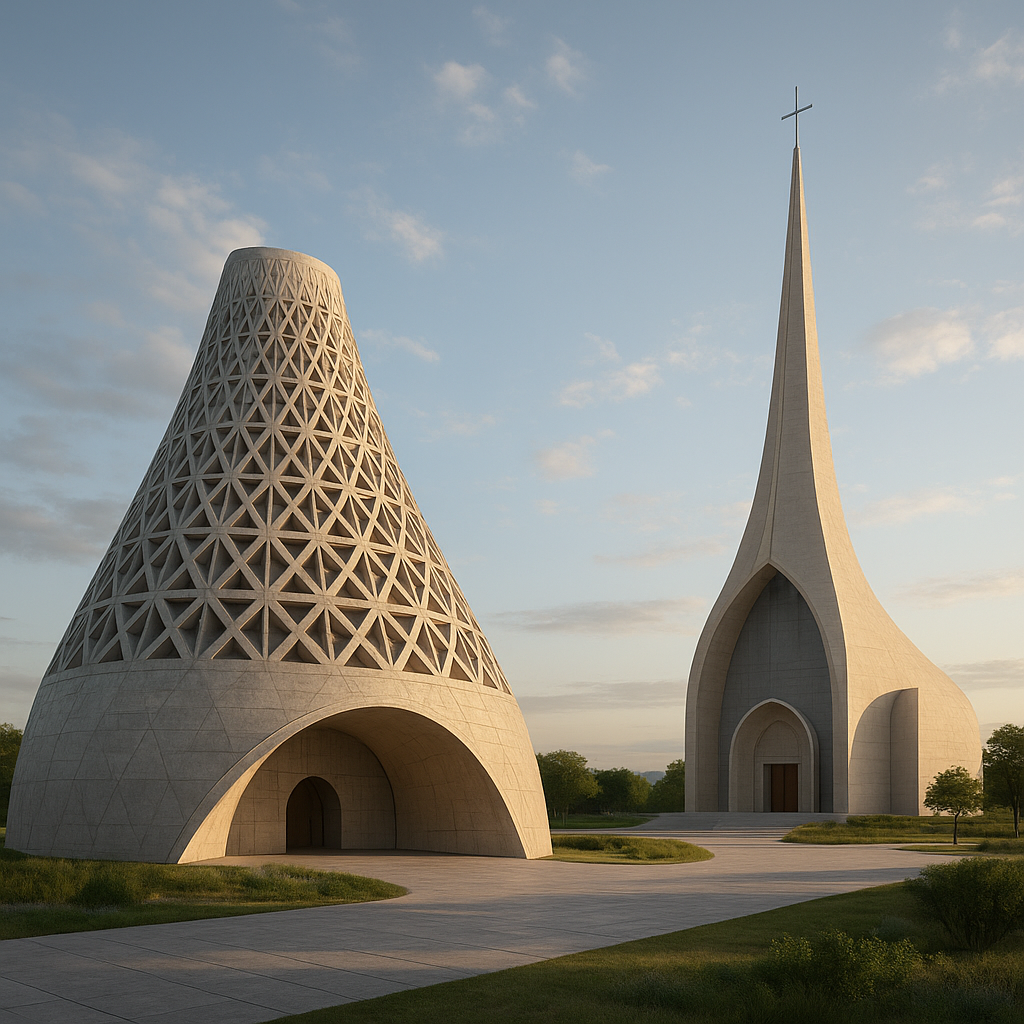
The Future of Religious and Cultural Architecture envisions spaces that transcend traditional boundaries, inviting communities into environments shaped by cutting-edge design philosophies and emerging technologies. This exploration delves into the evolving interplay between spirituality, artistry, and innovation, illuminating how new materials, participatory processes, and global perspectives are forging structures that resonate with ever–shifting human aspirations.
Innovations in Spiritual Spaces
As societies seek deeper connections between built environments and inner experiences, architects deploy parametric design tools to craft fluid geometries that evoke both transcendence and intimacy. By harnessing complex algorithms, designers can generate forms inspired by natural patterns—an approach known as biomimicry—leading to sanctuaries whose curves and vaults mirror organic growth processes. These structures offer worshippers an immediate sense of wonder, as walls fold, twist, and converge to create intimate niches and grand colonnades within a single unified envelope.
Parametric and Fluid Forms
In recent projects, vaulted ceilings morph seamlessly from latticeworks of lightweight composites to translucent membranes that harness daylight as a dynamic medium. Such spaces respond to solar angles, adjusting opacity or light diffusion throughout the day. This interplay of shadow and illumination cultivates a continually shifting atmosphere—one that deepens spiritual engagement and invites contemplative stillness.
Adaptive Sanctuaries
Beyond static monuments, modular sanctuaries are emerging to accommodate fluctuating congregation sizes and diverse ritual practices. Components engineered for swift assembly and reconfiguration allow for multipurpose use: a courtyard can transform into an open-air temple, while retractable screens carve out private meditation chambers. This adaptability fosters inclusivity, ensuring that communities of varied traditions can imprint their own cultural expressions upon a shared framework.
Material Advances and Sustainability
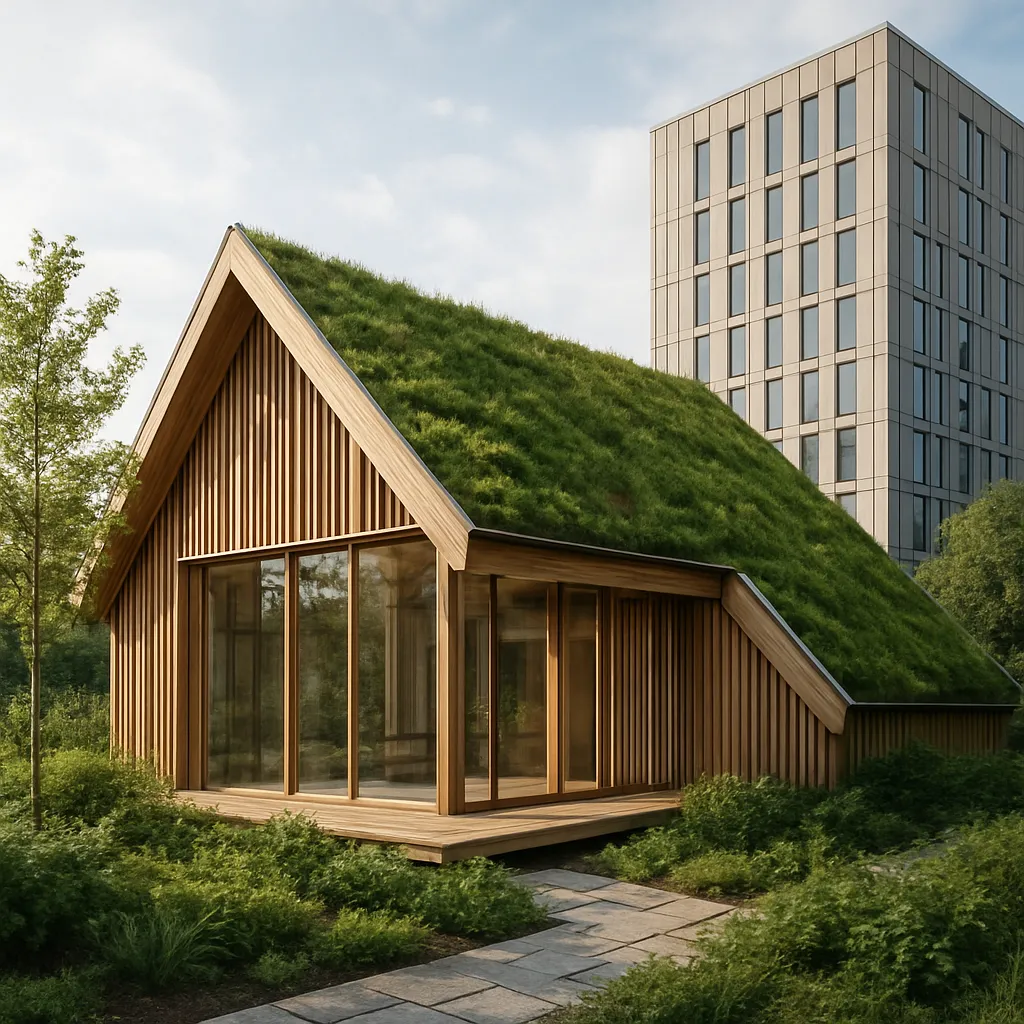
The drive toward sustainability in religious and cultural architecture spurs experimentation with materials that minimize environmental impact. Biodegradable composites, carbon-negative concrete alternatives, and sustainably harvested timber now stand alongside recycled metals and glass cullets. These innovations reduce a building’s life-cycle emissions and reinforce the notion that spiritual spaces must honor stewardship of the Earth.
- Mycelium-based insulation offers both fire resistance and natural acoustic dampening, inviting congregants into serene auditory environments.
- 3D-printed concrete modules embed channels for rainwater harvesting, transforming rooftops into active living landscapes that nourish rooftop gardens or meditational greenhouses.
- Hempcrete infill panels provide breathability and thermal mass, maintaining comfortable conditions across humid and arid climates alike.
By integrating local waste streams and renewable resources, architects design structures that heal rather than harm their surroundings. The resulting edifices stand as tangible affirmations of spiritual beliefs in interconnectedness and care for future generations.
Community Engagement through Design
True transformation arises when congregations participate directly in the creation of their sacred spaces. Participatory workshops, virtual reality prototyping, and collaborative digital platforms democratize design, empowering users to shape layouts, color schemes, and ritual zones. This co–creative process fosters a profound sense of ownership and identity, as each group’s cultural narratives and aesthetic values coalesce in the built form.
- On-site design charrettes blend projected 3D models with physical scale mockups, allowing participants to suggest spatial modifications in real time.
- Online forums host multilingual stakeholders, weaving multiculturalism into every decision, from mosaic patterns to acoustical treatments tailored for various chant styles.
- Pop-up prototypes erected in public squares generate feedback loops, ensuring that both elders and youth contribute to final design resolutions.
Through this inclusive methodology, architects nurture a deep collective bond, reinforcing notions of community resilience and adaptability in the face of social change.
Integration of Technology and Ritual
Advances in digital technology are reshaping how rituals are performed and experienced. Interactive surfaces embedded with capacitive sensors allow worshippers to illuminate prayer lines or calligraphic inscriptions with a gentle touch. Augmented reality overlays guide newcomers along spiritual pathways, revealing hidden narratives or historical layers as they traverse ancient courtyards.
Immersive Audio–Visual Environments
Spatial audio systems, calibrated to individual seating positions, envelop listeners in immersive soundscapes—whether surging chants, whispered mantras, or ambient meditations. Projection mapping techniques transform domed interiors into celestial panoramas, enveloping congregants in starfields or sacred iconography that animates in response to communal rhythms.
AI–Enhanced Liturgies
Artificial intelligence algorithms curate personalized prayer sequences, adapting chants, hymns, or readings to collective mood indicators—sensed through biosensors or subtle crowd metrics. This dynamic interplay between machine intelligence and human intention redefines the boundaries of ritual performance, ensuring that each gathering feels uniquely attuned to the participants’ emotional and spiritual states.
- Holographic emissaries recite verses from distant shrines, bridging geographic divides and fostering global solidarity.
- Robotic drones carry ceremonial relics along choreographed flight paths, merging precision engineering with age–old symbolism.
- Wearable tech tracks personal devotion metrics, offering real–time reflections on mindfulness or breath rhythms during meditation.
Global Perspectives and Interfaith Collaboration
As the world grows ever more interconnected, architectural practice embraces convergence of diverse religious traditions. Pilgrimage centers no longer serve a single creed but accommodate shared festivals, music performances, and interfaith dialogues under one roof. Panoramic atria with translucent canopies host rotating exhibitions, sacred texts from multiple lineages, and communal kitchens that celebrate culinary heritage alongside ritual diversity.
Case studies abound:
- A desert pavilion in North Africa unites local Sufi orders, Christian monastics, and Jewish scholars in round–table discussions beneath a biomorphic roof.
- In Southeast Asia, a floating temple complex interweaves Hindu, Buddhist, and animist motifs—its platforms rising and falling with tidal patterns that symbolize the inextricable link between faith and nature.
- A metropolitan cultural hub in Latin America features a labyrinth of chapels, prayer gardens, and digital art installations, each curated by representatives from different communities to celebrate both difference and unity.
Through these ventures, architects foster spaces of synergy and mutual respect, reinforcing that the future of sacred design lies in its capacity to bridge divides and cultivate shared aspirations for peace and understanding.