








The evolution of stadium design is accelerating as architects, engineers, and technologists converge to create arenas that transcend traditional boundaries. By harnessing cutting-edge materials, smart systems, and data analytics, these venues promise unparalleled immersive experiences, seamless operations, and a redefinition of what it means to be a spectator. From adaptive seating to holographic displays, the stadium of tomorrow will be a beacon of sustainability, connectivity, and interactivity.
Reimagining Arena Design
Gone are the days when stadiums were mere bowls of concrete and steel. Today’s designers employ adaptive structures that respond to weather, crowd density, and event type. The concept of a kinetic façade enables parts of the stadium exterior to expand or contract, controlling light, airflow, and acoustics in real time.
Dynamic Form and Function
- Modular Roof Systems: Retractable roofs that adjust within minutes to changing weather patterns, powered by AI-driven control algorithms.
- Transforming Seating Bowls: Seats that reconfigure automatically for concerts, sporting events, and community gatherings, maximizing capacity and sightlines.
- Biomimicry in Structure: Inspired by natural forms, support elements mimic tree branches or honeycomb patterns, offering both strength and aesthetic elegance.
By integrating modularity in both structure and service elements, architects create multipurpose arenas that become year-round hubs for culture, commerce, and community.
Integrating Intelligent Systems and Connectivity
At the heart of every future-ready stadium is a network of embedded sensors and devices feeding into a centralized, AI-powered management platform. This IoT-driven ecosystem ensures optimal performance, safety, and resource utilization.
Smart Infrastructure
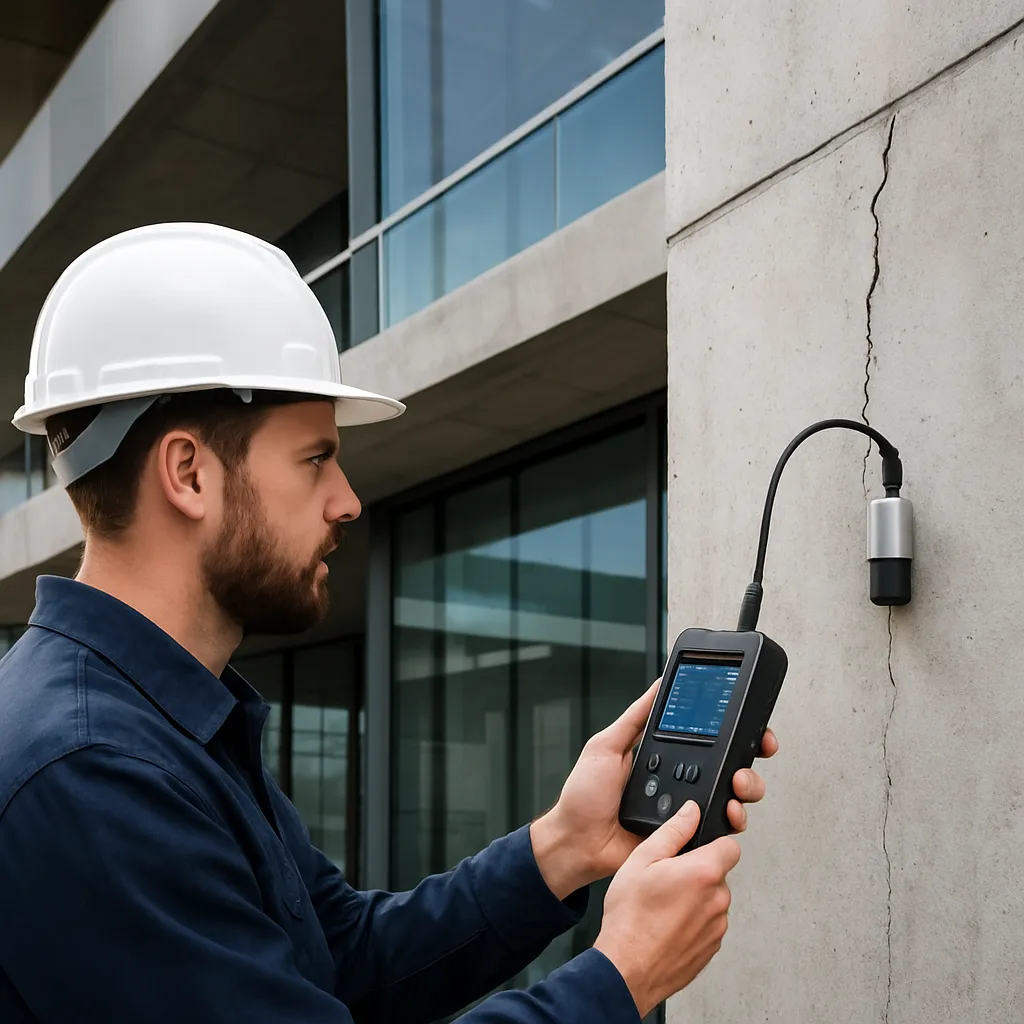
- Predictive Maintenance: Vibration and thermal sensors detect wear in critical components before failure, scheduling automated repairs during low-traffic periods.
- Energy Optimization: Real-time monitoring of lighting, HVAC, and kiosk operations reduces energy consumption by dynamically adjusting to usage patterns.
- Security and Crowd Flow: Computer vision systems analyze crowd movements, identifying potential bottlenecks or safety hazards and directing visitors through the most efficient pathways.
High-speed 5G networks enable seamless data transfer, supporting everything from real-time analytics to ultra-high-definition streaming of multiple angles directly to fans’ devices. This connectivity underpins every aspect of match day operations, from ticket scanning to concession ordering.
Enhancing Fan Engagement through Immersive Technologies
Audience expectations have evolved alongside mobile computing and virtual experiences. The stadium of tomorrow blurs the line between physical and digital, creating immersive moments that captivate fans before, during, and after the event.
Augmented Reality and Virtual Reality
- Augmented Reality Overlays: Fans point their smartphones at the pitch to see live stats, player heat maps, and historical highlights superimposed on the field.
- Virtual Hospitality Suites: Remote attendees don VR headsets to enjoy the VIP experience—complete with 360° views, interactive commentary, and virtual meet-and-greets.
- Holographic Replays: Life-size holograms of key plays project onto concourse screens, offering an unprecedented level of detail for analysis and entertainment.
These technologies foster a deeper connection between teams and supporters, transforming each seat into a front-row vantage point.
Sustainability and Resilience in Future Stadiums
Environmental stewardship is no longer optional; it is at the core of modern architectural philosophy. Future stadiums are designed with circular economy principles, minimizing waste and maximizing resource efficiency.
Green Building Practices
- Renewable Energy Integration: Rooftop solar panels and wind turbines supply a significant portion of the stadium’s power needs, with surplus energy stored in on-site battery banks.
- Rainwater Harvesting: Advanced filtration systems collect and recycle rainwater for irrigation, restroom facilities, and cooling towers, reducing reliance on municipal supplies.
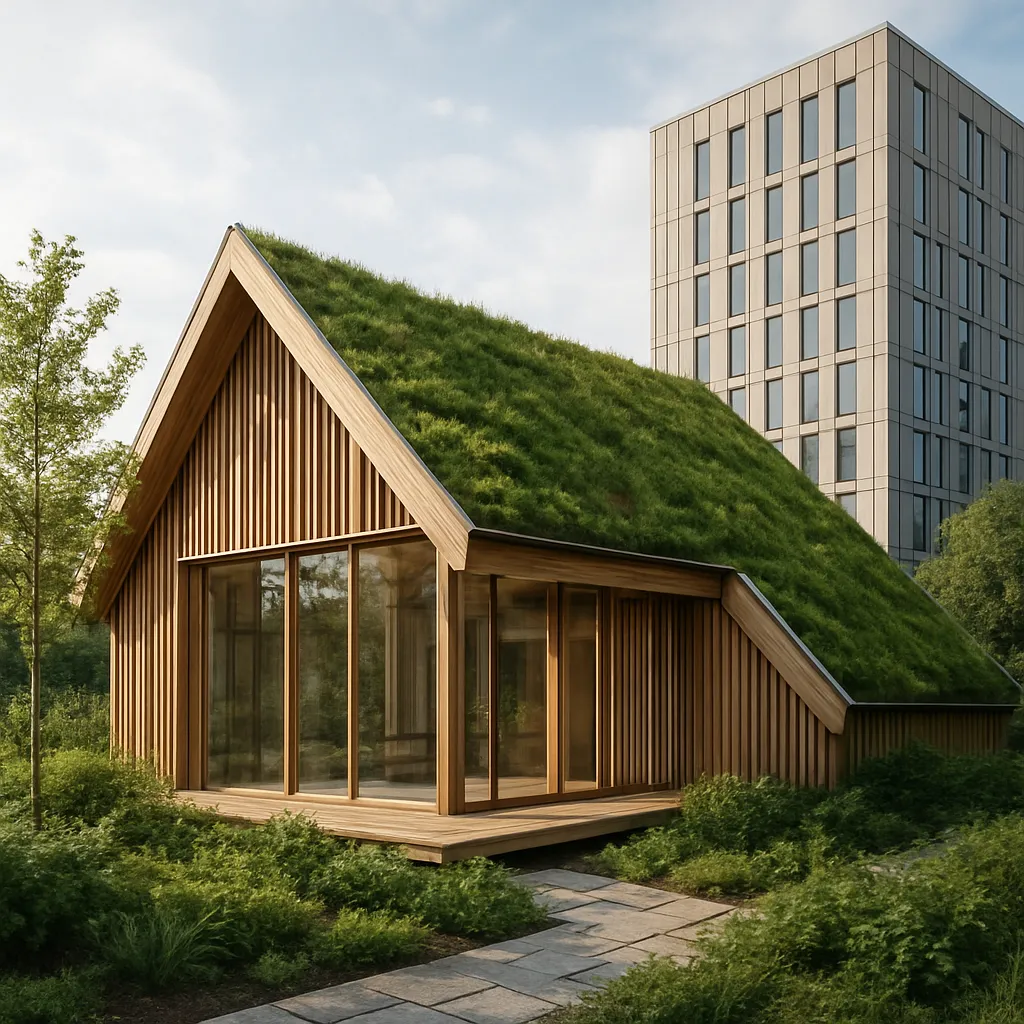
- Low-Carbon Materials: From mass timber beams to recycled steel, construction utilizes materials with reduced embodied carbon footprints.
Moreover, resilience measures—such as flood-adaptive basements and earthquake-dampening foundations—ensure these iconic structures remain operational under extreme conditions, underscoring their role as community anchors.
Future-Forward Amenities and Services
Modern spectators demand more than just a view of the action. They expect personalized services, streamlined logistics, and a plethora of entertainment options.
- Smart Concessions: Cashless, app-based ordering with robotic kiosks and drone delivery to seats reduce lines and enhance food safety.
- Wellness Zones: Meditation pods, fitness facilities, and mobile health kiosks promote well-being among attendees, boosting overall satisfaction.
- Interactive Social Spaces: Digital art installations, gaming arenas, and e-sports arenas transform stadium plazas into year-round social hubs.
These amenities leverage interactivity and personalization to create memorable, shareable experiences that extend far beyond the ninety minutes of gameplay.
Conclusion
The intersection of architecture, technology, and human experience is redefining the stadium as a living, adaptive entity. Through the integration of AI, augmented reality, resilience, and sustainable design, tomorrow’s arenas will serve as multifunctional landmarks—celebrating sport, culture, and community in equal measure. As we look ahead, the possibilities are boundless, driven by a relentless pursuit of innovation and an unwavering commitment to fan-centric excellence.