

As the nature of professional life unfolds across continents and cultures, architects and designers are compelled to envision workspaces that transcend traditional boundaries. The rise of digital nomads demands environments that balance productivity, comfort, and social interaction while maintaining a lightweight footprint. This exploration delves into the intersection of mobility, sustainability, and cutting-edge technology, painting a vivid picture of what tomorrow’s workspaces might become.
Rethinking Layouts for the Nomadic Generation
Gone are the days when an office was defined by cubicles lined against fluorescent-lit corridors. Modern nomads seek spaces that adapt as swiftly as their travel itineraries. At the core of this transformation is the principle of modularity. Prefabricated pods, open-concept hubs, and pop-up coworking lounges can be set up in under 48 hours, catering to both urban centers and remote retreats.
Key design considerations include:
- Lightweight, demountable partitions that double as acoustic dampeners.
- Convertible furniture—tables that rise to standing height or fold into privacy screens.
- Shared amenities clustered in centralized cores to minimize repetitive infrastructure.
By embracing these elements, architects ensure that a workspace is less of a fixed location and more of a fluid ecosystem, capable of evolving with the community’s needs.
Architectural Innovations Driving Sustainable Mobility
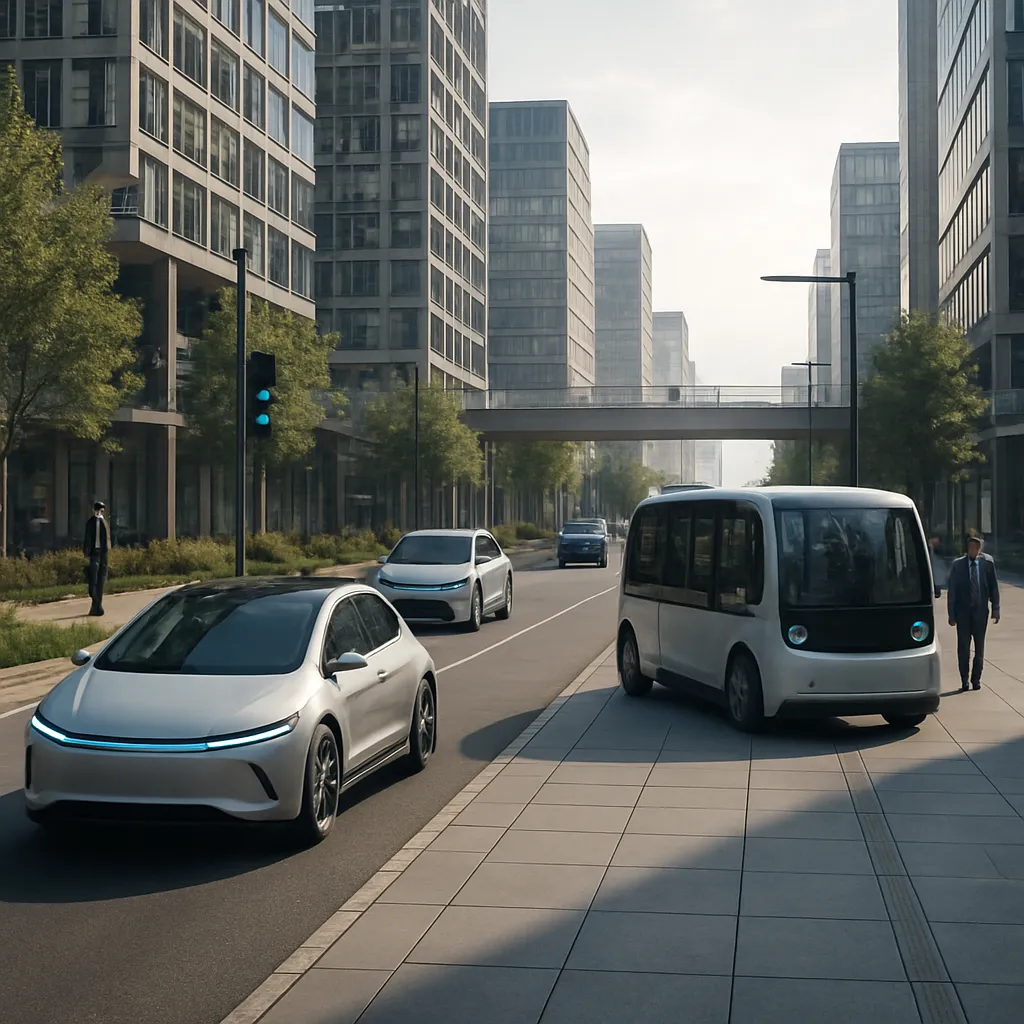
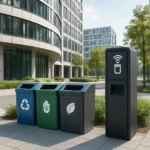
To support a workforce perpetually on the move, buildings of the future must be champions of sustainability. Solar façades, wind-harvesting turbines integrated into tower spines, and kinetic energy floors that convert footsteps into electricity are no longer mere prototypes but bona fide solutions.
Adaptive Skin Systems
Imagine an envelope that adjusts its thermal permeability in real-time. Smart glazing combined with photoreactive coatings can regulate light and heat influx, reducing reliance on HVAC systems. Such skins can be transported in compact reels and retrofitted onto existing structures, giving new life to aging properties.
Mobile Infrastructure Units
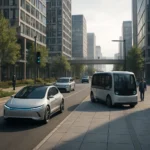
These units are designed on AI-driven logistics platforms that optimize routes based on demand hotspots. Pop-up hubs might arrive at a beachside locale one week and relocate to a mountain town the next. Each unit is engineered to plug into standardized utility modules, enabling rapid hookup of water, power, and connectivity.
Integrating Smart Technology and Human-Centric Ergonomics
Future workspaces will blur the line between digital and physical realms. From immersive VR collaboration pods to holographic whiteboards, technology will underpin every aspect of design. Yet, the human body remains central. Ergonomic research will inform seating systems that dynamically adjust posture, while sensor-rich floors map traffic patterns to optimize circulation.
- Wearable comfort monitors that signal when a user needs a break or a posture correction.
- Ambient intelligence that tailors lighting color temperature to circadian rhythms.
- Voice-activated environmental controls to minimize touchscreen contact and enhance hygiene.
By marrying ergonomics with intuitive interfaces, these spaces empower nomads to focus on creativity and collaboration rather than the drift of daily discomfort.
Biophilic Networks: Connecting People with Nature
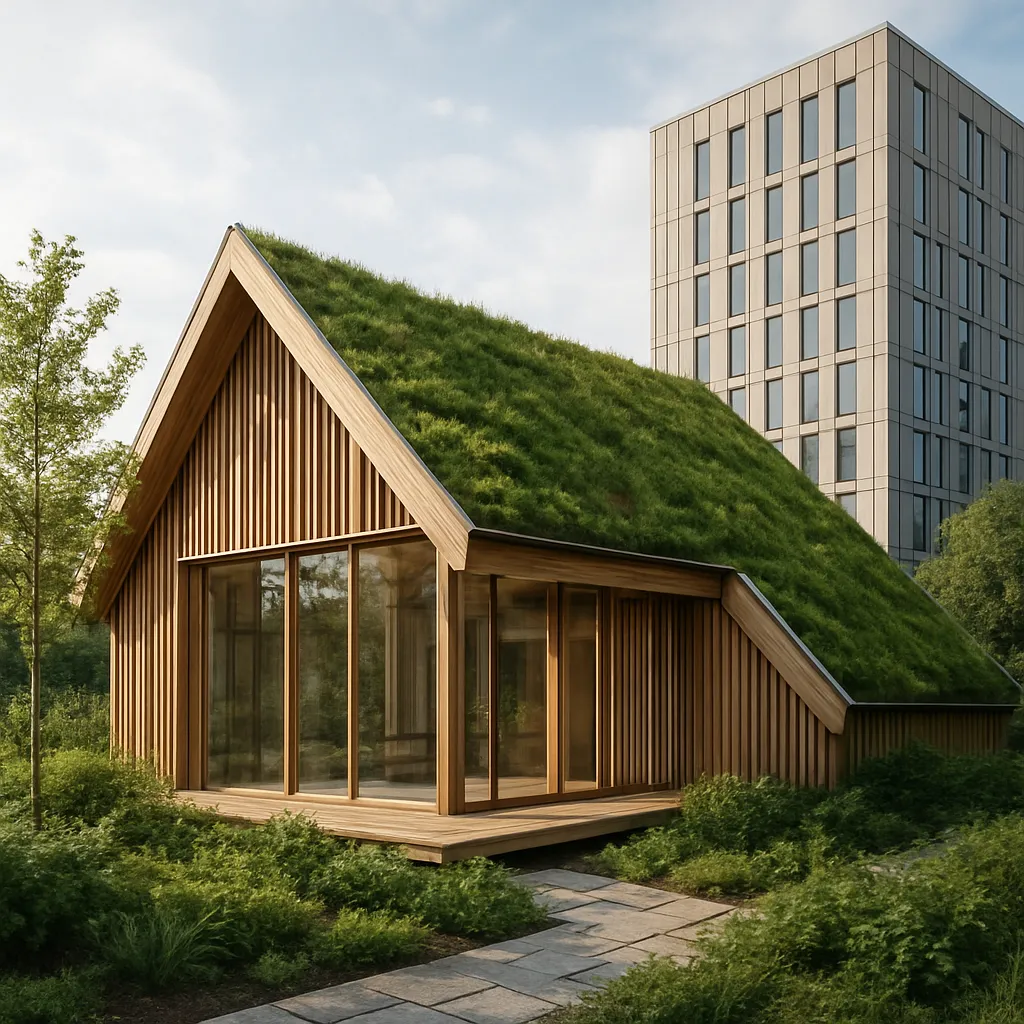
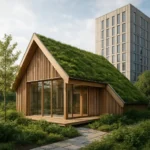
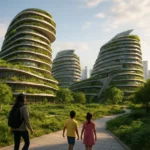
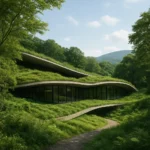
Even in skyscrapers or remote cabins, the human psyche craves a connection to the natural world. Biophilic design embeds living walls, rooftop gardens, and indoor streams into the very hierarchy of space. Green corridors serve as organic air filters, while soundscapes mimic rustling leaves or gentle rainfall.
Communities thrive around shared cultivation zones, where residents co-tend hydroponic farms or participate in seed-exchange programs. The result is a holistic environment that nurtures both mental health and ecological resilience.
Fostering Community in Transient Environments
One of the greatest challenges for digital nomads is forging meaningful relationships amidst constant change. Dedicated social plazas, communal kitchens, and flex-theater spaces enable spontaneous gatherings and skill-sharing workshops. Strategically placed “memory walls” display rotating artwork and personal stories contributed by residents, fostering a sense of belonging.
Designers are experimenting with:
- Soundproofed conversation nooks for private chats or mentorship sessions.
- Multi-genre event spaces that shift from coworking to yoga to pop-up concerts.
- Revitalizable lounge modules that adopt new color palettes or textures through reusable surface skins.
These initiatives leverage connectivity technologies to coordinate events, track attendance, and collect feedback—ensuring each locale continually refines its social fabric.
The Road Ahead: Scalable and Adaptive Frameworks
As digital nomadism scales from niche to mainstream, workspace ecosystems must embrace an open-source ethos. Design templates, energy-management algorithms, and community-driven guidelines will be shared across platforms, accelerating innovation. Architects may one day upload new module blueprints to global repositories, enabling local makers to 3D print components on demand.
The synergy of flexibility, technology, and human-centered design heralds an era where workspaces are not simply built but cultivated. When architects collaborate with engineers, psychologists, and local communities, they unlock environments that are not only functional but beautifully alive—ready for the nomadic generations forging the future of work.