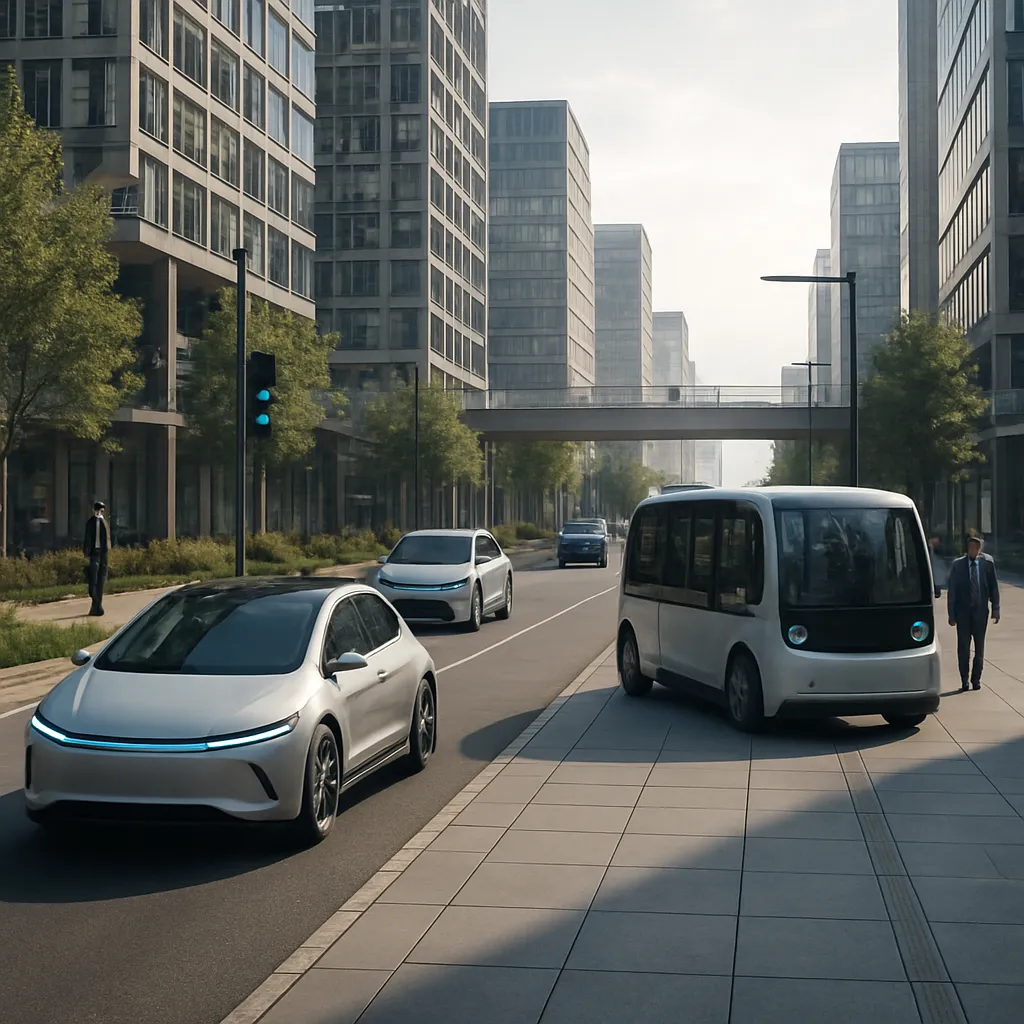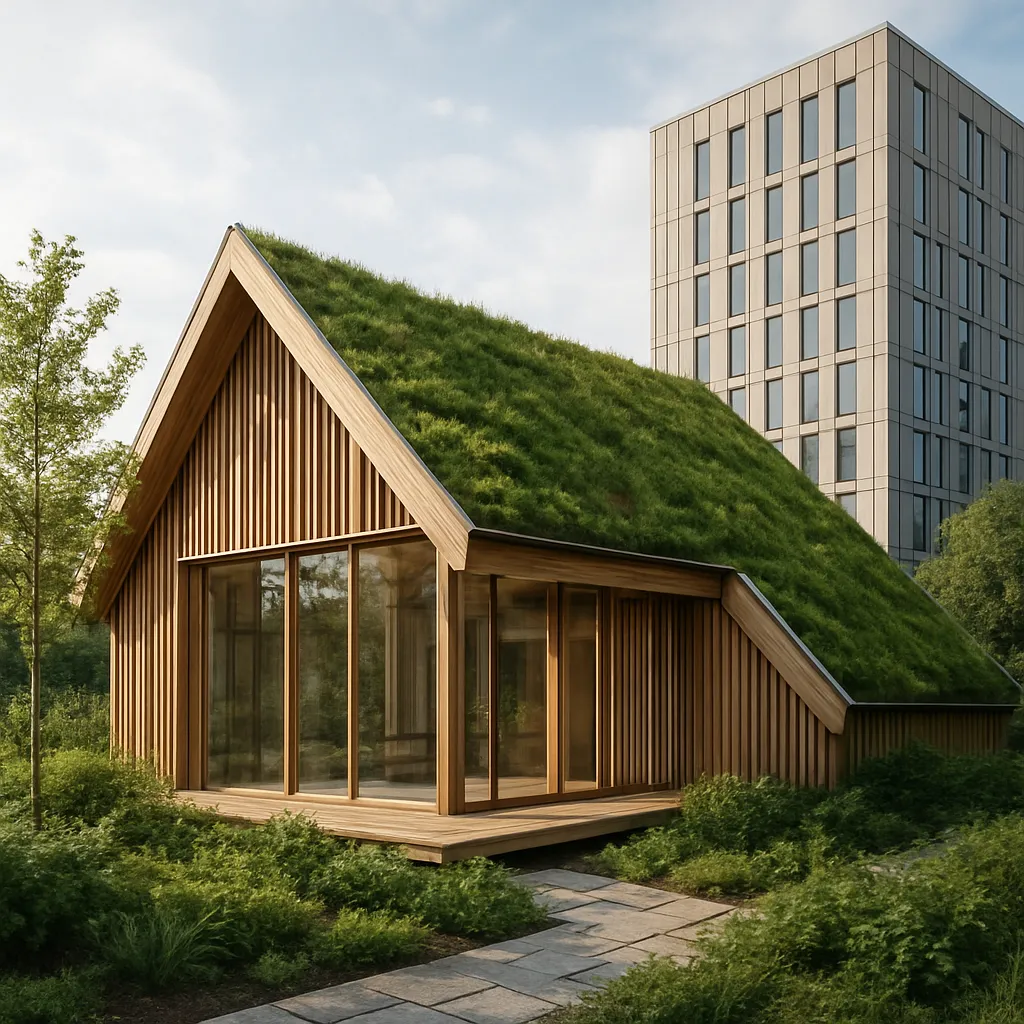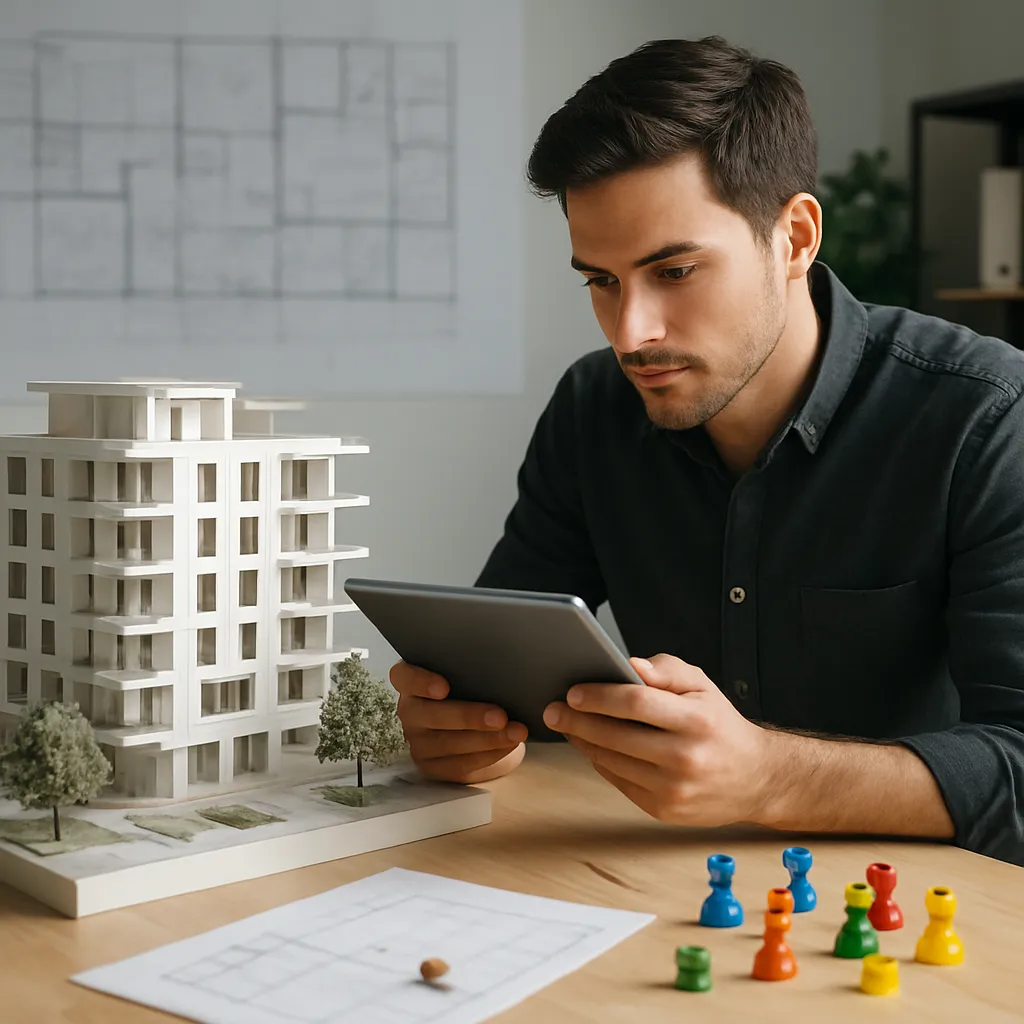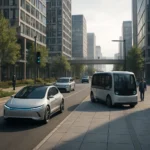
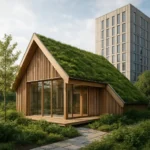

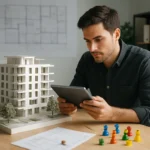
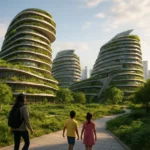


The integration of the Metaverse into the realm of architecture marks a profound evolution in how we conceive, design, and inhabit built environments. As virtual landscapes merge with physical realities, architects are empowered to explore new dimensions of creativity and functionality. This article examines key aspects of futuristic architecture and its symbiotic relationship with cutting-edge technologies, highlighting transformative trends and emerging paradigms.
Virtual Worlds as the New Fabric of Design
In the era of digital transformation, virtual environments serve as dynamic canvases for architectural exploration. These platforms allow designers to push the envelope beyond the constraints of gravity and budget, generating structures that can change shape, color, and function at the click of a button.
Expanding Spatial Boundaries with immersive Platforms
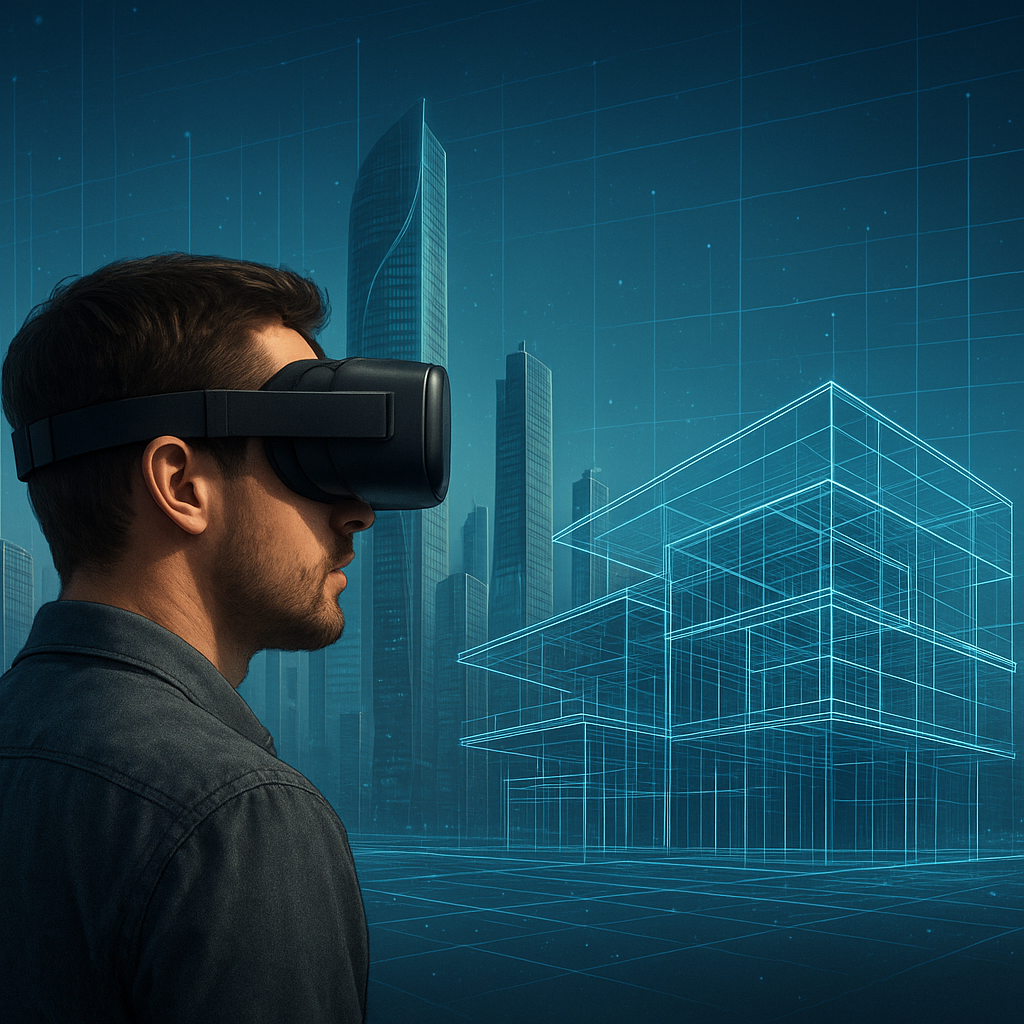
Platforms powered by augmented reality and virtual reality enable creators to build fully interactive spaces. Users can navigate soaring megastructures, float through zero-gravity gardens, or inspect transparent walls that refract light dynamically. By employing game-engine technology, architects can prototype entire cities in real time, adjusting layouts and materials while experiencing the environment firsthand.
- Seamless transitions between scales, from micro details to urban master plans.
- Instantaneous feedback on circulation patterns and spatial psychology.
- Real-time rendering of environmental data, such as sunlight, wind flows, and acoustics.
Digital Twins and Real-Time Simulation
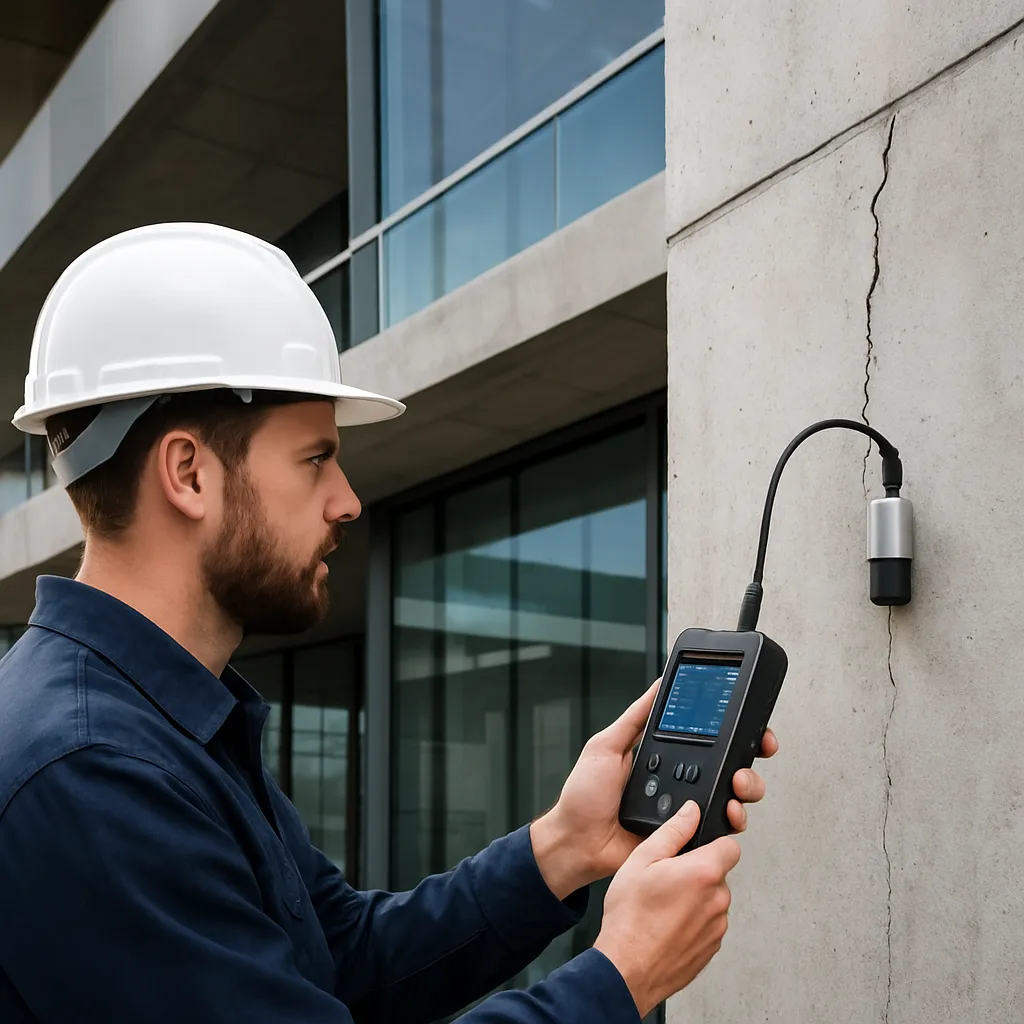
The concept of digital twins involves creating a virtual replica of a physical asset or ecosystem. By linking sensors in the real world to their digital counterparts, architects can monitor performance metrics—energy consumption, structural strain, thermal comfort—and test hypothetical upgrades within the Metaverse before implementing them onsite.
Revolutionizing Design Workflows with Advanced Tools
Emerging technologies streamline complex decision-making processes, fostering an era where routine tasks are automated and human creativity is amplified. This section explores tools reshaping contemporary architectural practice.
Parametric and Generative Strategies
Using parametric design, architects define rules and constraints, allowing algorithms to generate thousands of design permutations. These automated workflows can optimize structural integrity, daylighting, and material efficiency. Coupling parametrics with AI-driven analysis ensures that the most promising solutions align with performance goals and aesthetic intentions.
Blockchain for Intellectual Property and Ownership
Integrating blockchain technology within architectural platforms provides transparent and immutable records of design iterations. Creators can timestamp their models, assign usage rights, and ensure secure royalty distributions when digital assets—such as virtual furniture or facade patterns—are traded in the Metaverse marketplace.
- Smart contracts automate licensing agreements for digital components.
- Tokenization of architectural elements enables fractional ownership.
- Enhanced provenance tracking preserves design authenticity.
Collaborative Ecosystems and Decentralized Workflows
The Metaverse dissolves geographical barriers, forging global collaborative networks. Architects, engineers, clients, and stakeholders can convene in shared virtual spaces to co-create projects with unprecedented speed and transparency.
Real-Time Co-Design Sessions
Multiplayer design environments allow participants to annotate models, propose modifications, and simulate outcomes simultaneously. Changes made by one user propagate instantly to all others, ensuring aligned understanding and reducing costly miscommunications. This collective approach catalyzes innovation by harnessing multidisciplinary expertise in a single virtual studio.
Community-Driven Urban Planning
Public engagement takes on new meaning when residents can wander proposed developments and cast votes on park layouts, massing volumes, or facade treatments. This participatory design process enhances civic ownership and democratizes decision-making, leading to urban spaces that truly reflect community aspirations.
Towards a sustainable and Ethical Metaverse Architecture
While boundless creativity thrives in virtual realms, responsibility remains paramount. Architects must address environmental impacts, data privacy, and equitable access when shaping Metaverse experiences.
Energy Efficiency and Carbon Neutrality
Simulating renewable energy systems within digital twins enables designers to optimize solar panel placement, wind turbine arrays, and passive cooling strategies before breaking ground. By evaluating energy flows in both virtual and physical prototypes, projects can achieve near-zero carbon footprints.
Ethical Data Practices
As avatars traverse digital cities, vast amounts of behavioral data are generated. Firms must implement robust governance frameworks to protect user privacy and ensure that data collection serves architectural enhancement rather than exploitative advertising.
Inclusive Design for Diverse Populations
Accessibility is redefined in virtual contexts: avatars can be scaled to any size, environments can adjust contrast and audio cues, and interfaces can adapt to various motor or sensory abilities. A Metaverse committed to universal access ensures that all individuals—regardless of physical limitations—can fully participate in architectural experiences.
Envisioning the Next Frontier of Built Environments
As boundaries between the physical and digital continue to blur, the potential for radical architectural innovation grows exponentially. The convergence of smart materials, biotechnology, and responsive infrastructure will pave the way for living buildings that heal, adapt, and interact with their inhabitants. Through sustained collaboration and an unwavering focus on ecological stewardship, the Metaverse stands poised to redefine not only our skylines but also the very essence of what it means to be human in an ever-evolving habitat.