



The emergence of **portable architecture** marks a revolutionary shift in the way humans conceive, construct, and inhabit built environments. Blending cutting-edge **3D printing**, **robotics**, and **AI integration** with sustainable principles, this movement propels design into realms once reserved for science fiction. From compact, foldable dwellings that can be airlifted across continents to self-assembling research modules on distant planets, portable structures are redefining mobility, resilience, and adaptability. The following sections explore the innovations driving this trend, the design philosophies underpinning it, and the transformative applications poised to reshape our world—and beyond.
Innovations Driving Portable Architecture
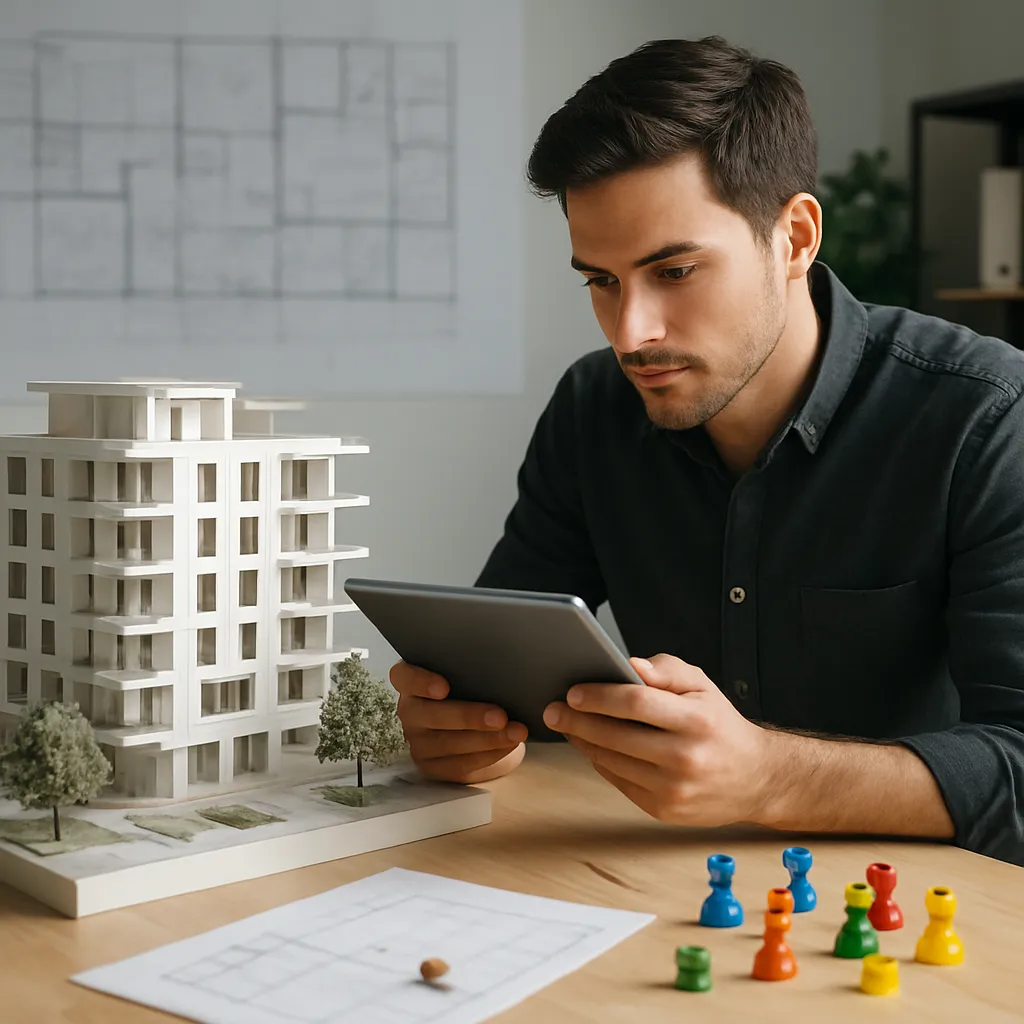
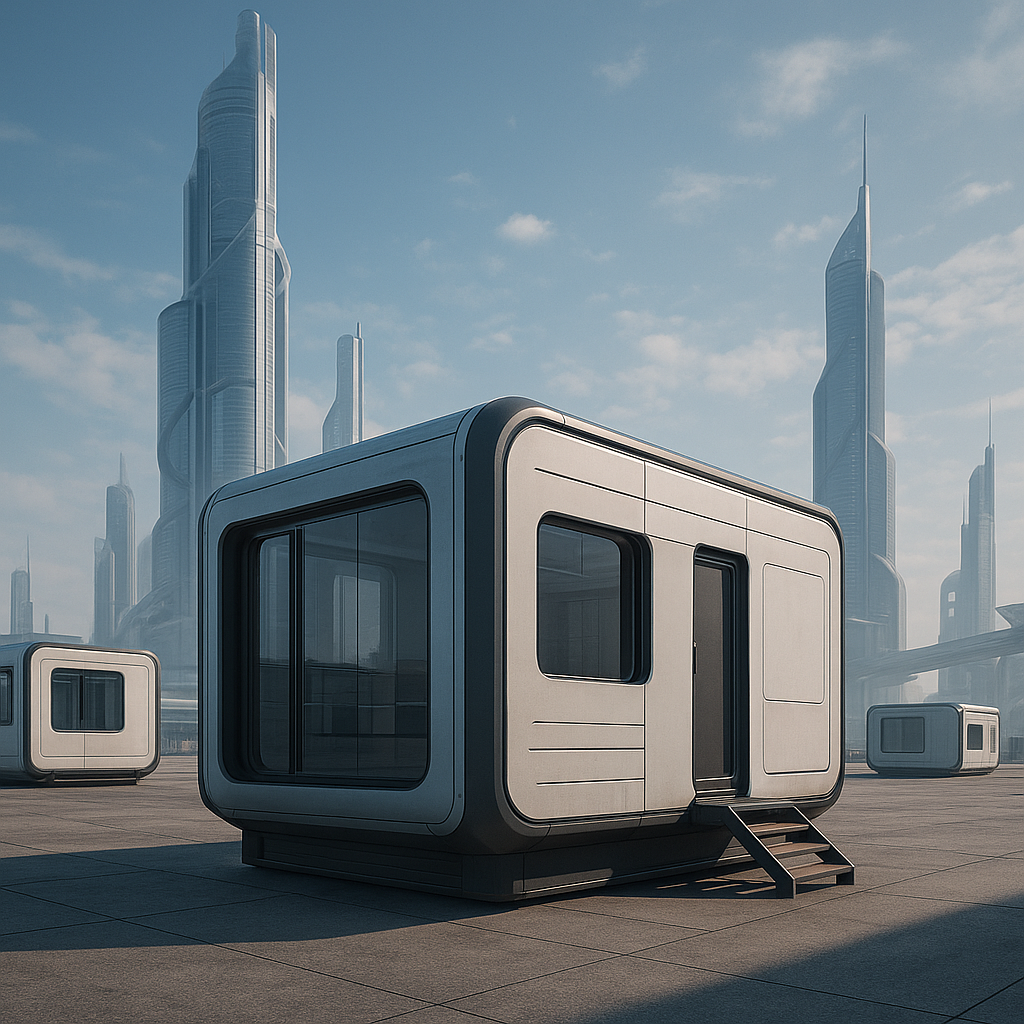
Several technological breakthroughs have coalesced to ignite the rise of portable architecture. At the forefront lies modular construction, a method that pre-fabricates discrete units in controlled factory settings. These modules can be swiftly transported and assembled on site, drastically reducing labor costs and construction timelines. Added to this is the advancement of nanomaterials—lightweight composites engineered at the molecular level to deliver extraordinary strength-to-weight ratios. These next-generation materials allow for ultra-thin walls that provide exceptional thermal insulation and structural integrity without sacrificing portability.
In parallel, developments in 3D printing and automated assembly have unlocked unprecedented precision and customization. Mobile 3D printers can lay down layers of concrete or bio-based polymers directly on site, building entire structures within days. Meanwhile, robotics facilitate automated unfolding, locking mechanisms, and even on-the-fly repairs. This fusion of robotics and additive manufacturing creates a seamless toolkit for deploying habitable units in remote or disaster-affected areas.
Key Technological Drivers
- Advanced prefabrication lines with sensor-driven quality control
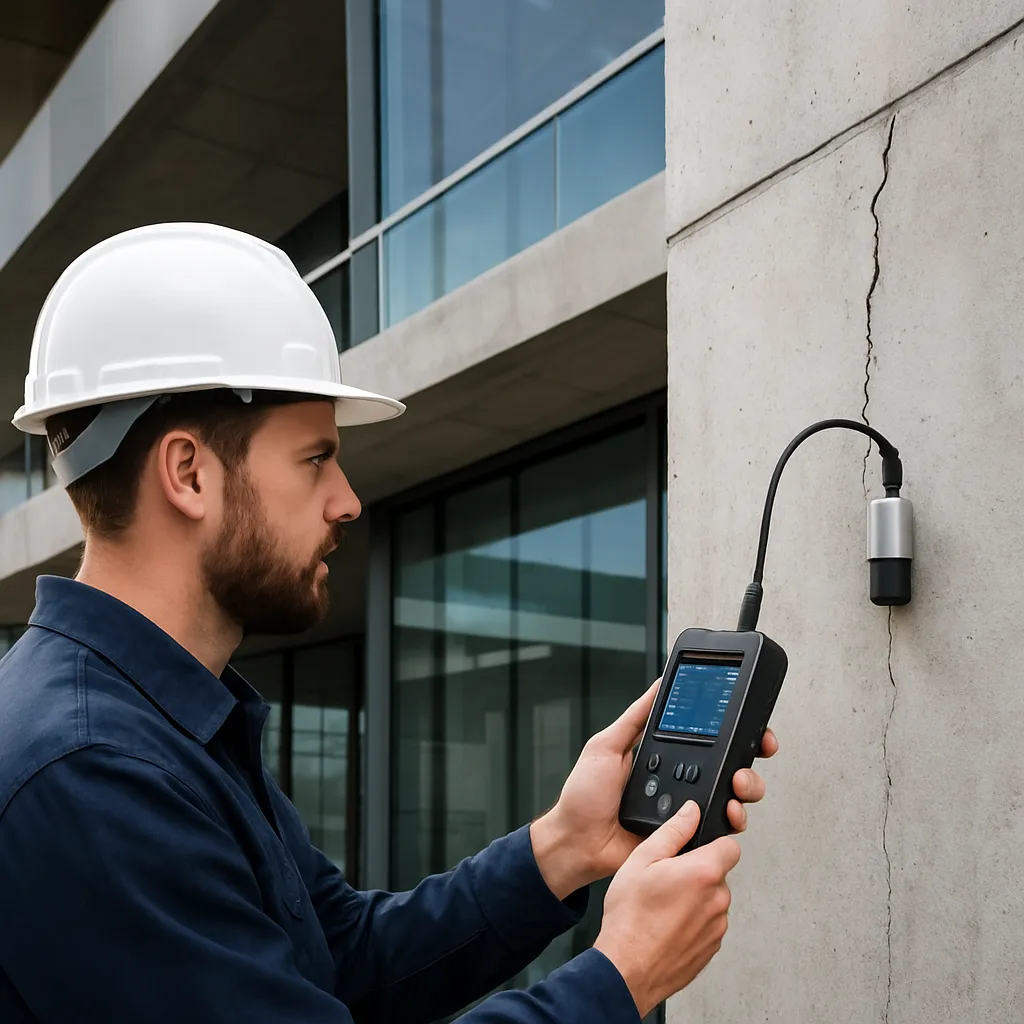
- Self-healing smart materials that patch micro-cracks autonomously
- Energy-harvesting façades integrating thin-film photovoltaics
- Embedded IoT networks for predictive maintenance
Collectively, these innovations are catalyzing a new paradigm where buildings can be shipped like furniture, assembled like puzzles, and even relocated as needs evolve.
Design Principles and Technologies
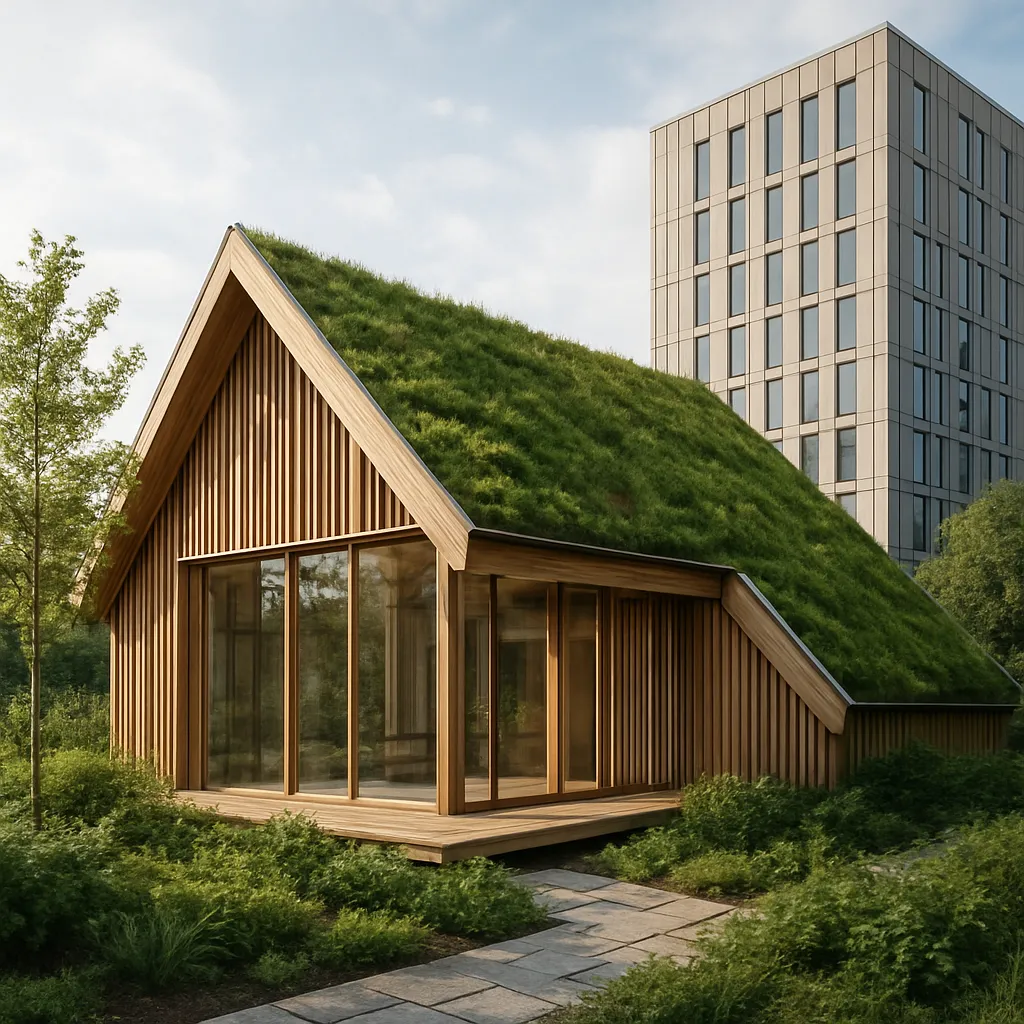
Designing for portability demands adherence to a distinct set of principles, blending form, function, and **sustainability**. Lightweight frameworks, such as carbon-fiber trusses or inflatable air-beam structures, serve as the skeleton around which habitats are built. These frameworks are often wrapped in modular panels augmented with phase-change materials that regulate internal temperatures. The result is a dwelling that remains comfortable across diverse climates without relying heavily on mechanical HVAC systems.
Another cornerstone is **biomimicry**, which draws inspiration from nature’s efficient blueprints. For instance, honeycomb-inspired cellular panels deliver remarkable load distribution while minimizing resource usage. Similarly, structures modelled after termite mounds incorporate natural ventilation strategies, reducing energy consumption by circulating air through ingeniously placed vents and shafts.
Adaptive and Responsive Systems
- Shape-shifting exteriors that adjust porosity in response to humidity
- Smart glazing with opacity control for dynamic daylighting
- Retractable sunshades activated by solar tracking algorithms
- Modular plumbing and electrical grids with plug-and-play connectors
Underpinning these features is AI integration, which orchestrates environmental controls, structural diagnostics, and user interactions. Embedded sensors continuously monitor stress points, thermal conditions, and occupancy patterns. Machine-learning models analyze this data to anticipate maintenance needs, optimize energy usage, and even reconfigure interior layouts autonomously.
Applications and Future Scenarios
The versatility of portable architecture spans civilian, commercial, and extraterrestrial domains. In disaster relief scenarios, rapidly deployable shelters equipped with water purification and off-grid power allow aid workers to establish operational bases within hours. Pop-up clinics and classroom units bridge critical gaps in community resilience, offering safe havens that can be recycled or relocated once crises abate.
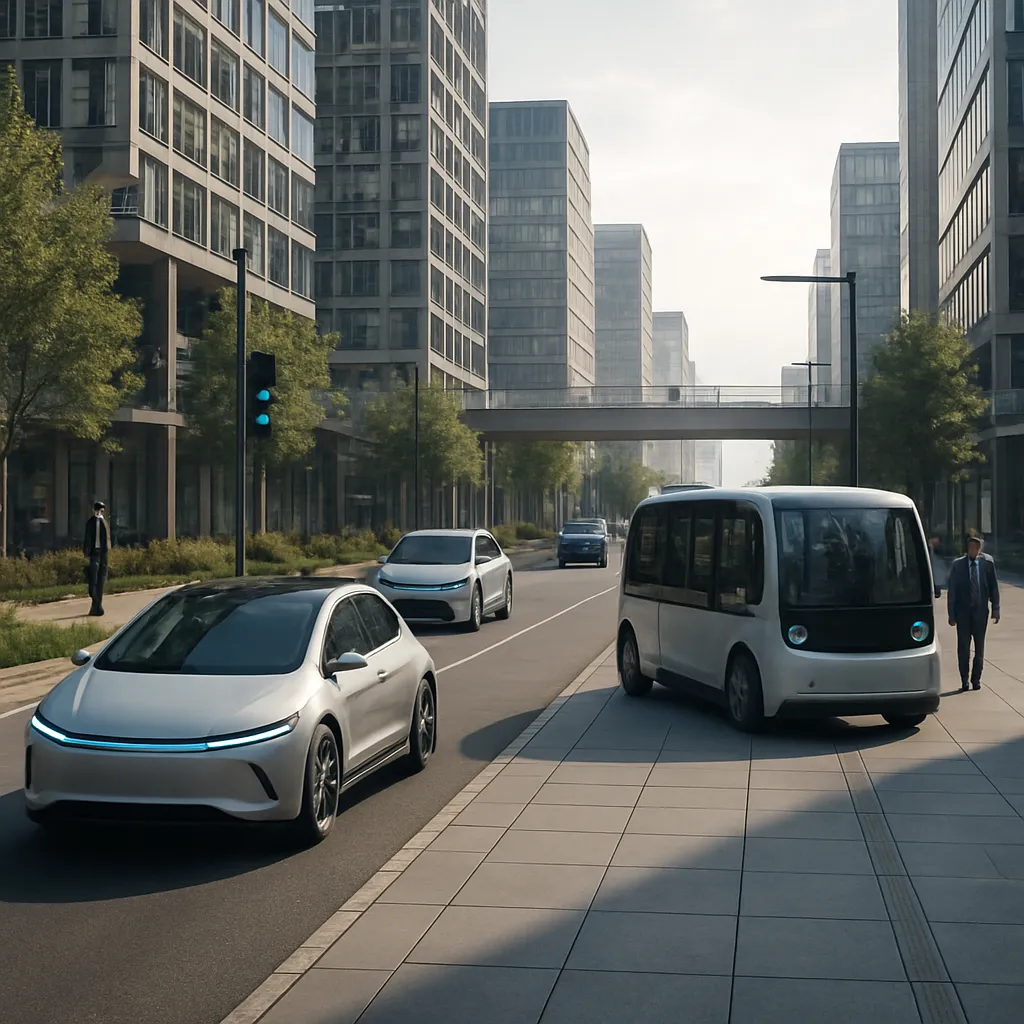
Urban environments are also embracing these mobile structures to address housing shortages and workforce mobility. Co-living pods, designed for nomadic professionals, snap together to form vertical micro-villages. These pods feature communal gardens on their rooftops and integrated transport docking stations, enabling residents to journey seamlessly between work hubs and leisure zones.
Lunar and Martian Outposts
- Inflatable habitats shielded by regolith-based bio-concrete
- Autonomous rovers that erect solar arrays and life-support modules
- Regenerative life-support systems recycling air, water, and waste
- Modular laboratories for in situ resource utilization experiments
Looking further ahead, architects are envisioning **resilience** in the face of climate extremes and geopolitical flux. Floating communities harness wave energy and desalination units to thrive on water, while desert settlements leverage concentrated solar power and sand-based insulation to endure scorching heat. The notion of a permanent foundation fades as structures evolve into living organisms—capable of growth, self-repair, and migration. The convergence of prefabrication, adaptive design, and digital manufacturing heralds an era where habitats are no longer static monuments but dynamic partners in human progress.