




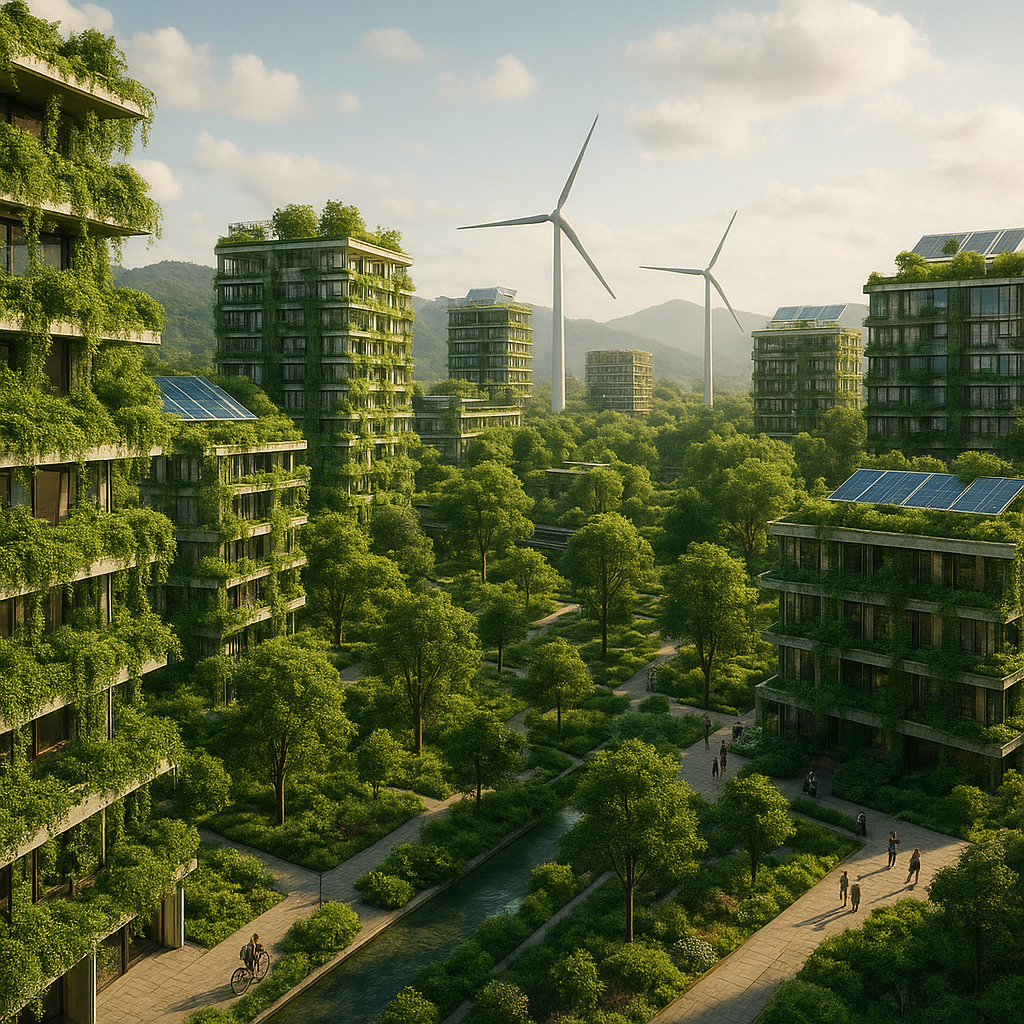
The rise of self-sustaining eco-cities represents a radical shift in the way urban landscapes are imagined, designed, and inhabited. Anchored in cutting-edge innovation and bolstered by digital tools, these future metropolises harness the power of renewable resources, integrated ecosystems, and adaptive infrastructure. As global populations surge and climate challenges intensify, the blueprint for tomorrow’s cities is no longer mere speculation but an urgent call to action for architects, planners, and communities worldwide.
Visionary Blueprint for Future Metropolises
At the heart of every self-sustaining eco-city lies an unwavering commitment to sustainability. The master plan weaves together multiple layers of urban functionality into a cohesive tapestry. From mixed-use districts that reduce commutes to multi-tiered green corridors that support biodiversity, these designs prioritize resilience and human well-being. Leading practices include:
- Compact, walkable neighborhoods minimizing reliance on private vehicles
- High-density zoning coupled with distributed public spaces to foster community interaction
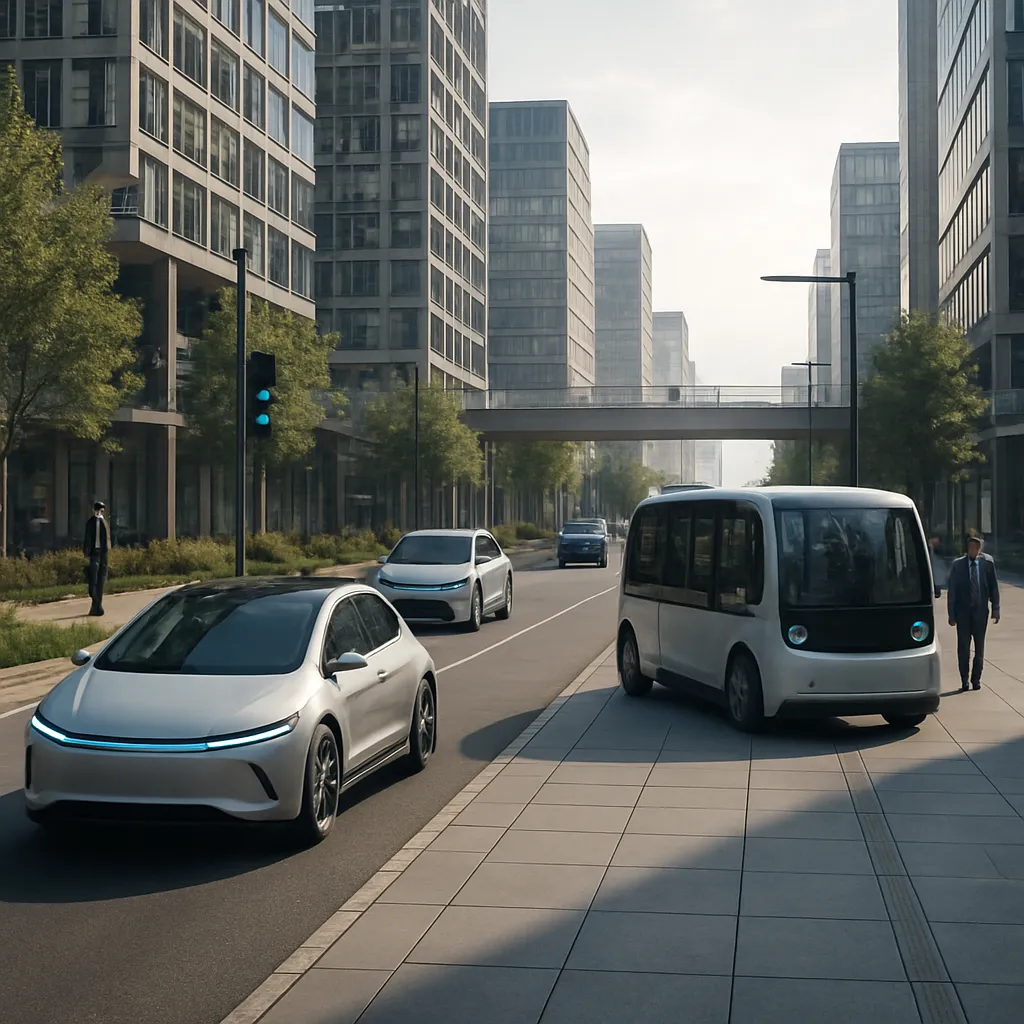
- Integrated transit systems that combine electric buses, light rail, and micro-mobility hubs
- Smart grid networks for optimized energy distribution and storage
Underpinning each element is a spirit of integration—linking buildings, infrastructure, and nature into a symbiotic whole. Public art and cultural centers are woven into plazas shaded by solar canopies, while data-driven sensors constantly monitor environmental conditions, adjusting lighting, irrigation, and ventilation in real time.
Advanced Energy Systems and Resource Management
One of the most transformative features of eco-cities is their reliance on renewable energy. Solar arrays, wind turbines, and geothermal wells are no longer peripheral additions but core pillars of urban development. Roofscapes bristle with photovoltaic panels that feed surplus power into district batteries. Offshore and rooftop wind installations generate supplemental energy, while urban geothermal loops stabilize heating and cooling loads.
On-Site Generation and Microgrids
Microgrids decouple communities from centralized power plants, enabling localized energy autonomy. During peak demand or emergencies, residential, commercial, and municipal microgrids seamlessly island themselves, maintaining critical functions. Smart inverters and energy management systems forecast consumption patterns, shifting nonessential loads to off-peak times and trading stored energy across neighborhoods.
Water Recycling and Closed-Loop Systems
Water scarcity drives eco-cities to adopt advanced treatment facilities. Greywater from showers and sinks undergoes membrane filtration and UV purification before being reused for toilet flushing and irrigation. Blackwater is processed through anaerobic digesters, converting organic waste into biogas and nutrient-rich effluent for vertical farms. Stormwater capture gardens channel runoff into subterranean cisterns, mitigating flood risks and replenishing aquifers.
Biophilic Design and Urban Green Networks
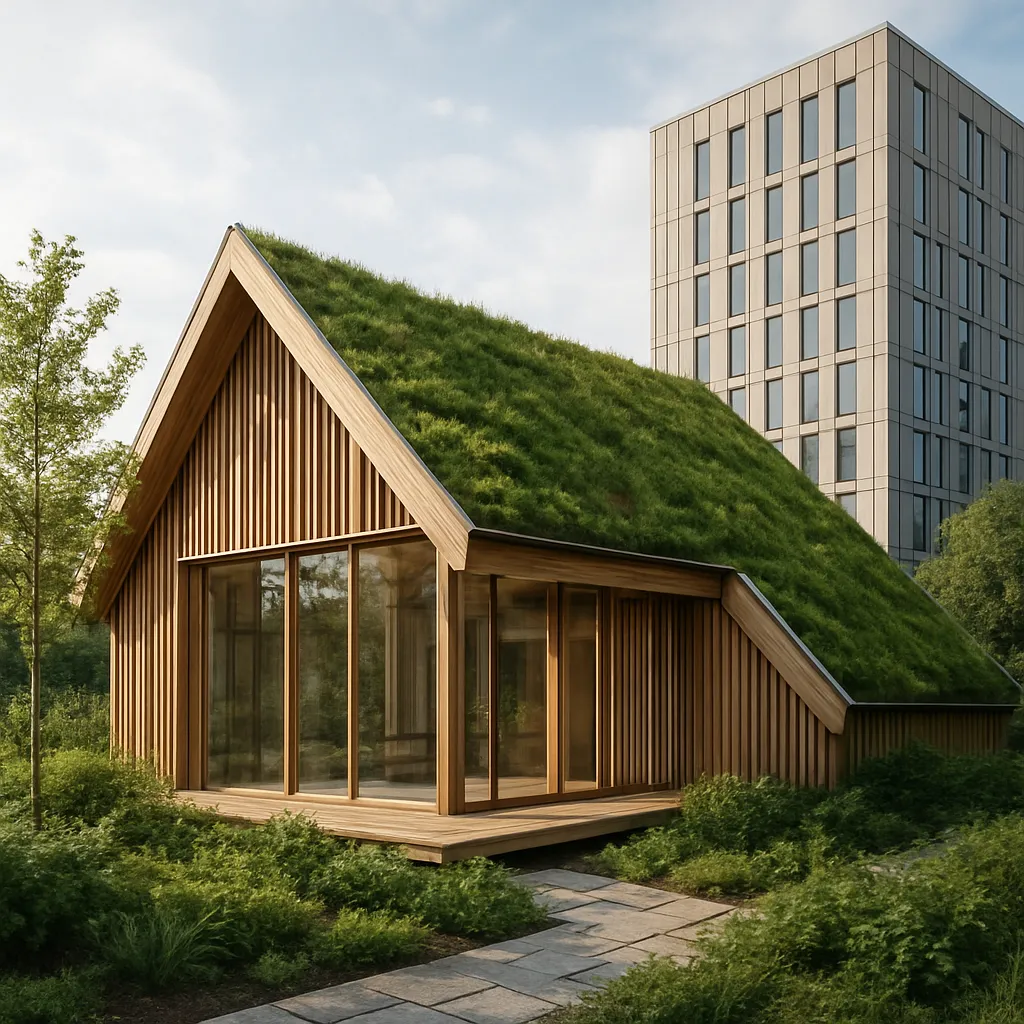
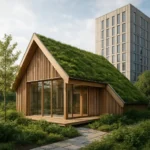
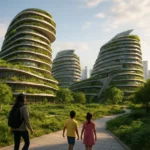
The fusion of nature and architecture, known as biomimicry, is pivotal to crafting vibrant, healthy environments. Buildings emulate the efficiency of leaves in photosynthesis by integrating green façades, living roofs, and vertical gardens. Plant species are carefully selected for air purification, temperature regulation, and habitat creation, yielding urban jungles that breathe with the city.
- Skybridges lined with native flora connect towers, creating aerial wildlife corridors
- Community orchards and edible landscapes provide local food production and social gathering points
- Rewilded riverbanks and wetlands within urban parks support flood control and biodiversity
Urban planners employ Geographic Information Systems (GIS) to map green cover, ensuring every resident lives within a five-minute walk of a significant park. Biophilic elements extend indoors with atriums, indoor waterfalls, and daylight-redirecting louvers that reduce reliance on artificial lighting. The result is a network of living systems that promote physical health, mental well-being, and a profound connection to the natural world.
Digital Fabrication and Adaptive Infrastructure
The era of static construction gives way to adaptive architecture, where buildings evolve in response to environmental and societal demands. Advances in digital fabrication, robotics, and 3D printing allow for on-site assembly of modular components, minimizing waste and accelerating project timelines. Prefabricated modules—ranging from façade panels to complete living units—arrive ready for rapid integration into growing cityscapes.
Responsive Skins and Climate Control
Smart façades equipped with sensors and actuators can modulate transparency, insulation, and ventilation. During cool mornings, panels expand to admit radiant sunlight; as midday heat peaks, louver systems deploy to deflect solar gain. These modular skins not only optimize occupant comfort but also adapt to shifting weather patterns, extending the lifecycle of building envelopes.
Digital Twins and Predictive Maintenance
Each eco-city component—from wind turbines to wastewater pumps—has a digital counterpart, or synergy of physical and virtual. Operators monitor performance in real time, using machine learning to predict maintenance needs before failures occur. This proactive strategy reduces downtime, extends equipment longevity, and ensures uninterrupted service for residents.
Community Engagement and Socioeconomic Integration
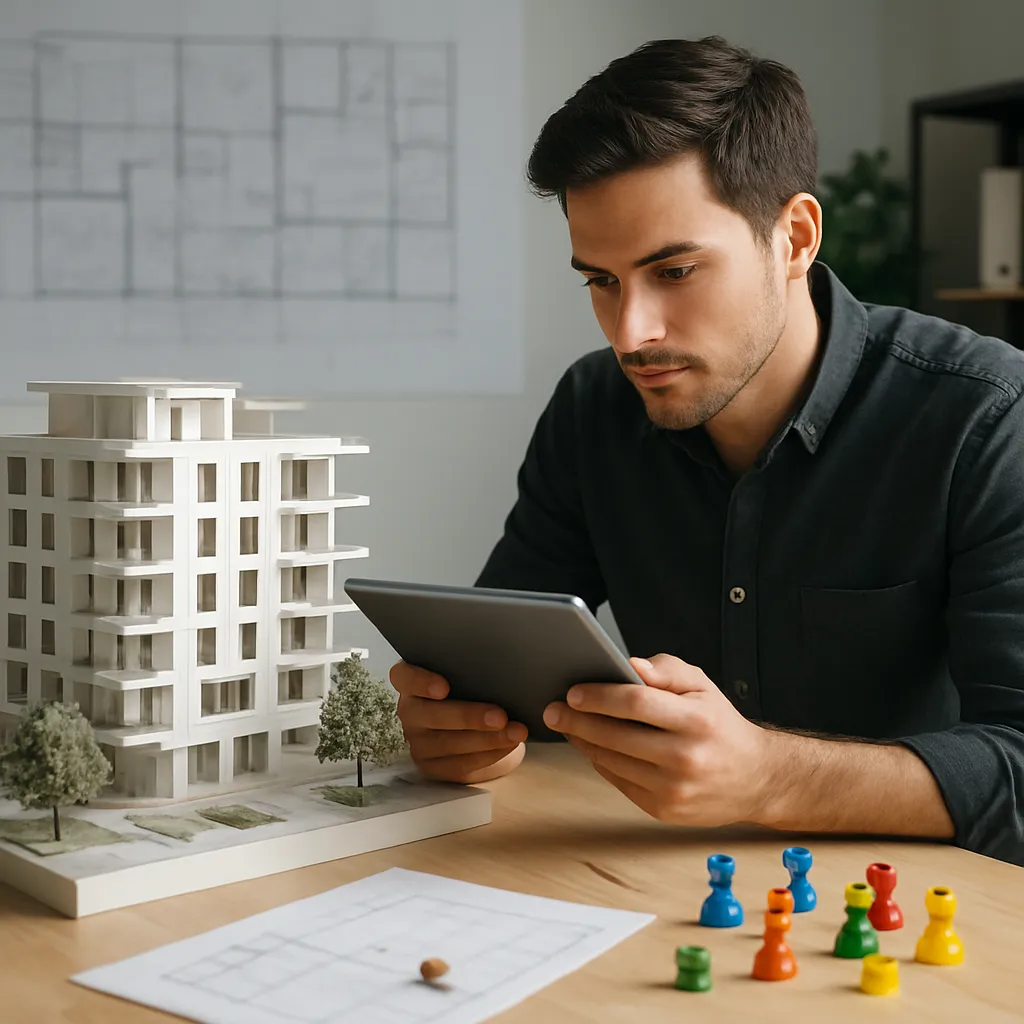
Self-sustaining eco-cities are energized not just by circuits and solar rays but by empowered communities. Participatory planning workshops, citizen science initiatives, and open-source data portals invite stakeholders to co-create their urban future. Neighborhood councils leverage digital platforms to vote on local projects, allocate resources, and monitor environmental indicators.
Affordability remains a central pillar: mixed-income housing models, cooperative ownership schemes, and social enterprise incubators ensure equitable access to opportunity. Eco-cities become engines of economic revitalization, where local artisans, tech start-ups, and sustainable agriculture enterprises thrive within an ecosystem of shared prosperity.
Towards a Circular Urban Fabric
The ultimate ambition of eco-cities is to establish a circular economy, where materials continuously flow through closed loops. Construction waste is reprocessed into new building blocks; organic refuse fuels district biomass plants; and water, energy, and nutrients cycle perpetually. This holistic approach eradicates the linear take-make-dispose model, replacing it with regenerative processes that bolster environmental health and resource security.
- Urban mining initiatives reclaim metals and minerals from decommissioned structures
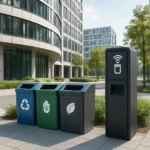
- Distributed composting hubs convert food scraps into soil amendments for rooftop farms
- Fabrication yards employ recycled plastics and reclaimed timber in 3D-printed components
By reimagining waste as a valuable input, eco-cities achieve unprecedented levels of innovation in materials science and logistics, opening new frontiers in sustainable living.