


Across the evolving urban landscape, architects and engineers are reimagining the built environment with an emphasis on sustainability. The fusion of cutting-edge technologies, ecological principles, and visionary design has sparked a new era of innovation in futuristic architecture. This article examines the essential components that define tomorrow’s buildings, highlighting how creative strategies and advanced materials can transform skylines into living, breathing habitats.
Design Principles for Sustainable Futurism
Holistic Environmental Integration
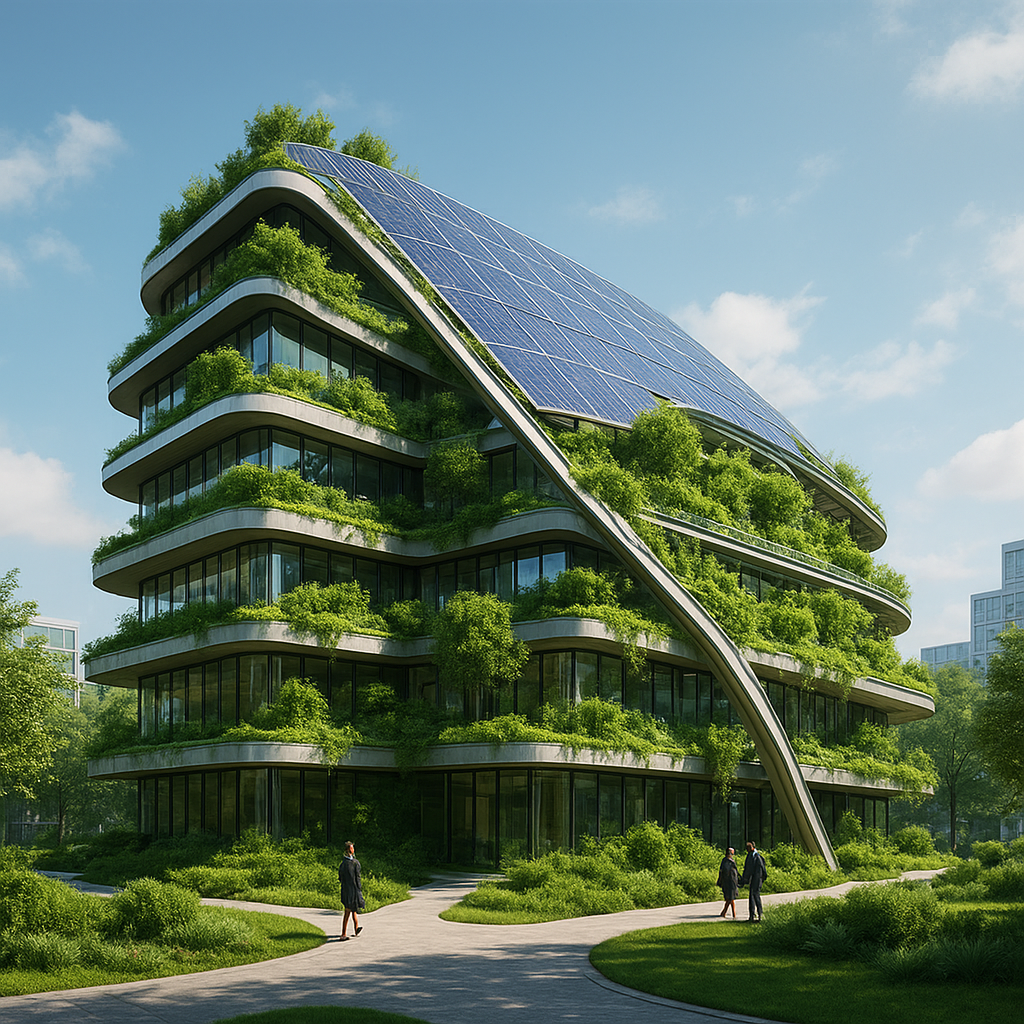
True ecological harmony begins by viewing a structure as part of a larger ecosystem rather than an isolated object. Architects prioritize site-specific conditions—local climate, prevailing winds, solar angles—and weave them into the core of every decision. By embracing renewable energy sources, buildings become energy producers rather than mere consumers. Incorporating photovoltaic façades and wind harnessing turbines ensures that each structure offsets its carbon footprint.
Biomimetic Strategies
Drawing inspiration from natural systems, biomimicry informs both form and function. Facades modeled after lotus leaves repel water and pollutants, while ventilation tunnels mimic termite mounds to regulate temperature without excessive energy use. This approach delivers not only aesthetic appeal but also profound reductions in heating and cooling loads.
Technological Innovations Driving Efficiency
Smart Building Automation
Advanced sensors, AI-driven controls, and adaptive algorithms enable structures to self-optimize. Lighting, heating, and air quality adjust in real time, responding to occupant behavior, external weather shifts, and grid demands. Through predictive analytics, buildings anticipate peak usage periods, ensuring maximum efficiency and minimal waste.
Modular and Prefabricated Components
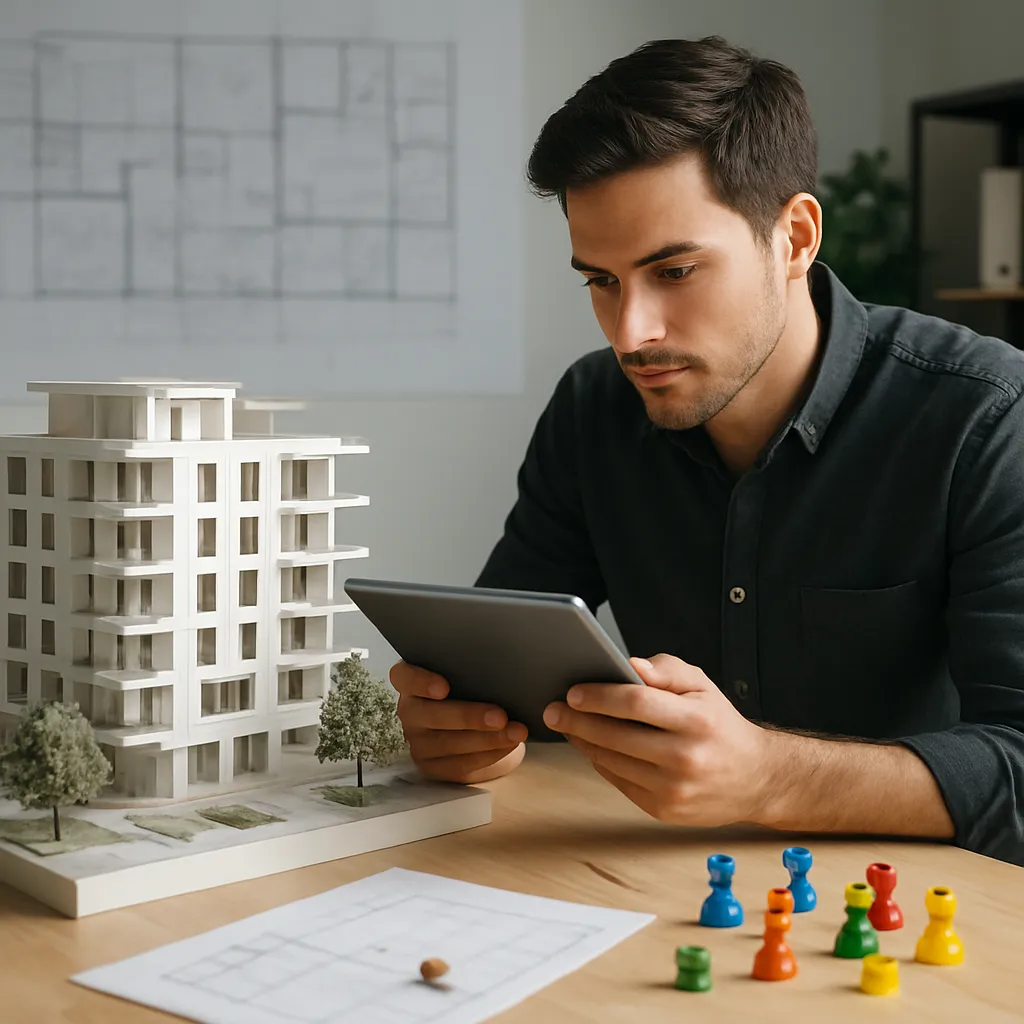
Modularity revolutionizes construction timelines, cost management, and on-site waste reduction. By prefabricating elements in controlled environments, builders achieve precision and quality while decreasing material offcuts. The concept of modularity also promotes disassembly and reuse, integral to circular economy objectives.
Materials and Techniques for Green Skyscrapers
High-Performance Composite Materials
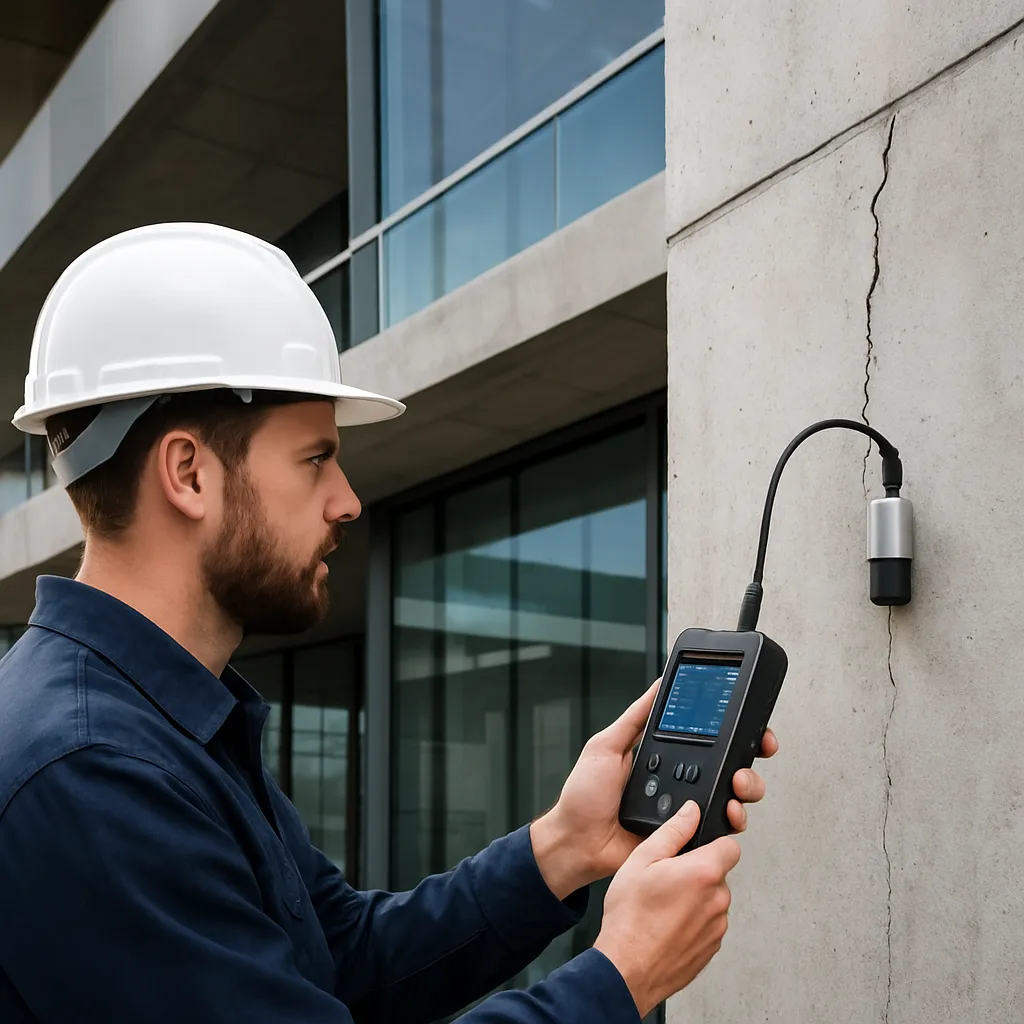
Traditional steel and concrete are giving way to innovative composites reinforced with graphene, hemp fibers, or recycled plastics. These materials offer superior tensile strength at reduced weight, cutting foundation loads and transportation emissions. Some composites even incorporate microcapsules that release self-healing agents when cracks appear, boosting resilience against environmental stressors.
Organic and Living Facades
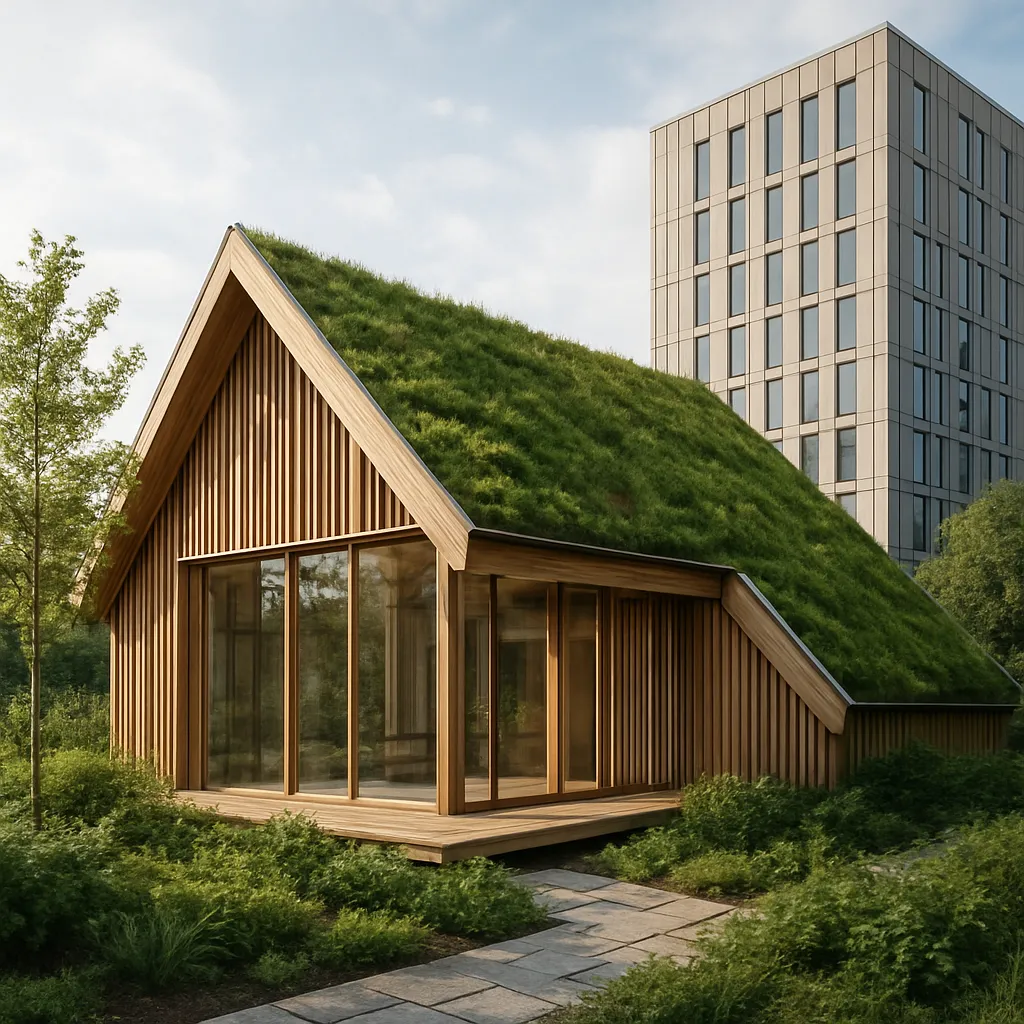
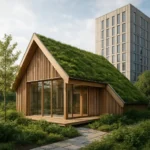
Vertical gardens and living walls not only enhance aesthetics but also sequester carbon, filter air pollutants, and provide insulation. Through hydroponic systems integrated into building skins, a façade becomes a dynamic biofilter. Occupants benefit from improved air quality, while the structure gains natural thermal buffering to approach net-zero energy consumption.
Urban Ecosystems and Community Integration
Mixed-Use Vertical Neighborhoods
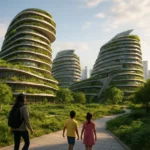
Futuristic towers are evolving into self-contained communities, combining residential, commercial, cultural, and agricultural spaces. Rooftop farms and sky gardens yield fresh produce, foster biodiversity, and create social hubs. Such vertical neighborhoods reduce commuting distances, contributing to lower traffic emissions and a stronger sense of place.
Mobility and Connectivity
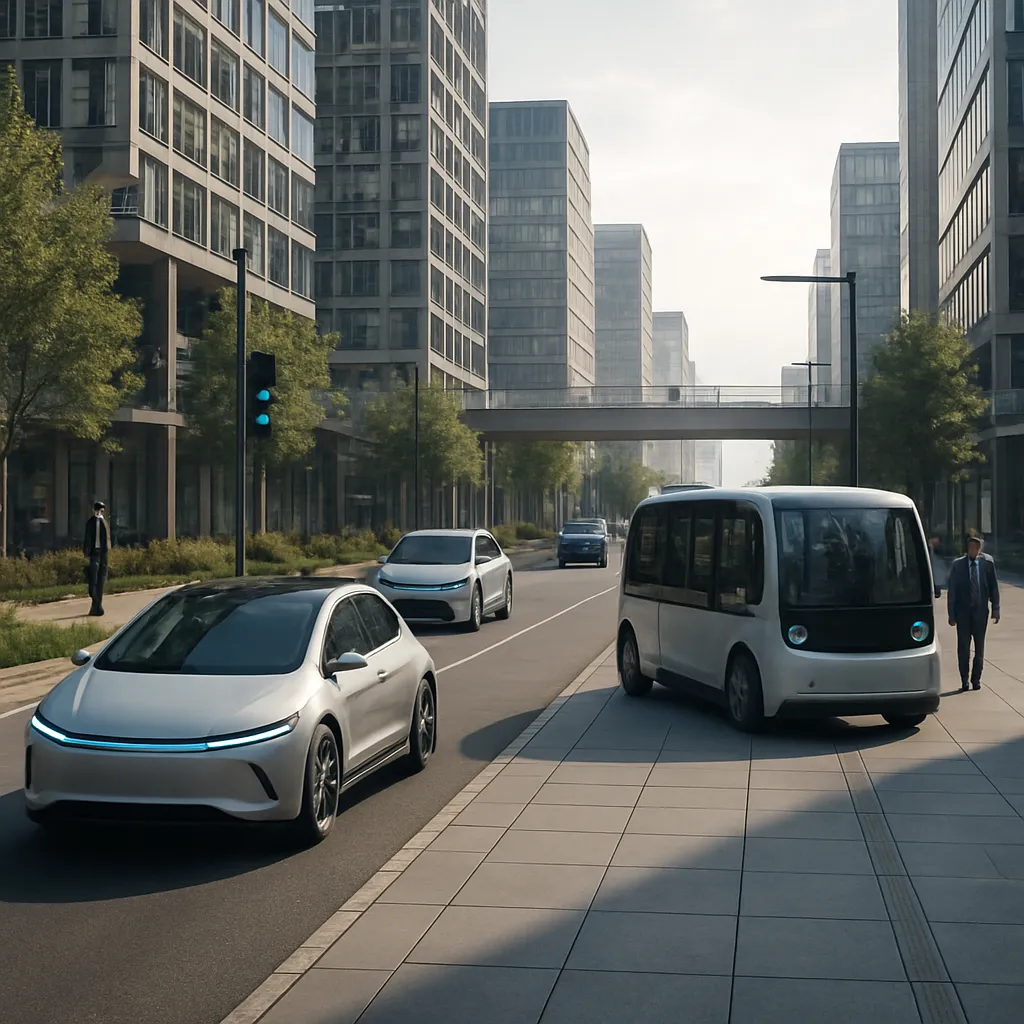
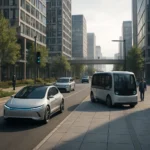
Integrated transit nodes, drone ports, and hyperloop terminals are woven directly into building cores. Citizens enjoy seamless access to shared electric vehicles and bike stations. This multimodal network, driven by innovation, ensures that structures serve as both destinations and transit hubs, optimizing urban flow.
Adaptation and Future Challenges
Climate Resilience and Flexibility
As climate patterns shift, buildings must demonstrate adaptive capabilities. Floodplains see amphibious structures that rise with floodwaters, while desert regions host reflective canopies and evaporative cooling towers. Designing for uncertainty requires buffer spaces, modular additions, and materials that withstand extreme conditions, enhancing overall resilience.
Policy, Collaboration, and Governance
Achieving truly sustainable skylines depends on partnerships among architects, planners, governments, and communities. Incentives, regulations, and green codes guide developers toward low-impact solutions. Public-private alliances drive research in advanced technologies, facilitating broader adoption of integration-focused strategies at every scale.
Emerging Concepts Shaping Tomorrow’s Cities
- Hyper-efficient microclimates enabled by enclosed green belts
- 3D-printed construction using bio-based inks
- Floating arcologies that utilize ocean currents and desalination
- Energy-sharing microgrids connecting buildings in a collaborative network
- AI-driven design platforms that customize spaces to occupant health metrics
As futuristic architects continue to push boundaries, the emphasis remains on bridging visionary ideas with ecological responsibility. By championing sustainability, harnessing advanced technologies, and fostering integration within complex urban webs, the next generation of buildings will embody a harmonious balance between human aspiration and planetary well-being.