





The intersection of advanced computation and emergency architecture is reshaping how we envision rebuilding communities after natural catastrophes. Through **AI**-driven methodologies, architects and engineers are crafting structures that not only recover what was lost but transcend previous limits of **resilience** and **sustainability**. By leveraging cutting-edge tools—from **automation** platforms to **robotics**—post-disaster reconstruction transforms into a proactive, data-informed process. This exploration delves into key developments in **adaptive** design, rapid manufacturing, and real-time simulation that define the future of rebuilding in crisis zones.
Integrating AI-Driven Design with Resilient Infrastructure
In the wake of a devastating earthquake or hurricane, the immediate priority is shelter. Traditional approaches rely on manual surveying and standardized blueprints, which can be slow and rigid. By contrast, **AI**-enhanced design systems analyze satellite imagery, ground-penetrating radar, and real-time environmental data to generate context-sensitive models. These systems utilize advanced **algorithms** to optimize structural layouts for local soil conditions, wind patterns, and flood zones.
- Parametric frameworks enable rapid iteration of building forms, balancing aesthetics with safety thresholds.
- Machine learning-driven material selection prioritizes regional availability and carbon footprint, boosting **sustainability**.
- Adaptive zoning plans support phased rebuilding, allowing communities to return gradually as sections become habitable.
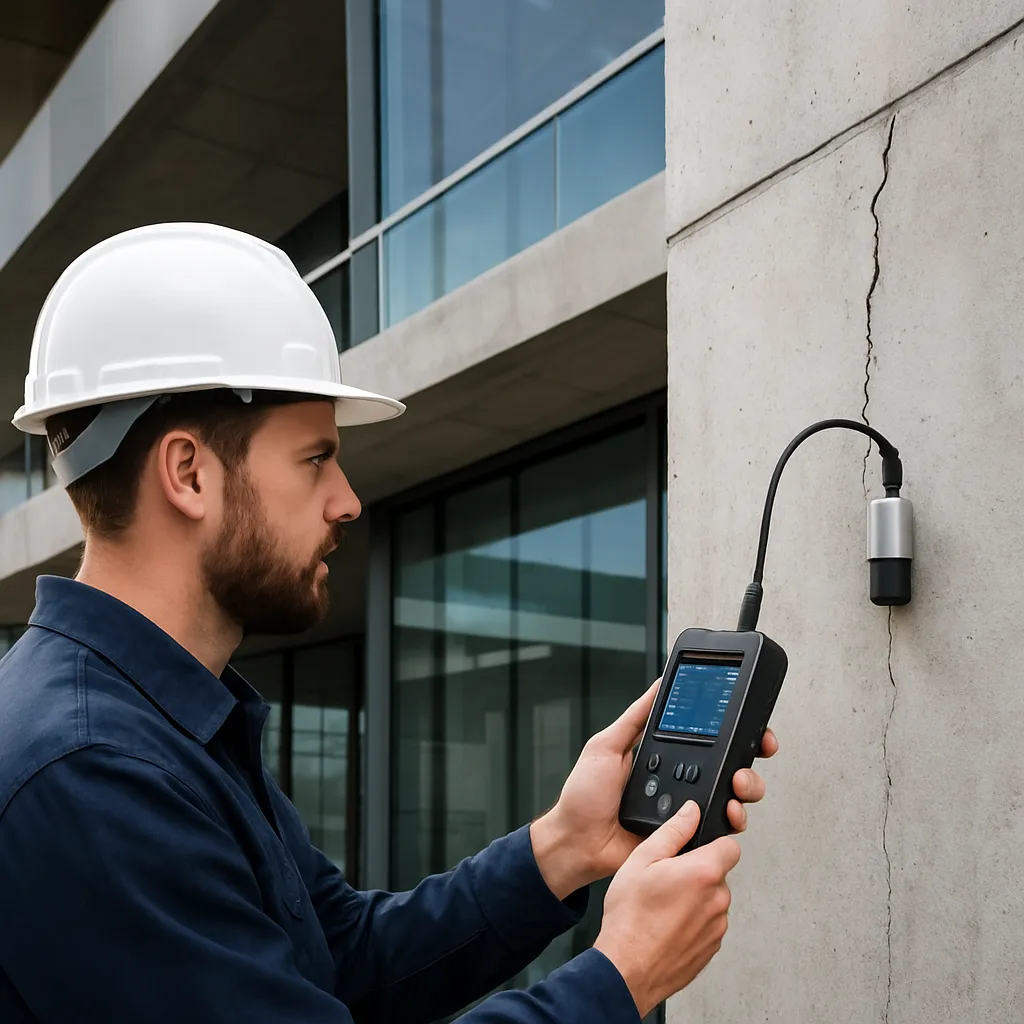
By embedding sensors into preliminary foundations, the next generation of structures becomes self-aware. Continuous monitoring alerts maintenance crews to micro-fractures or shifting loads before they escalate into catastrophic failures. This proactive stance exemplifies a shift from reactive repair to a holistic model of **resilience**, where every component is both intelligent and responsive.
Robotics and Advanced Manufacturing for Rapid Response
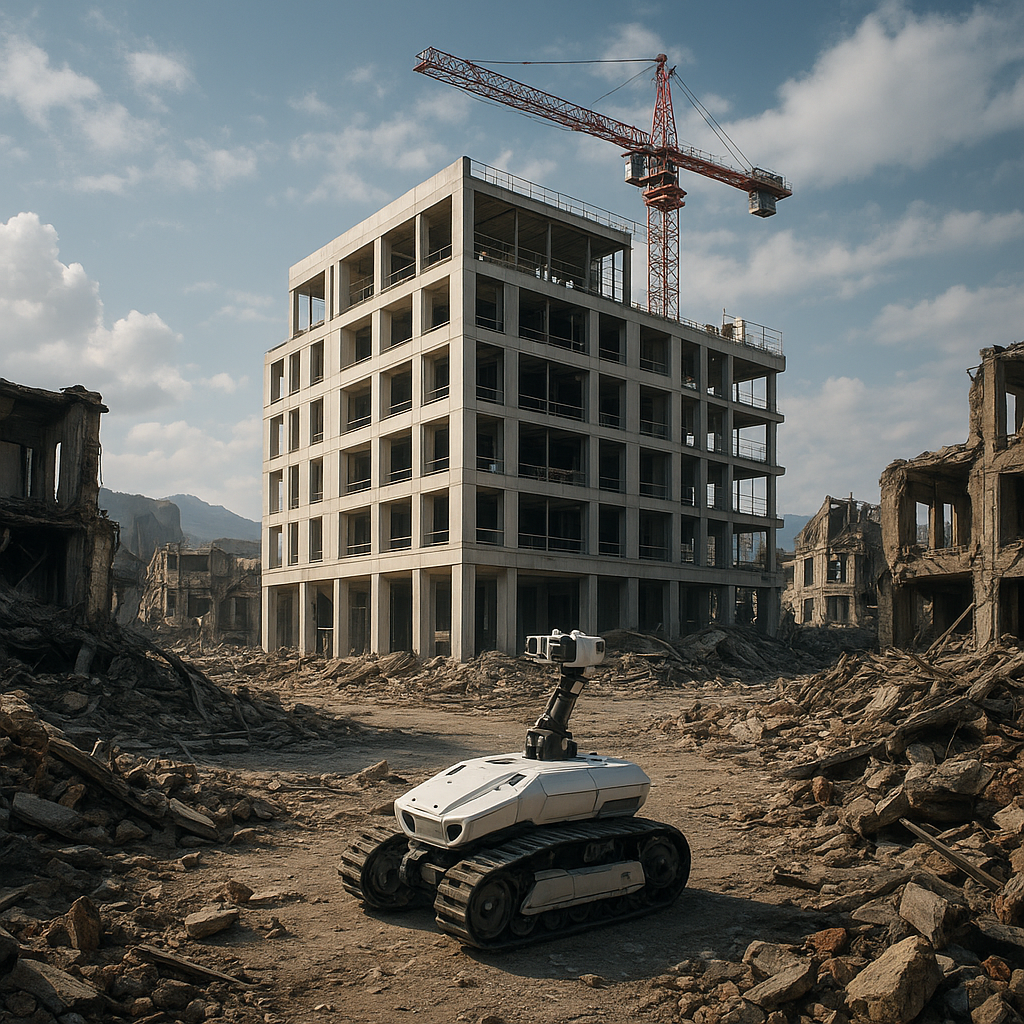
Conventional construction often stalls when roads and supply lines are compromised. In contrast, mobile fabrication units equipped with 3D concrete printers and **robotics** arms can deploy on short notice, autonomously producing housing modules on site. These units rely on programmable robotics cells that interpret digital blueprints and execute complex assembly tasks with minimal human oversight.
Key advantages include:
- Modular pod construction that snaps together like building blocks, reducing dependency on large crews.
- Automated material handling systems that sort, cut, and assemble panels in microgravity or uneven terrain.
- On-the-fly recalibration of printer nozzles and welders to compensate for local environmental factors.
Such **automation** not only accelerates build times but standardizes quality across dispersed sites. In scenarios where power is limited, solar arrays integrated into robotic platforms ensure uninterrupted operation. Linking these machines via mesh networks allows remote operators to fine-tune parameters, ensuring each habitation unit meets stringent safety and comfort criteria despite challenging conditions.
Predictive Analytics and Digital Twin Applications
The concept of a **digital twins**—virtual replicas of physical structures—has become indispensable in pre-emptive disaster planning. By simulating dynamic stress tests and environmental impacts in real time, stakeholders can forecast vulnerabilities and reroute resources before damage occurs. Integration of **predictive** models with live sensor feeds transforms every building into an evolving data source, guiding both immediate repairs and long-term retrofits.
Major innovations include:
- Cloud-based dashboards that aggregate seismic, hydrological, and meteorological inputs for holistic risk assessment.
- Machine vision systems that autonomously scan facades and support beams for signs of material fatigue.
- AI-driven resource allocation engines that prioritize high-risk zones for provisional reinforcement.
When a flood or aftershock hits, decision-makers can launch scenario-based interventions within seconds, visualizing how water levels or tremors will propagate. This **adaptive** strategy minimizes downtime, prevents secondary collapses, and ensures that emergency teams are always one step ahead of evolving threats.
Challenges and Ethical Considerations
While the promise of AI-enabled reconstruction is immense, it raises complex questions about equity, data privacy, and the displacement of traditional labor. Deploying **algorithms** in delicate humanitarian contexts demands transparency and community engagement to avoid unintended harm. Key considerations include:
- Data sovereignty: Ensuring that affected communities retain control over sensitive geospatial and biometric information.
- Algorithmic bias: Preventing AI models from inadvertently privileging wealthier districts or marginalized groups during resource allocation.
- Labor transition: Crafting retraining programs for local construction workers to operate and maintain advanced robotics platforms.
- Regulatory compliance: Harmonizing international building codes with emerging digital fabrication standards.
Addressing these issues requires a multidisciplinary approach, blending urban planning, social science, and computer engineering. By fostering open-source frameworks and participatory design workshops, architects can co-create equitable reconstruction blueprints that uphold human dignity as fervently as structural integrity.
Toward a More Secure Tomorrow
The future of post-disaster reconstruction lies in melding human creativity with machine precision. Through **AI**, **robotics**, and real-time **digital twins**, battered communities can rebuild smarter and stronger than ever before. As these technologies mature, they will redefine the boundaries of what is possible when nature tests our will—and our capacity to innovate in the face of adversity.