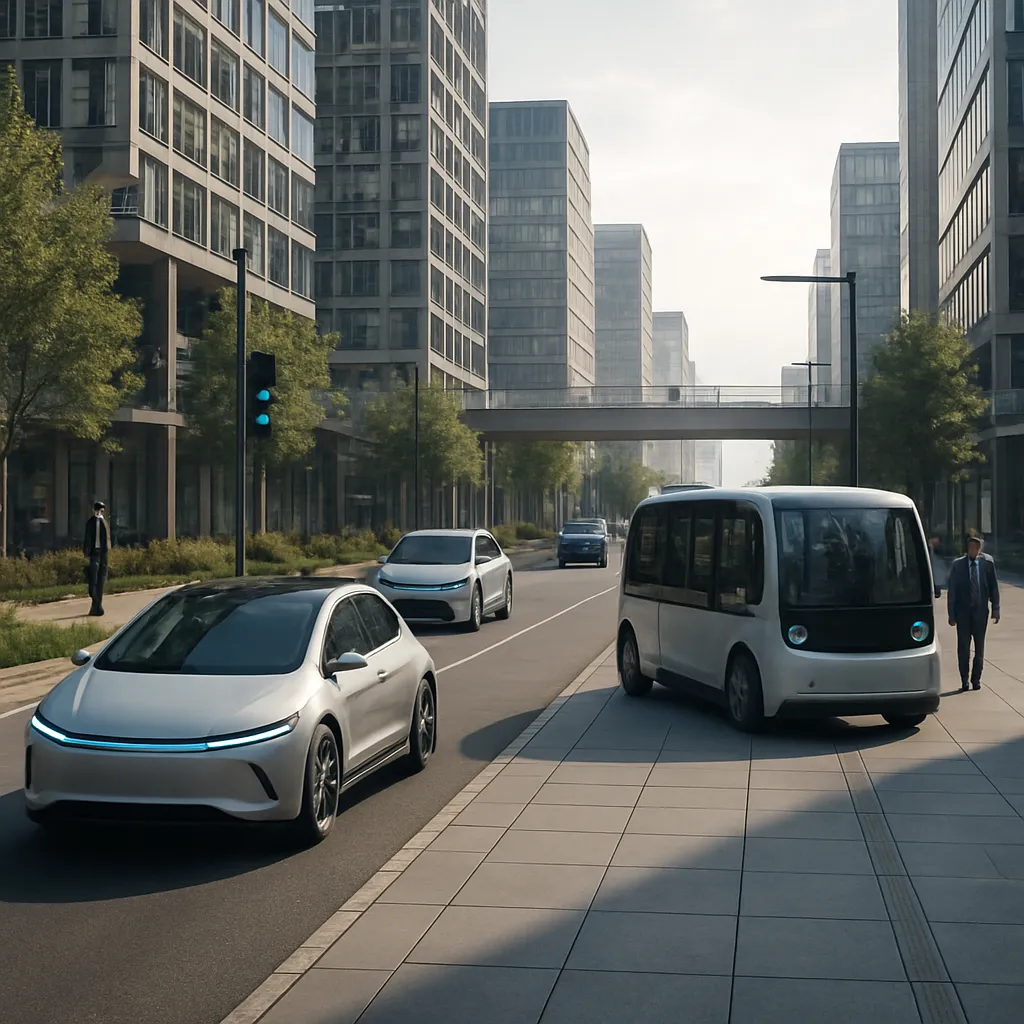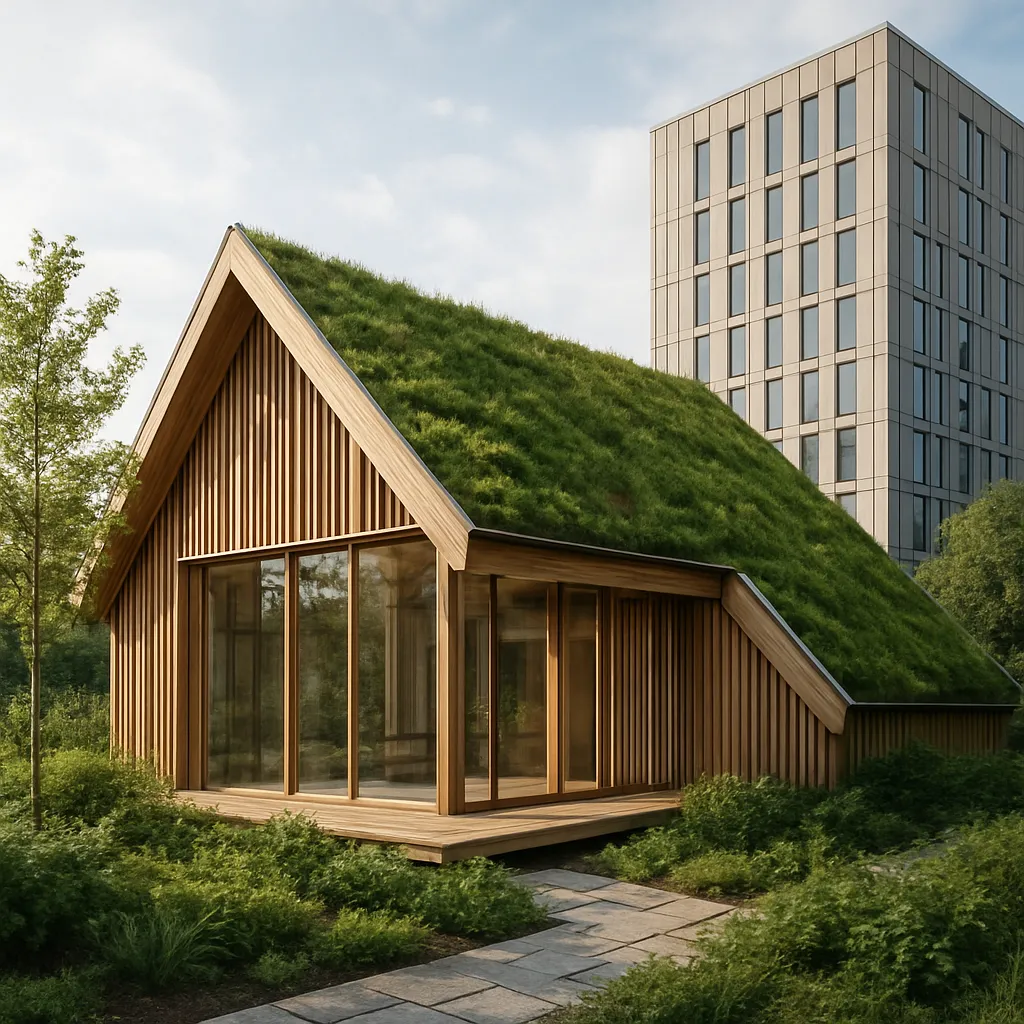


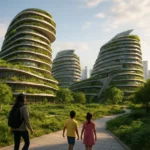




Emerging trends in futuristic architecture harness the power of AI-driven urban planning to reshape how cities expand and evolve. As algorithms digest vast datasets from sensors, satellites, and real‐time human activity, a new horizon of predictive design unfolds. City managers and architects collaborate with advanced analytics to create living, breathing metropolises that adapt dynamically to environmental, social, and economic shifts.
Data-Driven Predictive Modeling
Integrating urban analytics with machine learning platforms offers unprecedented foresight. Planners feed models with historical census figures, traffic patterns, energy consumption rates, and even social media check-ins. These inputs power deep learning networks that unveil hidden correlations between population surges and resource demands.
Key Components
- Digital twin simulations replicate existing neighborhoods in virtual space, enabling “what-if” explorations without real‐world risk.
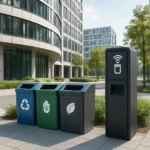
- Real-time IoT sensor networks capture air quality, pedestrian flows, and structural strain, providing continuous feedback loops.
- Genetic algorithms optimize street grids, zoning distributions, and transit corridors for maximum efficiency and resilience.
Forecast models can project growth hotspots years ahead, allowing authorities to allocate utilities, public services, and green spaces proactively. By anticipating expansion trajectories, cities avoid costly retrofits and accommodate demographic trends—from an influx of remote workers to the aging population requiring accessible layouts.
Adaptive Infrastructure and Modular Design
Futuristic architecture emphasizes modular building blocks that evolve alongside their environment. Prefabricated structural elements, designed with digital precision, slide together to form towers, bridges, and communal plazas. When predictive analytics signal shifting population centers, modules reconfigure, ensuring infrastructure stays aligned with demand.
Benefits of Modularity
- Rapid deployment cuts construction time.
- Scalable footprints accommodate either densification or de-densification.
- Component reuse reduces material waste and carbon emissions, advancing sustainability goals.
Imagine neighborhoods where residential units float on adjustable piers above flood plains, rising in concert with water levels. Or imagine parks that morph into event spaces when predictive signals denote cultural gatherings. Such dynamic environments bolster communal resilience and celebrate human ingenuity.
Integrating Sustainable Energy Ecosystems
Next-gen cities derive power from a mosaic of renewable sources—solar canopies atop buildings, wind turbines embedded in façades, and piezoelectric tiles beneath footpaths. AI orchestrates distribution, drawing on storage nodes at microgrid scale. With blockchain‐enabled energy trading, residents buy and sell surplus power peer‐to‐peer.
Smart Grid Coordination
- Machine learning forecasts consumption spikes and dips, ensuring batteries charge during off‐peak hours and discharge when demand rises.
- Decentralized ledger technology guarantees transparent, tamper-proof records of energy flows and transactions.
- Edge computing nodes process local data for latency-free adjustments, while cloud servers handle long-term trend analysis.
This convergence of AI, autonomous control systems, and green technologies forges carbon-neutral districts. Rooftop parks with algae bioreactors scrub CO2, while underground thermal loops regulate ambient temperature, lessening reliance on HVAC systems.
Human-Centric Public Spaces
While data reigns supreme, futuristic design never neglects the human experience. Urban plazas coalesce around biophilic corridors lined with living walls and digitally augmented fountains that adjust flow in response to real-time crowd density. Augmented reality lenses guide visitors along sensory trails, overlaying historical narratives and art installations on building exteriors.
Enhancing Social Fabric
- Interactive kiosks train AI chatbots that answer questions about local events, transit options, and emergency alerts.
- Dynamic seating pods sense postural comfort, reconfiguring automatically to encourage social interaction or solitude.
- Urban orchards, monitored by smart irrigation networks, invite residents to participate in communal harvests.
Such environments fuse resilience with delight, forging bonds among diverse populations. Algorithms monitor usage patterns to refine spatial layouts, ensuring that plazas, walkways, and rooftops never outlive their purpose or become underutilized.
Evolving Governance and Ethical Frameworks
Advanced planning demands new policy paradigms. Municipalities partner with academic institutions and tech consortia to draft guidelines on data privacy, algorithmic transparency, and equitable resource distribution. Public feedback loops, driven by open‐source dashboards, enable citizens to review predictive outputs and contest proposals before implementation.
Principles for Responsible AI
- Bias mitigation ensures models don’t marginalize vulnerable communities or amplify socioeconomic divides.
- Consent protocols govern the collection of personal mobility and lifestyle data, upholding individual autonomy.
- Accountability mechanisms assign clear stewardship for AI decisions, from zoning changes to infrastructure spending.
Through democratic oversight and continuous audit trails, city growth remains anchored in public trust. When projections recalibrate due to unforeseen events—pandemics, climate emergencies, or geopolitical shifts—adaptive governance secures rapid, community-focused responses.
Future Horizons: Beyond Predictive Blueprints
Looking ahead, urban planning may transcend terrestrial bounds. Concepts like off-world habitats and floating arcologies beckon explorers to craft self-sustaining enclaves on lunar surfaces or drifting oceanic platforms. Here, AI’s role intensifies: closed‐loop life support systems, radiation shields, and subterranean excavation all rely on high-fidelity predictive engines.
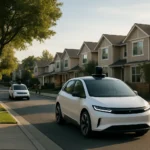
Back on Earth, cities will continue to refine AI models with federated learning techniques, preserving privacy while benefiting from global data diversity. Autonomous construction robots, guided by swarm intelligence, will erect structures in days instead of months. Materials science breakthroughs—living concrete, self‐healing polymers—will confer adaptive durability to urban fabric.
Ultimately, the synergy of AI, innovative architecture, and ethical governance will sculpt cities that are not merely collections of buildings, but responsive ecosystems—ever attuned to the rhythms of people, climate, and technology.