

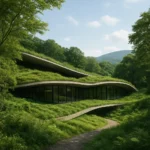



The fusion of cloud-based platforms with next-generation design methods is reshaping the landscape of futuristic architecture. Teams scattered across continents now collaborate seamlessly, drawing on powerful computational resources to co-create structures that adapt to human needs, harness environmental data, and anticipate future trends. This article explores how these tools revolutionize workflows, integrate cutting-edge technologies, and forge an interconnected global design ecosystem.
Tools Driving a Paradigm Shift
At the heart of modern architectural studios lies a suite of digital applications hosted in the cloud. By removing local hardware constraints, designers access advanced modeling engines, AI-driven generative design modules, and immersive visualization environments from any device. Key advantages include:
- Real-time model updates: Changes from any collaborator propagate instantly across the shared workspace, eliminating version conflicts and manual file exchanges.
- Data integration: Sensor feeds, climate datasets, and user analytics merge seamlessly into the design environment, informing decisions on form, material, and performance.
- Scalable compute: Complex simulation tasks—structural analysis, environmental impact studies, daylighting simulations—run in parallel on elastic server clusters.
- Secure sharing: Encrypted repositories and blockchain-backed audit trails guarantee the integrity of design revisions and intellectual property protection.
- Customizable dashboards: Project managers configure real-time visualization panels to track milestones, resource allocation, and sustainability metrics.
Integrating Emerging Technologies into Design
Parametric and Generative Workflows
Parametric design systems redefine geometry through algorithmic relationships. By adjusting input parameters, architects explore vast solution spaces, optimizing for cost, aesthetic harmony, and environmental sustainability. Cloud-hosted engines accelerate this process, allowing teams to:
- Run batch iterations overnight on high-performance nodes.
- Visualize alternative forms using web-based viewers that handle millions of polygons.
- Embed AI-driven optimization routines that learn from each iteration, refining rules for future projects.
Digital Twin and IoT Convergence
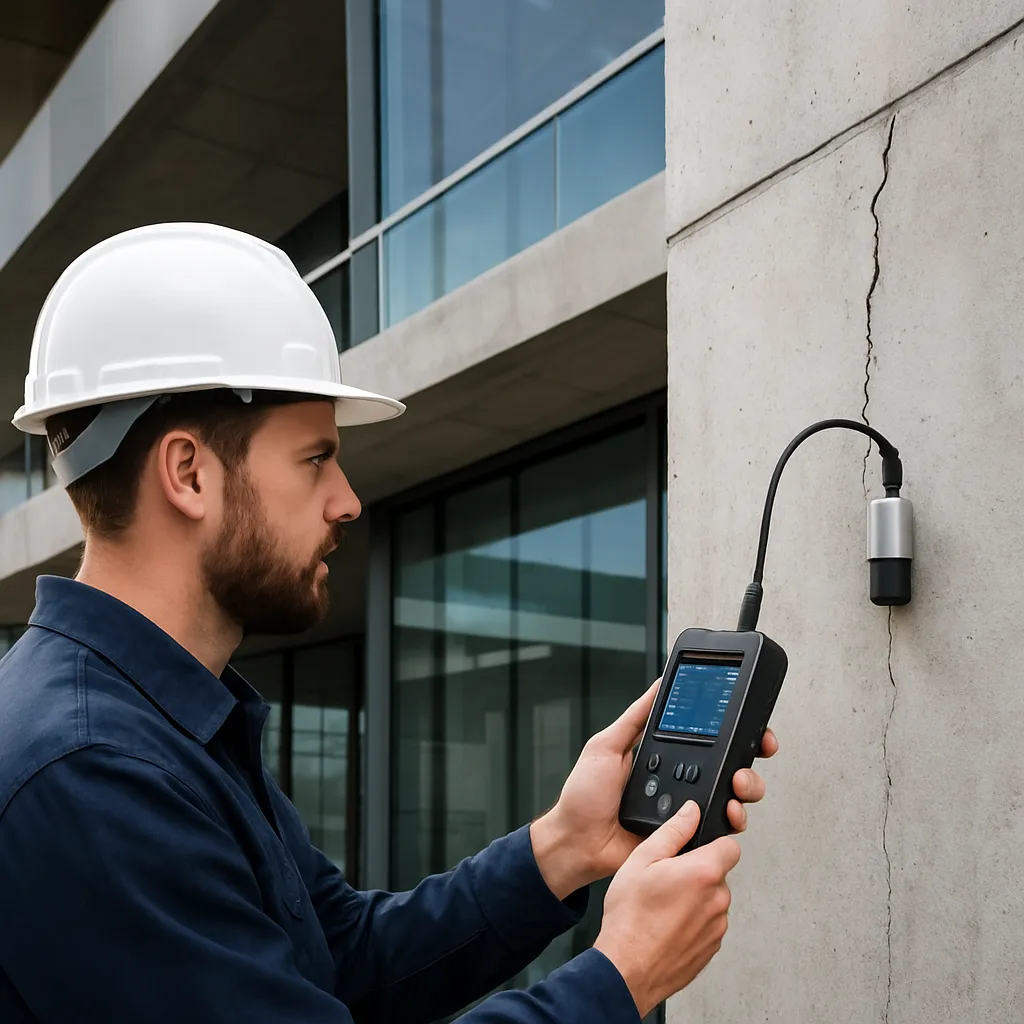
A digital twin is a dynamic virtual replica of a physical building. When paired with IoT-enabled sensors, it becomes a living blueprint, reflecting real-time data on occupancy, structural health, and energy consumption. Cloud integration enables:
- Continuous performance monitoring and predictive maintenance alerts.
- Adaptive control of lighting, HVAC, and shading systems based on occupancy patterns.
- Longitudinal studies that inform future iterations of design, improving lifecycle impacts.
Immersive Collaboration with VR/AR
Virtual and augmented reality interfaces transform stakeholder engagement. From remote design charrettes to on-site AR walkthroughs, participants experience proposals at full scale. Cloud-based streaming of high-fidelity renderings ensures smooth interaction, even on mobile devices. Key benefits include:
- Elimination of physical mockups.
- Instantaneous feedback loops for client approval.
- Training modules for facility managers, delivered through interactive simulations.
Collaborative Ecosystems Across the Globe
Beyond individual teams, a new model of open collaboration is emerging. International networks of architects, engineers, fabricators, and urban planners converge on shared platforms. These ecosystems leverage interoperability standards to exchange building information models (BIM), code compliance checks, and fabrication instructions seamlessly. Collaborative features include:
- Role-based access controls that assign permissions for editing, reviewing, and approving design elements.
- Integrated procurement modules linking material suppliers and logistic services, shortening lead times.
- Community-driven plug-ins and scripting libraries that address regional design codes and climatic conditions.
Such networks democratize innovation, enabling smaller firms and independent designers to contribute proprietary AI algorithms, parametric toolkits, and sustainable strategy templates to collective repositories. As a result, breakthroughs diffuse faster across borders, setting new benchmarks for urban resilience and aesthetic expression.
Challenges and the Path Ahead
Despite these advancements, several obstacles must be addressed to fully unlock the potential of cloud-collaborative architecture:
- Data sovereignty concerns: Regulations around cross-border data storage can limit access to centralized servers.
- Cybersecurity threats: As projects move online, safeguarding against unauthorized access and ransomware attacks becomes critical.
- Skill gaps: Professionals must master a blend of design intuition and coding proficiency to leverage parametric and AI-driven workflows effectively.
- Infrastructure disparities: Regions with limited broadband or unreliable power face hurdles in accessing high-end cloud services.
Future developments will focus on enhancing offline synchronization, embedding zero-trust security models, and democratizing access to computational resources. Emerging 5G networks and edge computing promise to bridge connectivity gaps, while federated learning approaches allow training AI design assistants without transferring sensitive project data off-premises. The synergy of these trends heralds an era where global teams co-create responsive, adaptive structures that evolve alongside their inhabitants, blurring the line between architecture and living organism.