





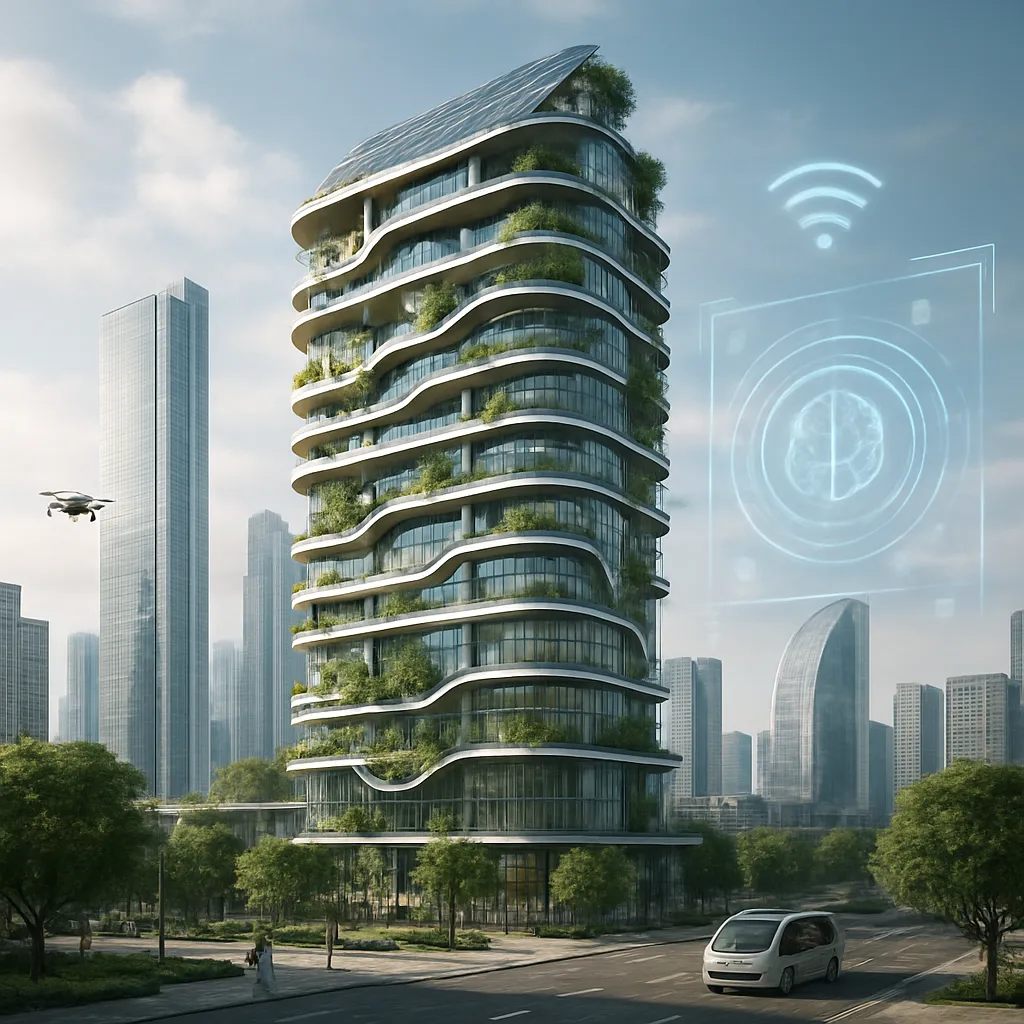
The evolution of architecture is driven by a relentless pursuit of innovation, transforming static structures into dynamic entities that learn, adapt, and respond. As urban populations burgeon and environmental pressures mount, the concept of intelligent buildings emerges as a pivotal force shaping the next era of the built environment. This discussion explores the convergence of cutting-edge technologies, design philosophies, and societal needs that underpin the rise of self-aware, responsive edifices.
The Rise of Intelligent Buildings
Imagine a skyscraper that self-adjusts its shading system based on real-time sunlight data, or an office complex that fine-tunes air quality and lighting according to occupant preferences. These scenarios epitomize the advent of futuristic architecture driven by embedded sensors and advanced control systems. The backbone of such buildings is an array of interconnected devices—ranging from temperature probes to motion detectors—that continuously collect environmental and behavioral metrics.
Through a networked ecosystem, these data points feed into centralized platforms, often leveraging AI algorithms that process information, identify patterns, and execute automated adjustments. The result is an infrastructure that evolves from mere shelter into a living organism, capable of:
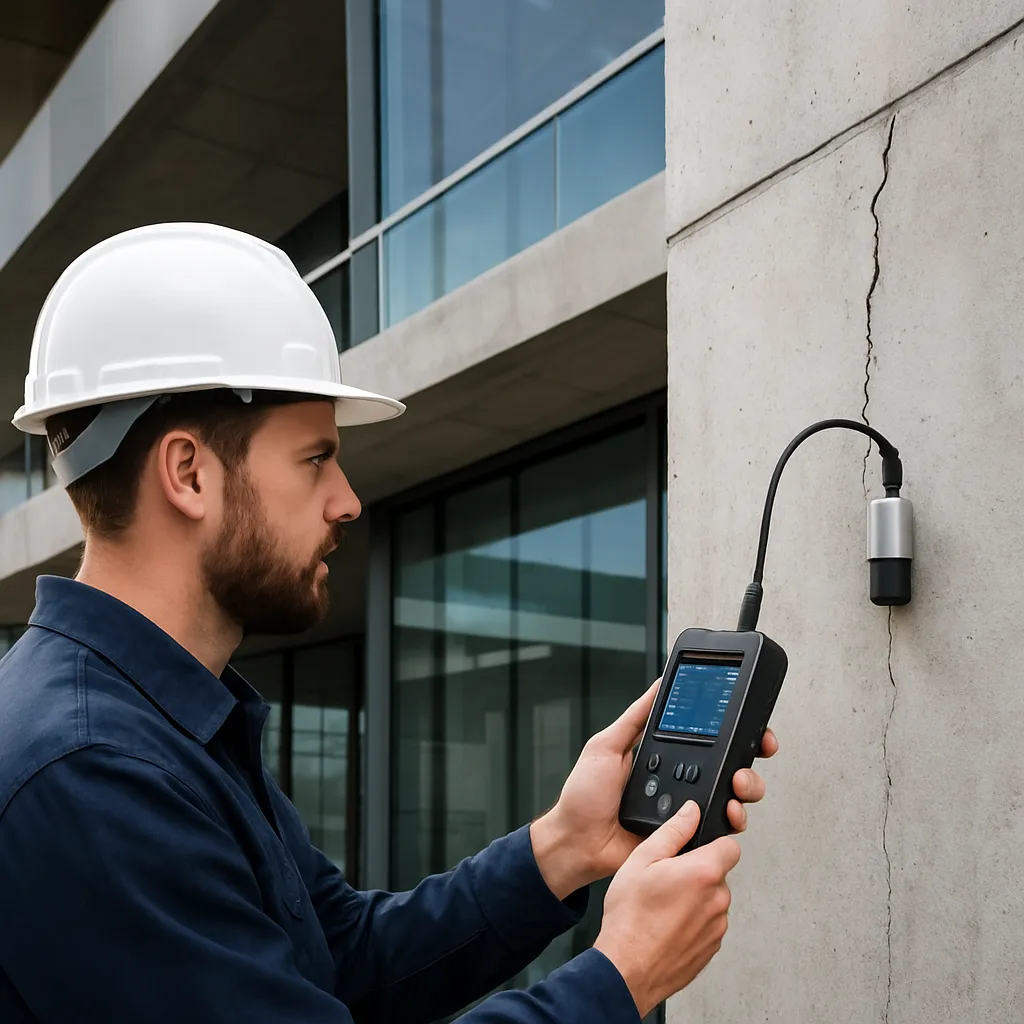
- Real-time monitoring of structural health, alerting maintenance teams before minor issues escalate;
- Predictive optimization of energy consumption, reducing utility bills while minimizing carbon footprint;
- Adaptive comfort settings that tailor temperature and lighting to individual comfort profiles;
- Enhanced security through biometric recognition and dynamic threat assessment.
Ultimately, the rise of intelligent buildings signals a shift from static design to a fluid, data-driven paradigm where structures continuously learn and refine their performance.
Technologies Driving Futuristic Design
The transformation toward intelligent buildings relies on a mosaic of emerging technologies. Key components include:
Internet of Things (IoT) Integration
By embedding IoT devices within floors, walls, and ceilings, architects can achieve granular control over every aspect of a building’s environment. Networked nodes communicate via low-power wireless protocols, enabling robust data transmission with minimal energy draw.
Machine Learning and Artificial Intelligence
At the heart of self-aware buildings lie AI engines that interpret sensor streams, forecast demand curves, and autonomously orchestrate mechanical systems. Machine learning models evolve over time, refining their predictions to enhance efficiency and occupant experience.
Advanced Materials and Responsive Facades
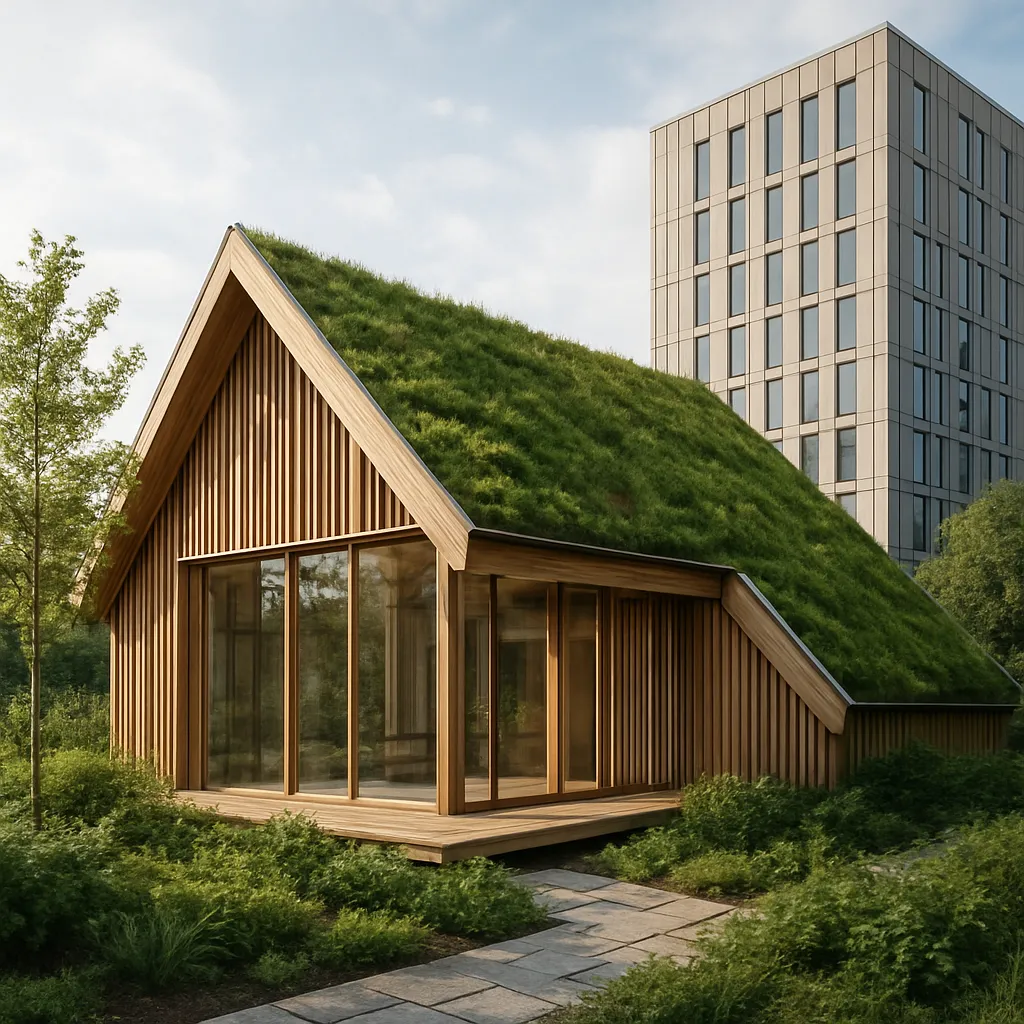
Innovations in materials science have given rise to smart cladding systems that alter thermal properties on demand. Photochromic glass, phase-change composites, and electrochromic panels empower facades to modulate light transmission, thermal insulation, and even energy harvesting.
Building Information Modeling (BIM) and Digital Twins
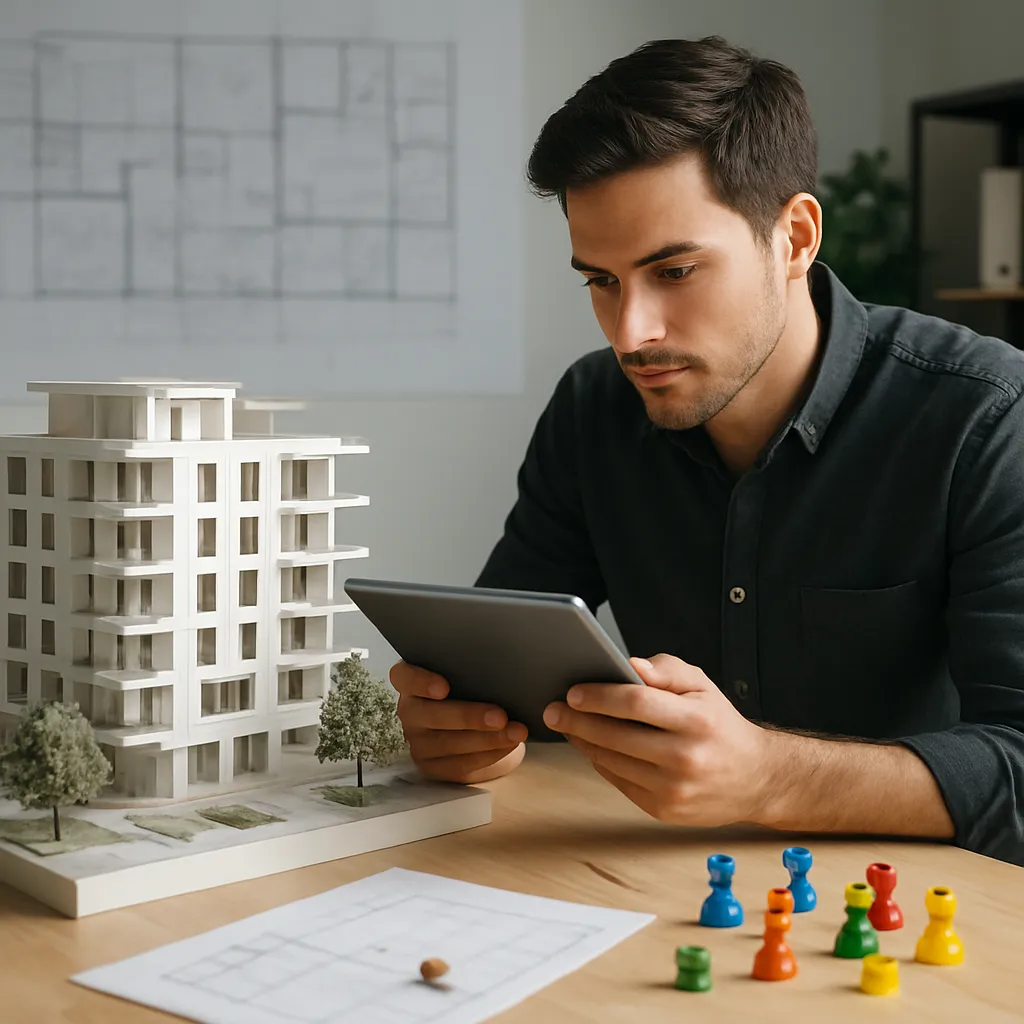
BIM platforms serve as comprehensive repositories of architectural data, from structural layouts to mechanical schematics. Coupled with digital twins—virtual replicas of physical assets—designers and facility managers can simulate performance scenarios, predict maintenance needs, and visualize energy flows in a fully interactive environment.
Renewable Energy Integration
Intelligent buildings often incorporate solar photovoltaics, geothermal systems, and wind turbines directly into their design. Energy storage solutions, such as advanced batteries and hydrogen fuel cells, further bolster onsite generation, enabling buildings to function as microgrids that supply power back to the broader network.
These technologies, woven together, formulate the blueprint for tomorrow’s architecture—one that prioritizes resilience, adaptability, and environmental stewardship.
Societal Impact and Sustainability
The proliferation of intelligent buildings extends beyond ergonomic conveniences; it redefines urban resilience and resource management. Key societal implications include:
- Resource Conservation: Dynamic water recycling systems and demand-based HVAC reduce wastage of precious resources.
- Health and Well-being: Continuous monitoring of indoor air quality and circadian lighting promotes occupant wellness, decreasing absenteeism and improving productivity.
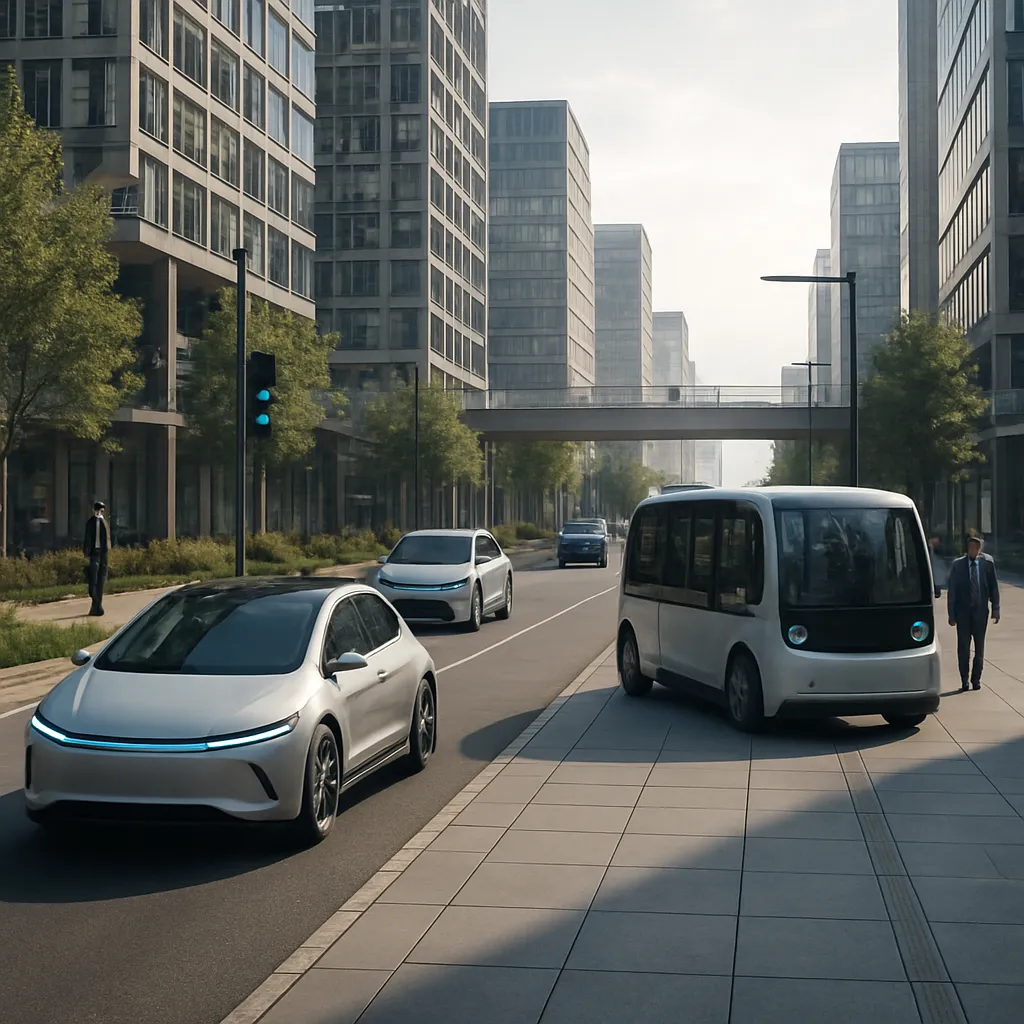
- Urban Mobility: Smart parking guidance and integrated transit hubs alleviate congestion, shortening commute times and lowering emissions.
- Disaster Preparedness: Resilient designs incorporate flood barriers, seismic sensors, and automated lockdown protocols, ensuring rapid response to environmental threats.
By embracing these principles, cities can achieve a new balance between architectural grandeur and ecological responsibility. The intelligent building becomes a node in a broader smart-city framework, collaborating with transportation networks, utility grids, and emergency services to optimize urban life.
Design Philosophies for a Connected Future
Crafting intelligent buildings necessitates a shift in design philosophy. Architects and engineers adopt an integrative approach that melds aesthetics, functionality, and technological integration from the earliest conceptual stages. Central themes include:
- Modularity and Scalability: Prefabricated, sensor-laden modules can be assembled and reconfigured to accommodate evolving needs.
- Human-Centric Design: User interfaces, from mobile apps to voice-activated consoles, empower occupants to interact intuitively with their surroundings.
- Contextual Sensitivity: Adaptive facades respond not only to climate variables but also to cultural and social dynamics, reflecting local identity.
- Lifecycle Thinking: From material sourcing to end-of-life deconstruction, every decision accounts for environmental impact and circular economy principles.
Such philosophies underscore the imperative of holistic collaboration across disciplines, forging partnerships between data scientists, ecologists, urban planners, and end-users.
Challenges and the Path Forward
Despite its promise, the journey toward widespread adoption of intelligent buildings faces hurdles. Key challenges include:
- Data Privacy and Cybersecurity: Securing sensitive occupant data and safeguarding control systems against cyber threats remain paramount.
- Interoperability: Divergent communication standards among IoT devices can hinder seamless integration and complicate maintenance.
- Cost Barriers: High upfront expenses for sensors, analytics platforms, and renewable installations may dissuade stakeholders without incentives or long-term financing models.
- Regulatory Compliance: Evolving building codes and zoning regulations must reconcile with novel technologies, necessitating agile policy frameworks.
Overcoming these obstacles requires concerted efforts from industry leaders, policymakers, and academic institutions. Pilot projects and living labs offer testbeds to validate prototypes, refine best practices, and demonstrate return on investment.
The Horizon of Architectural Intelligence
As computational power becomes ubiquitous and materials gain unprecedented capabilities, the concept of a building will transcend its traditional boundaries. No longer mere static refuges, future structures will embody adaptability and resilience, forging an intimate partnership with inhabitants. Imagine neighborhoods where every edifice communicates with drones, autonomous vehicles, and personal devices, orchestrating energy flows and public services in real time. Envision multi-use complexes that reconfigure their layouts overnight to host cultural events or emergency shelters.
In this unfolding chapter of architectural history, the interplay between human creativity and intelligent systems promises to unlock new dimensions of urban life. As we stand at the cusp of this transformation, one certainty remains: the blueprint for tomorrow’s cities will be etched not only in steel and glass but in data streams and algorithms, steering us toward a more connected, sustainable, and vibrant future.