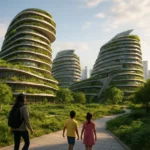


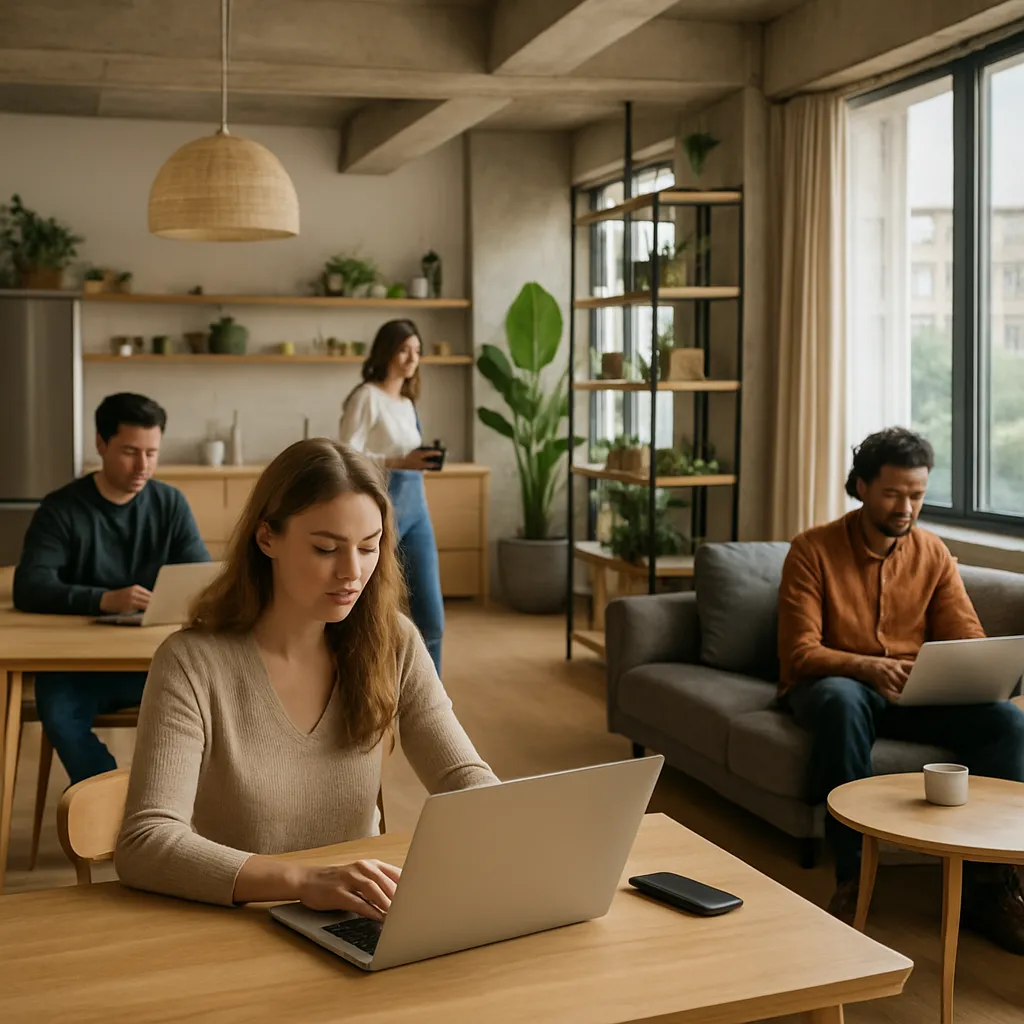
Envision a horizon where urban landscapes evolve into dynamic ecosystems pulsing with human interaction and technological prowess. Co-living has become the cornerstone for digital nomads seeking not just shelter, but a lifestyle infused with innovation, flexibility, and a deep sense of community. Advanced materials and adaptive systems converge in buildings that learn from their occupants, while modular units shift and reconfigure to suit evolving needs. This journey into futuristic architecture explores how co-living spaces are being reimagined to foster collaboration, enhance well-being, and deliver unparalleled autonomy to a generation untethered by traditional constraints.
Adaptive and Modular Living Environments
At the heart of next-generation co-living is the principle of modularity. Gone are the days of fixed floor plans; instead, residents inhabit units that can expand, contract, or merge at a moment’s notice. Walls slide on magnetic rails, furniture unfolds from concealed bays, and robotic systems reposition fixtures based on daily routines. This adaptability not only maximizes spatial efficiency but also supports a spectrum of lifestyles—from focused remote work to communal gatherings.
Key features include:
- Reconfigurable Pods: Individual pods adapt their size and amenities through pneumatic actuators, catering to solo retreats or doubling as meeting rooms.
- Smart Partitioning: Transparent electrochromic panels that shift from opaque to clear, offering privacy or visual unity on demand.
- Automated Furnishings: Desks, beds, and seating that rise, fold, or extend, all orchestrated via AI-driven usage patterns.
These mechanisms enhance connectivity within the building, allowing spontaneous collaboration or quiet solitude. Residents become co-creators of their environment, blurring the line between architecture and occupant.
Integrating Sustainability and Biophilic Design
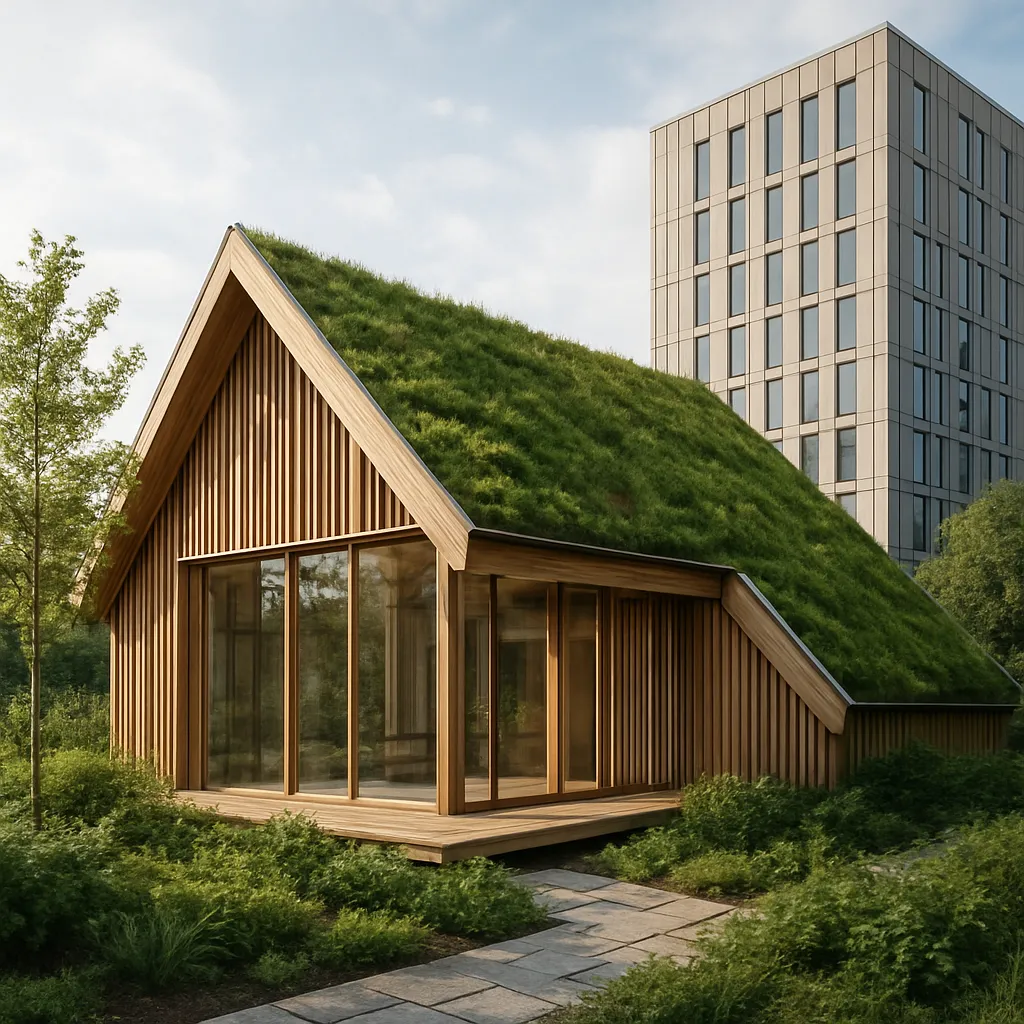
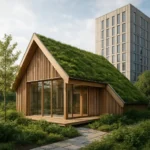
Eco-consciousness sits at the core of futuristic co-living. Structures harness renewable energy, capture rainwater, and even recycle greywater for vertical gardens. Biophilic features—living walls, indoor micro-forests, and rooftop orchards—promote well-being and forge a daily connection with nature.
Energy and Resource Management
- Solar facades with perovskite panels that adapt tilt and opacity to optimize power generation.
- Piezoelectric flooring in communal corridors that converts foot traffic into supplemental energy.
- Closed-loop water networks that purify and redistribute wastewater for irrigation.
By embedding these systems, co-living hubs minimize their ecological footprint and achieve near net-zero operation. Occupants participate in gamified sustainability challenges, earning rewards for lowering personal energy usage or contributing to rooftop harvest yields.
Biophilic Integration
- Multi-level gardens sculpted into circulation cores, providing microclimates and natural air filtration.
- Smart planters that analyze soil and microbe health, adjusting hydration and nutrient delivery automatically.
- Green corridors that guide airflow and serve as social pathways lined with native flora.
This synthesis of technology and nature fosters mental restoration, reduces stress, and cultivates an environment where the boundary between indoors and outdoors is virtually erased.
Community-Driven Spatial Dynamics
Co-living’s allure extends beyond cutting-edge features; it thrives on the social fabric woven among residents. Architects now embed communal nodes within building fabric—communal kitchens, workshop labs, and immersive lounges—that adapt based on usage analytics.
Programming Common Areas
- Pop-up seminar pods: soundproof micro-amphitheaters that materialize for presentations or dissolve when idle.
- Augmented Reality Gardens: interactive surfaces where neighbors can share digital art or host virtual co-working sessions.
- Universal Fabrication Labs: equipped with 3D printers and CNC machines, enabling residents to prototype and collaborate on creative projects.
These spaces pulse with the rhythms of communal life, encouraging serendipitous encounters and skill-sharing. A resident might code an app one moment, then break bread with a peer across the hall in a fully automated communal kitchen the next. This design ethos fosters resilience—a living network that self-adjusts to the collective needs of its inhabitants.
Technological Ecosystems and Predictive Intelligence
Smart co-living buildings evolve into sentient environments, leveraging AI to predict patterns, precondition spaces, and customize experiences. Each resident interacts with a personal digital twin—a cloud-based avatar that learns preferences, schedules, and comfort thresholds.
Personalized Climate and Lighting
- Adaptive HVAC systems that calibrate temperature and humidity per individual thermal comfort profiles.
- Dynamic lighting arrays that modulate color temperature to support circadian rhythms, boosting productivity and rest.
Seamless Connectivity
- Omni-protocol IoT backbones ensuring uninterrupted broadband, low-latency networks for global collaboration.
- Edge-computing nodes within each unit, processing data locally to safeguard privacy and accelerate response times.
This orchestration of data streams creates a truly immersive habitat. Residents receive real-time suggestions—perhaps a quiet nook for focused work or an open terrace primed for a sunset yoga session. Through continuous feedback loops, the building recalibrates itself to sustain optimal comfort and social harmony.
Spatial Fluidity and Urban Integration
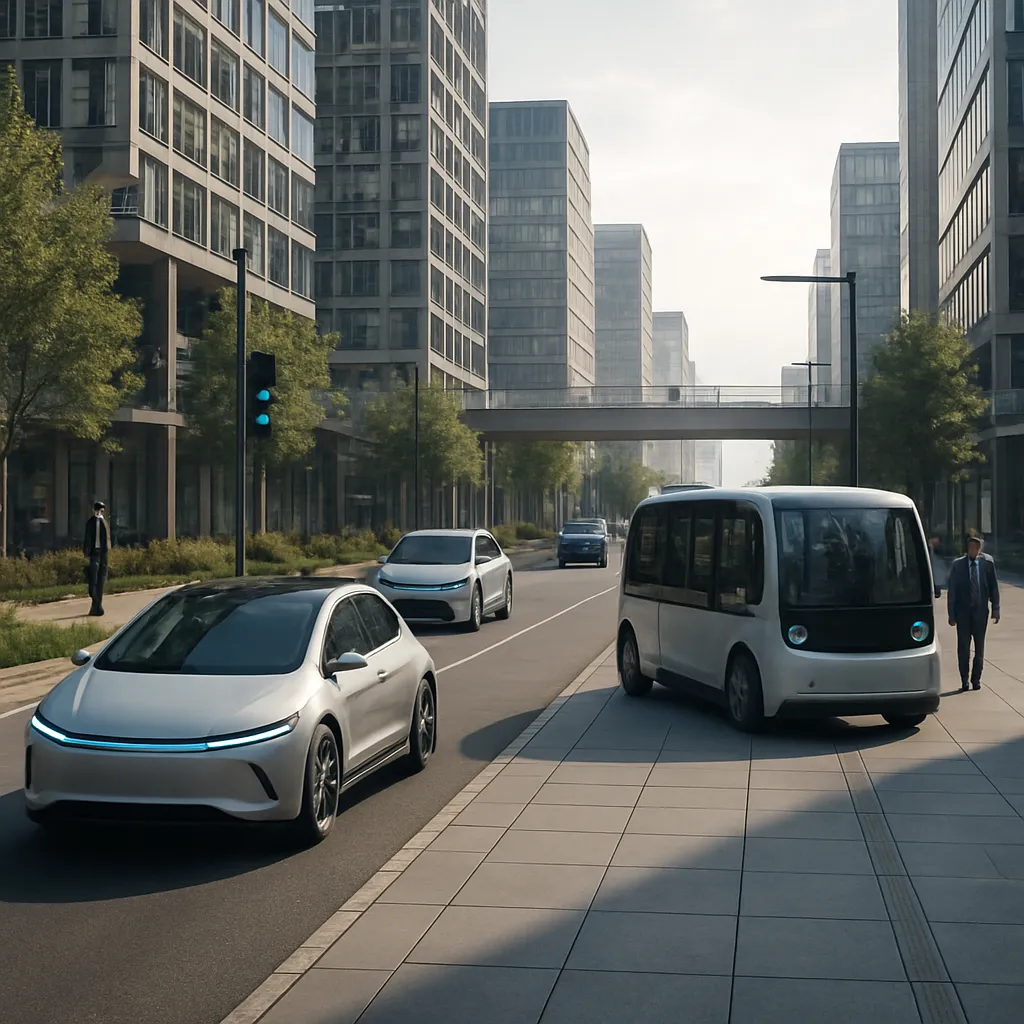
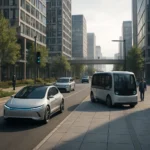
Futuristic co-living transcends the confines of a single structure, weaving into the larger urban tapestry. Buildings link vertically and horizontally, forming a mesh of elevated walkways, pneumatic elevators, and drone-landing platforms. This interconnected network enables rapid transit between co-living nodes, local hubs, and city centers.
- Sky Bridges: Automated shuttles embedded in aerial trusses, gliding above streets to ferry residents safely.
- Micro-Hubs: Satellite co-living modules stationed near transit nodes or co-working clusters, offering short-term stays.
- Drone Logistics: A dedicated airspace and landing pads streamline package delivery, medical supplies, and even shared mobility devices.
In this paradigm, the city breathes as one organism, adapting to the ebb and flow of its nomadic population. Neighborhood boundaries blur as co-living clusters form dynamic corridors of activity.
Emerging Challenges and Ethical Considerations
As we embrace this brave new world, important questions arise around data privacy, equitable access, and cultural preservation. Personalized AI systems require robust encryption and transparent governance to prevent misuse of intimate behavioral data. Additionally, ensuring that co-living innovations remain accessible to diverse income levels is crucial for avoiding exclusive enclaves.
- Data Sovereignty: Residents must retain control over personal data, with opt-in architectures and decentralized storage.
- Affordability Models: Sliding-scale rent structures and cooperative ownership plans maintain economic diversity.
- Cultural Sensitivity: Architectural interventions should respect local traditions and integrate community stakeholders in design processes.
Balancing rapid technological deployment with social responsibility will determine whether these futuristic co-living environments become inclusive havens or gated havens for the privileged few.