




The architecture of tomorrow is unfolding at the intersection of advanced computation, responsive materials, and data-driven decision-making. As buildings evolve from static monuments into dynamic, living systems, designers are tasked with embedding autonomy at every scale—from the molecular structure of façade panels to the overarching management of urban energy flows. This exploration delves into the core principles, technologies, and societal impacts of self-managing buildings, charting a course toward environments that perceive, learn, and adapt without human intervention.
Intelligent Infrastructure: Foundations of Self-Managing Buildings
Sensory Foundations
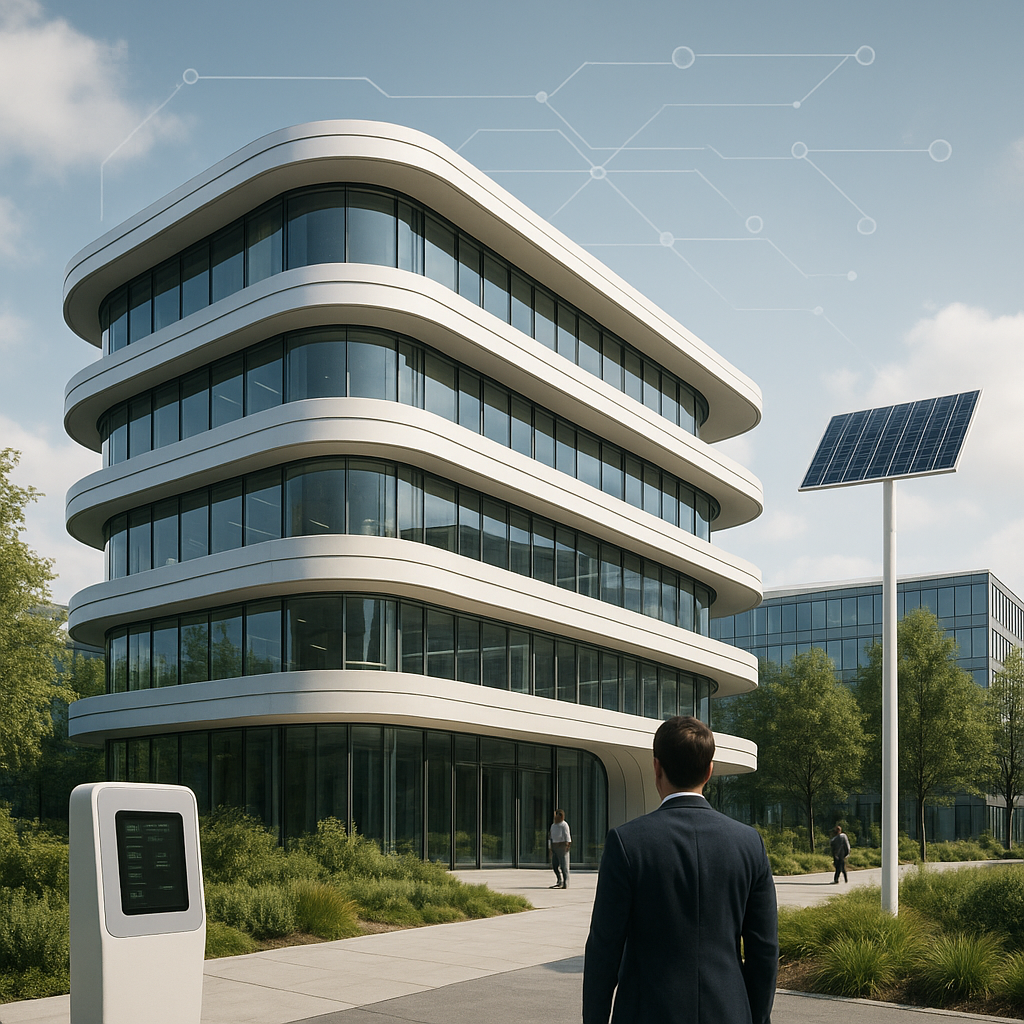
At the heart of any autonomous structure lies a distributed array of sensors that continuously monitor environmental conditions, structural health, and occupant behavior. These sensor networks form a digital nervous system, enabling the building to gauge temperature gradients, humidity levels, air quality, and even subtle vibrations. By harnessing sensor networks that communicate in real time, designers can anticipate anomalies—such as thermal hotspots or stress fractures—before they escalate into critical failures.
Data Processing and Real-Time Analytics
Massive streams of raw data are only as valuable as the insights they yield. Advanced edge computing modules, embedded throughout structural elements, perform on-site analyses to reduce latency and bandwidth demands. Through a combination of machine learning algorithms and adaptive control loops, these systems classify patterns, detect deviations from normal performance, and execute corrective measures—ranging from adaptive shading adjustments to automated structural dampening.
Cyber-Physical Integration
Self-managing buildings bridge the physical and digital realms. Actuators, smart materials, and robotic assemblies respond to controller directives, seamlessly adjusting form or function. A façade module might transition from opaque insulation to transparent photovoltaic skin at midday, optimizing both illumination and energy capture. This synergy of hardware and software underscores the importance of robust cybernetics in maintaining system-wide coherence.
Autonomous Systems: Integrating Sensor Networks and AI
Predictive Maintenance
Traditional facilities management relies on scheduled inspections and reactive repairs. Autonomous buildings defy this model with predictive maintenance protocols that leverage historical and real-time data to forecast component wear. Vibration signatures in elevator motors, incremental strain in load-bearing beams, or pressure fluctuations in HVAC circuits can all serve as early warning signals. Automated service drones or in-situ repair bots can then be dispatched precisely when and where they’re needed, maximizing resilience and minimizing downtime.
Adaptive Energy Management
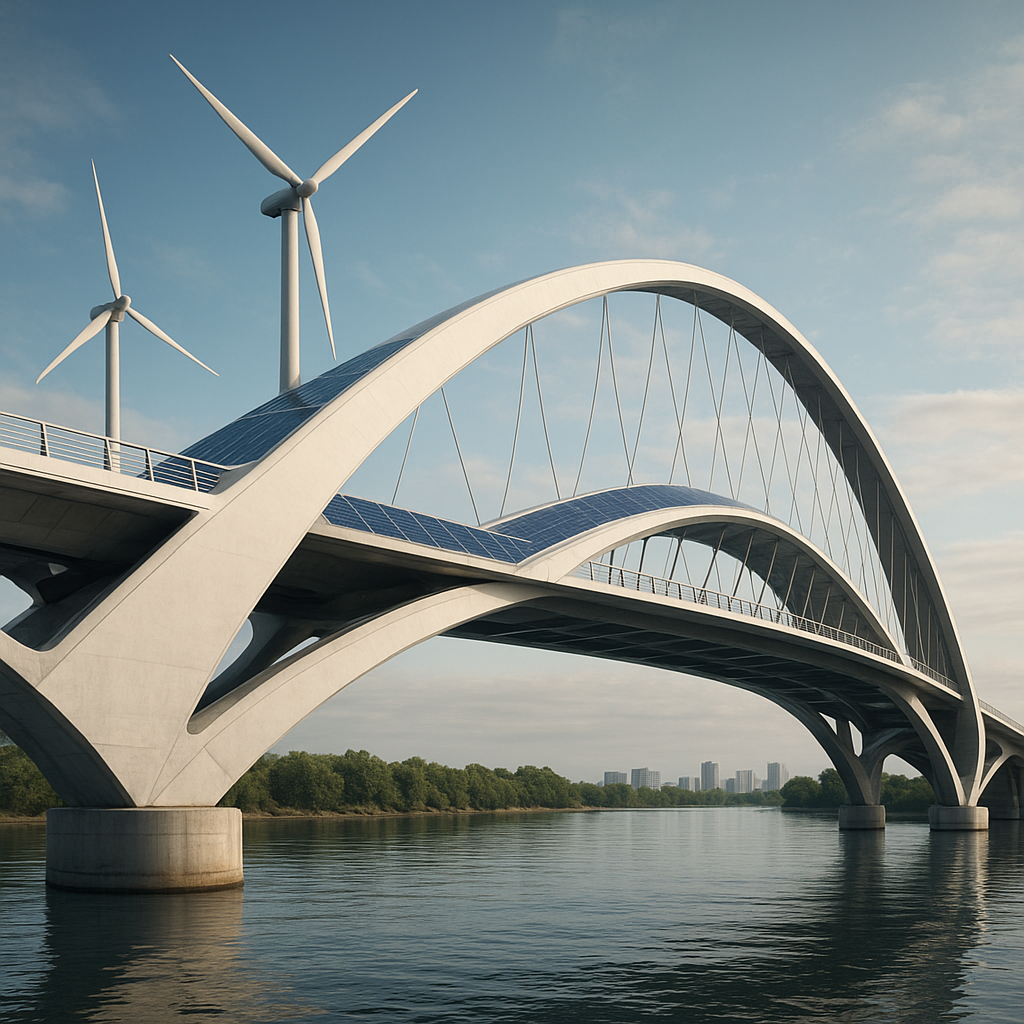
Energy represents both a lifeblood and a liability for large-scale structures. Self-managing buildings integrate on-site renewable installations—such as solar arrays, wind turbines, or even kinetic floors—to create a decentralized power grid. Through intelligent load balancing and microgrid orchestration, these edifices achieve superior efficiency while contributing excess energy to surrounding communities. Real-time price signals from utility markets inform dynamic consumption strategies, ensuring operations remain cost-effective.
Occupant-Centric Comfort
Comfort is inherently personal: one user prefers cooler air, another craves natural daylight. Autonomous systems employ AI-driven occupant profiling, combining anonymized biometric feedback with preference models. Environmental controls—from personalized ventilation to adaptive lighting—adjust automatically, creating an atmosphere that is simultaneously optimal and adaptive. Privacy safeguards, of course, are paramount, ensuring data is processed on-device and anonymized before aggregation.
Adaptive Materials and Structural Morphology
Shape-Shifting Components
The next frontier in building materials embraces morphing geometries inspired by natural organisms. Deployable walls, swelling insulation, and retractable roofs respond to both climatic and functional demands. Through embedded nanofibers and pneumatics, these elements can alter their curvature to harness prevailing winds for passive cooling or to capture rainwater during storms. Such dynamic morphology elevates the building’s capacity for innovation and environmental responsiveness.
Biomimetic Strategies
Biological systems offer templates for energy-efficient forms and processes. Coral reefs, termite mounds, and vascular leaves all optimize fluid dynamics, thermal exchange, and structural load distribution. By translating these strategies into architectural assemblies, designers can achieve new levels of sustainability. For instance, façade modules patterned after pinecone scales modulate their apertures in response to humidity, providing natural ventilation without mechanical fans.
Energy-Harvesting Surfaces
Beyond passive adaptation, buildings can actively generate power through their very surfaces. Photovoltaic glass, piezoelectric floors, and triboelectric siding convert sunlight, footsteps, and wind-induced friction into usable electricity. Integrated storage—be it through advanced batteries or emerging phase-change materials—ensures continuous operation. This paradigm of energy harvesting transforms every facade into a potential power station, blurring the line between production and consumption.
Social Impact and Sustainability in Autonomous Architecture
Community-Driven Design
Autonomous buildings do not exist in isolation. They form intricate networks within urban fabrics, exchanging data and resources with neighboring structures. Shared microgrids, communal greenhouses, and distributed waste-to-energy plants foster collective resilience. Participatory design platforms enable local stakeholders to influence system parameters—such as energy-sharing agreements or adaptive zoning priorities—ensuring that autonomy does not equate to opacity.
Environmental Stewardship
Reducing carbon footprints is a central mandate for any forward-looking project. Through life-cycle analysis and closed-loop material systems, autonomous buildings minimize waste and maximize resource recovery. Smart water management captures greywater for irrigation, while on-site bioreactors process organic refuse into biogas. This cradle-to-cradle philosophy aligns with the imperatives of global sustainability, demonstrating that high tech need not come at nature’s expense.
Ethical and Regulatory Considerations
As built environments gain decision-making authority, questions of accountability and governance arise. Who is responsible when an algorithm misreads sensor data? How do we ensure equitable access to the benefits of autonomous infrastructure? Regulatory frameworks must evolve to address liability, data privacy, and algorithmic transparency. Cross-disciplinary collaboration—uniting architects, policymakers, ethicists, and technologists—will be essential to craft guidelines that protect both individuals and the collective interest.
Futurescapes: Envisioning Tomorrow’s Habitats
Vertical Ecosystems
Concert halls with self-tuning acoustics, high-rise farms harvesting sunlight on every floor, and floating modules that adjust buoyancy in response to sea-level variations—these are just glimpses of the potential ahead. By integrating robotics, distributed AI, and innovation in material science, we can envision habitats that not only shelter but also nurture life in diverse environments, from arid deserts to oceanic expanses.
Learning Built Environments
Ultimately, the ambition is to create buildings that learn—that refine their own performance through continuous feedback. Bio-inspired neural networks running within structural membranes could evolve control strategies, enabling emergent behaviors beyond original design specifications. Such systems beckon a future where architecture is not merely constructed but cultivated, a living partner in human progress.