



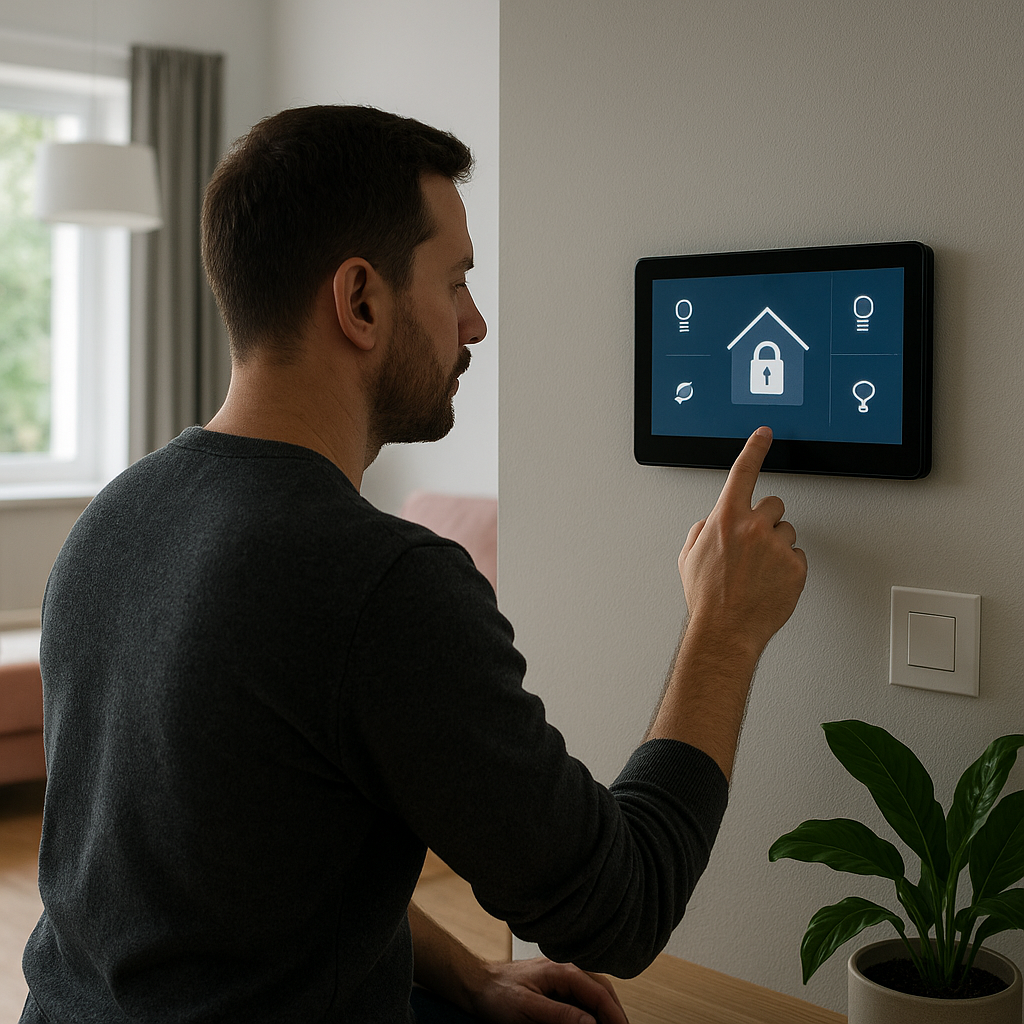
The convergence of cutting-edge sensors, artificial intelligence, and architectural innovation is redefining the concept of home. As we envision living spaces that are not only intelligent but also deeply attuned to personal preferences, the question of how to safeguard individual privacy becomes paramount. In this exploration of futuristic architecture, we delve into the design principles, technological frameworks, and ethical implications required to create safe, comfortable, and secure smart homes of tomorrow.
Privacy-Centric Architectural Strategies
Designing a home around the principle of privacy necessitates a fusion of spatial planning, material selection, and intelligent systems. By embedding privacy safeguards into the very fabric of a building, architects and engineers can anticipate and neutralize potential vulnerabilities.
Spatial Zoning for Personal Boundaries
- Implement dynamic partitions and movable walls to create adaptable rooms that respond to different occupants’ needs.
- Utilize acoustic insulation materials that absorb sound, preventing surveillance or inadvertent audio capture beyond private zones.
- Design transitional buffer areas—such as vestibules and sunken lounges—that serve as a physical barrier between public and private spaces.
Material Innovations
- Introduce light-diffusing glass with tunable opacity, allowing residents to control visual access to their interiors with the tap of a screen or voice command.
- Integrate advanced textiles embedded with phase-changing materials to regulate both temperature and signal permeability, obstructing unauthorized wireless data interception.
- Employ layered nanocoatings on surfaces that repel dirt, reduce fingerprints, and prevent residual heat signatures detectable by infrared scanning technologies.
Biophilic and Contextual Design
By incorporating natural elements and local context, architects can divert attention from vulnerable technological devices. Green roofs, interior gardens, and porous facades not only enhance sustainability but also seamlessly conceal hidden sensors away from prying eyes.
Integration of Adaptive Technologies
Smart homes of the future will rely on a sophisticated network of interconnected devices. Their collective behavior must prioritize secure communication, minimal data collection, and real-time adaptability.
Decentralized IoT Frameworks
- Leverage edge computing to process sensitive information locally, reducing the need to transmit raw data to centralized servers.
- Adopt peer-to-peer mesh networks where devices authenticate one another directly, bypassing vulnerable external gateways.
- Design sensors with built-in hardware firewalls and tamper-detection circuits to thwart physical breaches and unauthorized firmware modifications.
Context-Aware AI and Machine Learning
Advanced AI models can continuously analyze user behaviors—temperature preferences, lighting adjustments, and movement patterns—while maintaining on-device processing. This approach ensures intimate profiling never leaves the home, preserving the occupant’s autonomy.
Encryption and Access Controls
- Implement quantum-resistant cryptographic protocols to future-proof communications against emerging threats.
- Utilize biometric and behavioral authentication—such as gait recognition or voice patterns—to grant access to sensitive zones within the home.
- Integrate distributed ledger technology for immutable audit trails of all access events, ensuring complete transparency in the event of disputes.
Ethical, Regulatory, and Societal Considerations
The ambition to create safe, private living environments extends beyond technology and design. It intersects with policy-making, social values, and legal frameworks. A cooperative dialogue among stakeholders is necessary to uphold individual rights while fostering innovation.
Establishing Privacy Standards
- Develop unified certification schemes for smart buildings, mandating minimal data retention and clear user consent protocols.
- Define enforceable metrics for on-site data processing, ensuring that manufacturers and service providers commit to transparent practices.
- Encourage open-source development of key security components, allowing independent experts to audit and improve system resilience.
Design Accountability and Liability
Architects, engineers, and technology vendors must share responsibility for safeguarding occupants. Detailed contracts should outline liability in cases of system failures, data breaches, or unintended surveillance. This clarity incentivizes rigorous testing and continuous improvement.
Empowering Occupants
- Offer intuitive dashboards that grant residents full control over which devices are active, what data is collected, and how it is used.
- Provide educational programs, both online and in-person, to familiarize homeowners with best practices for maintaining their digital sanctuaries.
- Implement user-friendly override mechanisms—physical kill switches or secure vaults—that instantly isolate the home from all external networks during emergencies.
Future Innovations: Towards Zero-Knowledge Environments
Looking ahead, the ultimate goal is to construct living spaces that operate on a zero-knowledge basis: systems that perform complex functions without ever holding transferable sensitive data. Achieving this will require radical advances across multiple disciplines.
- Zero-Knowledge Proofs: Cryptographic techniques enabling devices to validate user authenticity without exposing personal credentials.
- Mindful Robotics: Autonomous household robots that adapt to residents’ routines through encrypted behavioral cues, ensuring no permanent records of intimate details.
- Smart Materials: Programmable matter capable of rearranging interior configurations on demand, reducing reliance on vulnerable mechanical actuators.
- Virtual Presence Walls: Holographic interfaces that substitute for physical gatherings, preserving privacy while facilitating immersive social interaction.
- Adaptive Legislation: Dynamic legal frameworks, bolstered by AI-driven monitoring, that update in real time to address emerging risks without stifling creativity.
By weaving together these architectural, technological, and regulatory threads, the vision of truly private, intelligent homes moves closer to reality. The challenge lies not only in crafting innovative devices but also in ensuring that human dignity remains at the core of every design decision.