





The convergence of advanced **sensors**, artificial **intelligence**, and interconnected devices is redefining how medical facilities are conceived, constructed, and operated. Futuristic hospitals will no longer be mere buildings but dynamic ecosystems that anticipate needs, adapt in real time, and optimize every aspect of healthcare delivery. By leveraging predictive systems, architects and engineers are creating spaces that not only treat patients but actively support well-being from the moment a design is sketched to the day-to-day operations of a medical campus.
Intelligent Structural Design and Material Innovation
In the next generation of hospital architecture, the building envelope itself becomes an active participant in healthcare. Advanced façades embedded with micro-electromechanical **systems** regulate light, temperature, and airflow according to occupancy and external climate data. Self-healing concretes and 4D-printed composites adjust to structural stress over time, reducing maintenance costs and enhancing patient safety.
Key breakthroughs include:
- Responsive glazing with embedded micro-LEDs that provide circadian lighting cues for patients and staff.
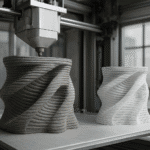
- 3D-printed structural components infused with antimicrobial agents to inhibit pathogen growth.
- Structural health monitoring networks powered by IoT nodes that alert engineers to fatigue or damage before it becomes critical.
These materials and design strategies form the backbone of a hospital capable of continuous **self-assessment**. Floor plates, corridors, and operating theaters are modularly configured on demand, enabling rapid expansion during public health emergencies or reconfiguration to support new medical specialties.
Harnessing Predictive Analytics for Operational Efficiency
At the heart of any smart hospital lies a powerful **data** analytics engine. Real-time feeds from patient monitors, inventory trackers, staff wearable devices, and environmental sensors converge in a digital twin of the facility. By applying predictive analytics, administrators can forecast bed availability, anticipate equipment failures, and optimize resource allocation down to the minute.
Core Functions of Predictive Systems
- Predictive maintenance identifies potential failures in MRI machines, HVAC systems, or sterilization units before disruption occurs.
- Patient flow modeling reduces bottlenecks in emergency departments by dynamically rerouting staff and redirecting incoming ambulances.
- Supply chain forecasting automatically triggers restocking orders for critical **medical supplies** just as usage thresholds are met.
- Energy management algorithms adjust heating, cooling, and lighting schedules to minimize waste while maintaining patient comfort.
By embedding these capabilities into the hospital’s **operational core**, healthcare organizations achieve unprecedented levels of uptime and service quality. The system’s ability to learn from historical patterns and adjust to anomalies in real time ensures resilience in both routine and crisis scenarios.
Patient-Centric Technology Integration
Futuristic hospitals prioritize the human experience, turning each room into a personalized healing environment. Through unified platforms that fuse telemedicine, **augmented reality**, and responsive room controls, patients gain a sense of agency and comfort.
- Wearable biosensors continuously transmit vital signs to care teams, enabling early intervention if anomalies arise.
- Smart glass partitions switch from transparent to opaque for privacy on voice command or via the patient’s mobile app.
- Intelligent voice assistants facilitate medication reminders, entertainment, and direct communication with clinicians.
- Holographic displays support remote consultations with specialists, reducing the need for patient transfers.
Immersive visualization tools empower surgeons to rehearse complex procedures using patient-specific anatomy rendered in 3D prior to the operation. Post-operation recovery is enhanced by virtual reality environments that reduce stress and encourage mobility, all supervised by AI-driven rehabilitation coaches that adapt exercises in real time.
Sustainability and Resilience in Futuristic Hospitals
With growing emphasis on environmental stewardship, hospitals of the future integrate **sustainability** at every scale. From solar skin façades to geothermal energy loops, these facilities not only reduce carbon footprints but also ensure continuous operation during grid failures.
Innovative features include:
- Rainwater harvesting systems coupled with greywater recycling for non-potable uses such as irrigation and toilet flushing.
- Vertical green walls and rooftop gardens that improve air quality, provide healing landscapes, and insulate the building envelope.
- Decentralized microgrids that combine solar, wind, and battery storage to maintain critical life-support systems under adverse conditions.
- Dynamic façade panels that rotate to track the sun, maximizing photovoltaic output and shading patient rooms as needed.
These strategies ensure hospitals not only survive environmental stresses but become active contributors to urban resilience. By integrating local energy generation and smart distribution, healthcare facilities can operate in “island mode” if the main grid fails, safeguarding critical services.
Security, Interoperability, and Ethical Considerations
As hospitals become more connected, robust **cybersecurity** measures are nonnegotiable. End-to-end encryption, blockchain-based audit trails, and AI-driven threat detection guard patient data and operational integrity. Equally important is ensuring seamless **interoperability** between diverse systems—from legacy medical devices to cloud-native analytics platforms.
Ethical frameworks guide the deployment of predictive algorithms to avoid biases that could compromise patient care. Transparency in decision-making models and patient consent protocols remain central to preserving trust in a highly automated environment.
Conclusion: The Horizon of Smart Healthcare Architecture
By fusing architectural ingenuity with cutting-edge technology, designers are ushering in an era where hospitals not only respond to medical needs but *anticipate* them. Through advanced materials, predictive systems, patient-focused tech, and sustainable practices, the hospitals of tomorrow will embody a holistic vision—one in which every structural element and digital process collaborates to foster healing, resilience, and operational excellence.