
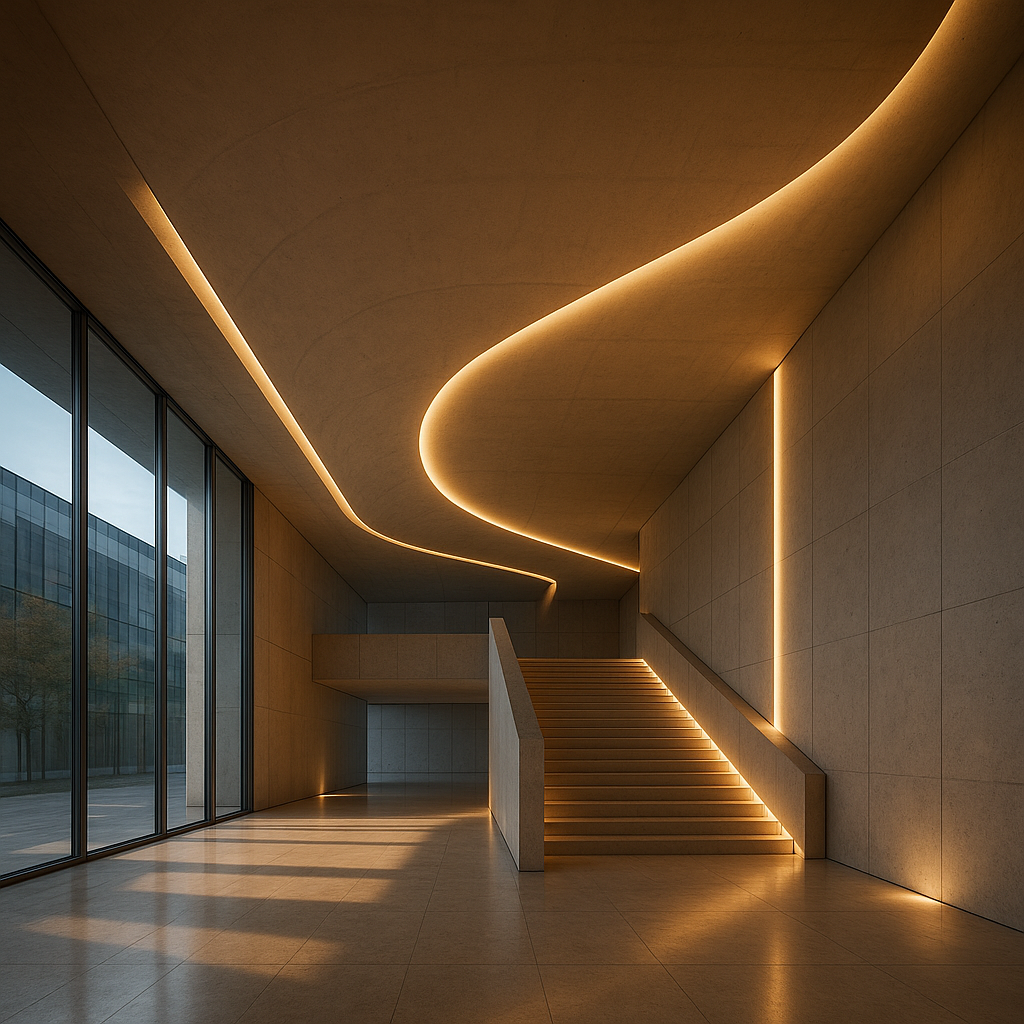
Cutting-edge architecture is not just about shapes and materials but about orchestrating light as an active, dynamic element. As skylines transform into luminous canvases, designers leverage **illumination** to shape experiences, foster well-being, and redefine urban identity. This exploration delves into a futuristic realm where buildings breathe light, surfaces adapt to environmental stimuli, and cities glow with intelligent radiance.
Smart Illumination Systems as Living Organisms
Imagine façades that respond to sunlight, weather patterns, and human movement in real time. By leveraging **adaptive** sensors and programmable LED matrices, architects craft exteriors that mimic natural rhythms. During dawn, panels ease open like petals, harvesting morning rays before seamlessly dimming at dusk to reduce **energy** consumption. These living skins employ microcontrollers to orchestrate dynamic light shows or provide functional wayfinding cues in sprawling complexes.
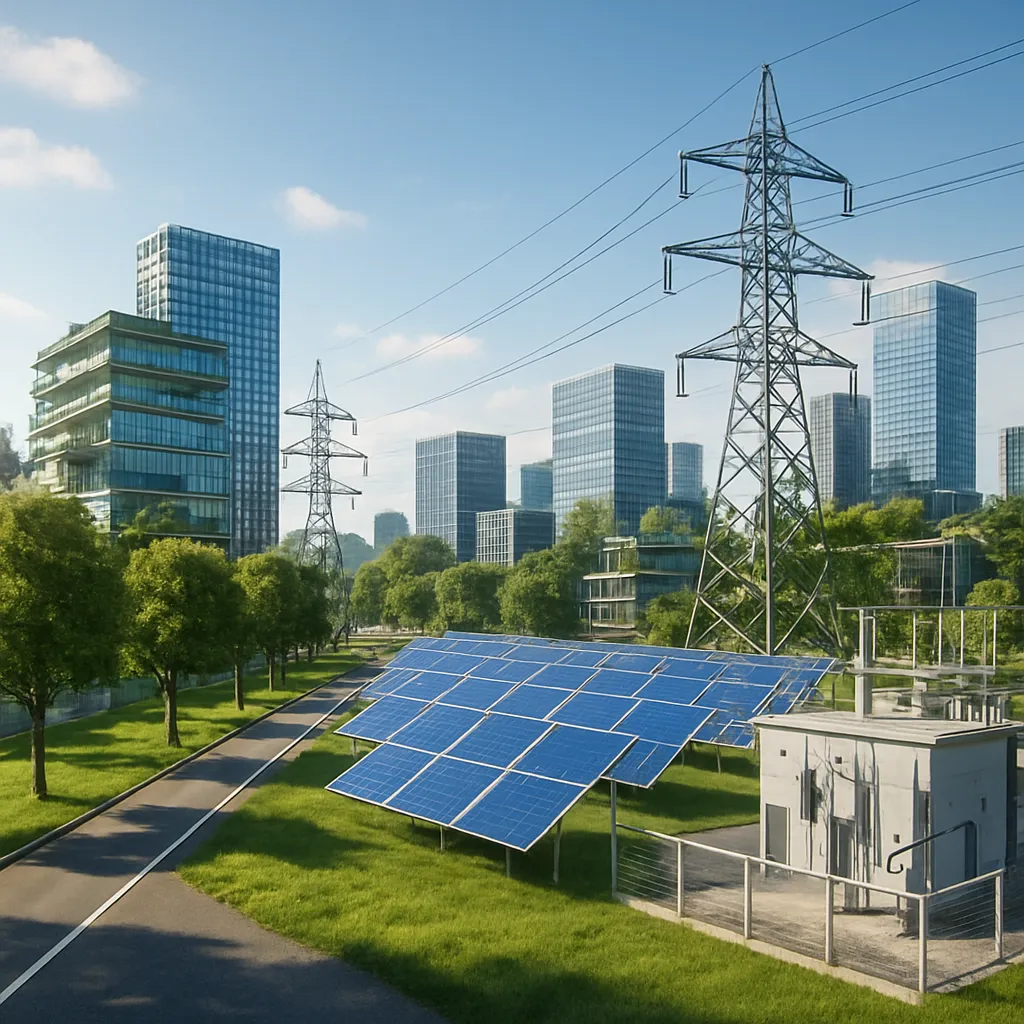
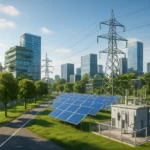
Central to this vision is the concept of integrated photovoltaic glazing. Transparent solar cells embedded within windows convert every beam into power, supporting interior lighting networks and battery storage. When paired with **AI-driven** analytics, the system predicts peak usage, reallocates power flows, and harmonizes with local grids. Occupants witness a building that not only breathes but also thinks, optimizing comfort while minimizing waste.
- Responsive Façades: Kinetic panels that adjust tilt and opacity.
- Daylight Harvesting: Sensors redirect artificial lighting based on natural light.
- Biophilic Lightscapes: Simulated dawn and dusk to support circadian health.
Innovative Materials and Nano-Technology
The frontier of architectural illumination lies at the intersection of material science and nano-engineering. Imagine surfaces coated with photochromic pigments that transition between transparent and opaque under UV influence, offering glare control without blinds or curtains. Embedded **nano-technology** circuitry enables pixel-level control over color temperature, brightness, and pattern, turning entire walls into interactive canvases.
Beyond aesthetics, these materials play a crucial role in **sustainability**. Light-scattering nanoparticles increase natural daylight penetration while diffusing harsh direct beams to eliminate hotspots. Phase-change materials store thermal energy during daylight peaks and release it at night, reducing heating and cooling loads. Through **biomimicry**, researchers study butterfly wings and beetle carapaces to develop structural coloring that obviates chemical dyes, offering vivid hues and reflective properties without environmental toxins.
- Photochromic Coatings: Self-adjusting opacity for privacy and comfort.
- Light-Scattering Fibers: Embedded in glass to diffuse daylight uniformly.
- Thermochromic Panels: Regulate thermal gain based on temperature.
AI-Enhanced Design and Dynamic Control
Artificial intelligence stands at the heart of futuristic illumination. Advanced machine learning algorithms analyze occupancy patterns, weather forecasts, and energy pricing to orchestrate lighting schemes that maximize **efficiency** and occupant satisfaction. Voice and gesture recognition allow inhabitants to tailor luminous environments instantly, from vibrant color-centric installations for events to subtle, warm white lighting for focused work.
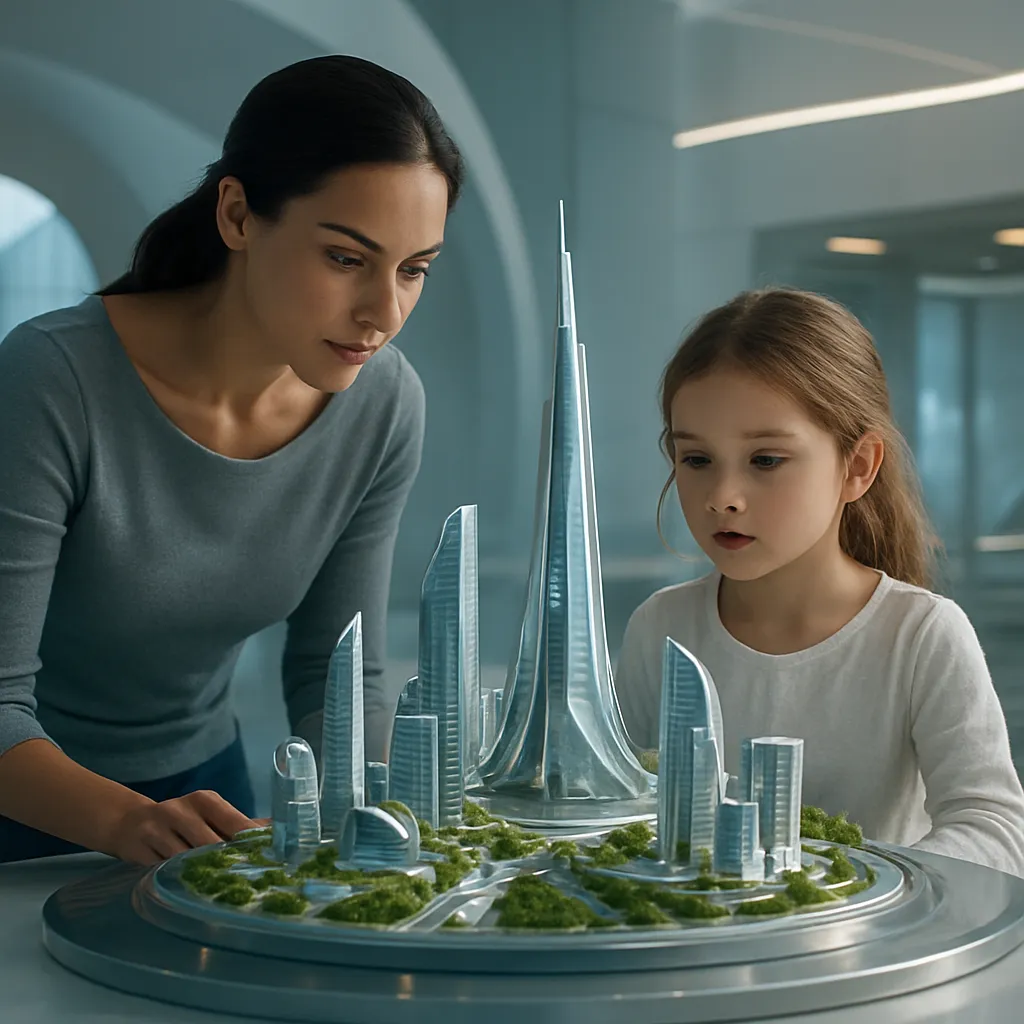
Digital twins—virtual replicas of smart buildings—simulate light behavior under various scenarios. Designers iterate on shapes, textures, and material composition in silico, ensuring that complex interactions between sunlight and built forms optimize performance. In operation, real-time feedback loops adjust lighting in communal areas to maintain an even light distribution, support visual tasks, and even promote social interaction by highlighting gathering zones.
- Predictive Maintenance: AI detects lumen depreciation in fixtures and schedules replacements proactively.
- Context-Aware Scenes: Systems adapt to cultural events, shifting hues to reflect festivities or solemn occasions.
- Energy Market Integration: Dynamic dimming based on local power grid demands and price signals.
Urban Integration and Human-Centric Impact
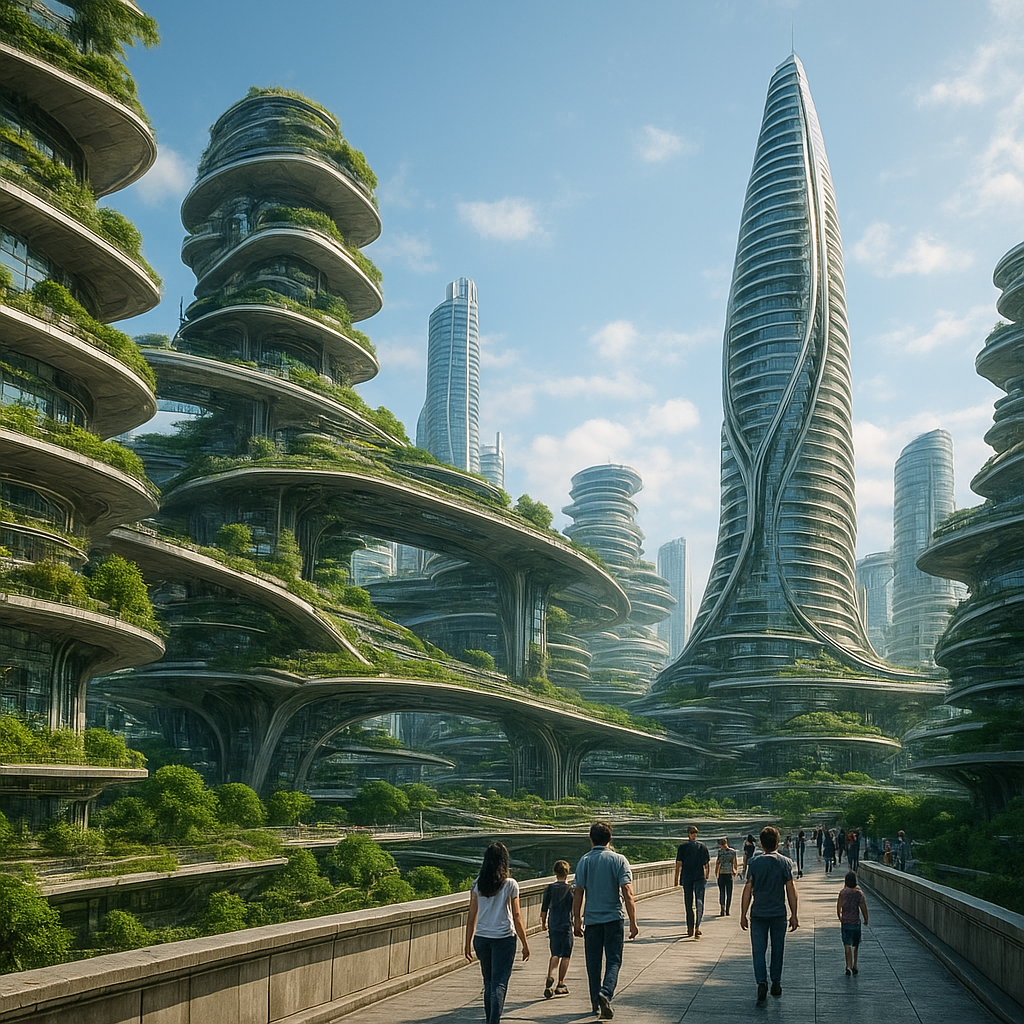
At the city scale, networks of illuminated structures collaborate to shape public spaces and mobility corridors. Streetlights with embedded sensors adjust brightness based on pedestrian flow, while interactive art installations communicate real-time information about transit schedules or air quality. This creates a seamless dialogue between residents and infrastructure, reinforcing safety and enhancing civic pride.
Well-being is central to these designs. Tunable white spectra mimicking natural daylight support circadian regulation, reducing stress and boosting productivity. In healthcare settings, dynamic lighting assists patient recovery by simulating sunrise to ease morning awakening and transitioning to calming hues in the evening. By prioritizing **resilience**, urban planners ensure backup power through distributed energy storage and microgrids, maintaining essential illumination during outages or emergencies.
- Adaptive Street Lighting: Reduces light pollution while ensuring safety.
- Interactive Public Art: Engages communities through co-created light experiences.
- Emergency Light Networks: Self-sustaining nodes that guide evacuees.
Emerging Frontiers and Interdisciplinary Collaboration
As technology accelerates, the boundaries between architecture, engineering, and art blur. Research labs explore quantum dot-embedded surfaces that alter emission spectra based on electrical input, while collaborations between neuroscientists and designers investigate how light influences mood, memory, and cognition. Universities and industry partners join forces in living labs, testing prototypes within existing urban districts and gathering long-term performance data.
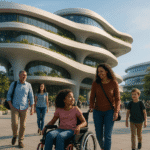
Inclusivity drives the next wave of innovation. Designers work alongside disability advocates to ensure that luminous cues enhance wayfinding for visually impaired users—utilizing tactile paving with integrated LED guidance lines and acoustic reinforcement. By adopting universal design principles, cities become more navigable, equitable, and **innovative**.
- Quantum Dot Surfaces: Near-infinite color gamut with minimal energy input.
- Neuro-Luminous Research: Tailoring light therapy for mental health support.
- Inclusive Wayfinding: Multisensory cues for universal accessibility.