


The intersection of 4D printing and futuristic architecture promises a profound shift in how buildings are conceived, constructed, and experienced. By embedding the fourth dimension—time—into design processes, architects and engineers can create structures that adapt to changing environmental stimuli, occupant needs, or aesthetic desires. This emergent paradigm moves beyond static forms and introduces a new era of dynamic, responsive, and self-transforming built environments.
Transforming Materials with Time-Responsive Design
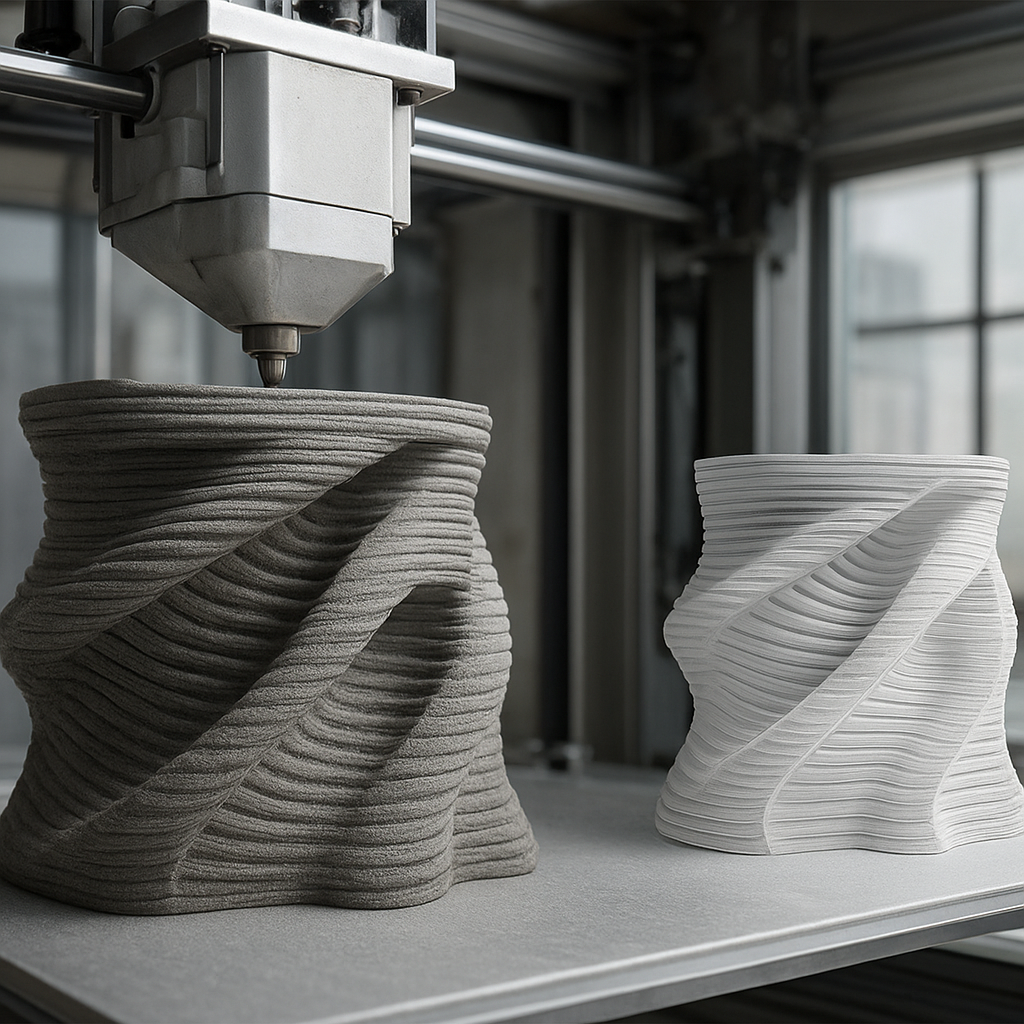
4D printing builds upon the foundation of additive manufacturing by incorporating smart materials that can change shape or properties when triggered by heat, moisture, light, or magnetic fields. These materials—often referred to as metamaterials—enable components to be programmed at the microscopic level. Once 3D-printed, they can self-assemble, expand, contract, or twist in predetermined sequences.
Programmable Building Blocks
- Shape-memory polymers that return to a predefined form upon heating, unlocking potential for deployable roofs or pop-up pavilions.
- Hydrogel composites that swell in humid conditions, offering natural ventilation or shading as humidity rises.
- Piezoelectric elements that generate electrical energy from mechanical stress, driving smart sensors or embedded lighting without external power sources.
Imagine a façade constructed from thousands of interlocking tiles that adjust their geometry every hour, responding to solar angles and wind patterns. Such a system could modulate daylighting, reduce glare, and optimize thermal performance—all autonomously. The core advantage lies in adaptability and precise optimization of resources, translating into reduced energy consumption and extended building lifespans.
Adaptive Facades and Kinetic Structures
Beyond individual components, 4D printing enables entire building envelopes to behave like living skins. These adaptive facades harness biomimetic principles, emulating the subtle movements of plant leaves or the responsive surface textures of certain animal skins. Kinetic building elements can fold, pivot, or fold back into themselves, ensuring occupant comfort and environmental harmony.
Responsive Shading Systems
- Micro-scale louvers printed with shape-memory alloys that expand or contract based on temperature, providing dynamic shading throughout the day.
- Photovoltaic panels integrated with shape-changing actuators that tilt towards the sun for maximal energy capture, then fold away during storms or high winds.
- Self-cleaning coatings that open micro-pores in dry conditions to release accumulated dust, then seal for waterproofing during rain.
These kinetic systems not only elevate functionality but also deliver an aesthetic of perpetual motion. Walk past a building whose exterior gently breathes and you feel a direct connection between human experience and architectural expression. The building no longer remains a rigid container; it evolves in concert with its users and surroundings.
Smart Integration and Sustainable Futures
Sustainability lies at the heart of 4D-printed architecture. By leveraging time-responsive materials, buildings can achieve unprecedented levels of efficiency and resilience. Embedded sensors communicate with printed components to enact micro-adjustments, ensuring optimal indoor climates while minimizing carbon footprints.
Energy and Resource Management
- Phase-change materials printed within walls to absorb excess heat during the day, releasing it at night when temperatures drop.
- Water-harvesting surfaces that expand microchannels when humidity is high, routing condensation into storage reservoirs for irrigation or greywater systems.
- Self-repairing composites that close micro-cracks when exposed to moisture or UV light, lengthening structural lifespan and reducing maintenance costs.
Integrated building-management systems (BMS) can continuously analyze data streams—from indoor air quality to structural stress—and trigger shape transformations at the most opportune moments. This customization extends to occupant-driven adjustments: furniture modules that reshape themselves according to ergonomic preferences, or partitions that reconfigure room layouts on demand.
Case Studies and Emerging Applications
Several pioneering research projects highlight the transformative potential of 4D printing in architecture. In one demonstration, a pavilion assembled from printed components self-folded from flat sheets into a fully articulated shell when submerged in warm water. Another experiment showcased a programmable gutter system whose channels open only during heavy rainfall, preventing blockages and overflow.
Temporary and Emergency Shelters
- Flat-packed 4D-printed dwellings that self-erect when exposed to sunlight, offering rapid deployment for disaster relief.
- Breathable membrane structures that adjust pore sizes to regulate airflow in varying climatic zones, ensuring occupant comfort without mechanical HVAC.
Long-term Habitats
- Residential modules whose walls shift thickness seasonally, providing extra insulation in winter and enhanced cooling in summer.
- Modular towers that adapt to seismic events by altering stiffness, dissipating energy, and reducing structural damage risks.
Challenges and Future Directions
Despite the promise, several obstacles must be overcome for widespread adoption. Material costs remain high, regulatory frameworks lag behind technological capabilities, and long-term durability of programmable materials requires further validation. Nevertheless, collaborative efforts among material scientists, architects, and policymakers are steadily paving the way.
Standardization and Certification
- Developing industry standards for testing time-responsive materials under real-world stressors.
- Establishing performance metrics that account for dynamic behavior, not just static load-bearing capacity.
- Securing building permits for structures that transform post-installation, ensuring safety and compliance throughout their lifecycle.
As these barriers erode, we can anticipate a future where 4D-printed architecture becomes synonymous with innovation, resilience, and user-centric design. Early adopters will reap benefits in operational savings, occupant satisfaction, and environmental stewardship.
The Next Frontier: Urban-Scale Adaptation
Imagine entire neighborhoods composed of buildings that communicate with each other through embedded networks. Street lighting adapts to pedestrian flows by expanding or dimming segments, while sidewalks printed with self-healing concrete mend cracks overnight. Public spaces deploy shade canopies that expand during peak hours, then contract at dusk to reveal star-lit skies.
Responsive Infrastructure
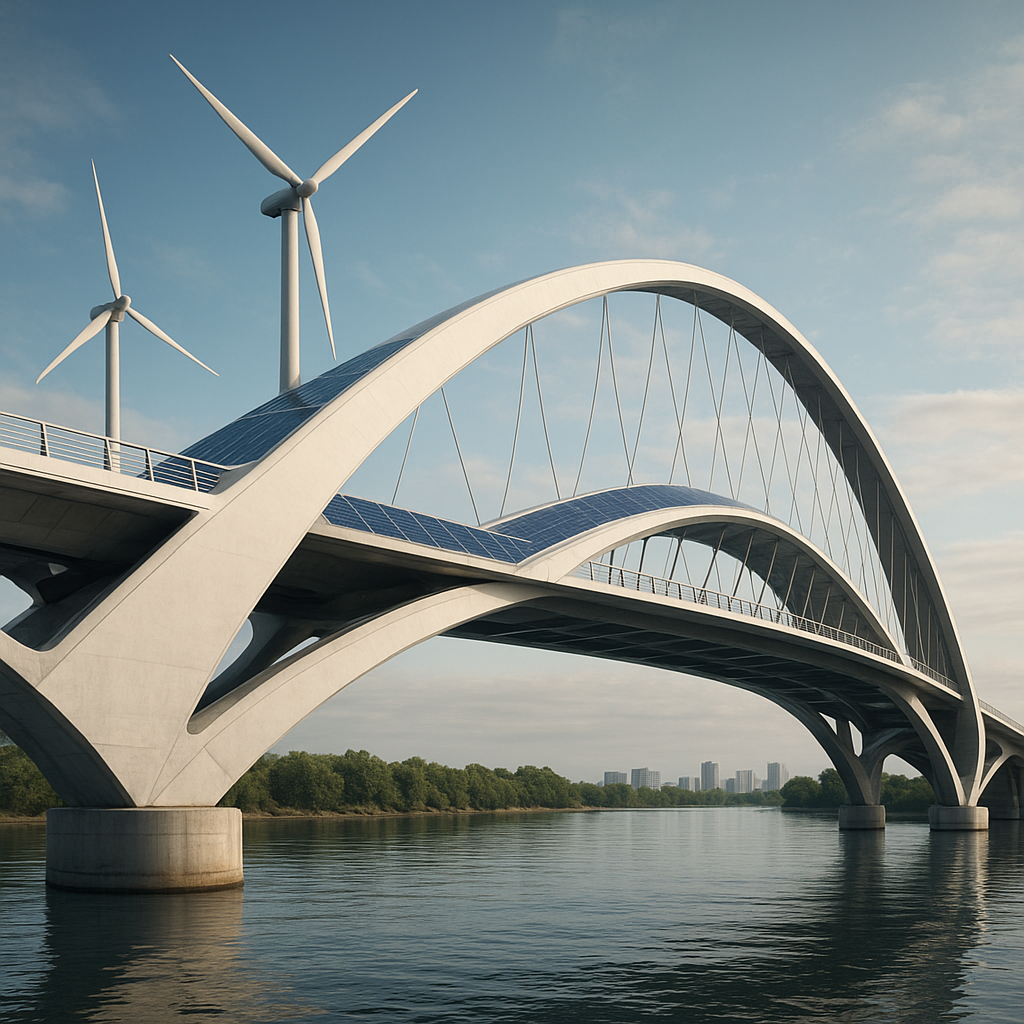
- Smart bridges whose tension cables tighten or loosen to counteract traffic loads and temperature fluctuations, ensuring greater longevity.
- Flood defenses that rise from flat riverbanks when water levels exceed thresholds, then recede seamlessly during calm conditions.
- Transportation hubs with dynamic platforms that shift to guide passenger flows and improve safety during peak travel periods.
This vision of a living city is within reach thanks to the fusion of 4D printing, IoT networks, and advanced data analytics. As architects harness these technologies, the boundary between built and living systems will blur, giving rise to a truly responsive and sustainable urban fabric.