



Emerging technologies are propelling architecture into an era where intelligent systems respond to human needs, transforming static structures into dynamic, user-centric habitats. By harnessing advanced algorithms, sensor networks and machine learning, designers craft spaces that anticipate occupant requirements, optimize resource use and foster genuine accessibility for all. This article explores how artificial intelligence revolutionizes building design across multiple dimensions, from adaptive environments to ethical frameworks.
AI-Driven Adaptive Environments
Smart buildings equipped with interconnected sensors and edge-computing devices collect continuous streams of data on occupancy, climate and user behavior. By processing these inputs with AI models, architects can enable spaces that adjust shading, ventilation and lighting in real-time. The result is an architectural ecosystem that not only reduces energy consumption but also improves occupant wellbeing through responsive comfort controls.
- Automated climate regulation with predictive climate modeling
- Dynamic furniture layouts informed by movement patterns
- Intelligent façade systems that modulate solar gains
Generative Design and Material Efficiency
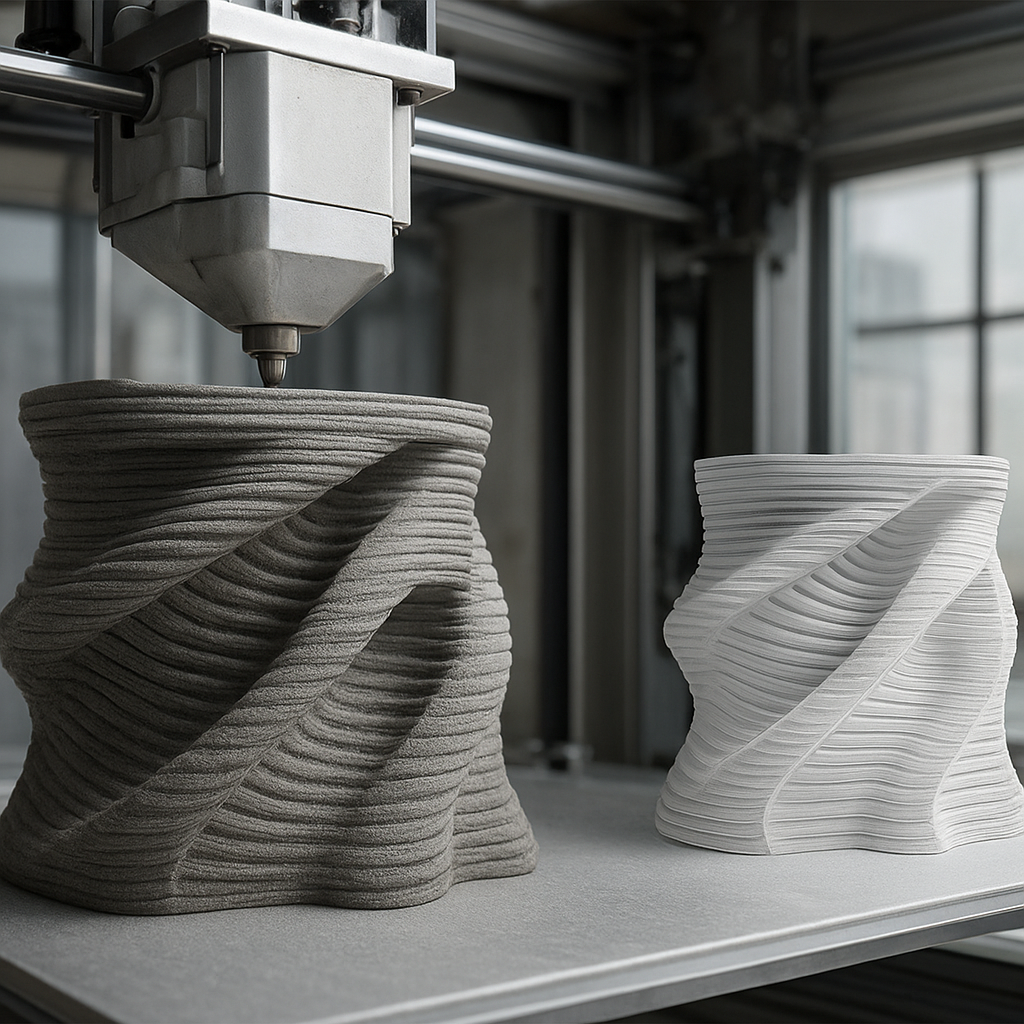
Generative algorithms explore thousands of design permutations within seconds, optimizing structures for weight, strength and thermal performance. This process dramatically reduces construction waste by guiding teams toward material-efficient geometries and selecting eco-friendly composites. By prioritizing sustainability, AI-driven workflows minimize carbon footprints and inspire novel forms that would be prohibitively complex via manual drafting.
Inclusive Design and Universal Accessibility
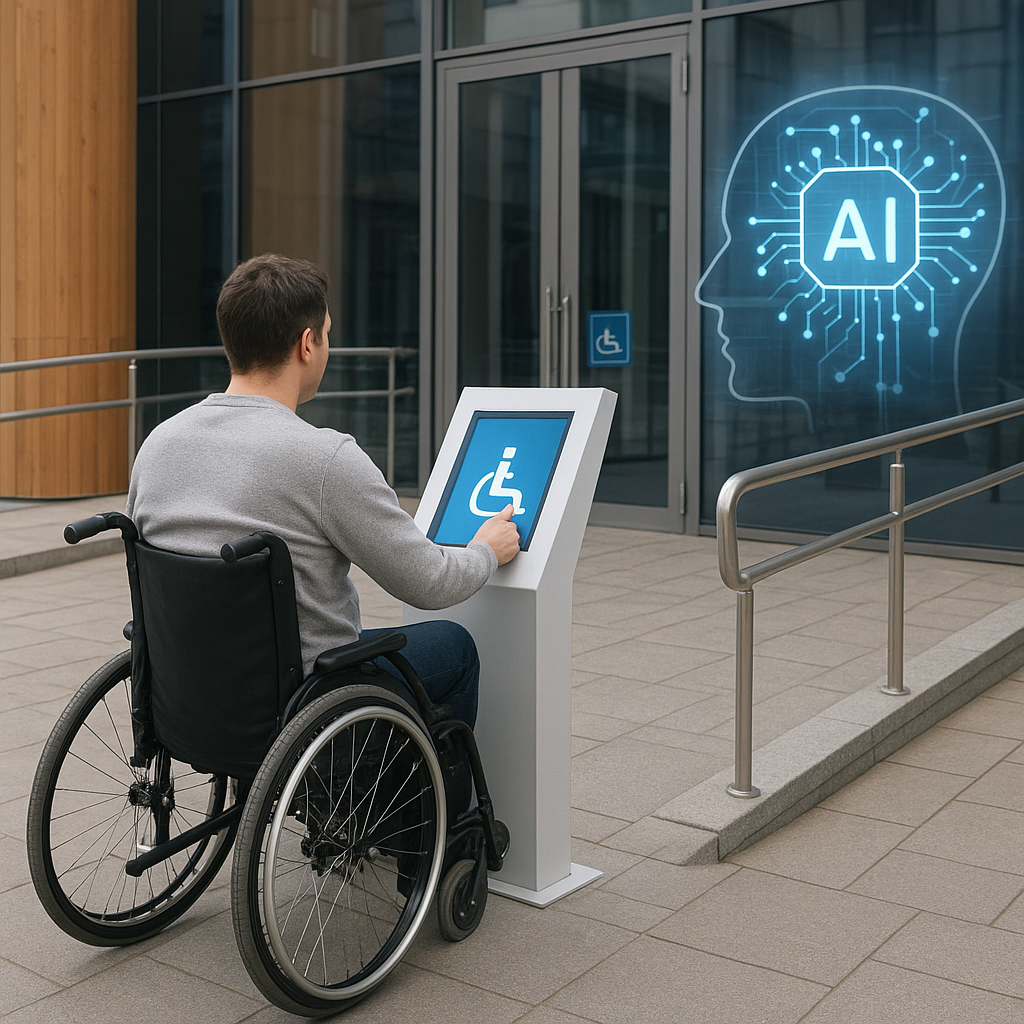
Ensuring every individual experiences a built environment on equal terms is a cornerstone of futuristic architecture. AI-powered wayfinding apps can deliver step-by-step, context-aware guidance to occupants with visual or mobility challenges, adjusting routes in response to real-time obstructions. Meanwhile, adaptive acoustics tune soundscapes to assist users with hearing impairments, creating quieter zones or augmenting important announcements.
- Personalized navigation support with AR overlays
- Custom lighting controls for users with sensory sensitivities
- Voice-activated interfaces for seamless interaction
Ergonomic & Emotional Support
Machine learning algorithms analyze posture, movement and muscle tension to suggest ergonomic adjustments to workstations or communal areas. AI-driven virtual assistants also monitor stress levels by interpreting speech patterns and facial expressions, offering calming environmental changes or directing occupants to restorative spaces. Such integration of ergonomics and emotional wellbeing ensures that buildings truly serve human needs.
Sustainability and Efficiency in Future Architectures
Environmental stewardship is amplified by AI’s ability to forecast resource demand and optimize system operations. Predictive maintenance models detect wear and potential failures in HVAC, electrical and plumbing systems before breakdowns occur, extending equipment lifespan and avoiding energy waste. Smart grids integrated within buildings autonomously shift loads to renewable energy sources, balancing consumption with on-site solar or wind generation.
- Life-cycle analysis powered by AI-driven simulations
- Carbon tracking dashboards for continuous improvement
- Adaptive water recycling and greywater harvesting schemes
By fostering a circular economy within the built environment, AI not only conserves resources but also aligns architectural practice with global net-zero ambitions. This level of optimization was unimaginable a decade ago, yet machine intelligence now makes such ambitions commercially viable.
Collaborative Platforms and Predictive Modeling
Design teams and stakeholders converge on cloud-based platforms where AI synthesizes feedback, code reviews and performance metrics into cohesive digital twins. Virtual reality interfaces let clients explore iterations in immersive detail, while the underlying neural networks learn from user choices to refine future proposals. This transparent, data-driven process fosters deeper collaboration and accelerates decision-making.
- Automated clash detection in building information models
- Real-time cost estimations linked to material databases
- AI-curated precedent libraries that match project briefs
As these shared environments evolve, architects integrate generative suggestions with manual creativity, unlocking hybrid workflows that maximize both efficiency and aesthetic innovation.
Challenges and Ethical Considerations
Despite AI’s promise, critical challenges remain. Algorithmic bias in training data can inadvertently marginalize certain user groups, undermining equitable outcomes. Data privacy concerns arise when sensor networks capture sensitive information about occupants’ habits and personal preferences. Ensuring robust security protocols and ethical frameworks is essential to prevent misuse of intelligent building systems.
- Transparent AI policies that outline data governance
- Continuous auditing of predictive models to detect bias
- Fail-safe mechanisms to maintain safety if systems malfunction
By embedding ethical guidelines into every stage of development, the industry can uphold trust and accountability, ensuring that AI-enhanced designs deliver both innovation and social responsibility.