



The convergence of futuristic design principles with cutting-edge blockchain technologies is reshaping the skyline of tomorrow. By embedding an immutable digital ledger into every stage of the building lifecycle, architects, engineers, and stakeholders gain unparalleled transparency. This article explores how decentralized records, construction automation, and smart contracts are driving unprecedented efficiency and collaborative innovation.
Unlocking Traceability in Every Material
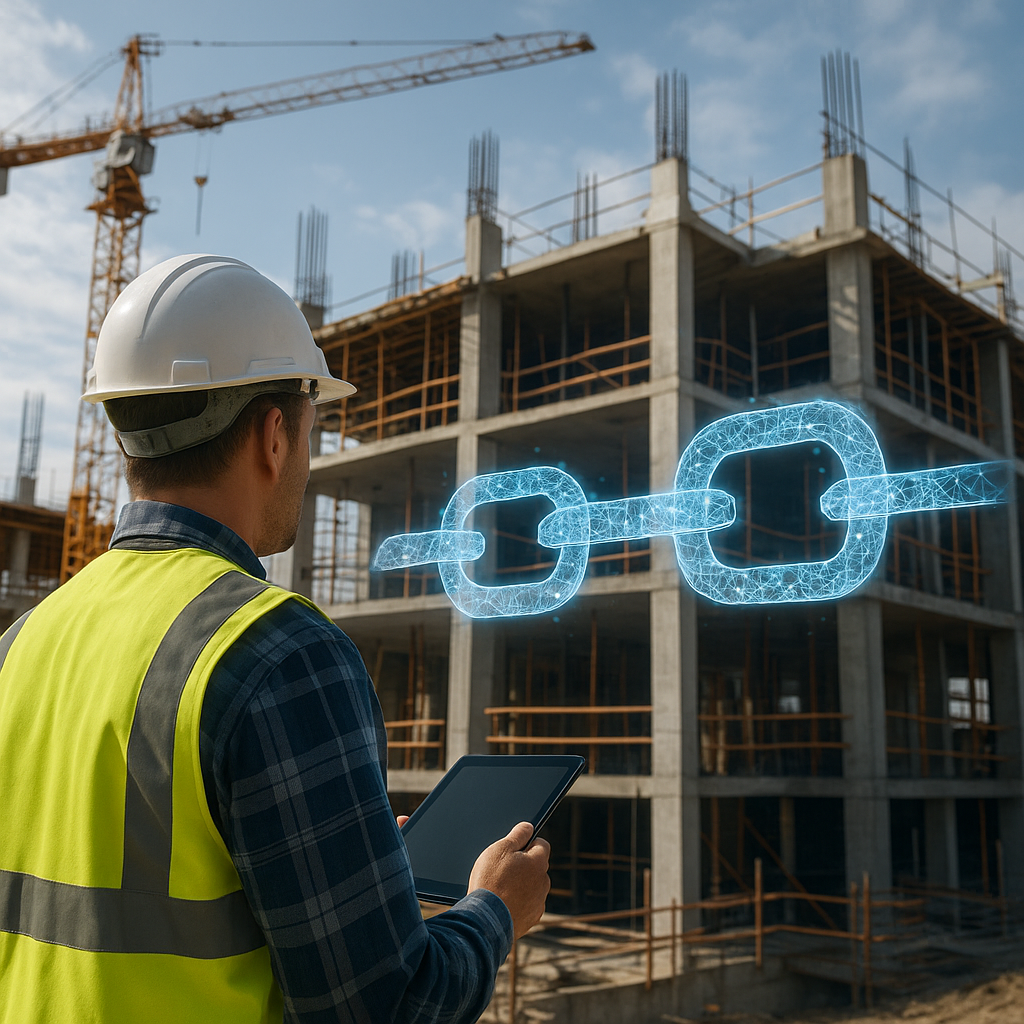
At the core of a futuristic construction ecosystem lies the ability to trace materials from origin to assembly. Traditional supply chains often suffer from fragmented data silos, leading to delays, quality lapses, and opaque procurement. By implementing a blockchain-based registry, each shipment of steel, glass panels, or bio-composite polymers is assigned a cryptographic token. This ensures:
- Immutable timestamping of delivery dates
- Verified certifications of material quality
- Real-time auditing for compliance with green standards
Through this ledger, project managers and environmental auditors can verify that every beam and module meets rigorous sustainability criteria. The integration of RFID sensors or QR codes with blockchain entries further cements authenticity, eliminating counterfeit parts and boosting overall transparency.
Real-Time Data Ledger
A dynamic dashboard connected to the blockchain network provides stakeholders with live updates. Every transaction—from factory dispatch to on-site installation—is recorded in a distributed ledger. This not only streamlines coordination across international teams but also creates a reliable audit trail for insurers and financiers. Any anomaly, such as a delayed shipment or a mismatched specification, triggers automated alerts, allowing swift remediation.
Supply Chain Verification
Smart contracts automate verification processes by cross-referencing sensor data, compliance certificates, and delivery receipts. Upon meeting predefined criteria, payments or next-stage approvals are instantly released. This drastically reduces administrative overhead while safeguarding against fraud. As a result, developers can focus on creative and technical challenges rather than bureaucratic bottlenecks.
Integrating AI and Smart Contracts for Dynamic Design
Beyond tracking materials, the synergy of AI-driven algorithms and blockchain-based agreements revolutionizes how structures come to life. Parametric design tools generate adaptive geometry based on environmental data, occupancy forecasts, and energy modeling. These digital blueprints are then locked on-chain, ensuring any modifications are transparent, verifiable, and consensually approved by all parties.
Adaptive Architecture Generation
Imagine a skyscraper façade that adjusts its shape in response to wind loads or solar intensity. AI engines simulated millions of design permutations overnight, selecting forms that balance aesthetics, structural integrity, and thermal performance. Every proposed variation is hashed into the blockchain, preserving design lineage and preventing unauthorized alterations.
Automated Contract Enforcement
Smart contracts embedded in the ledger govern every milestone: excavation, foundation pouring, superstructure completion, façade installation, and commissioning. Upon fulfillment, the contract self-executes, releasing funds to contractors or suppliers. This level of automation enhances trust among multinational consortiums, ensuring that payments are directly tied to verified progress. Dispute resolution becomes a transparent process rather than a protracted negotiation.
Building Resilient and Sustainable Cities
As we plan the metropolis of the future, resilience and sustainability take precedence. Integrating renewable energy systems, water recycling, and adaptive infrastructure demands transparency in resource allocation and performance metrics. Blockchain networks facilitate collective governance models, where residents, operators, and public agencies co-own data and decision-making rights.
Key Components of a Blockchain-Enabled Smart City
- Sustainability dashboards displaying real-time energy generation and consumption
- Peer-to-peer energy trading among buildings equipped with solar arrays
- Decentralized maintenance logs for critical infrastructure like bridges and tunnels
- Citizen tokens that incentivize green behaviors and community participation
Modular Assembly and Prefabrication
Blockchain tracks prefabricated modules manufactured off-site, ensuring that each component’s specifications align with on-chain design intentions. When modules arrive at the construction zone, robotic assemblers scan their identifiers, automatically verifying shape, material grade, and load capacity. This modular approach slashes construction timelines while maintaining rigorous quality control. Any deviation from tolerances triggers smart contract clauses that prevent inferior parts from being integrated.
Energy Management and Circular Economy
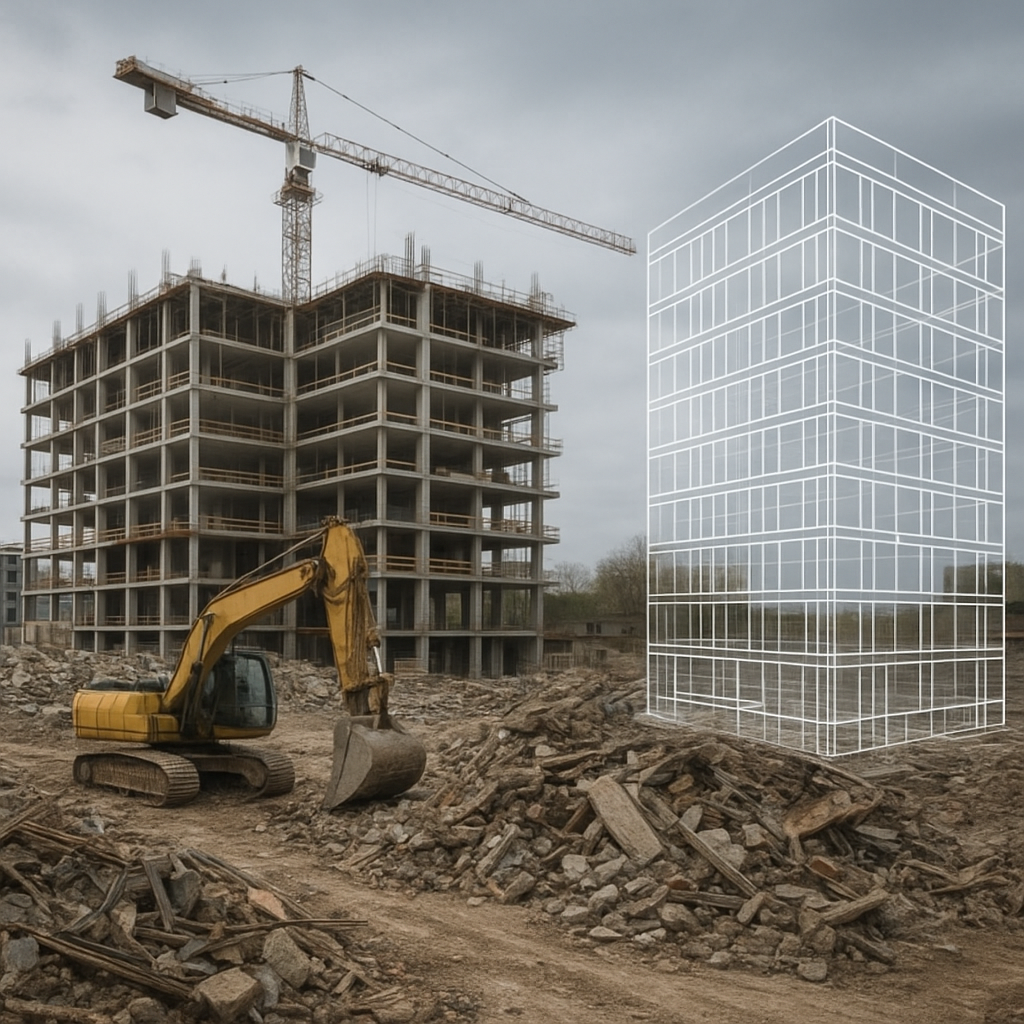
Smart grids rely on blockchain to balance supply and demand across complex networks of buildings, electric vehicles, and storage units. Transactions between microgrids are recorded transparently, enabling dynamic pricing models and empowering consumers to sell excess power. Meanwhile, decommissioned structures can log material recovery on-chain, feed into secondary markets, and support a circular economy ethos—bridging the gap between demolition waste and new building inputs.
Ultimately, the fusion of blockchain with advanced architectural techniques heralds a new era of resilience and shared prosperity. By embedding trust directly into the digital frameworks that govern our built environment, developers can deliver projects that are not only visually striking but also operationally robust and ecologically responsible. This paradigm shift paves the way for cities that evolve organically, adapt to emerging challenges, and foster genuine collaboration among all stakeholders.