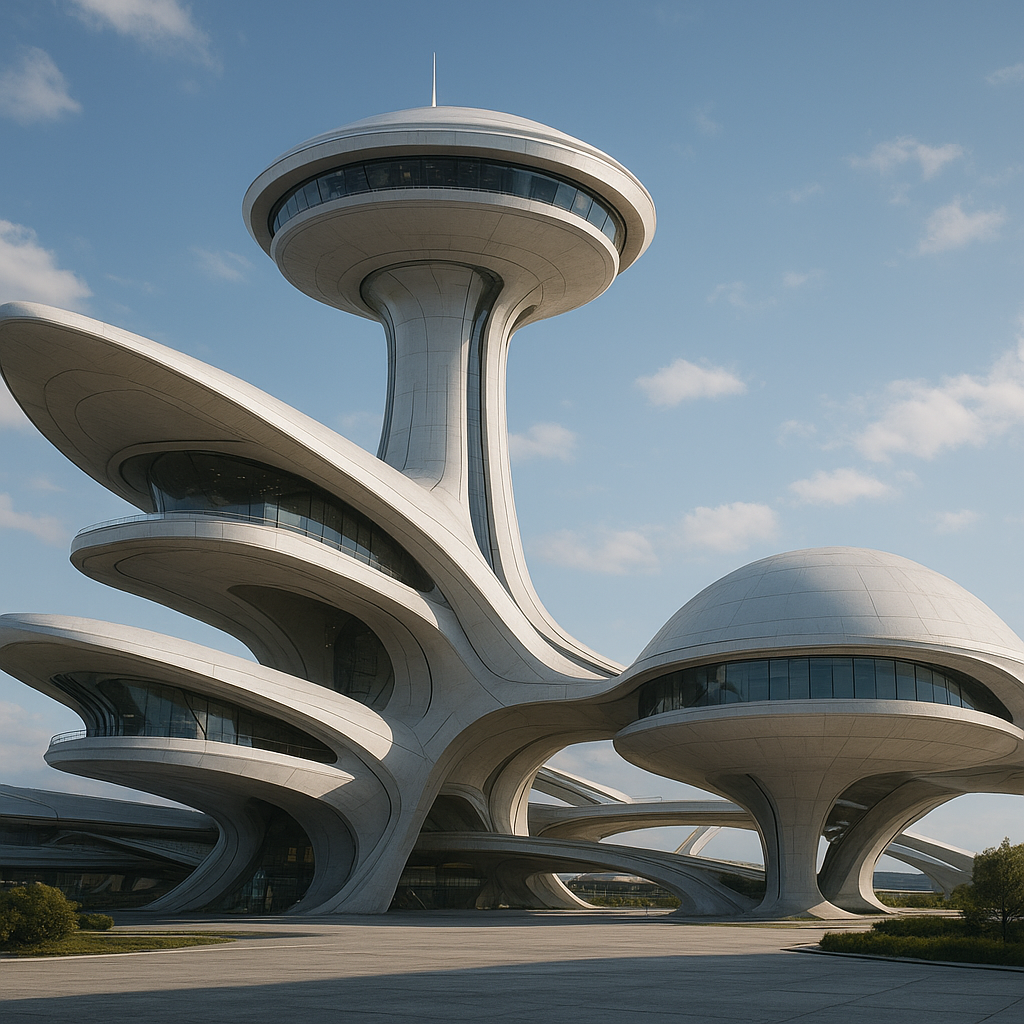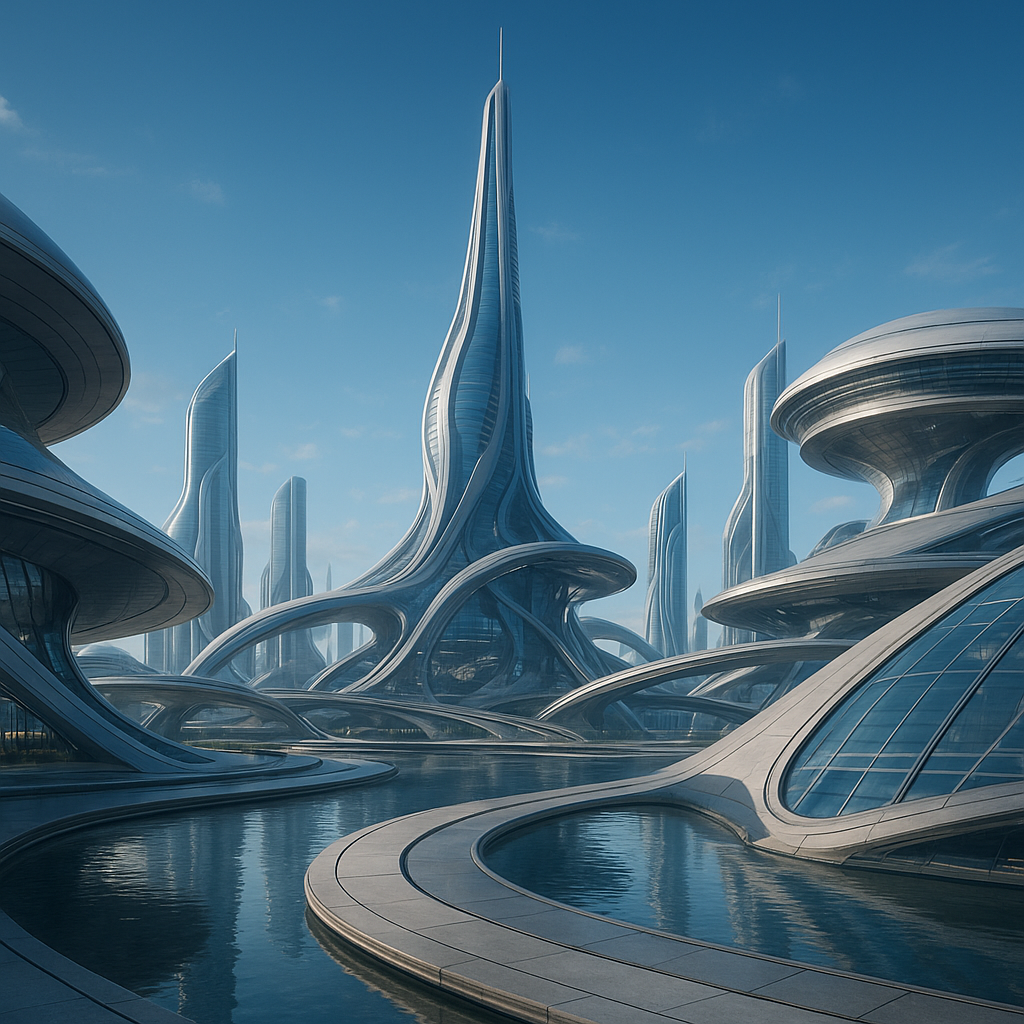


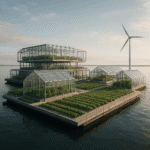

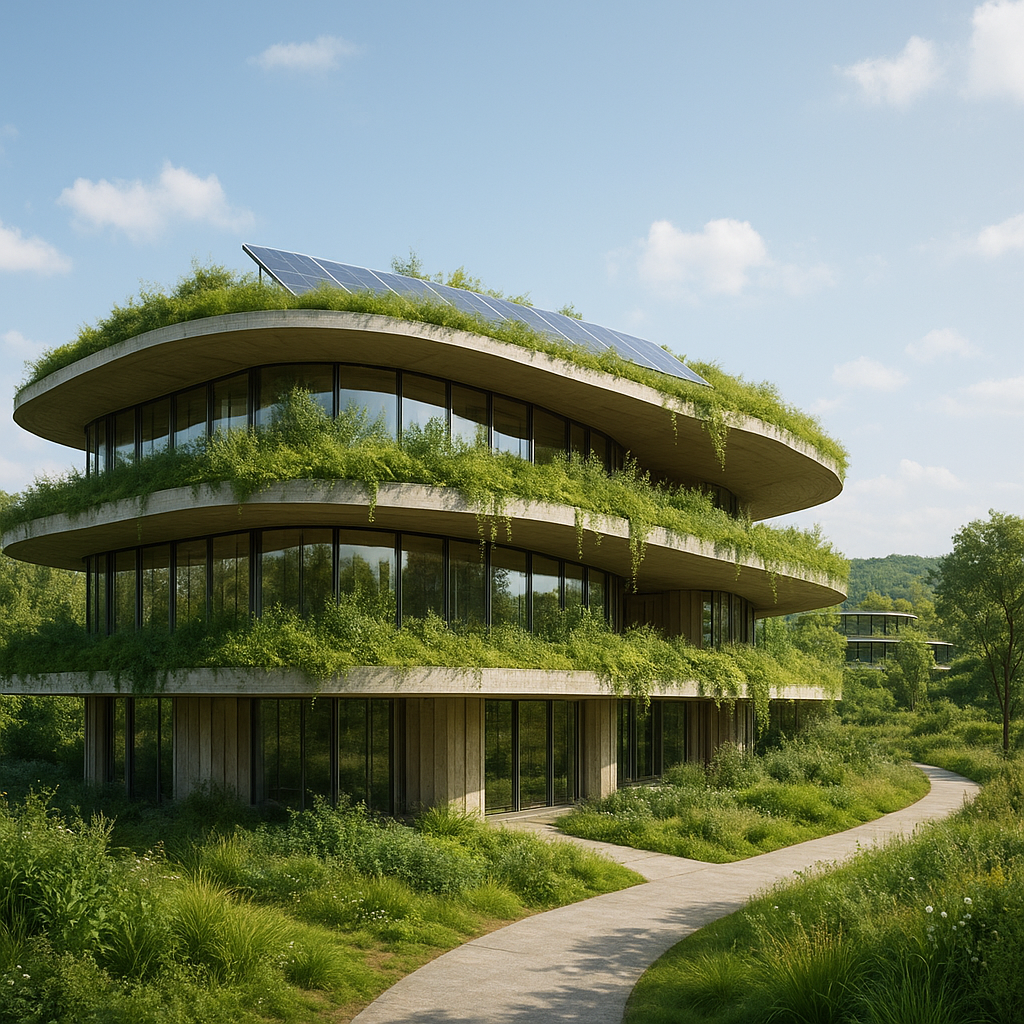
The horizon of architecture is shifting towards a bold vision where every structure contributes to healing the planet. By weaving together **sustainability**, **innovation**, and human-centric design, climate-neutral buildings will redefine urban environments and ecological balance. From advanced materials that capture carbon to modular habitats that adapt to shifting climates, the next generation of architecture promises a truly futuristic landscape.
Embracing Zero-Emission Design
At the core of climate-neutral architecture lies the principle of achieving net-zero carbon output. Through intelligent planning and resource management, architects can create buildings that not only operate on renewable energy but also produce surplus power for the grid. This approach elevates the concept of **carbon-neutral** construction into a dynamic process of environmental stewardship.
Renewable Energy Integration
Solar panels, wind turbines, and geothermal systems no longer belong solely to sprawling campuses—they can be seamlessly interwoven into urban facades and rooftops. By using photovoltaic glass, building exteriors become living power stations. Complemented by small vertical-axis turbines, these systems ensure continuous energy harvest. Such integration fosters resilience during extreme weather events, reducing reliance on centralized grids and promoting resilience in the face of change.
Advanced Insulation and Smart Materials
Emerging materials—like aerogel-infused concrete and phase-change composites—minimize thermal loss and optimize indoor climates. Smart windows adjust their tint in response to sunlight, sharply cutting cooling loads. Self-healing biopolymers repair micro-cracks in building envelopes, extending lifespan and reducing maintenance. These breakthroughs highlight the power of **innovation** to transform ordinary walls into adaptive, efficient barriers.
Key Principles:
- Passive solar orientation
- High-performance glazing
- Active energy management
- Efficient water recycling
Biomorphic Forms and Natural Synergy
Drawing inspiration from natural structures, designers are pioneering forms that resonate with ecological systems. By emulating patterns found in leaves, shells, and cellular organisms, buildings can achieve a higher degree of **biomimicry**, aligning themselves with environmental flows rather than resisting them.
Living Facades and Green Infrastructure
Vertical gardens, mycelium panels, and algae bioreactors transform concrete shells into breathing ecosystems. These living facades filter air pollutants, sequester carbon, and provide habitats for urban wildlife. Roof-level wetlands manage stormwater, reducing flooding risks and creating vibrant public spaces. The result is a seamless integration of architecture and nature, forging a powerful symbiosis between human habitats and the planet.
Dynamic Building Skins
Adaptive skins featuring shape-memory alloys or pneumatic actuators can shift geometry throughout the day. At dawn, louvers open to welcome gentle sunlight; as temperatures rise, they close to reduce heat gain. This kinetic architecture fosters optimal comfort while slashing energy consumption. It also offers an expressive aesthetic, showcasing a building’s living rhythm and reinforcing a sense of **interconnectivity** between structure and environment.
Urban Ecosystems and Regenerative Communities
Beyond individual buildings, the future lies in holistic neighborhoods that function as self-sustaining systems. By adopting a **regenerative** mindset, planners envision districts that restore biodiversity, foster social equity, and operate with zero waste.
Symbiotic Public Spaces
Parks, plazas, and pedestrian corridors become intertwined with food forests, pollinator corridors, and water purification biotopes. Community members can harvest fresh produce from communal gardens, while smart benches harvest kinetic energy from footsteps to power streetlights. This new typology of public realm nurtures social bonds and environmental stewardship in equal measure.
Mobility and Adaptive Infrastructure
Seamless transport networks powered by electric autonomous vehicles and pneumatic tube systems offer on-demand transit within hyper-local loops. Streetscapes are modular, allowing lanes to expand or contract based on real-time pedestrian flow. Floating platforms rise and fall with river levels, ensuring uninterrupted access to waterfront districts. Such **adaptability** not only optimizes efficiency but also reduces resource consumption by repurposing existing infrastructure.
Principles of Regenerative Planning:
- Closed-loop water systems
- Waste-to-resource facilities
- Distributed energy microgrids
- Biophilic urban corridors
Emerging Technologies and the Path Forward
The evolution toward climate-neutral architecture is driven by cutting-edge tools and methodologies. Digital twins replicate building performance in virtual environments, enabling precise optimization before construction begins. Artificial intelligence orchestrates heating, cooling, and lighting in real time, learning occupant preferences while maximizing efficiency. 3D printing with recycled materials slashes construction waste and accelerates delivery. These digital and manufacturing breakthroughs exemplify how **modularity** and data-driven design will underpin tomorrow’s built world.
As the lines between built and natural environments continue to blur, architects, engineers, and communities must collaborate across disciplines. By championing renewable materials, embracing smart systems, and fostering ecological synergy, our cities and buildings can evolve into regenerative marvels. The journey to climate-neutral architecture invites a profound reimagining of how we inhabit the planet, forging resilient, vibrant spaces for generations to come.