
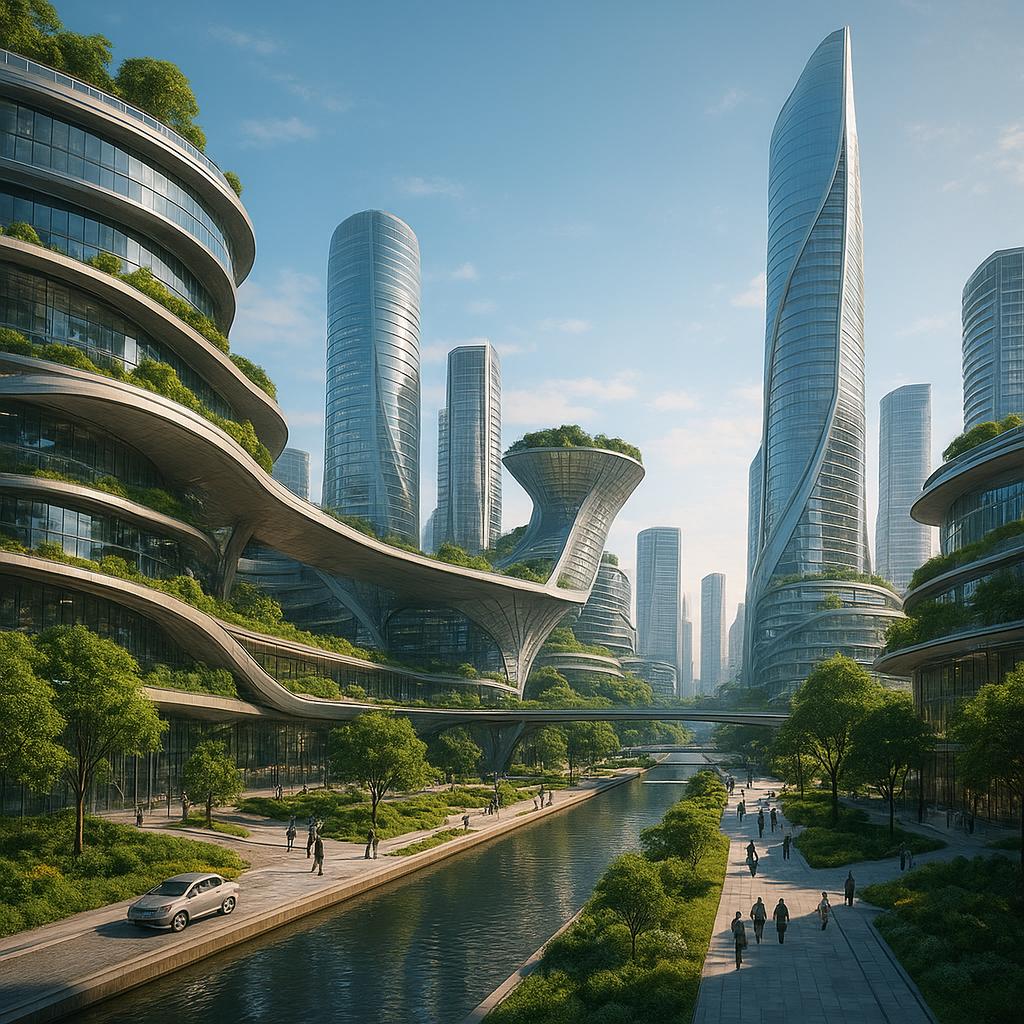
The evolution of urban environments depends on visionary planning and architectural innovation that not only shape skylines but also strengthen a city’s capacity to withstand unpredictable challenges. Futuristic architecture merges cutting-edge design with environmental stewardship, forging spaces that adapt, protect, and inspire. By harnessing emerging technologies, biomimetic principles, and community-driven strategies, these structures become pivotal in reinforcing urban resilience, optimizing resource flows, and fostering long-term sustainability.
Defining Futuristic Architecture
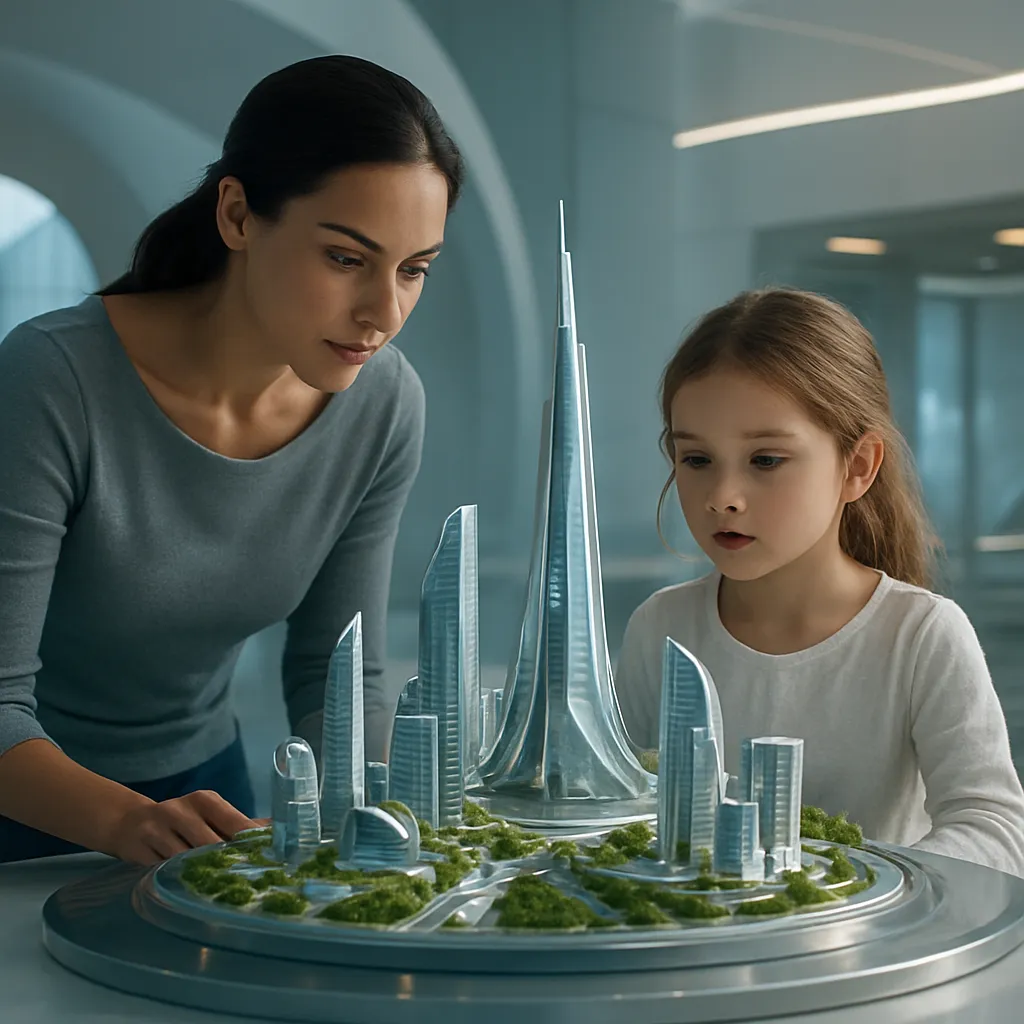
Futuristic architecture transcends conventional aesthetics by embedding innovation and foresight into every stage of design and construction. At its core, it prioritizes dynamic form, advanced materials, and data-driven systems to meet the evolving needs of urban societies. Unlike traditional buildings that remain static, these structures feature adaptive façades, modular components, and integrated sensors that respond to temperature, humidity, and occupancy in real time. The focus on digitalization allows architects to simulate environmental conditions decades ahead, ensuring that each project anticipates climate fluctuations, population growth, and technological milestones.
Key Principles and Features
- Parametric design engines that generate optimized geometries for structural integrity and energy efficiency.
- Embedment of smart materials like self-healing concrete and thermochromic glass to reduce maintenance and adapt to heat gain.
- Incorporation of modularity for rapid assembly and future expansion, reducing construction waste and costs.
- Deployment of IoT networks to monitor resource flows—water, power, air quality—and trigger automated adjustments.
Integrating Technology for Adaptive Urban Landscapes
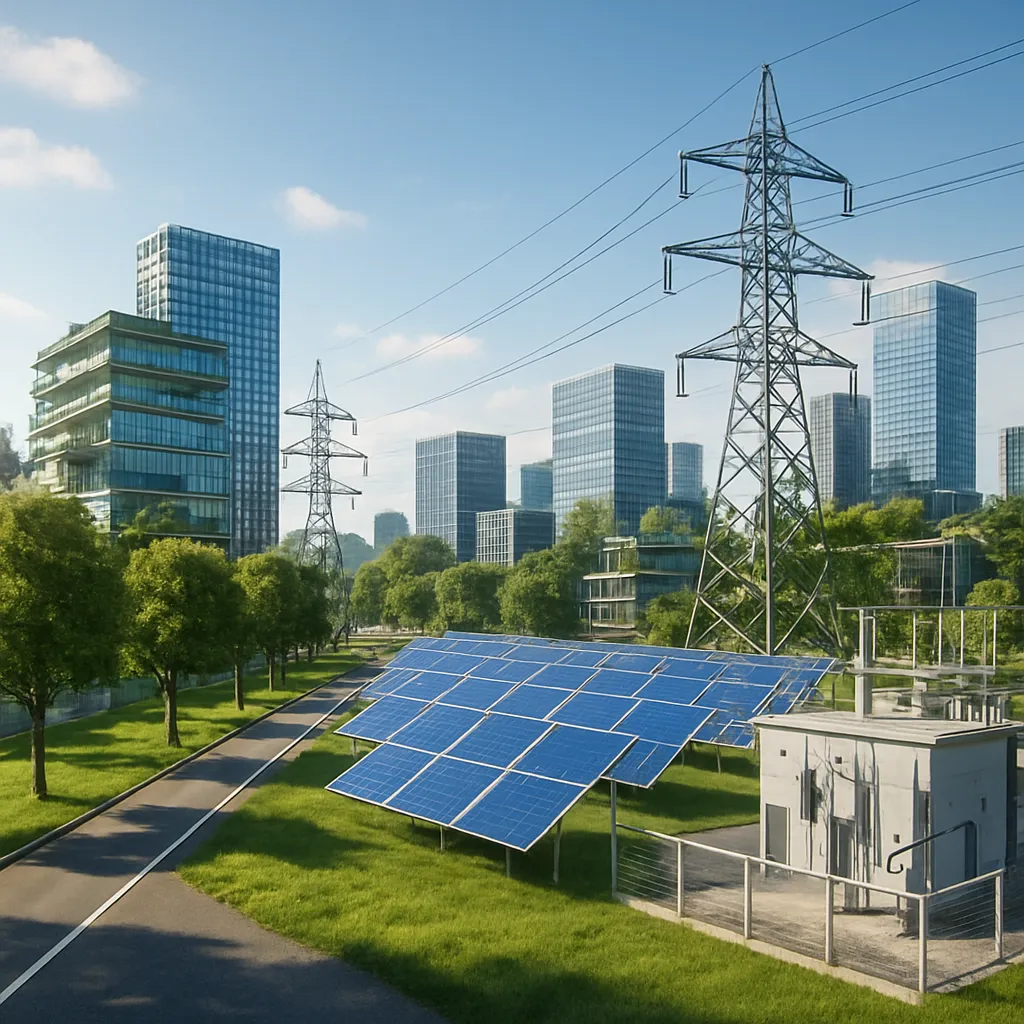
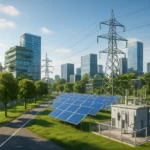
Urban resilience hinges on the ability to absorb shocks—from extreme weather events to sudden shifts in energy demand—and bounce back stronger. Futuristic architecture achieves this by embedding integrated systems that combine artificial intelligence, robotics, and renewable energy infrastructures. For instance, solar-harvesting façades can pivot or tilt to maximize photovoltaic output, while wind turbines seamlessly blend into building profiles to harness urban breezes. Combined with energy-storage solutions, these innovations create self-sufficient districts capable of operating independently during grid failures.
Smart Districts
Emerging pilot projects in several global cities illustrate how entire neighborhoods transform into living laboratories for regenerative design. Smart sensors calibrate lighting based on pedestrian flow, optimize waste collection via real-time fill-level monitoring, and adjust ventilation systems to maintain ideal indoor climates. Connectivity is reinforced through resilient mesh networks that ensure communication lines remain open during crises. This networked approach not only boosts daily performance but also fortifies collective preparedness when natural disasters strike.
Examples of Adaptive Technologies
- AI-driven flood barriers that autonomously deploy when river levels rise.
- Automated vertical farms integrated within high-rises to ensure food security.
- Robotic maintenance drones inspecting and repairing façades under harsh conditions.
- Dynamic shading systems that track solar angles and mitigate heat islands.
Biophilic and Regenerative Strategies
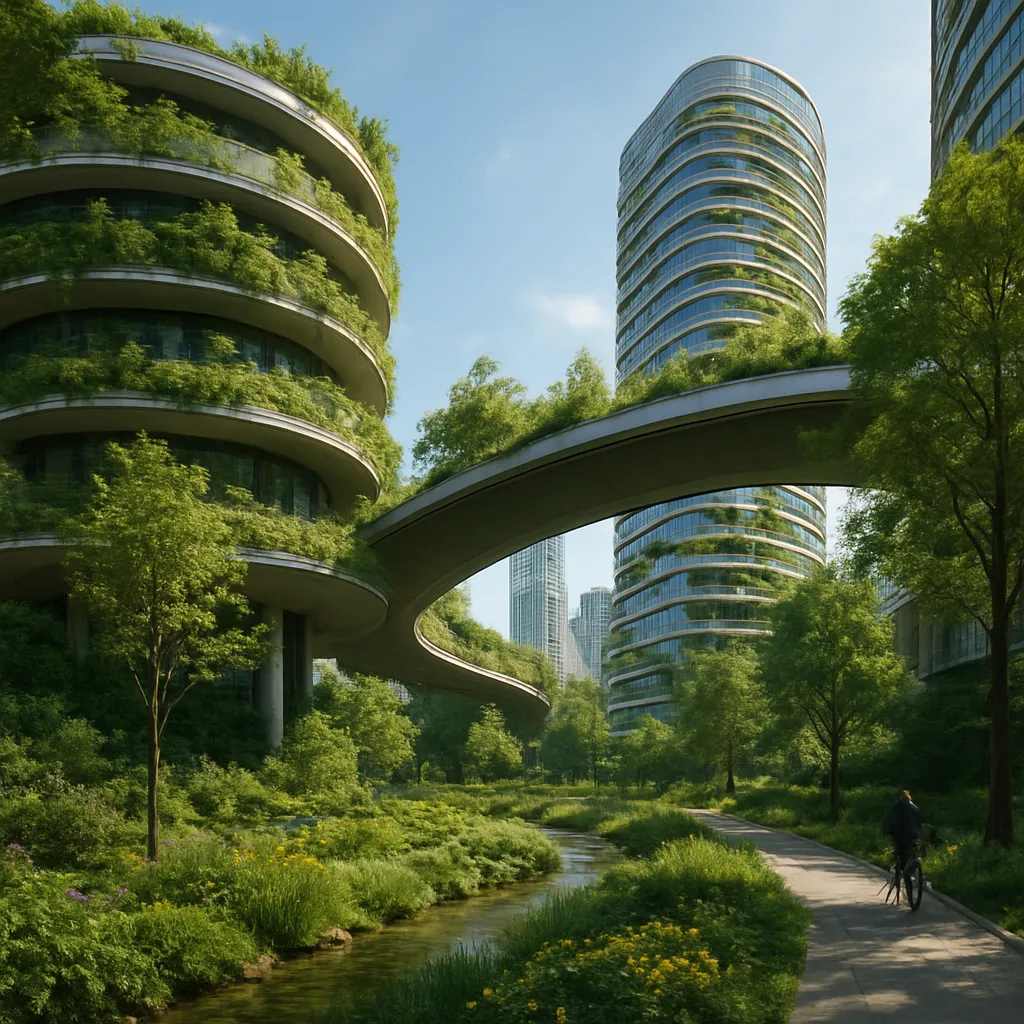
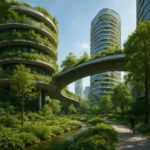
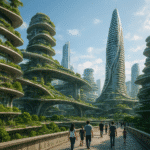
Emulating natural ecosystems proves essential for creating built environments that both thrive and nurture their surroundings. Biomimicry inspires façades patterned after termite mounds for passive cooling or self-cleaning surfaces modeled on lotus leaves. Green walls and sky gardens introduce biodiversity into dense urban cores, improving air quality and psychological well-being. By embedding living systems directly into buildings, architects elevate resilience through carbon sequestration, stormwater retention, and habitat creation.
Urban Green Integration
Plant corridors bridging rooftops not only support pollinator pathways but also act as thermal buffers, cutting energy consumption. Rainwater harvesting networks channel precipitation into subterranean reservoirs for reuse in irrigation and greywater systems. Such regenerative loops exemplify closed-loop thinking, where waste becomes a resource and environmental impact is minimized. Communities gain access to clean air and green spaces, enhancing social cohesion and public health.
- Edible landscapes within public plazas to bolster local food resilience.
- Biosolar panels combining photovoltaic arrays with vertical planting for dual energy and ecological benefits.
- Mycelium-based insulation materials that are biodegradable and moisture-regulating.
Community Engagement and Policy Frameworks
True resilience emerges when technological prowess aligns with inclusive governance and stakeholder participation. Futuristic architecture cannot operate in a vacuum; it demands supportive policies, funding mechanisms, and community buy-in. Participatory design workshops invite residents to co-create their surroundings, fostering a sense of ownership and adaptability. Regulatory revisions—such as streamlined permits for green infrastructure and tax incentives for renewable installations—accelerate the adoption of resilient practices.
Policy Innovations
- Performance-based codes rewarding buildings that exceed energy and carbon benchmarks.
- Urban resilience bonds financing large-scale retrofits and climate adaptation projects.
- Open-data platforms sharing performance metrics to drive transparency and continuous improvement.
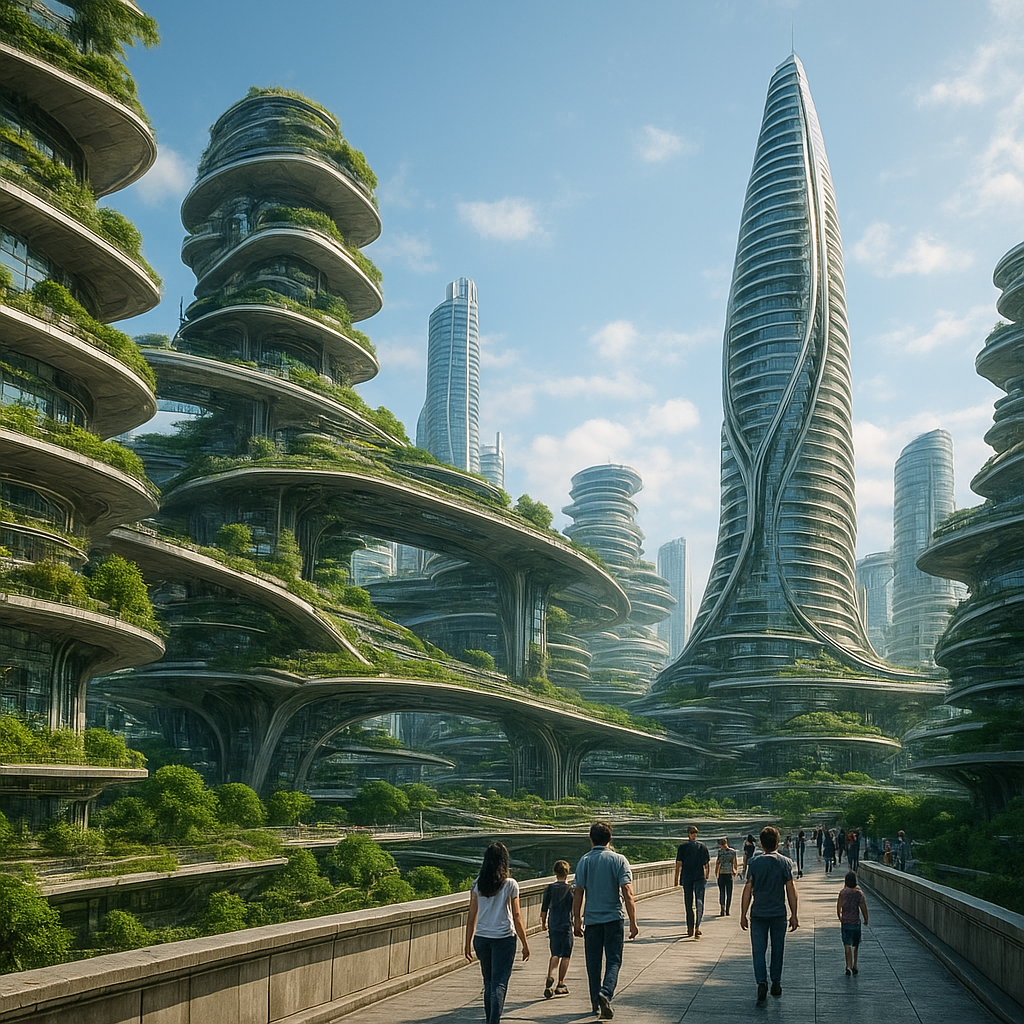
By embedding sustainability and resilience at every scale—from individual façades to entire districts—futuristic architecture paves the way for dynamic cities ready to face the uncertainties of tomorrow. As technology and ecology intertwine, urban landscapes become living, breathing entities capable of evolving alongside their inhabitants, ensuring that metropolitan hubs remain robust, flexible, and forward-looking.