
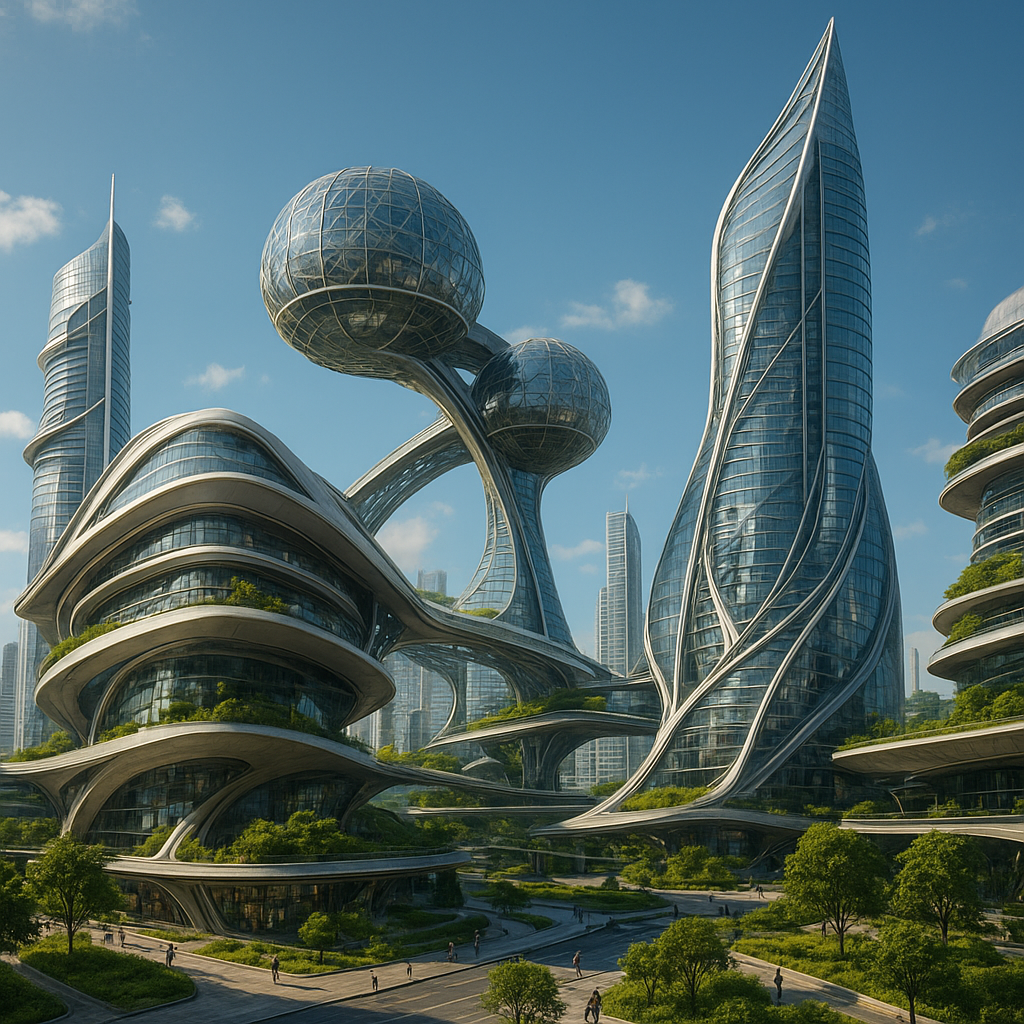
The skyline of tomorrow is being reshaped by architects and engineers who dare to imagine beyond conventional blueprints. By embracing cutting-edge technologies and revolutionary design philosophies, contemporary visionaries are crafting habitats that not only shelter humanity but also resonate with the needs of an ever-evolving planet. From gravity-defying towers to floating cities, the realm of futuristic architecture redefines the concept of home, work, and communal life.
Innovation in Conceptual Design
Parametric Geometry and Organic Forms
Advancements in computational tools have ushered in an era where architects manipulate algorithms to generate complex shapes. Parametric design allows for seamless integration of form and function, resulting in structures that mimic natural patterns. Inspired by shells, leaves, and human anatomy, these organic geometries distribute stress efficiently while offering visually arresting facades. Notable examples include towers whose curves respond to wind loads and facades that adjust their density based on solar angles.
Biomimicry as a Design Ethos
By studying how organisms thrive in harsh environments, designers adopt biomimicry to create buildings that self-regulate temperature, manage moisture, and even harvest energy. Mimicking termite mounds, some structures employ convection-based cooling systems requiring minimal mechanical input. Others borrow from lotus leaves to develop superhydrophobic surfaces that remain clean and stain-free.
- The Eden Project in the UK uses geodesic domes inspired by virus capsids to maximize strength and enclosure volume.
- Project Hyperion—a concept for lunar habitats—draws on honeycomb geometry to combine lightweight construction with high redundancy.
Integration of Smart Technologies
Adaptive and Responsive Systems
Smart buildings of the future will react in real time to occupancy, weather, and energy demand. Embedded sensors and IoT networks connect structural elements with AI-driven management systems. When a conference room reaches capacity, climate controls adjust instantly. Facade panels open or close to modulate daylight and airflow, reducing reliance on artificial heating and cooling. This adaptive feedback loop optimizes comfort and conserves resources.
Nanotechnology and Smart Materials
Advances in nanotechnology have yielded coatings and composites that exceed traditional performance thresholds. Self-healing concrete uses microcapsules containing repair agents that seal cracks autonomously. Transparent photovoltaic glass converts windows into power generators without compromising view. Phase-change materials integrated into walls store heat during the day and release it at night, stabilizing interior temperatures.
Mixed Reality in Design and Construction
Virtual and mixed reality platforms revolutionize collaboration by allowing stakeholders to immerse themselves in unbuilt spaces. Engineers and architects can identify flaws, test structural responses, and experiment with layouts before physical construction begins. This reduces waste, enhances accuracy, and accelerates decision-making, driving down costs.
Environmental and Societal Impact
Sustainable Urban Ecosystems
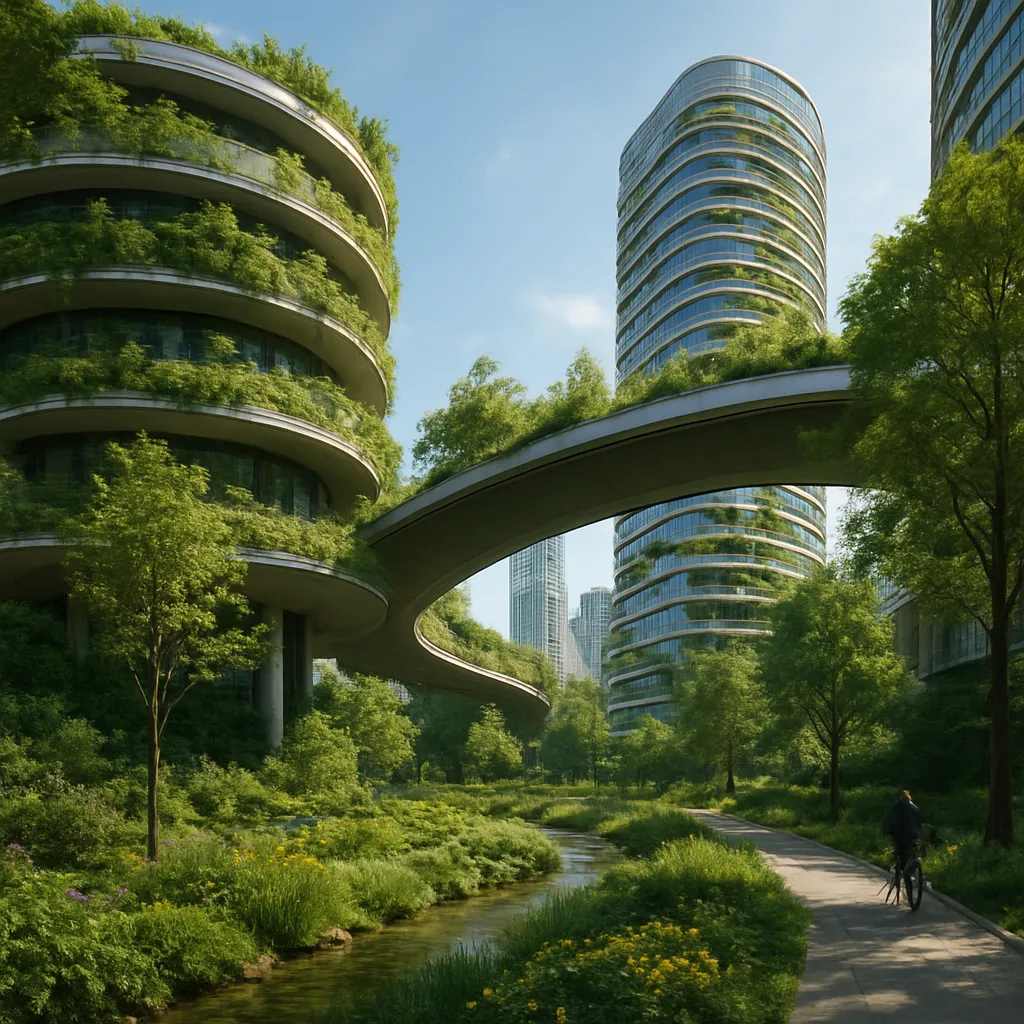
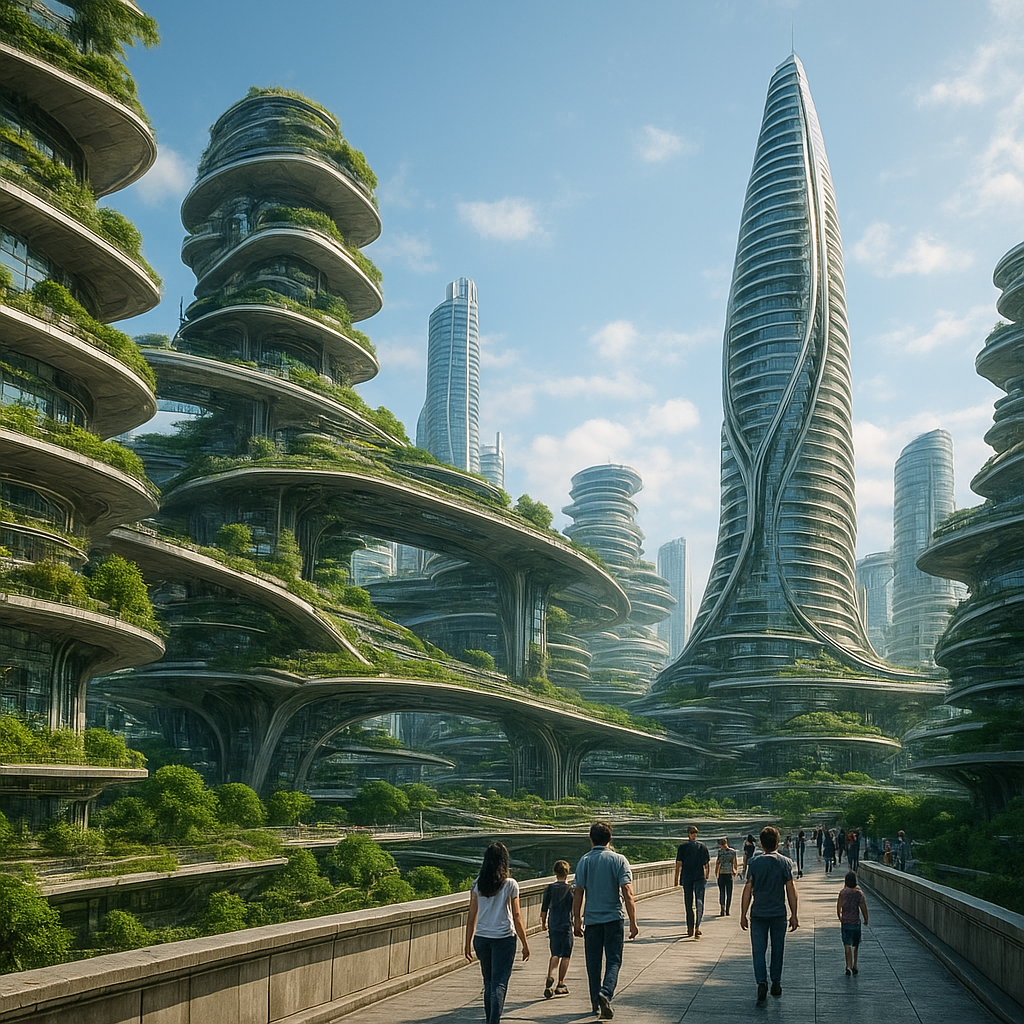
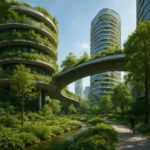
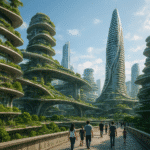
Future cities are envisioned as living organisms with integrated ecosystems. Vertical forests—towers covered in thousands of trees and shrubs—absorb carbon dioxide and produce oxygen, improving air quality. Rooftop urban farms and aquaponic systems turn unused space into food production hubs, reducing transportation emissions and fostering local resilience.
Net-Zero and Regenerative Aspirations
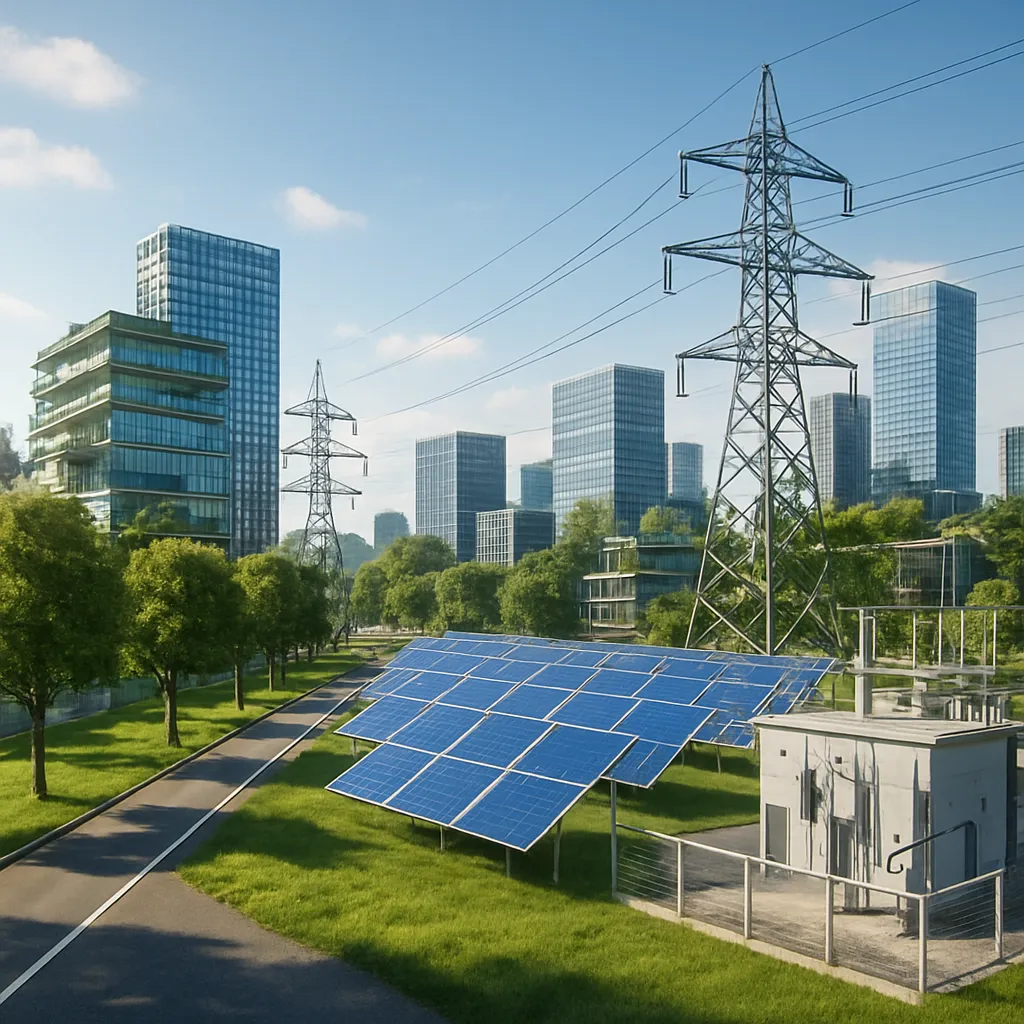
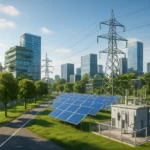
The goal of net-zero energy consumption is becoming mainstream. Buildings generate as much power as they consume through solar panels, wind turbines, and geothermal loops. Some initiatives go further, achieving regenerative performance by contributing surplus energy or purified water to the grid. In the desert, solar farms combined with water-saving architectures create micro-oases that support human habitation and wildlife.
Modular Construction and Autonomous Assembly
Prefabrication methods break large projects into modular components manufactured offsite under controlled conditions. Modules stack and interlock like giant building blocks, speeding construction and maintaining quality. Robotics and autonomous drones handle heavy lifting and precision placement, even in remote or hazardous locations. NASA’s concepts for Mars habitats rely on self-deploying modules that require minimal human intervention.
Human-Centric Futures
Wellbeing and Biophilic Principles
Designers recognize that connection to nature enhances health and productivity. Future interior environments will feature dynamic natural lighting, green walls, and water features that evoke outdoor settings. Biophilic elements—such as undulating corridors resembling forest paths—lower stress levels and foster creativity.
Equity and Inclusive Design
Emerging architectural paradigms prioritize accessibility and social integration. Public spaces adapt to diverse mobility needs, and multi-generational housing clusters promote community bonds. Smart lighting, acoustics, and wayfinding systems cater to individuals with sensory or cognitive impairments. By championing universal design, the built environment becomes a catalyst for social cohesion.
Floating and Subterranean Communities
As coastal populations swell and sea levels rise, architects are exploring autonomous floating platforms that drift with currents while anchored to seabed pylons. These modular oceanic settlements generate energy from waves and desalinate seawater. Conversely, subterranean complexes carve into stable bedrock, offering protection from extreme weather and temperature fluctuations. Both approaches expand habitable zones and diversify living options.
Challenges and Ethical Considerations
Resource Scarcity and Material Ethics
While advanced materials promise performance gains, their sourcing and disposal pose dilemmas. Rare-earth elements used in high-efficiency turbines may carry environmental and social costs in extraction. Sustainable supply chains and recycling protocols must evolve alongside technological breakthroughs.
Data Privacy and Surveillance Concerns
Connected infrastructures collect vast streams of behavioral data to optimize operations. Without robust safeguards, such networks could infringe on personal privacy. Ethical frameworks and open standards are essential to ensure that inhabitants control their digital footprints.
Resilience in the Face of Disruption
Unpredictable climate events, cyber threats, and geopolitical shifts demand resilient design strategies. Redundant systems, decentralized energy grids, and on-site resource loops bolster community autonomy. Futuristic architecture must anticipate not only tomorrow’s opportunities but also tomorrow’s risks.