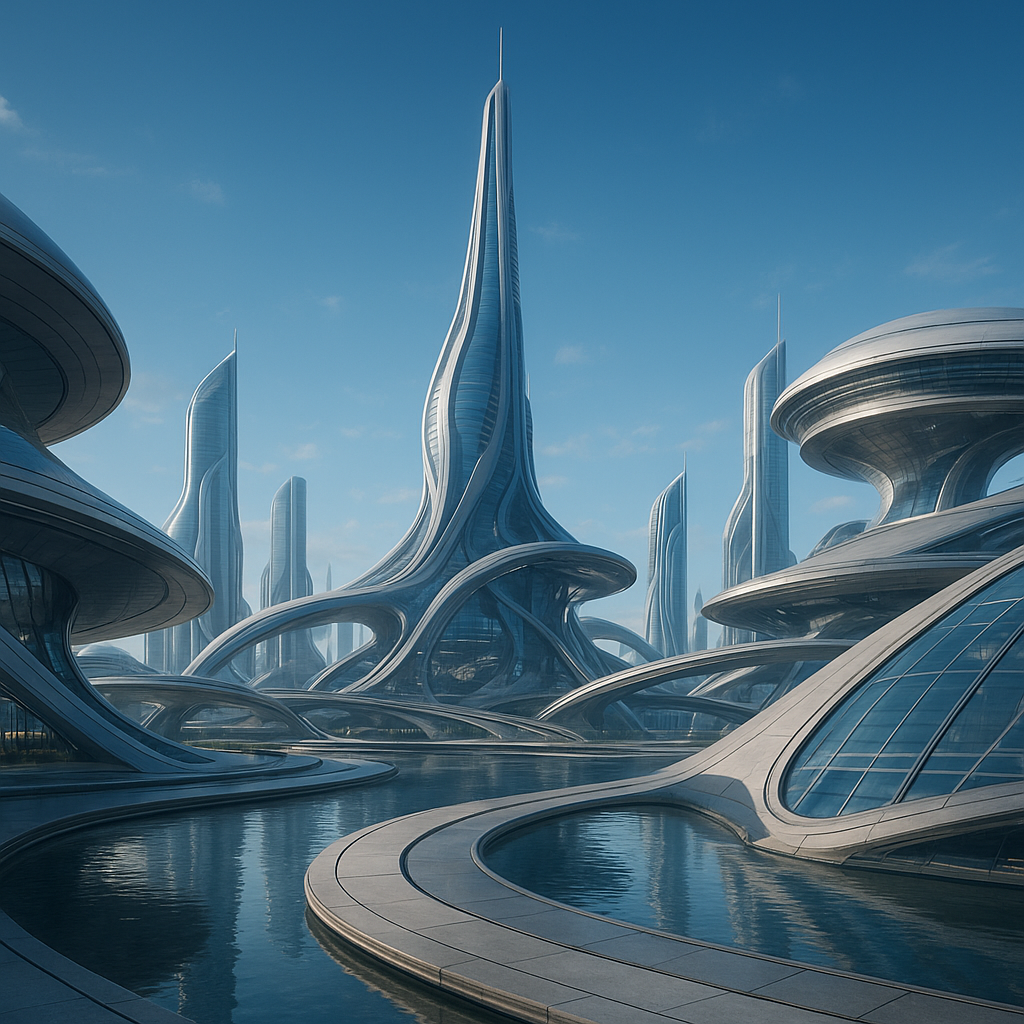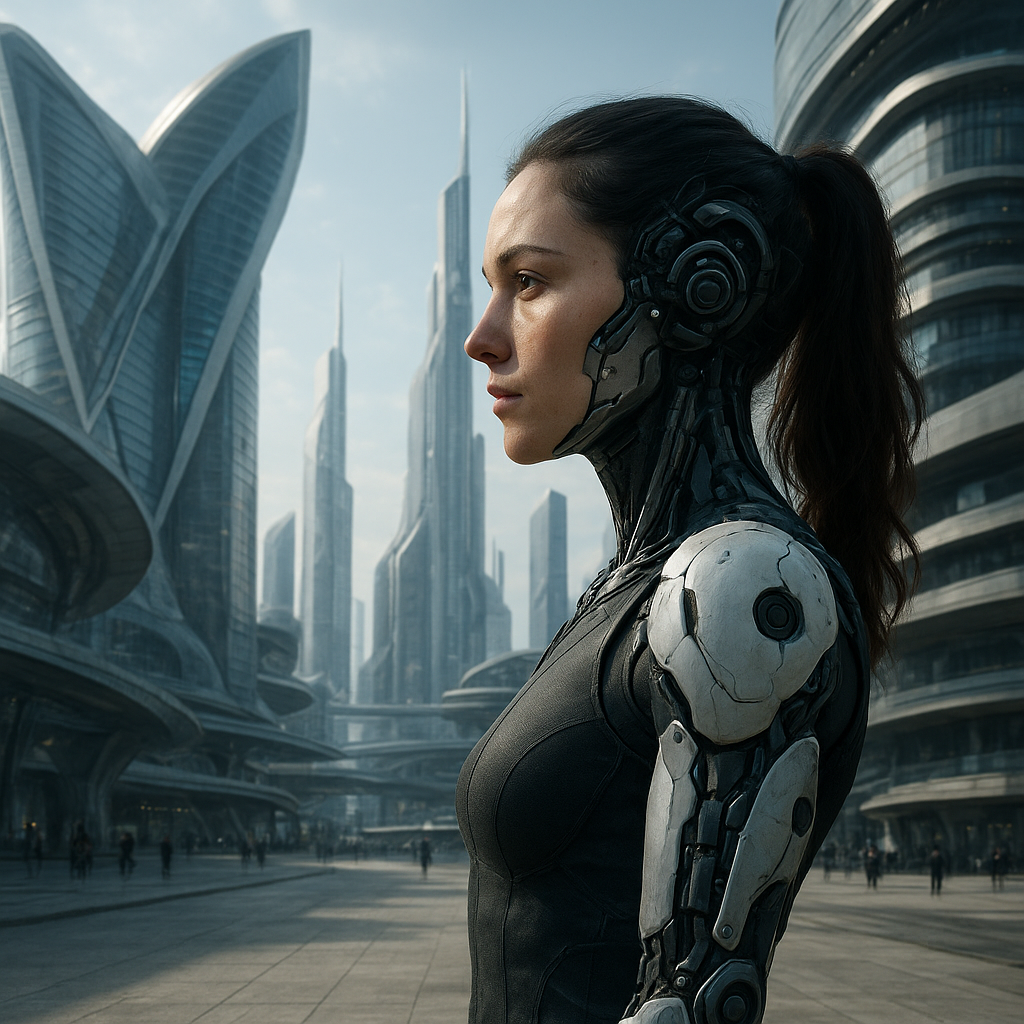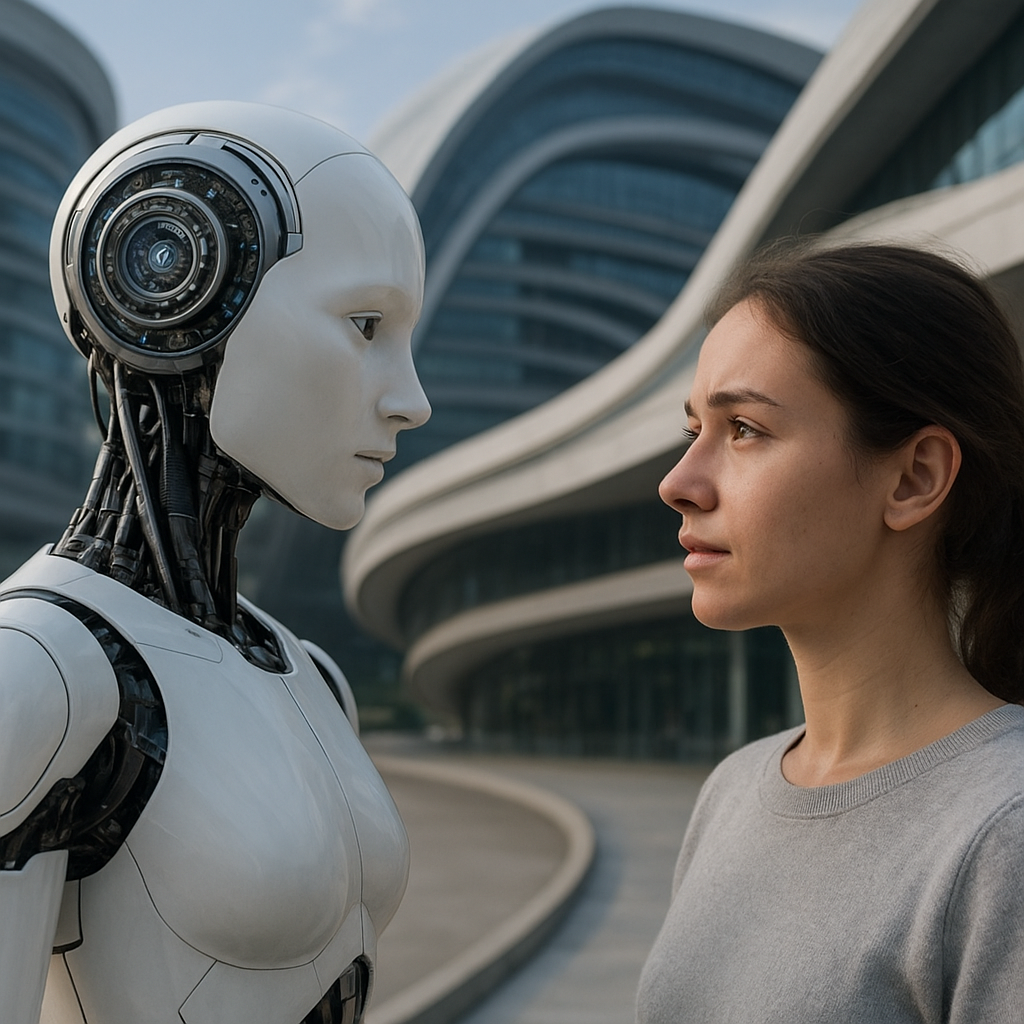


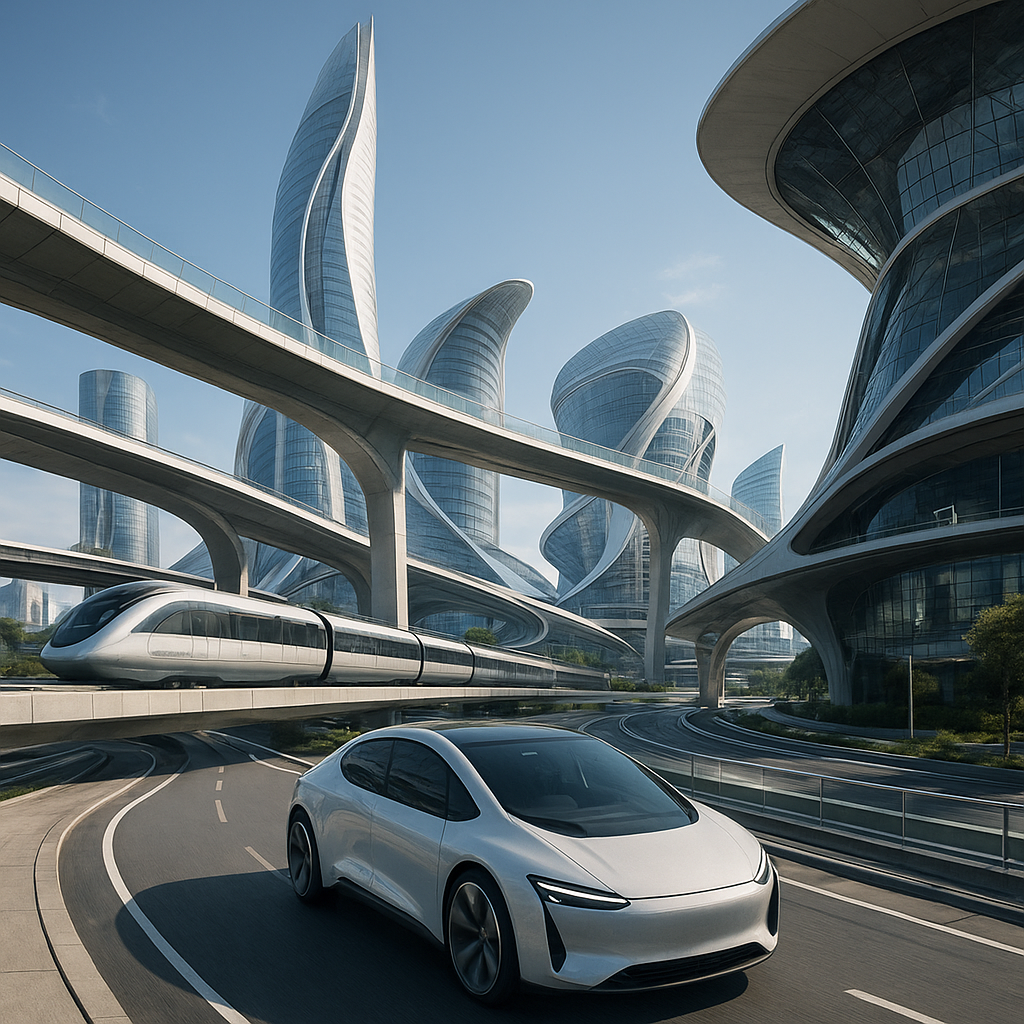
The future of city living is being reshaped by a bold convergence of design and movement. Futuristic architecture no longer exists as isolated structures; it weaves seamlessly into the flow of urban life, redefining how people commute, explore, and experience the built environment. By blending cutting-edge materials, data-driven systems, and visionary aesthetics, emerging megastructures are transforming mundane transit routines into immersive journeys. This exploration navigates three pivotal arenas where architecture and mobility intersect, spotlighting the most transformative trends steering tomorrow’s cities.
Transportation Hubs as Architectural Landmarks
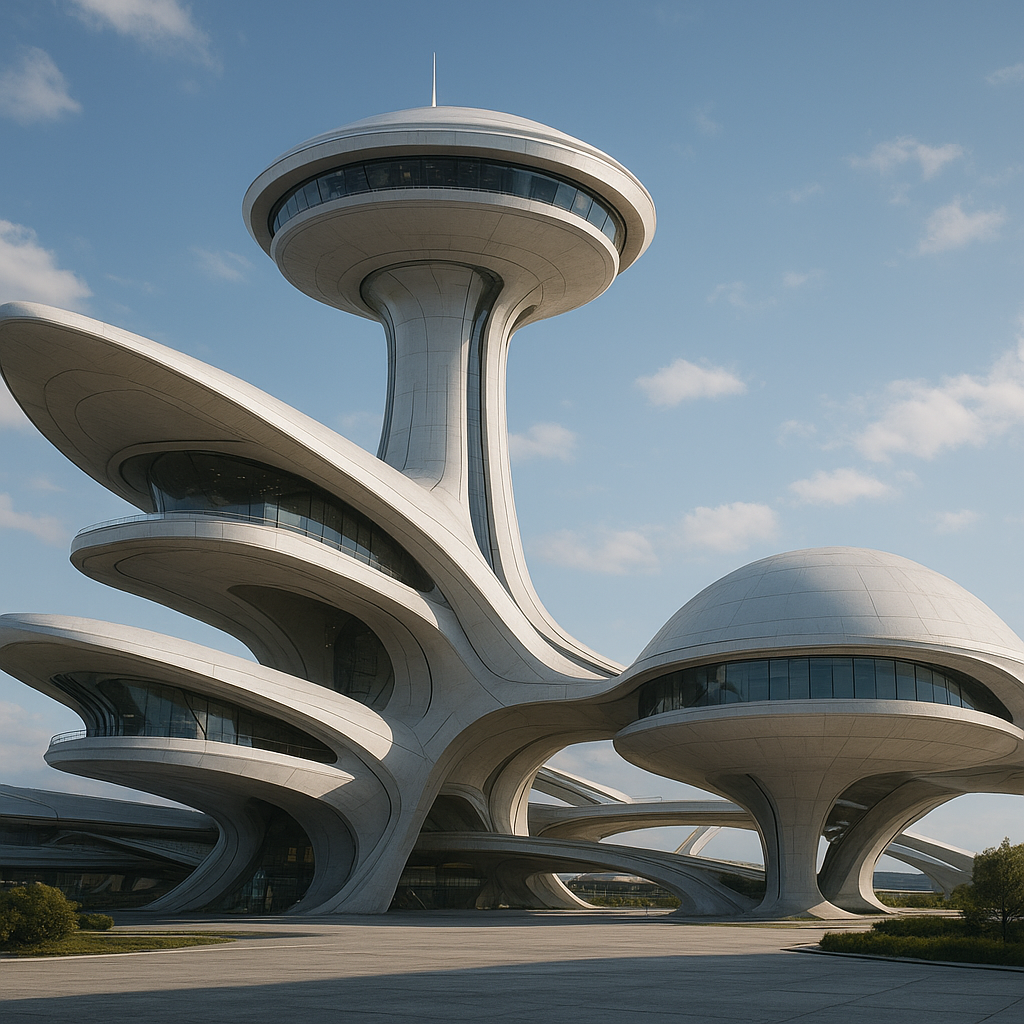
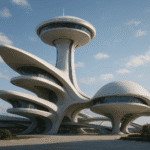
Iconic termini have long served as the identity markers of great cities. In the next era, architects and engineers collaborate to elevate stations into dynamic destinations rather than mere transfer points. Gone are the days of drab platforms and cramped corridors; in their stead arise fluid volumes, translucent canopies, and adaptive façades that respond in real time to passenger density and weather conditions.
Integration of Transit and Urban Fabric
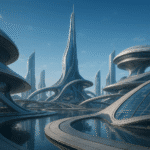
Ensuring a station melds naturally with adjacent neighborhoods demands bold spatial planning. The latest prototypes extend pedestrian promenades across rail tracks via sinuous overpasses, forging new public plazas where buses, trains, and bikes converge. Ground-level retail pods, vertical gardens, and augmented-reality wayfinding combine to create a multisensory environment that encourages dwell time and social interaction.
- Seamless connectivity: Underground tunnels link metro lines to shopping arcades and office towers without exposing commuters to inclement weather.
- Layered programs: Rooftop parks and cultural pavilions perched above ticket halls transform transit nodes into community hubs.
- Adaptive use: Modular modules permit temporary retail, exhibition spaces, or pop-up cafés to reconfigure themselves in response to events or peak hours.
Dynamic Design Strategies
Emerging stations adopt kinetic façades that open to reveal breezeways during warm months, or seal tightly to conserve heat in winter. Smart glass panels modulate transparency based on daylight intensity, reducing reliance on artificial lighting. Structural grids of carbon-fiber lattice support sweeping roof spans, enabling column-free concourses and airy waiting areas. In many proposals, façade elements double as solar collectors, powering lighting, displays, and even electrified tracks.
Adaptive Infrastructure and Smart Systems
As cities grow, static transit arteries struggle to accommodate shifting patterns of demand. Futuristic architecture couples data analytics with responsive infrastructure, giving rise to “living” networks that evolve alongside urbanization trends. By embedding sensors throughout streets, tunnels, and vehicles, planners harness real-time insights to reallocate lanes, adjust schedules, and anticipate maintenance needs—keeping the urban circulatory system humming with precision.
Sensor-Driven Streetscapes
Smart pavements embedded with pressure and temperature sensors can detect footfall, bike traffic, and vehicle loads. These metrics feed into AI controllers that shift signal timings or ramp up microtransit services in underutilized corridors. On demand, dedicated bus lanes can materialize via illuminated LED strips in the pavement surface—guiding vehicles safely while alerting drivers and pedestrians to changing lane allocations.
- Predictive maintenance: Real-time structural monitoring detects stress fractures in bridges or subsidence in tunnels before failures occur.
- Environmental regulation: Air-quality sensors activate façade vents or green-wall misters to mitigate pollution hotspots.
- Energy harvesting: Piezoelectric tiles capture kinetic energy from footsteps, powering streetlights or charging ports for e-scooters.
AI-Orchestrated Traffic Flow
Platforms centrally coordinate fleets of autonomous shuttles, taxis, and freight pods. By processing live traffic feeds, passenger demand forecasts, and weather data, AI can reroute vehicles away from congestion, bundle deliveries into efficient loops, or adjust fare pricing to encourage off-peak travel. In districts dominated by pedestrian promenades, robotic valet systems autonomously transfer private cars to subterranean garages—liberating surface streets for walking and cycling.
Sustainability and Resilience in Urban Transit
The drive toward net-zero emissions compels architects to embed sustainability deep within transit architecture. Futuristic stations and mobility corridors are being reimagined as carbon sinks and biodiversity corridors. Every façade, canopy, and platform aspires to contribute positively—whether through habitat creation, water recycling, or locally sourced building elements.
Biophilic Mobility Nodes
In the most ambitious projects, station roofs sprout solar orchards, with photovoltaic leaves interwoven among fruit trees. Rainwater is harvested in sculptural cisterns, then filtered and repurposed for irrigation of hanging gardens draping the terminal’s interior walls. These green arteries not only improve air quality but form natural sound buffers, insulating noisy train movements from adjacent residential quarters.
- Material circularity: Modular station components use recycled steel, cross-laminated timber, or reclaimed concrete, enabling future disassembly and reuse.
- Blue-green infrastructure: Bioswale channels along platforms capture stormwater runoff, reducing urban flooding risks.
- Carbon sequestration: Algae bioreactors embedded in glass facades absorb CO₂ while tinting windows to regulate solar gain.
Edge-of-Grid Mobility
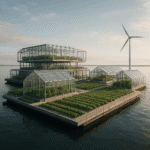
Futuristic peripheries adopt decentralized transit nodes powered off-grid. Microgrids fueled by solar arrays, hydrogen fuel cells, and battery storage support charging stations for electric buses and autonomous vans. These outposts deliver last-mile connectivity without burdening central infrastructure. By integrating vertical farming pods and community workshops, they anchor new neighborhoods in climate resilience and local economic growth.
Pedestrian and Micro-mobility Corridors
Architects are elevating the humble sidewalk into a key player in urban mobility. New corridor typologies blend cycling lanes, electric scooter tracks, and moving walkways, all sheltered beneath iconic canopies. These orbital arteries thread through high-rise clusters, linking workplaces, residences, and leisure districts with minimal ground-level cross-traffic.
Floating Skywalk Networks
In ultra-dense zones, suspended walkways connect building rooftops and sky-bridges, offering safe, direct routes above street congestion. Transparent floor panels and integrated LED guidance systems ensure comfort and orientation. Structures engineered from lightweight composites maintain slim profiles, preserving views while enabling swift pedestrian transit at various elevations.
- Ergonomic design: Automated walkway speed adjustments match pedestrian flow, preventing bottlenecks.
- Interactive environments: Augmented-reality interfaces embedded in railings offer route info, historical trivia, or commercial promotions.
- Inclusive access: Tactile guidance strips and gentle slopes ensure that travelers of all abilities can navigate effortlessly.
Last-Mile Micropods
Compact autonomous pods shuttle small groups through labyrinthine urban quarters. Docking bays are integrated into ground-floor façades, where passengers disembark straight into retail arcades or coworking spaces. Powered by swappable battery packs and navigating via LiDAR and 5G communications, these pods fill gaps between mass transit and final destinations, promoting a seamless door-to-door journey.
Collectively, these strategies exemplify how futuristic architecture is not only crafting dramatic skylines but also orchestrating the choreography of movement beneath them. By fusing aesthetics with technology, and form with function, tomorrow’s transit environments will be living, breathing ecosystems—engineered to propel urban communities toward unprecedented levels of connectivity, efficiency, and environmental harmony.