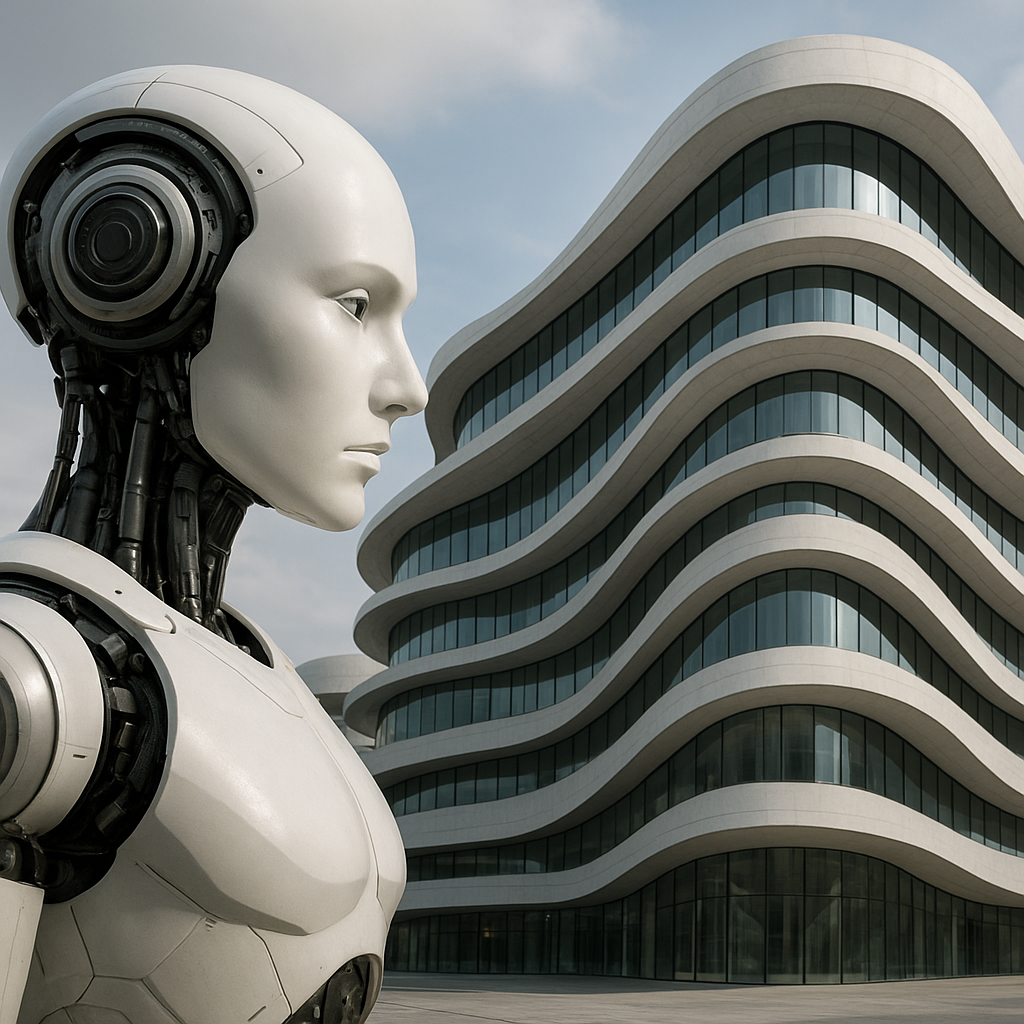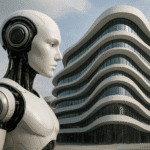
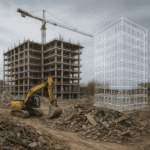
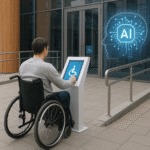
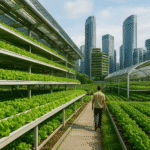
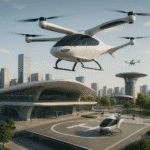

The unfolding trajectory of contemporary design has steered architecture toward uncharted territories. This exploration dives into the realms of **innovation**, **human-centric** planning, and cutting-edge technologies that redefine how occupants interact with built environments. By dissecting the underlying principles and tangible outcomes of futuristic architecture, this article reveals how visionary forms and materials move beyond aesthetics to shape everyday life.
Visionary Forms and Fundamental Principles
At the heart of advanced architectural landscapes lie revolutionary methodologies that challenge static conventions. Architects harness computational tools to generate shapes and structures once considered impossible. These methodologies foster environments that resonate with our innate senses and adapt to evolving needs.
Parametric Design
parametric design employs algorithms to produce complex geometry driven by performance criteria. Architects define parameters—such as wind load, daylight penetration, or spatial adjacency—and the software yields dynamic forms optimized for multiple factors. As a result, buildings become responsive to context, climate, and user behavior.
Biomimicry and Nature-Inspired Geometry
The natural world offers an endless repository of elegant solutions. Through biomimicry, designers replicate structures like honeycomb lattices or leaf venation to achieve maximum strength with minimal material. This approach not only delivers visually striking results but also enhances structural efficiency, thermal regulation, and resilience.
Sustainability and Adaptive Materials
Emerging environmental challenges have propelled sustainability from an optional consideration to an imperative. Futuristic architecture integrates technologies that minimize resource consumption, reduce carbon footprints, and foster ecological harmony.
Smart Facades and Energy Efficiency
smart facades adapt in real-time to changing weather conditions. Electrochromic panels modulate transparency to control heat gain, while photovoltaic skins generate electricity. Integrated sensors communicate with building-management systems to optimize illumination, ventilation, and climate control. Key advantages include:
- Reduced energy consumption
- Improved occupant comfort
- Lower operational costs
- Enhanced aesthetic versatility
Adaptive and Programmable Materials
Breakthroughs in material science have given rise to adaptive materials that change properties in response to stimuli. Shape-memory alloys can revert to predetermined forms when heated, while phase-change composites store and release thermal energy. Innovations such as self-healing concrete and bio-based plastics promote longevity and circular resource use.
Social Behavior, Well-Being, and Biophilic Integration
Architecture transcends mere shelter; it influences mood, productivity, and social dynamics. Futuristic designs prioritize biophilic integration—the incorporation of natural elements to strengthen the bond between people and their surroundings.
Immersive Environments and Multi-Sensory Engagement
Spaces enriched with water features, greenery, and natural light stimulate cognitive function and reduce stress. Interactive walls that change color or pattern based on occupancy create dynamic atmospheres. These immersive environments foster creativity and well-being by aligning sensory inputs with human psychological needs.
Public Interfaces and Community Nodes
Futuristic architecture often features modular plazas and adaptable pavilions serving as social nodes. Movable seating, retractable roofs, and digital art surfaces transform public spaces according to event requirements. Such flexibility nurtures communal gatherings, collaborative work, and spontaneous cultural activations.
Technology, Fabrication, and the Next Frontier
The convergence of digital innovation and traditional craft drives a new era of possibility. Advanced manufacturing techniques enable architects to prototype and construct with unprecedented precision.
Digital Fabrication and Robotics
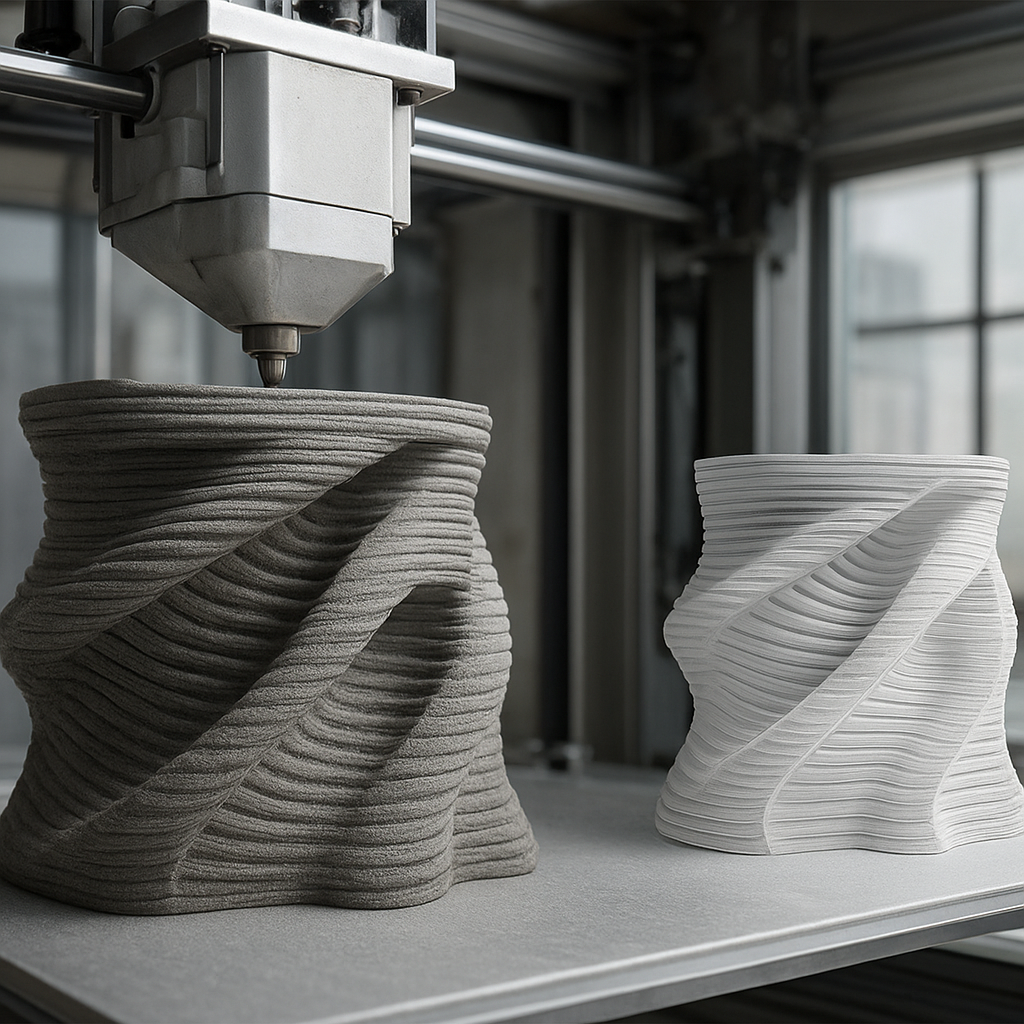
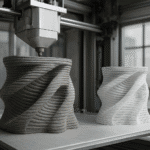
digital fabrication integrates 3D printing, CNC milling, and robotic assembly to materialize complex components with minimal waste. This synergy allows for:
- On-demand production of bespoke modules
- Rapid iteration of design prototypes
- Integration of local or recycled materials
- Enhanced structural performance through topology optimization
Augmented Reality and Interactive Design
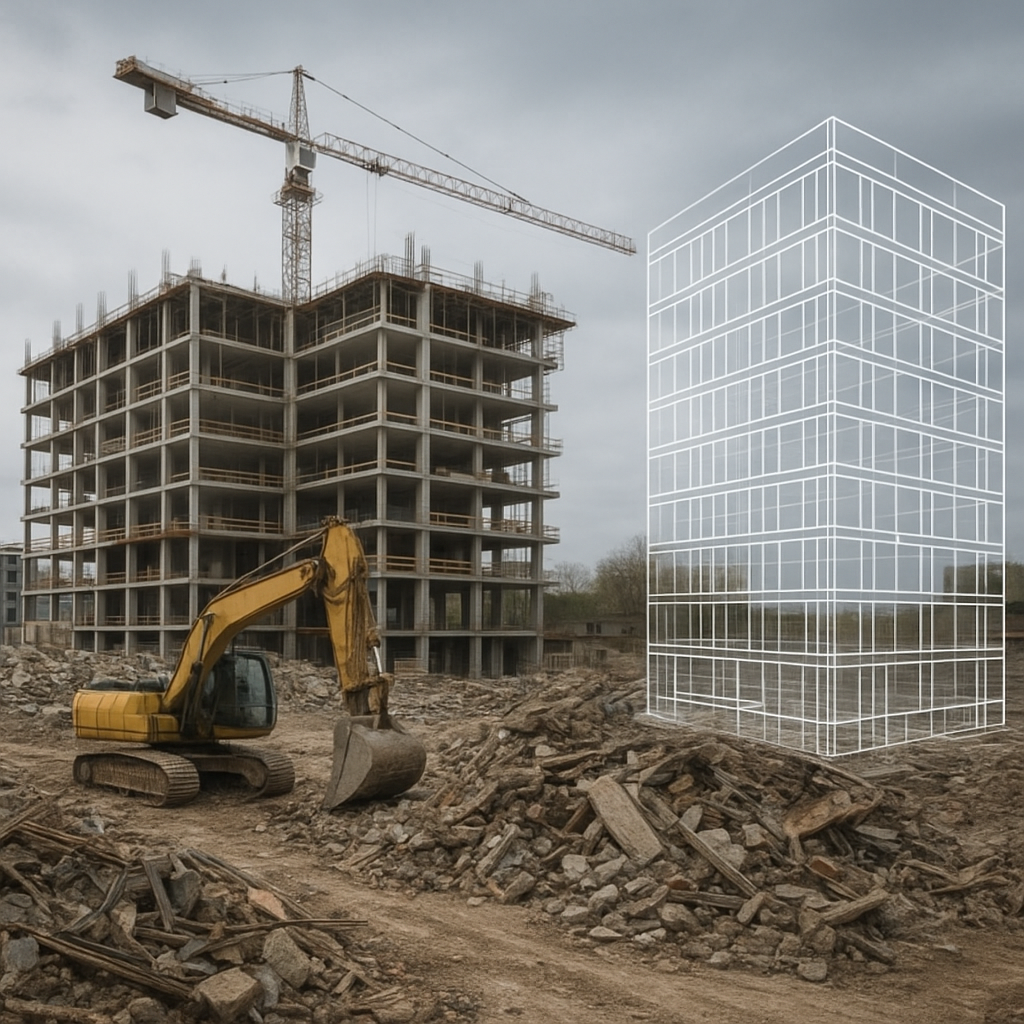
Augmented Reality (AR) tools empower stakeholders to walk through virtual models at full scale, making real-time adjustments to spatial layouts and finishes. Collaboration between architects, engineers, and end users becomes more intuitive, reducing misinterpretations and costly revisions.
As these technological advancements continue to proliferate, the built environment evolves into a dynamic ecosystem—one in which buildings pulse with life, adapt to human rhythms, and reflect collective aspirations. The synergy of bold design, sustainability, and responsive technology redefines architecture not only as a backdrop for human activity but as an active participant in shaping our experiences.