
Futuristic architecture transcends mere construction, transforming cityscapes into dynamic canvases of human ambition and technological prowess. By weaving together innovation, sustainability, and cutting-edge materials, designers are crafting structures that challenge traditional boundaries. The interplay of form and function invokes a new era where buildings not only serve but also adapt, learn, and communicate with their inhabitants. This exploration delves into the pivotal elements reimagining urban skylines and shaping tomorrow’s metropolises.
The Evolution of Architectural Vision
Architectural thought has long been influenced by the prevailing social, economic, and technological climate. From the soaring arches of Gothic cathedrals to the glass facades of Modernist towers, each era has left its imprint. Today’s visionaries push beyond static monuments, instead prioritizing resilience and fluidity.
From Concept to Concrete Reality
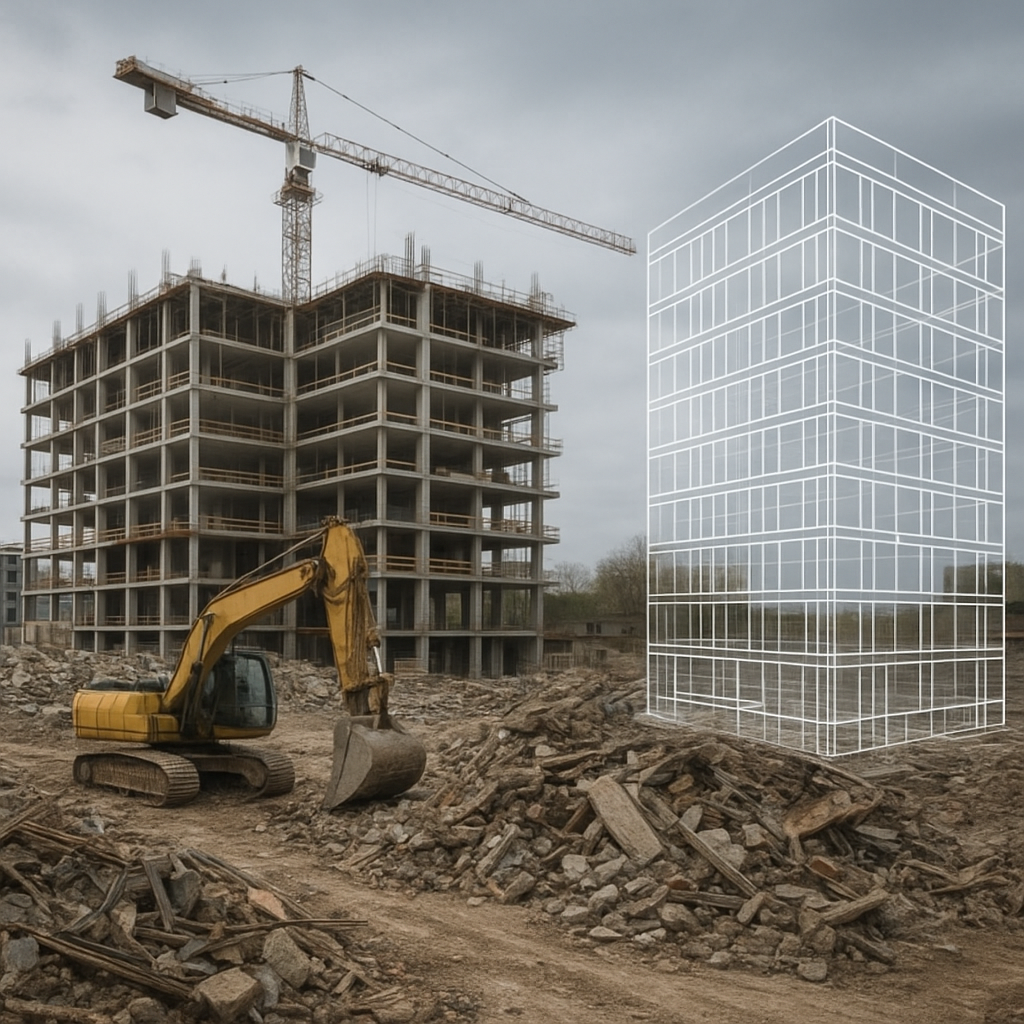
Conceptual sketches once floated on drawing boards; now they materialize through parametric design tools that turn abstract ideas into buildable models. Software enables architects to simulate wind loads, solar exposure, and even pedestrian traffic patterns before a single beam is set. This synergy of art and engineering has cultivated a breed of structures that appear almost organic.
- Parametric Modeling: Customizable frameworks driven by algorithmic logic.
- Biomimicry: Nature-inspired forms that optimize strength and resource use.
- Generative Design: AI-assisted iterations yielding unexpected solutions.
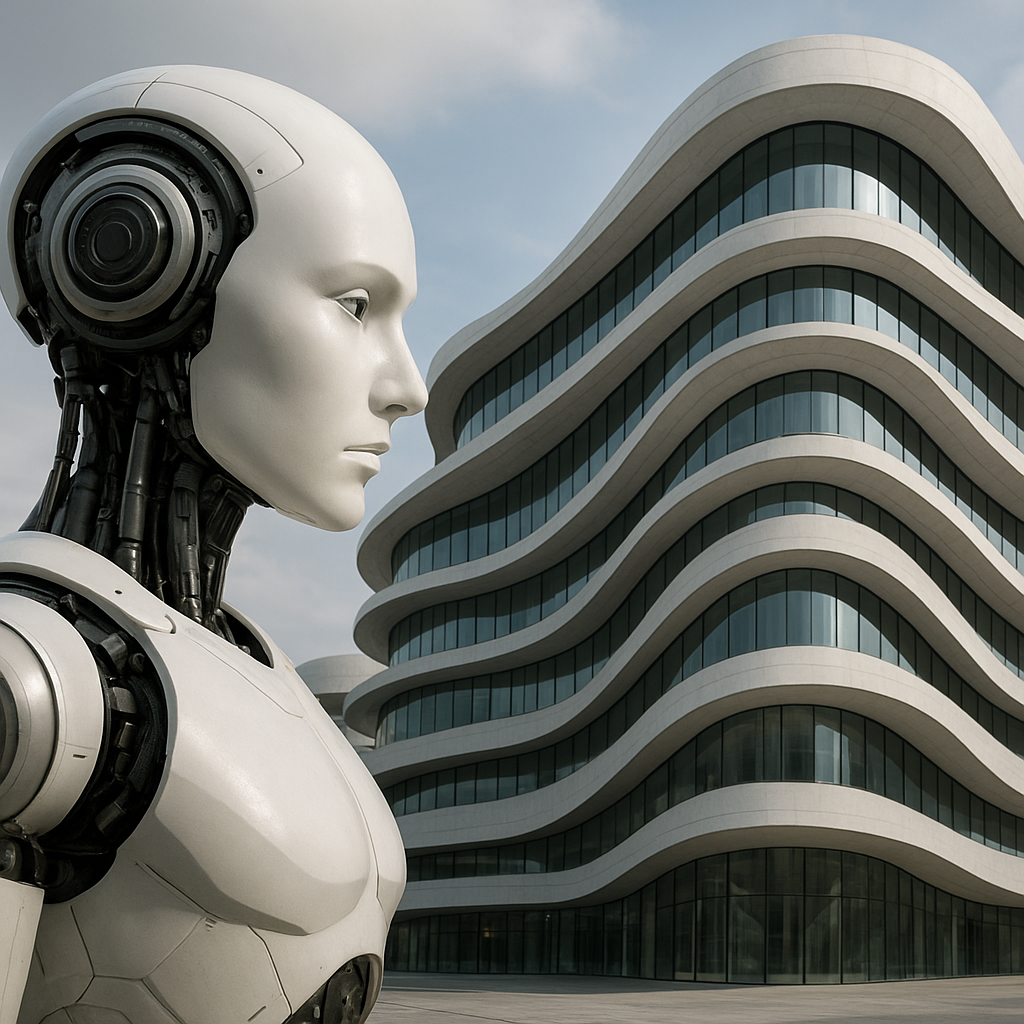
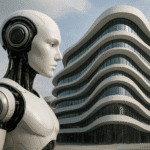
Consider towers whose profiles mimic tree canopies, dispersing wind forces with the same efficiency as leaves. Others undulate like waves, stabilizing through natural curves and reducing material demands. Such designs underscore a critical shift: buildings are no longer static—they behave like living systems.
Sustainable Materials and Energy Integration
In an age of environmental urgency, architecture embraces responsibility. New materials and energy systems converge to create self-sustaining edifices that minimize ecological footprints. Underpinning this movement are sustainable methodologies that transcend mere certification badges.
Next-Generation Materials
- Carbon-negative concrete: Utilizing industrial byproducts to sequester CO₂.
- Transparent solar glass: Turning facades into power generators.
- Phase-change composites: Regulating interior temperatures passively.
These advancements enable buildings to produce more energy than they consume. Solar panels integrated within structural glazing melt seamlessly into the facade, while rooftop algae bioreactors generate biofuels and oxygen. Rainwater harvesting and greywater recycling systems are embedded in the very bones of each structure, reflecting a holistic approach to resource management.
Energy-Efficient Operations
Smart sensors constantly monitor environmental conditions, adjusting ventilation, lighting, and shading systems in real time. Occupancy data informs heating and cooling algorithms, ensuring optimal comfort with minimal waste. In some flagship projects, excess energy is fed back into the grid, transforming buildings into active contributors to urban power resilience.
The Role of Technology and Digital Fabrication
Architectural practice now resides at the intersection of digital ingenuity and physical manufacture. Robotics, 3D printing, and artificial intelligence have ushered in an era of unprecedented precision and customization. These innovations breathe life into designs that once existed only in speculative fiction.
3D Printing and Prefabrication
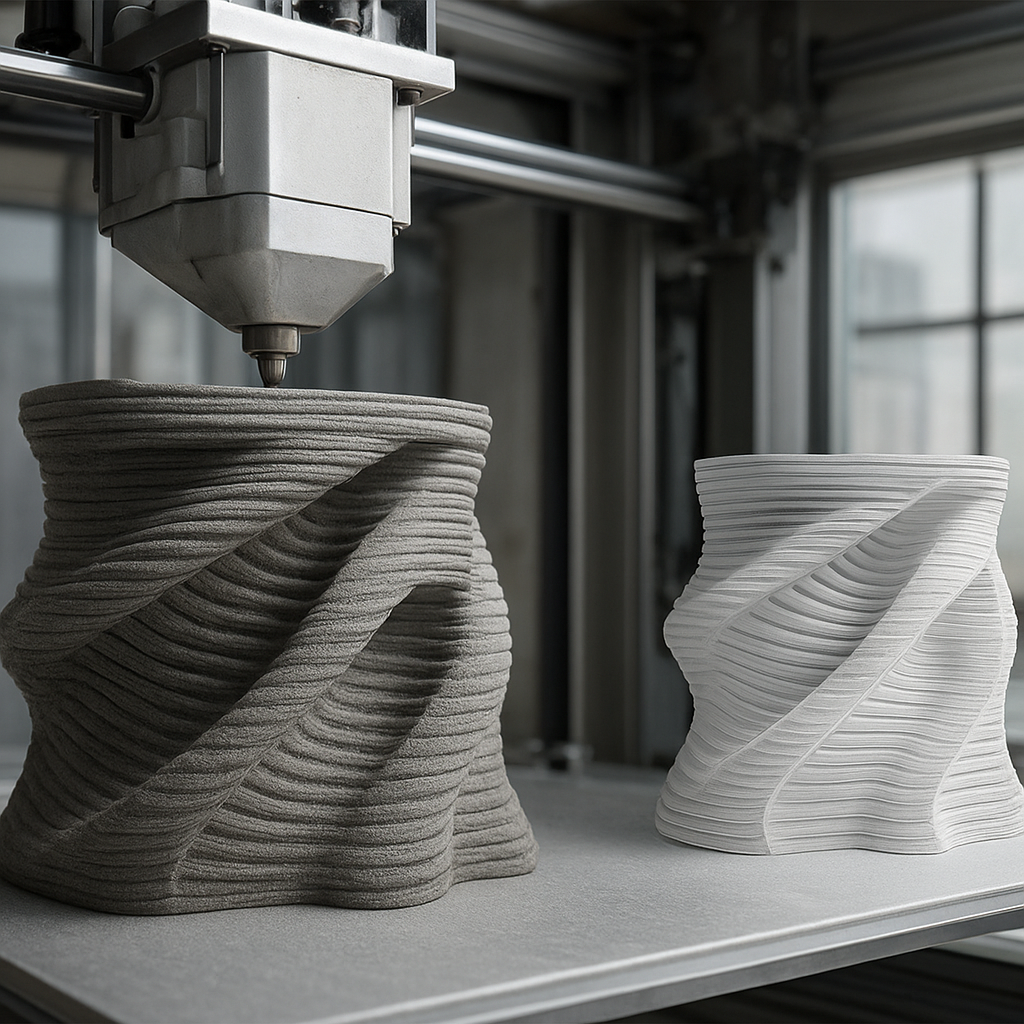
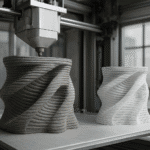
- Large-scale 3D printers crafting entire wall segments layer by layer.
- Modular pods assembled off-site for rapid on-site integration.
- Robotic arms autonomously welding complex steel nodes.
When a complex curvilinear facade is printed in one piece, joints vanish, and structural integrity soars. Prefabricated modules arrive ready to click into place, reducing construction time and labor costs. The adaptive nature of digital tools allows for real-time iteration, letting architects refine shapes mid-build in response to unforeseen site conditions.
Immersive Design and Virtual Reality
Virtual reality walkthroughs offer clients an immersive preview of spaces still in bits and bytes. Stakeholders can experience lighting changes across seasons or modify furnishings with a simple gesture. This immersion fosters a deeper connection between vision and outcome, minimizing costly revisions and enhancing end-user satisfaction.
Community-Centric Urban Spaces
Futuristic architecture extends beyond individual buildings; it reshapes entire districts. Planners emphasize intelligent connectivity, mobility, and mixed-use environments that nurture social interaction and well-being.
Mixed-Use Ecosystems
- Vertical neighborhoods blending residential, commercial, and cultural functions.
- Sky bridges and aerial walkways linking towers to form communal hubs.
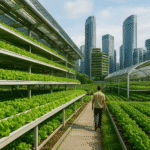
- Green corridors weaving through podium levels and rooftop terraces.
Sites once isolated by zoning regulations now pulse with diverse activities around the clock. Co-located offices, studios, eateries, and galleries foster vibrant micro-economies. Parks suspended above street level provide tranquil retreats, all while maximizing land use in densely populated cities.
Mobility and Infrastructure Integration
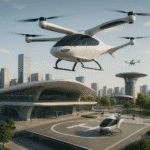
Urban mobility evolves through embedded transit nodes within skyscrapers. Automated shuttle systems shuttle residents from ground-level lobbies to sky lobbies in mere seconds. Drone ports perch atop high-rises, enabling rapid delivery and emergency response. All of these features coalesce into a networked fabric that prioritizes convenience and connectivity.
The Human Experience
At its heart, futuristic design is about the human scale—promoting wellness, interaction, and inspiration. Interactive light installations respond to foot traffic, while dynamic seating configurations adapt to group sizes. Everywhere one looks, technology serves to enhance rather than overshadow daily life.