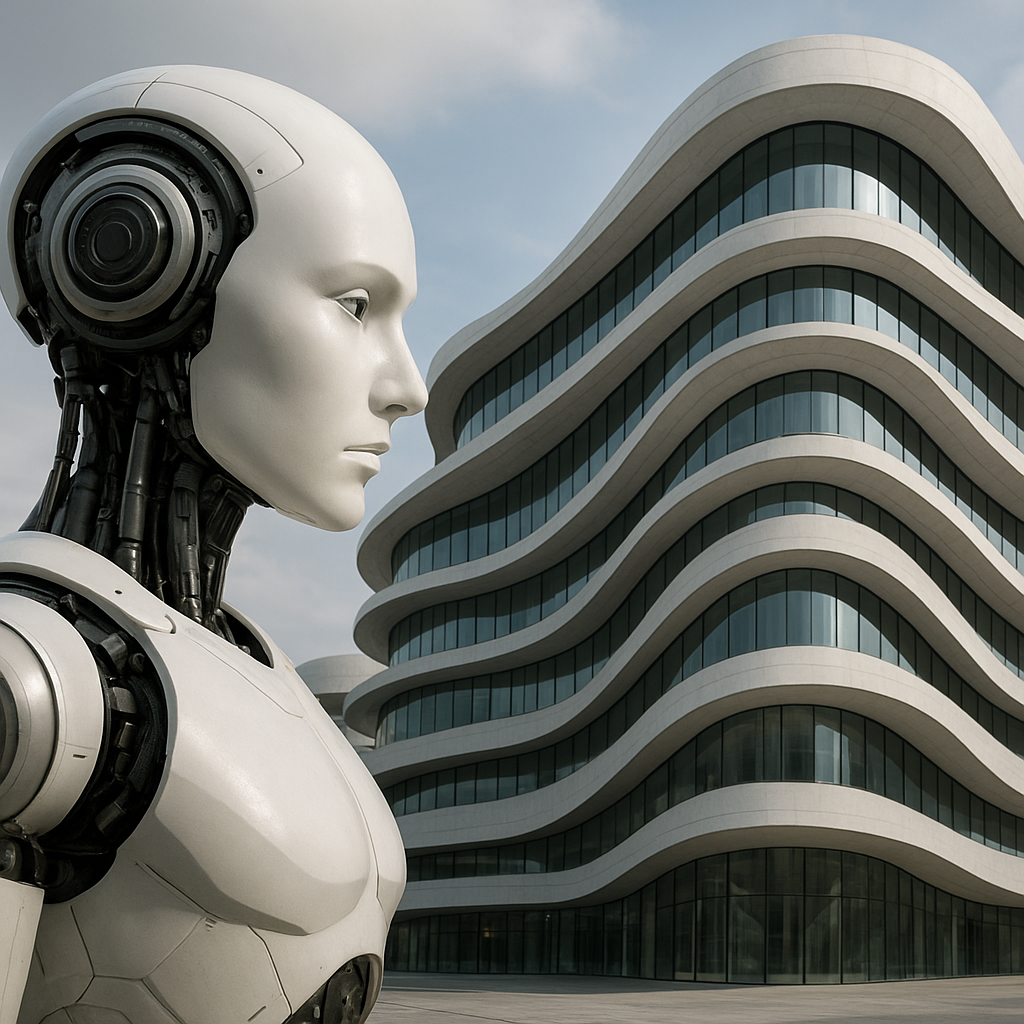



From the moment private launch vehicles began ferrying tourists to the edge of space, architects and designers have been propelled into a new era of innovation. Concepts once confined to science fiction are now influencing ground-level structures, redefining what it means to build for a dynamic and ever-evolving future. This article explores how the burgeoning industry of space tourism is shaping the next generation of futuristic architecture, blending cutting-edge materials, radical design philosophies, and sustainable solutions to meet the challenges of both Earth and beyond.
Emerging Influences of Space Tourism on Design
As commercial spacecraft prepare for routine orbital flights, architects draw inspiration from the requirements of celestial travel. Designs that once prioritized static environments are now embracing adaptability and modularity. Architects study the configuration of space stations, where every cubic inch is optimized and safety margins are paramount. These lessons are applied to terrestrial megastructures, transforming conventional buildings into responsive systems capable of reconfiguring their form and function in real time.
Lessons from Orbital Habitats
- Modular compartments that can be added or removed without compromising the entire structure
- Fail-safe redundancy to ensure critical systems remain operational during emergencies
- Advanced air filtration and climate control to maintain ideal conditions in sealed environments
Such principles drive architects to pursue designs that not only meet aesthetic goals, but also respond to unpredictable stresses—be they seismic events, extreme weather, or shifts in occupancy patterns. This emphasis on resilience aligns with the zero-gravity environment’s demand for robust yet flexible architecture.
Materials and Technologies Borrowed from Space
Advances in aerospace engineering have yielded novel materials that are now migrating into mainstream architecture. Lightweight alloys, radiation-resistant shields, and self-healing composites once reserved for spacecraft hulls are inspiring new approaches to sustainability and durability. For example, the integration of biomimetic surfaces—coatings that mimic natural self-cleaning mechanisms—helps skyscrapers repel pollutants and reduce maintenance costs.
Self-Healing and Adaptive Skins
In space, micrometeorite impacts pose a constant threat. The development of microencapsulated resins that seal punctures autonomously has led to the concept of building façades that heal cracks caused by environmental stressors. Architects are exploring façade systems embedded with capsules containing healing agents. When a fracture occurs, the capsules rupture and fill the gap, restoring structural integrity.
3D Printing and On-Site Fabrication
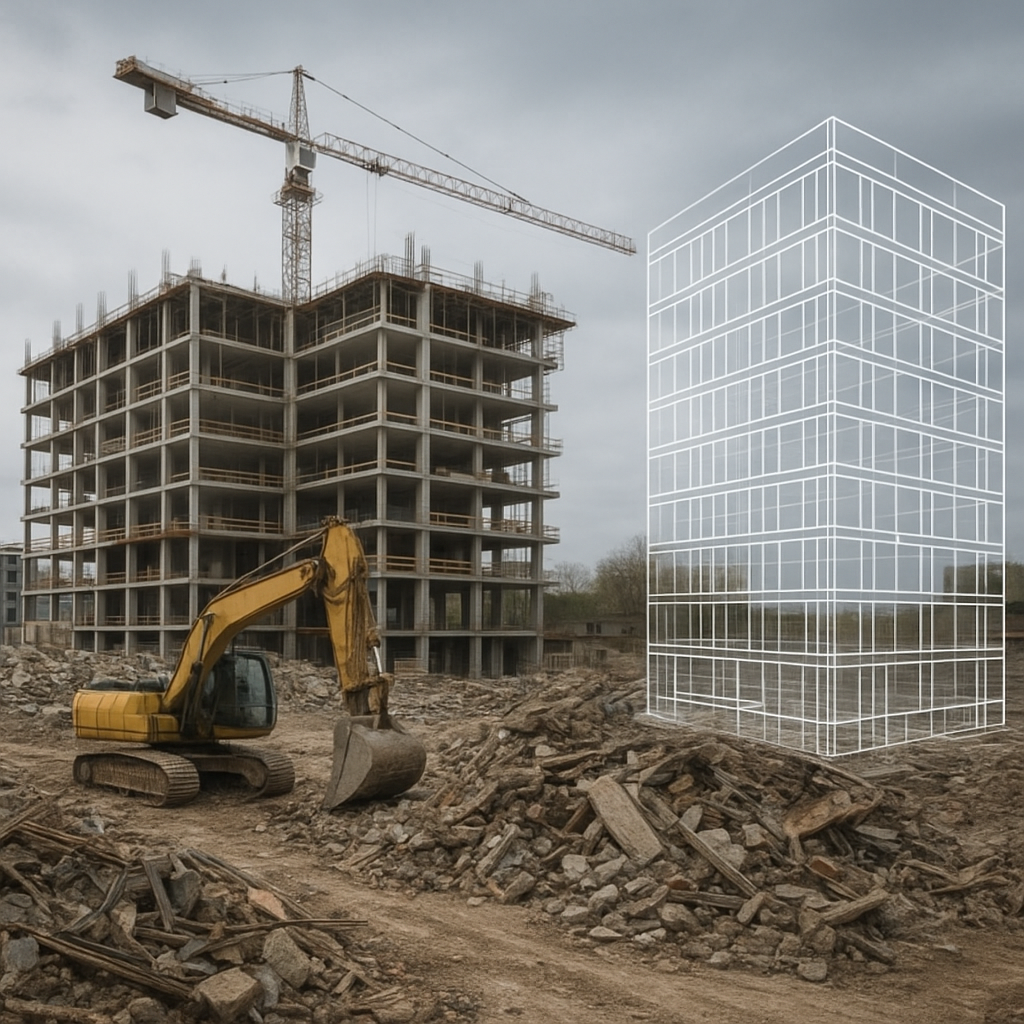
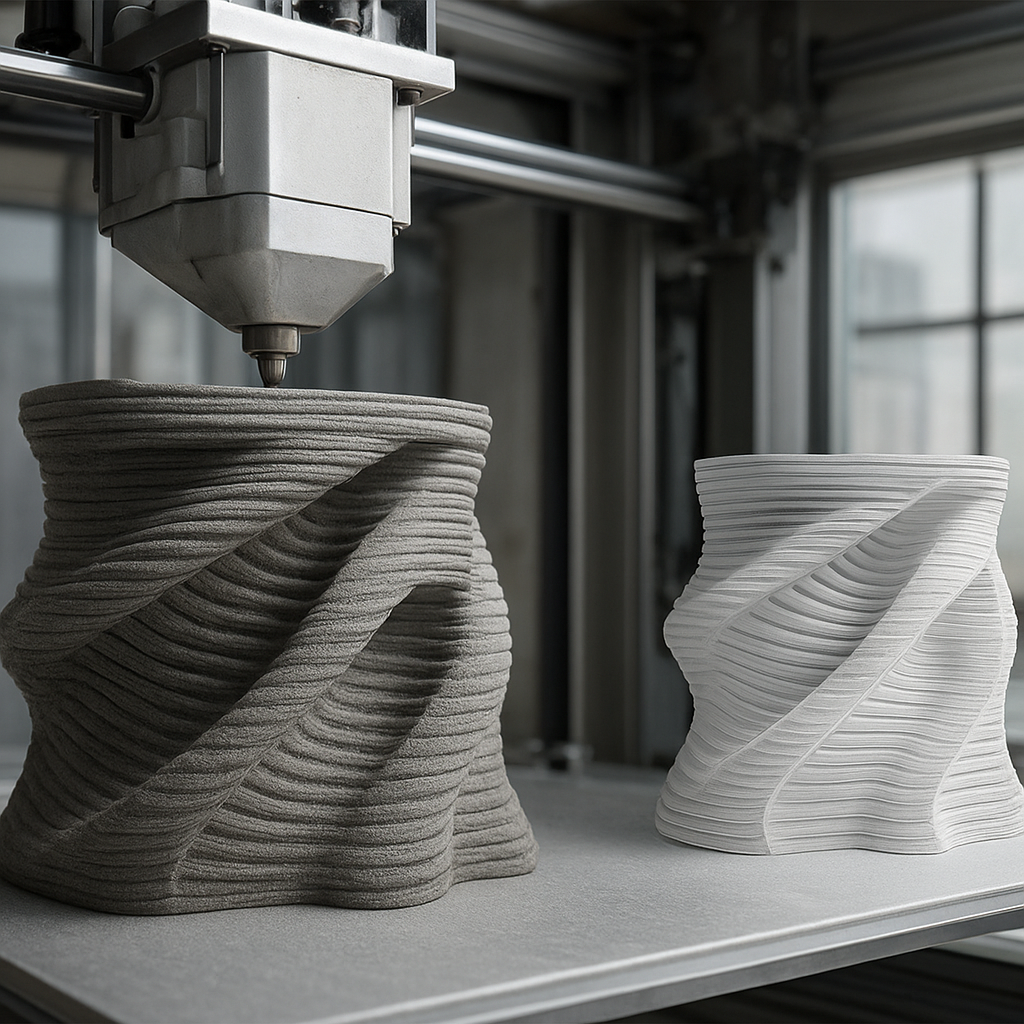
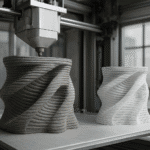
The logistics of launching heavy prefabricated modules into orbit drives interest in on-site additive manufacturing. On Earth, this translates to large-scale 3D printing of building components, reducing transportation emissions and enabling rapid construction. By combining recyclable feedstocks with robotic assemblers, construction sites resemble analogues of extraterrestrial outposts—efficient, resource-conscious, and minimally invasive to the surrounding environment.
Innovative Concepts and Urban Implications
Beyond individual buildings, the ethos of space tourism is catalyzing visionary urban planning. Mega-cities of tomorrow could adopt verticality akin to orbital habitats, stacking residential, commercial, and recreational zones in tightly integrated modules. Mixed-use towers equipped with autonomous elevator systems and modular floor plates create self-sustaining ecosystems that echo the closed-loop life support systems found in spacecraft.
- Skybridges linking multiple towers, facilitating transport and structural bracing
- Vertical farms and hydroponic gardens embedded within façades for local food production
- Smart glass that adjusts transparency and thermal performance based on solar exposure
These approaches not only maximize land use efficiency but also reduce urban sprawl and associated environmental impacts. The vision extends to floating or amphibious cities inspired by lunar or Martian colonies—structures buoyant enough to ride tides yet anchored to coastlines for stability. Such prototypes are already under exploration in vulnerable coastal zones threatened by rising sea levels.
Human-Centered Design and the Psychology of Exploration
Space tourism isn’t solely about the technical marvel; it also ignites the human spirit. Architects are keenly aware of how spatial experiences influence well-being. Concepts developed for spacecraft—such as soft, curved surfaces to mitigate disorientation or panoramic windows to frame Earth or other celestial bodies—feed into designs that prioritize occupant comfort, wellness, and a sense of wonder.
Biophilic Integration
On space stations, simulated lighting cycles and artificial greenery help mitigate the psychological strains of confinement. In futuristic buildings, these features translate to living walls, dynamic circadian lighting systems, and immersive sky-lit atriums that foster connection with nature, even in megastructures dwarfed by urban canyons. Such biophilic strategies have been shown to improve productivity, reduce stress, and enhance creativity.
Future Outlook and Challenges
The synergy between space tourism and architecture heralds an era where design transcends planetary boundaries. Yet formidable challenges remain. The high cost of research and material development demands public–private partnerships, while regulatory frameworks must adapt to novel construction methodologies. Moreover, questions of equity and access arise: Who benefits from these futuristic environments, and how can technological dividends be shared broadly?
Despite these hurdles, the drive to explore space continues to push the envelope of what is possible on Earth. From ultra-efficient structural systems to immersive habitats that enrich human experience, the architecture of tomorrow is being inspired by the final frontier. As the line between space and terrestrial design blurs, architects will increasingly craft environments that embody the ingenuity, resilience, and boundless curiosity that define humanity’s journey into the unknown.