The exploration of futuristic architecture reveals a realm where form and function converge in unprecedented ways. As designers push the boundaries of possibility, hypermodernism emerges as a visionary movement that redefines urban landscapes. This article delves into the aesthetic principles, technological advances, and material innovations shaping the next generation of built environments.
Origins of Hypermodern Futurism
The roots of hypermodernism trace back to the avant-garde experiments of the early 20th century, when architects like Le Corbusier and Buckminster Fuller questioned traditional norms. Their radical ideas paved the way for an era defined by innovation and the relentless pursuit of progress. Unlike previous movements, hypermodernism embraces a fluid dialogue between past, present, and future, resulting in architectural forms that are at once familiar and astonishingly new.
Historical Precursors
- De Stijl and the abstraction of geometry
- Bauhaus focus on functional purity
- Metabolism’s vision of adaptable megastructures
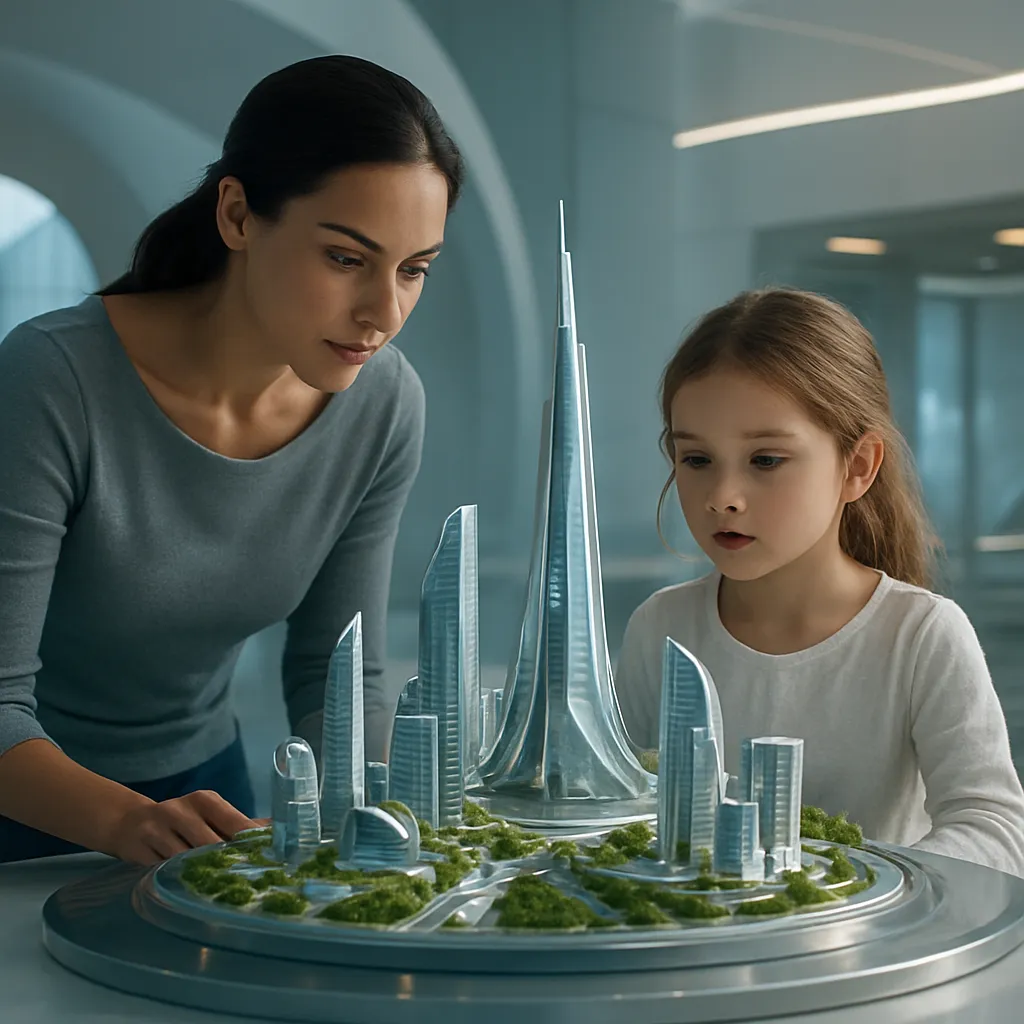
Building on these foundations, contemporary architects have adopted digital tools to create shapes that were once unimaginable. Parametric design software allows for the manipulation of complex geometries, while advances in materials science make those elaborate forms physically viable.
Philosophical Underpinnings
The philosophy of hypermodernism is rooted in the belief that architecture should be a catalyst for social transformation. By integrating cutting-edge technology and dynamic systems, buildings become living organisms—responsive to their occupants and environment. This shift from static form to dynamic experience underscores a broader cultural embrace of speed, adaptability, and constant evolution.
Core Aesthetic Principles
At the heart of futuristic architecture lies a set of guiding principles that inform every design decision. These concepts not only dictate the visual language but also determine how structures perform and interact with their surroundings.
Parametric Fluidity
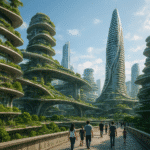
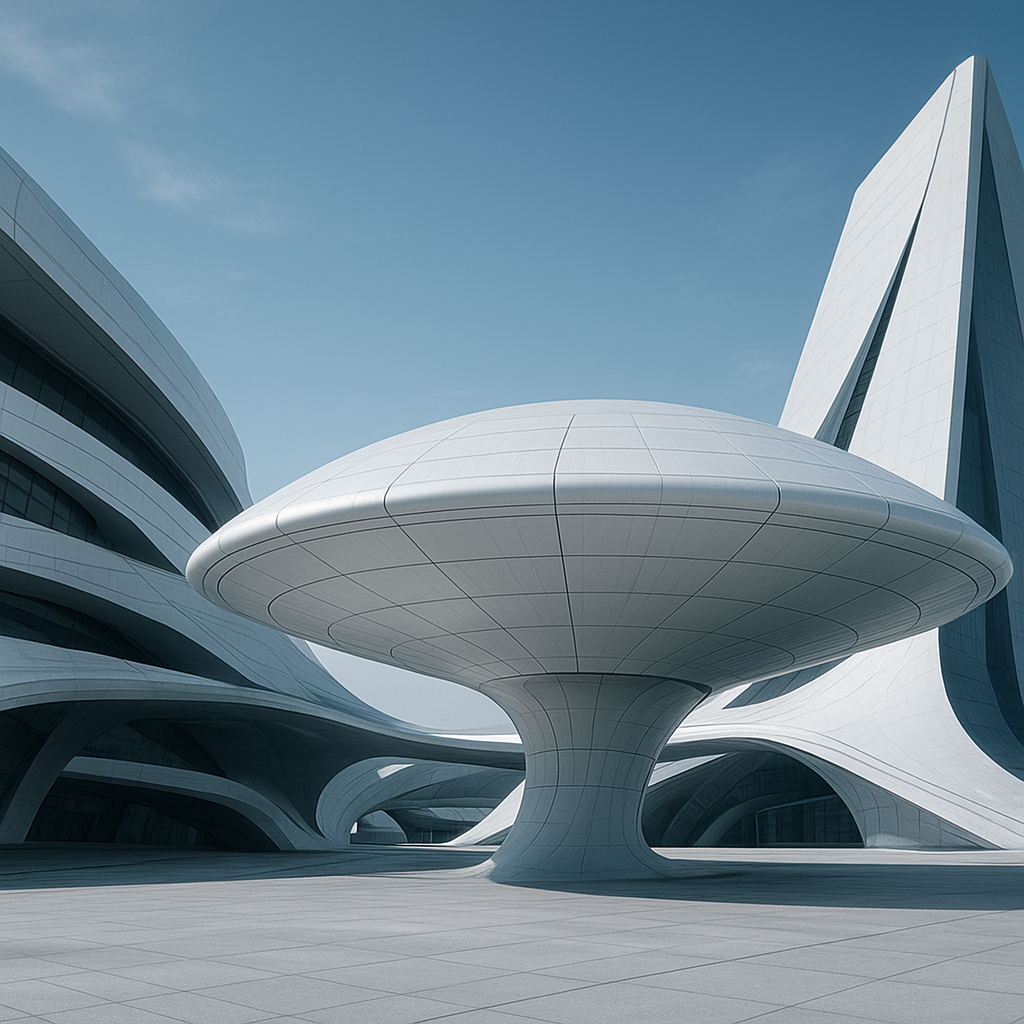
Parametricism has emerged as the hallmark of the hypermodern aesthetic. Using algorithms to generate forms, architects achieve smooth interconnections between surfaces, volumes, and voids. This approach results in buildings that appear to flow like liquid metal, challenging conventional notions of rigidity.
Minimalism Elevated
Where early minimalism prized reduction, hypermodern minimalism achieves more with less through intelligent systems. Structural elements serve multiple functions—supporting loads, regulating climate, and even harvesting energy. The result is a refined elegance driven by efficiency and purpose.
Biomimicry and Organic Inspiration
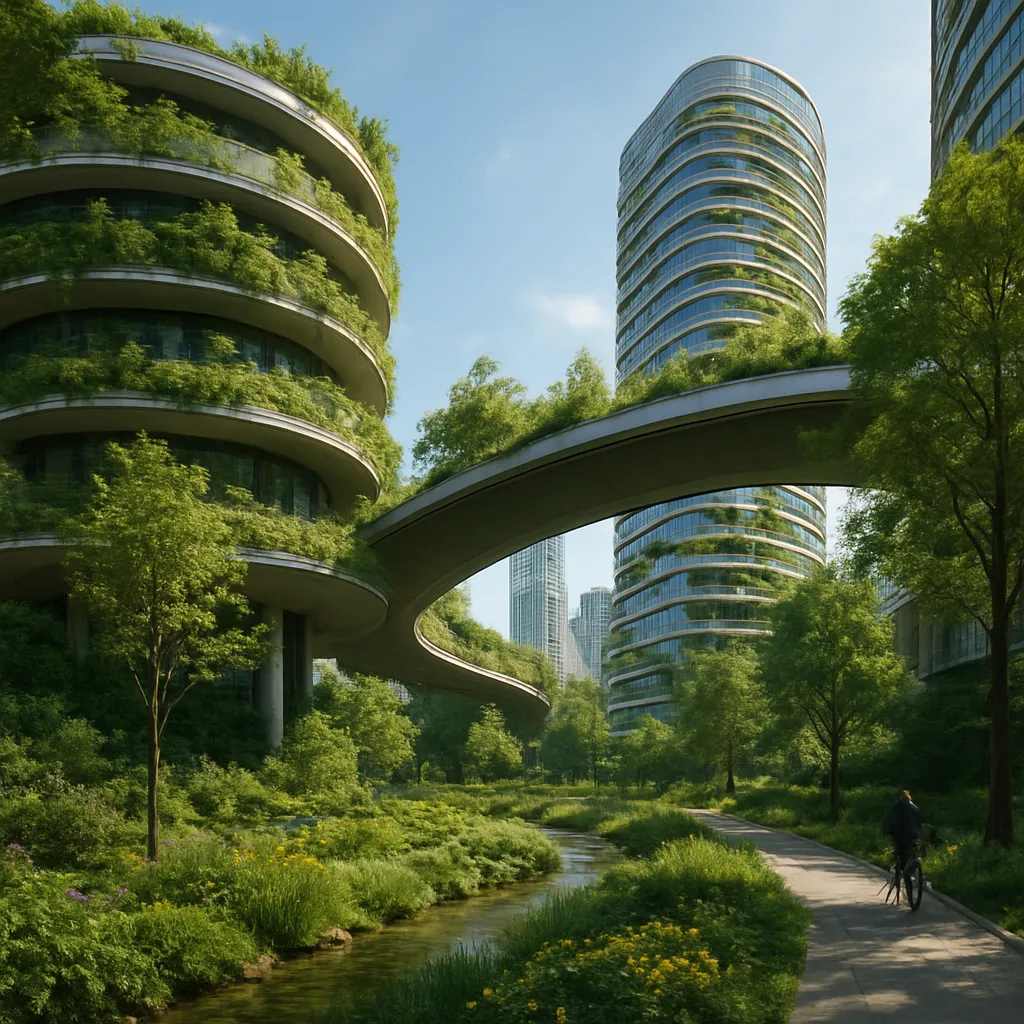
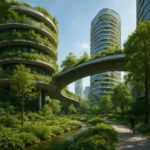
Nature offers a blueprint for resilience and adaptability. By studying biological processes, architects develop facades that self-clean, skins that breathe, and forms that distribute stresses like bones. This organic inspiration underscores a commitment to sustainability while generating visually arresting compositions.
- Self-shading louvers modeled on plant leaves
- Ventilation systems inspired by termite mounds
- Load-bearing structures mimicking bone lattice
Through biomimetic strategies, buildings move beyond mere imitation of nature. They adopt evolutionary lessons honed over millennia, resulting in structures that are inherently adaptive and resource-efficient.
Technological Integration and Sustainable Futures
Hypermodern architecture thrives at the intersection of digital innovation and environmental stewardship. As the planet faces growing challenges, architects harness technology to create regenerative buildings that contribute to ecological balance.
Smart Building Systems
Embedded sensors, IoT networks, and AI-driven controls transform buildings into interactive ecosystems. These resilient systems continuously monitor energy use, air quality, and occupant behavior, adjusting parameters in real time to optimize comfort and reduce waste.
- Automated daylight harvesting to minimize artificial lighting
- Adaptive HVAC systems that respond to occupancy patterns
- Predictive maintenance powered by machine learning
Renewable Integration
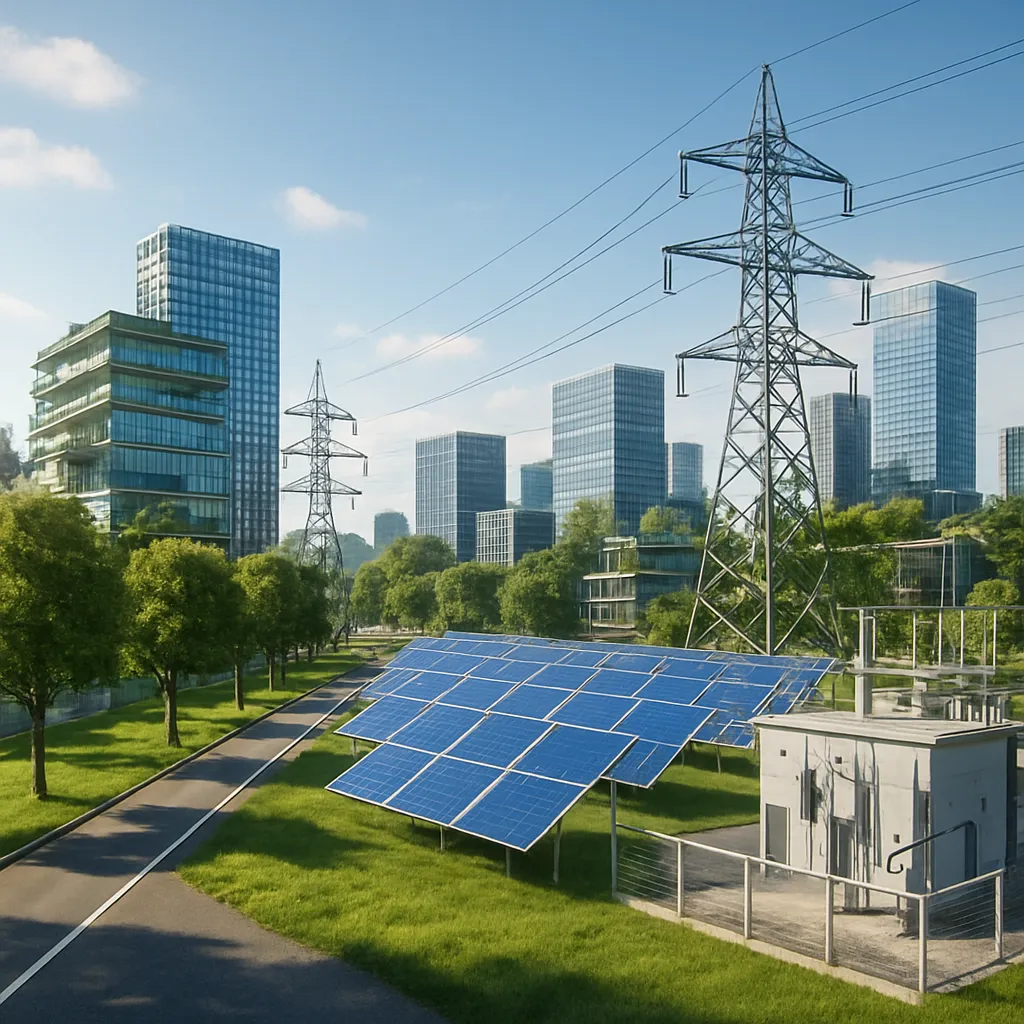
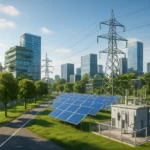
Photovoltaic skins, wind-harvesting rotors, and geothermal loops are seamlessly woven into architectural form. By embedding renewable technologies, these buildings generate a significant portion of their own energy, moving closer to net-zero or even net-positive performance.
Circular Economy and Material Reuse
The hypermodern ethos champions a circular approach: materials are selected for their ability to be reclaimed, reused, or repurposed at the end of their lifecycle. From recycled aluminum cladding to bio-based composites, every component contributes to the building’s long-term ecological footprint.
Material Innovations and Future Horizons
New materials are the cornerstone of hypermodern breakthroughs. As scientists develop smarter, stronger, and lighter substances, architects gain unprecedented freedom to explore daring forms and functions.
Advanced Composites
Nano-engineered polymers and carbon-fiber reinforcements deliver exceptional strength-to-weight ratios. These composites enable sweeping cantilevers, slender columns, and intricate latticework that would be impossible with traditional materials.
Shape-Memory Alloys and Responsive Facades
Metals that react to temperature or electrical stimuli can change shape on demand. Facades composed of shape-memory alloys open and close to regulate solar gain, providing a dynamic skin that adapts to shifting environmental conditions.
3D Printing and On-Site Fabrication
Large-scale additive manufacturing accelerates construction and reduces waste. Complex modules—ranging from structural cores to intricate facade panels—can be printed on site, slashing transport emissions and customizing elements to precise specifications.
- Concrete mixtures infused with recycled glass
- Bacterial bio-bricks that harden over time
- Nanotextured surfaces with self-cleaning properties
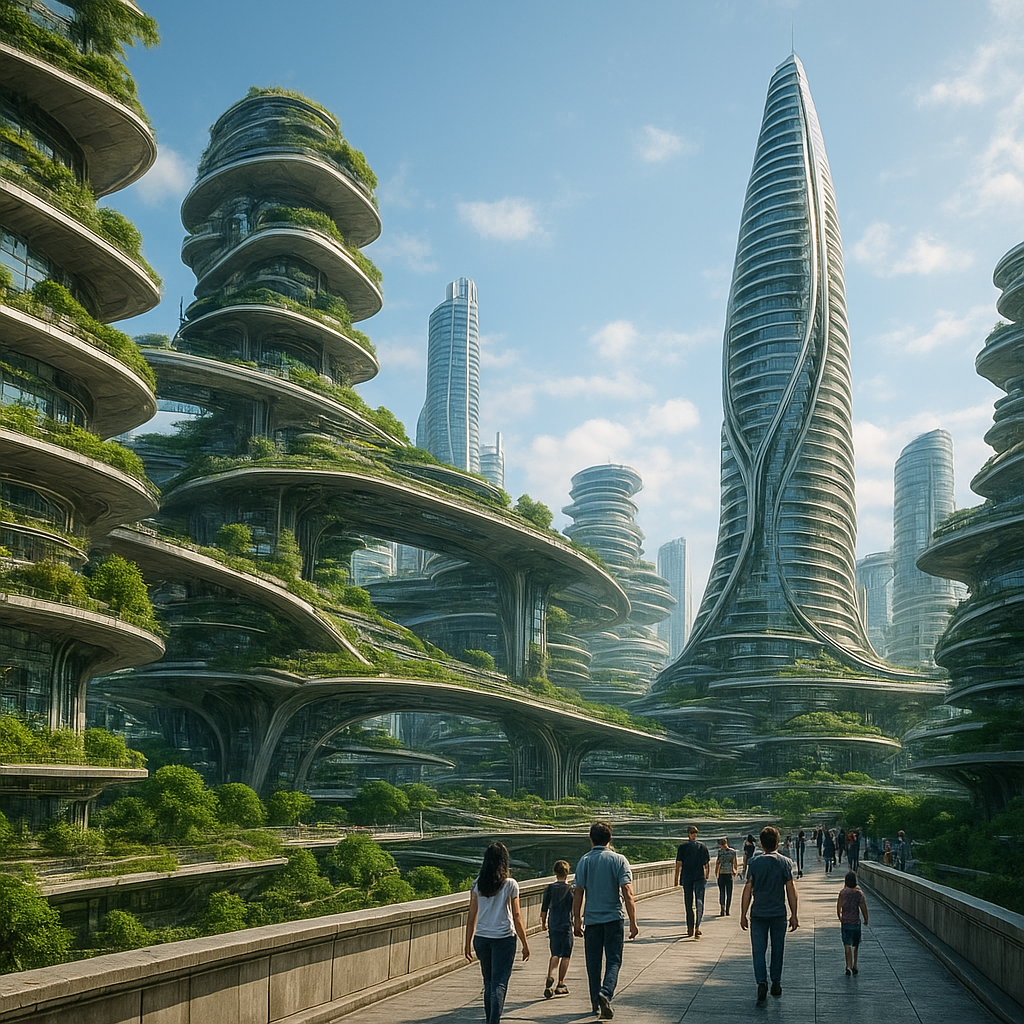
Looking ahead, hypermodernism will continue to merge the digital and the organic, forging spaces that are as sustainable as they are spectacular. Through relentless exploration and interdisciplinary collaboration, architects will redefine what it means to design for the future.