


The architecture of hyperloops and high-speed transit represents a bold fusion of advanced engineering, visionary urban planning, and transformative mobility solutions. By leveraging groundbreaking concepts—from near-vacuum tunnels to magnetic levitation—this new generation of transport infrastructure promises to reshape how cities connect, economies evolve, and the environment recovers from centuries of reliance on fossil fuels. Below, explore the core principles, engineering milestones, and urban integration strategies defining this futuristic realm.
Conceptual Foundations of Hyperloop Architecture
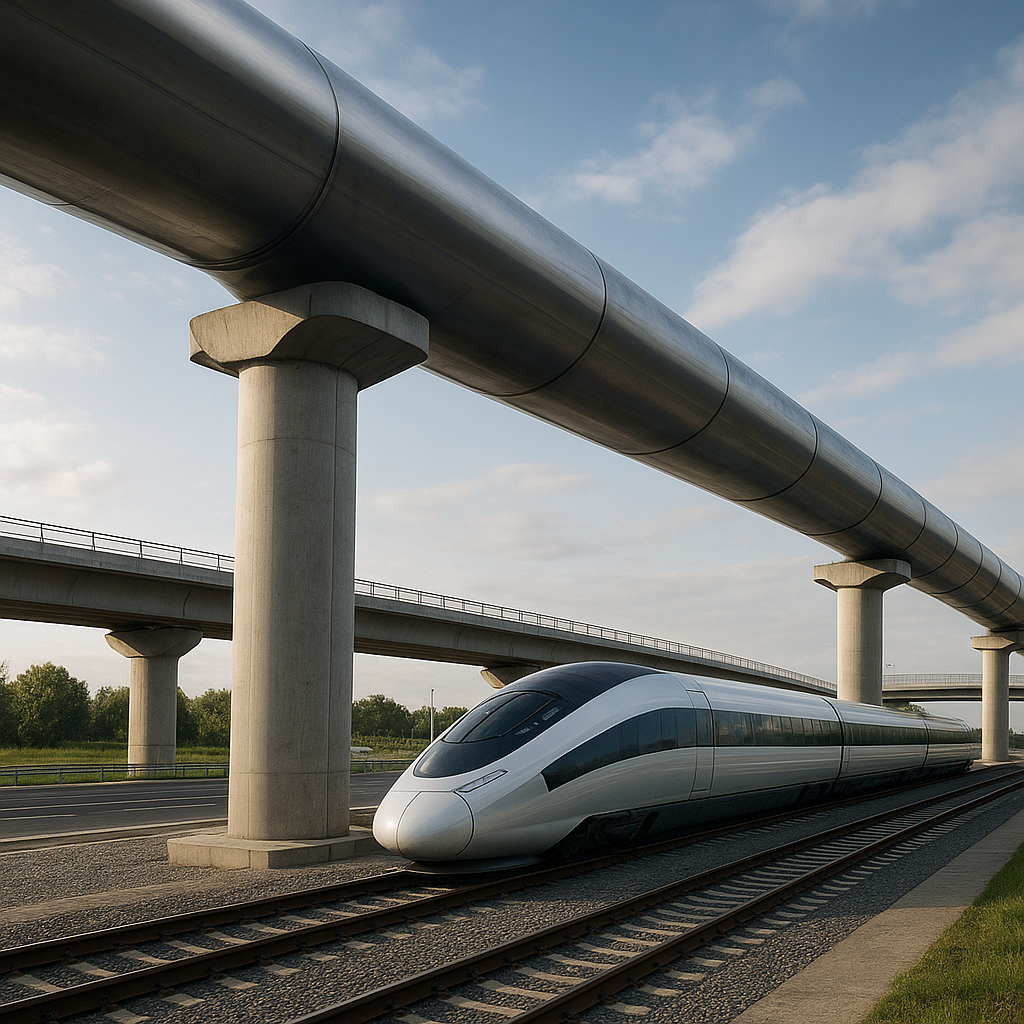
At the heart of hyperloop systems lies the interplay between aerodynamic design and near-zero-pressure environments. Inspired by pneumatic tube networks and vacuum-sealed lab equipment, hyperloops encapsulate passenger or cargo pods within low-pressure tubes to drastically reduce drag and energy consumption. Central architectural elements include:
- Vacuum Chambers: Maintaining pressures below 1% of atmospheric levels, these tubes require robust sealing, modular tunnel segments, and active pressure management systems.
- Pneumatic Propulsion: Linear induction motors and air compressors work in concert to accelerate pods smoothly, mitigating lateral forces and ensuring ride comfort.
- Pod Ergonomics: Optimized cabin layouts, adaptive suspension, and real-time environmental controls deliver a seamless passenger experience even at speeds exceeding 1,000 km/h.
By integrating cutting-edge materials—such as carbon-fiber composites and ultra-high-strength alloys—designers achieve lightweight but resilient structures capable of withstanding thermal fluctuations, seismic events, and continuous dynamic loads.
Engineering Innovations Driving High-Speed Transit
Key Technical Pillars
- Maglev Technology: Electromagnetic suspension systems eliminate wheel-rail friction, enabling pods to glide with minimal mechanical wear.
- Energy Recovery: Regenerative braking and onboard microgrids capture and redistribute kinetic energy, reducing overall power demand.
- Sustainability Measures: Integration of solar panels, wind turbines, and smart-grid connectivity transforms stations and surface structures into net-zero energy hubs.
- Structural Health Monitoring: Embedded sensors track strain, temperature, and vibration in real time, allowing predictive maintenance and extending the lifecycle of critical components.
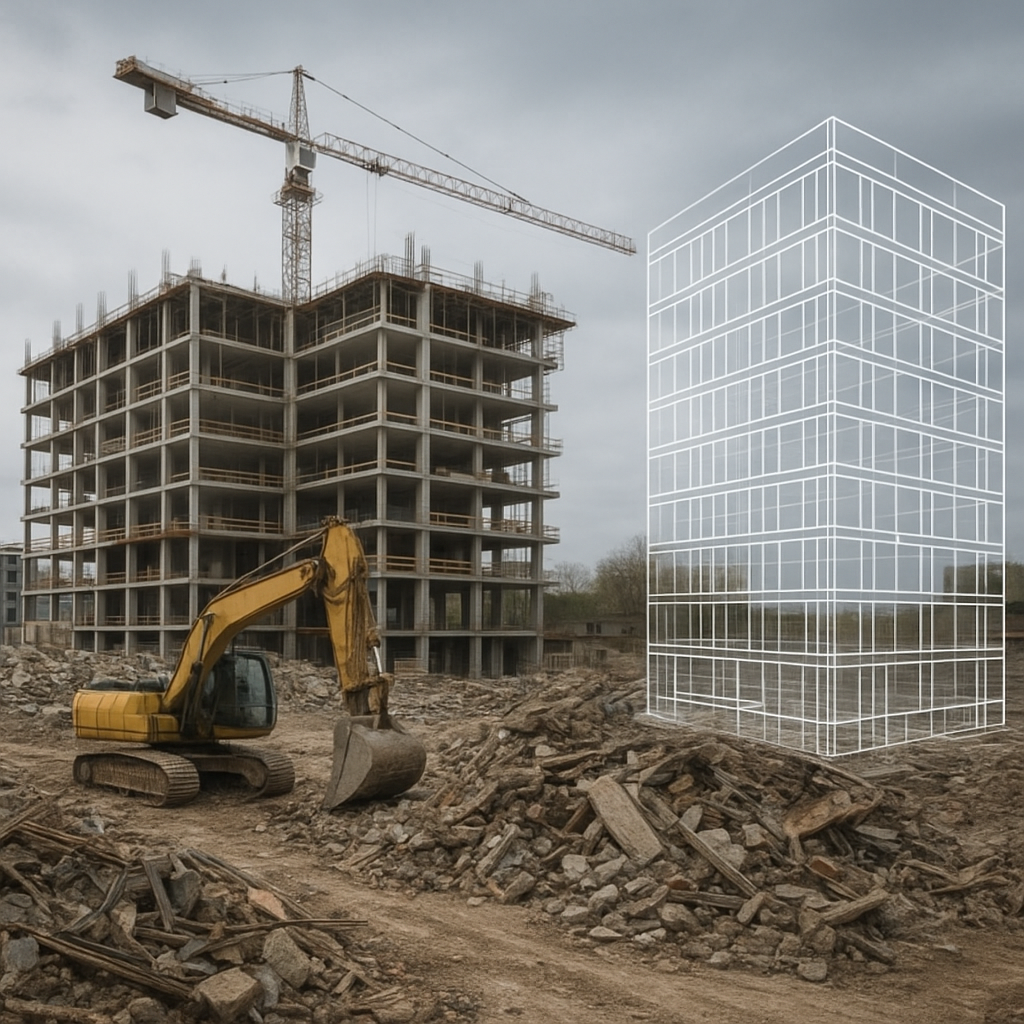
These advancements converge within purpose-built corridors, oftentimes elevated or tunneled to minimize land acquisition, preserve ecosystems, and maintain direct, straight-line routes. Civil engineers employ immersive digital twins and AI-based simulations to optimize alignment, guarantee safety margins, and streamline construction sequencing.
Integration into Urban Landscapes and Regional Networks
Beyond raw speed, the success of hyperloops and high-speed transit hinges on seamless connectivity with existing urban fabric. Architects and planners prioritize:
- Transit-Oriented Development (TOD): Station precincts serve as mixed-use nodes, blending residential units, offices, retail zones, and green plazas to foster 24/7 vibrancy.
- Intermodal Interfaces: Integrated platforms accommodate buses, regional rail, bicycles, and autonomous shuttles, creating frictionless transfers within minutes.
- Resilience Strategies: Elevated guideways and flood-resistant tunnels safeguard critical sections against extreme weather, while buffer zones promote ecological restoration.
In many pilot projects, stations double as civic landmarks—showcasing parametric façades, adaptive shading systems, and interactive façia displays. Such designs elevate public perception, galvanize community support, and reinforce commitments to carbon emissions reduction and smart-growth principles.
Challenges and Pathways to Global Deployment
While the promise of near-supersonic ground travel excites visionaries, several formidable hurdles remain:
- Infrastructure Investment: High upfront costs for tunneling, land rights, and technology deployment require innovative financing models, including public–private partnerships and infrastructure bonds.
- Regulatory Frameworks: Standardizing safety protocols, cross-border certifications, and liability statutes demands unprecedented collaboration among governments and industry bodies.
- Public Acceptance: Addressing concerns about noise, electromagnetic fields, and potential disruptions during construction is vital to securing social license to operate.
To navigate these challenges, consortia blend expertise from aerospace, rail, and telecommunications sectors. Pilot corridors in strategic regions—where population density, topography, and economic corridors align—serve as living laboratories. Lessons learned inform scalable rollouts across continents and bolster investor confidence.
Future Horizons in Futuristic Transit Architecture
Looking ahead, several emerging trends promise to elevate hyperloop and high-speed design to new heights:
- Modular Expansion: Prefabricated tube segments and standardized station modules enable rapid network growth and adaptive reuse of existing infrastructure.
- Autonomous Fleet Management: AI-driven scheduling and dynamic routing optimize capacity, reduce wait times, and tailor services to demand patterns.
- Biomimetic Structures: Inspired by avian aerodynamics and cellular scaffolds, future tubes may employ self-healing composites and shape-shifting surfaces to adapt to pressure variances.
By marrying visionary architecture with robust engineering and community-centric planning, hyperloops and high-speed transit stand poised to dismantle traditional mobility barriers. As these networks proliferate, they will redefine regional connectivity, catalyze economic growth, and carve a path toward a truly resilient and interconnected global civilization.