
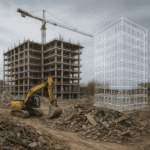
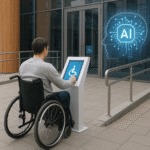


The convergence of digital and physical realms through advanced modeling has ushered in a new era of architectural exploration. By harnessing virtual replicas of built environments, professionals can refine designs, predict performance, and enable adaptive solutions for dynamic spaces. This article examines how the Digital Twin phenomenon reshapes futuristic architecture, driving unprecedented levels of sustainability, efficiency, and human-centric innovation.
Digital Twin Technology in Architectural Design
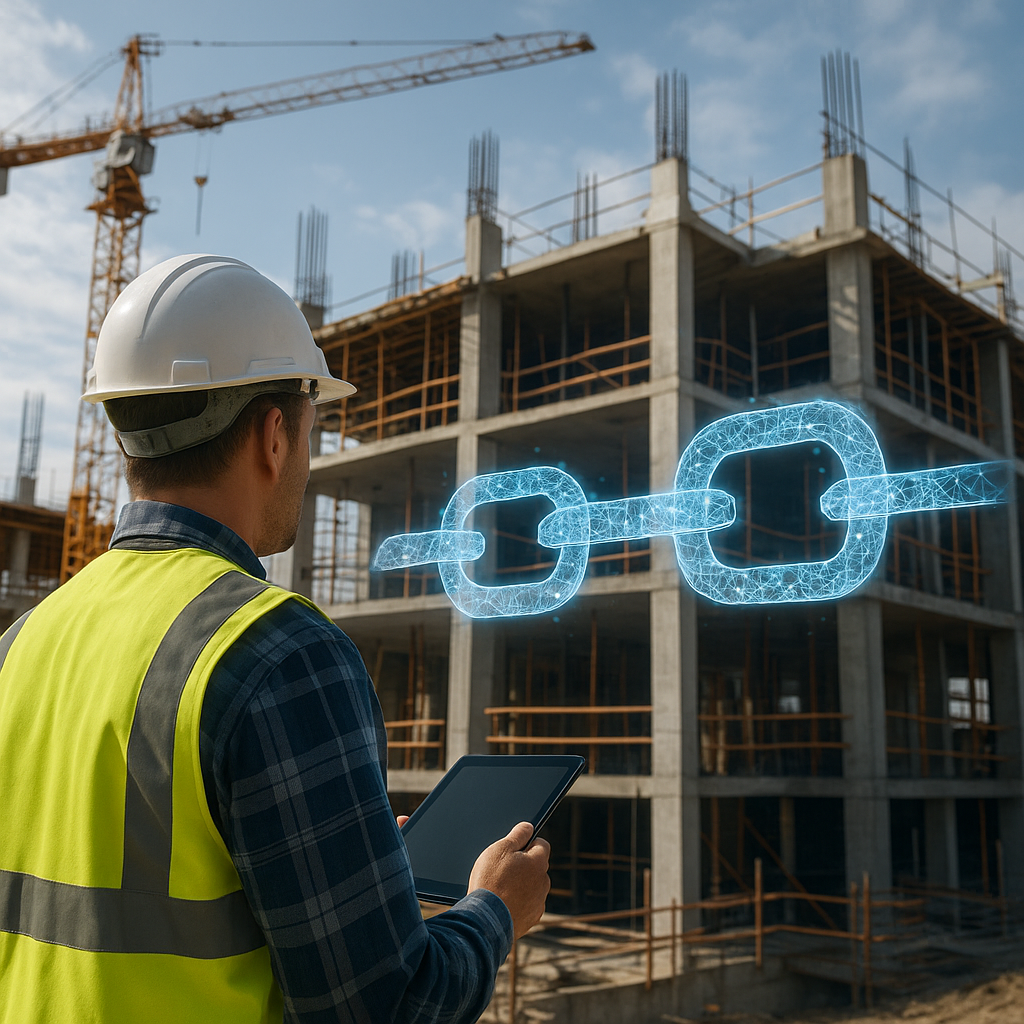
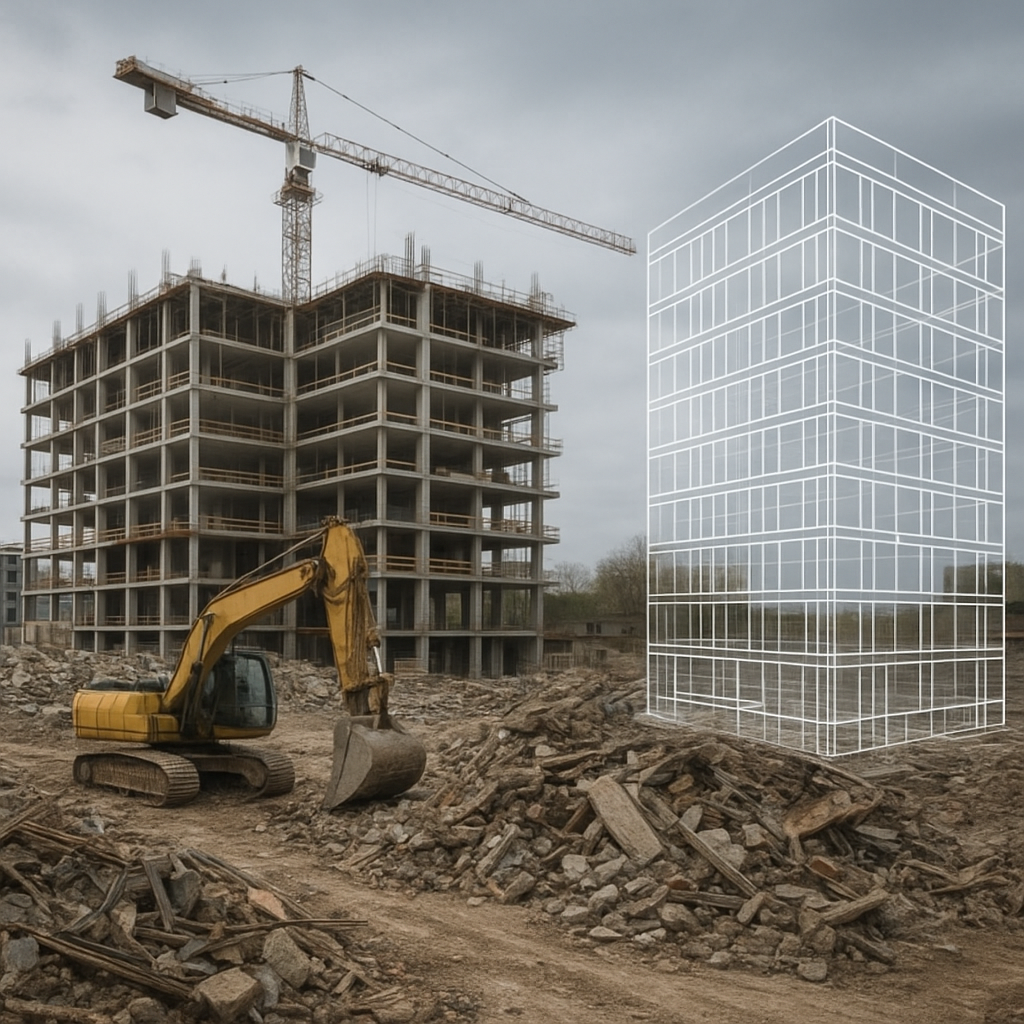
The adoption of digital twins involves creating an exact virtual counterpart of a building or infrastructure, enriched by continuous data streams. Architects and engineers use high-fidelity 3D models coupled with simulation engines to test structural behaviors under various conditions, from seismic events to energy consumption patterns. By integrating Internet of Things (IoT) sensors, every element—materials, HVAC systems, structural joints—feeds into a central model, enabling comprehensive data analytics and refined decision-making.
Early-stage conceptual sketches evolve into parametrically driven forms, where generative algorithms propose optimal geometries. Through iterative cycles, stakeholders evaluate multiple scenarios in a risk-free digital environment. Design reviews shift from static blueprints to interactive sessions where teams manipulate environmental variables such as sunlight exposure, wind loads, and occupancy levels in real-time. This iterative workflow enhances collaboration among architects, consultants, and clients, fostering transparency and accelerating project timelines.
AI-Enhanced Performance Prediction
Dynamic Energy Management
Building operations can be revolutionized by embedding machine learning algorithms within digital twins. Predictive models analyze historical sensor readings to forecast energy peaks and troughs, facilitating proactive measures that reduce waste. Automated control systems, driven by feedback loops, adjust lighting, heating, and ventilation dynamically, ensuring occupant comfort while minimizing carbon footprint. This synergy yields both economic savings and robust environmental stewardship.
Structural Health Monitoring
Advanced twin platforms simulate stress distribution across building components, detecting potential weaknesses before they escalate. Algorithms classify sensor anomalies, distinguishing between benign fluctuations and genuine threats. Through continuous monitoring, facility managers receive alerts on crack propagation, material fatigue, or foundation shifts. Such predictive maintenance capabilities extend asset life cycles and safeguard public safety.
Smart Cities and Urban Planning
Digital twins scale from singular buildings to entire city districts, offering urban planners a holistic view of interconnected systems. Integrated models capture transportation flows, waste management logistics, and environmental metrics, enabling policy simulations that balance growth and resource allocation.
- Traffic Optimization: Simulating vehicle and pedestrian movements to reduce congestion.
- Resource Distribution: Predicting water and energy demand patterns for equitable supply.
- Emergency Response: Modeling disaster scenarios—floods, fires, earthquakes—to optimize evacuation routes.
- Public Health: Assessing air quality impacts and proposing green corridors to mitigate pollution.
By visualizing urban data layers, civic leaders craft adaptive zoning regulations and infrastructure investments. This fosters resilient cities that anticipate challenges and respond with agility.
Material Innovation and Autonomous Construction
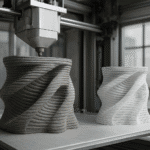
The fusion of robotics, 3D printing, and digital twin oversight is pioneering novel construction methods. Robotic arms follow precisely programmed paths derived from virtual models, extruding custom composites or layering concrete with millimeter accuracy. Collaborative drones perform site inspections and update the digital twin with fresh terrain scans, ensuring conformity to design specifications. Such automation delivers faster project cycles, reduced labor costs, and minimized waste streams.
Innovative materials—self-healing polymers, shape-memory alloys, and bioengineered concretes—are tested within simulated conditions before real-world application. Engineers evaluate thermal expansion, moisture response, and load-bearing performance under extreme weather scenarios. Through this virtual trial-and-error, next-generation structures exhibit enhanced resilience against climatic stresses and prolonged maintenance-free operation.
Human-Centric Experiences in Future Spaces
Beyond structural and environmental metrics, digital twins enable designers to craft immersive experiences that prioritize occupant well-being. Virtual reality walkthroughs allow stakeholders to feel spatial proportions, lighting quality, and acoustic comfort long before ground is broken. Interactive dashboards track air quality indices, noise levels, and user feedback, refining interior layouts and material selections for optimal health outcomes.
Adaptive facades, guided by digital twin insights, react to weather conditions or user preferences, modulating transparency and shading to maintain ideal ambiance. Biophilic design elements—integrated green walls and natural light channels—are calibrated using sensor data to promote cognitive restoration and productivity. The result is architecture that not only stands as an aesthetic icon but also nurtures mental and physical wellness.
Challenges and Ethical Considerations
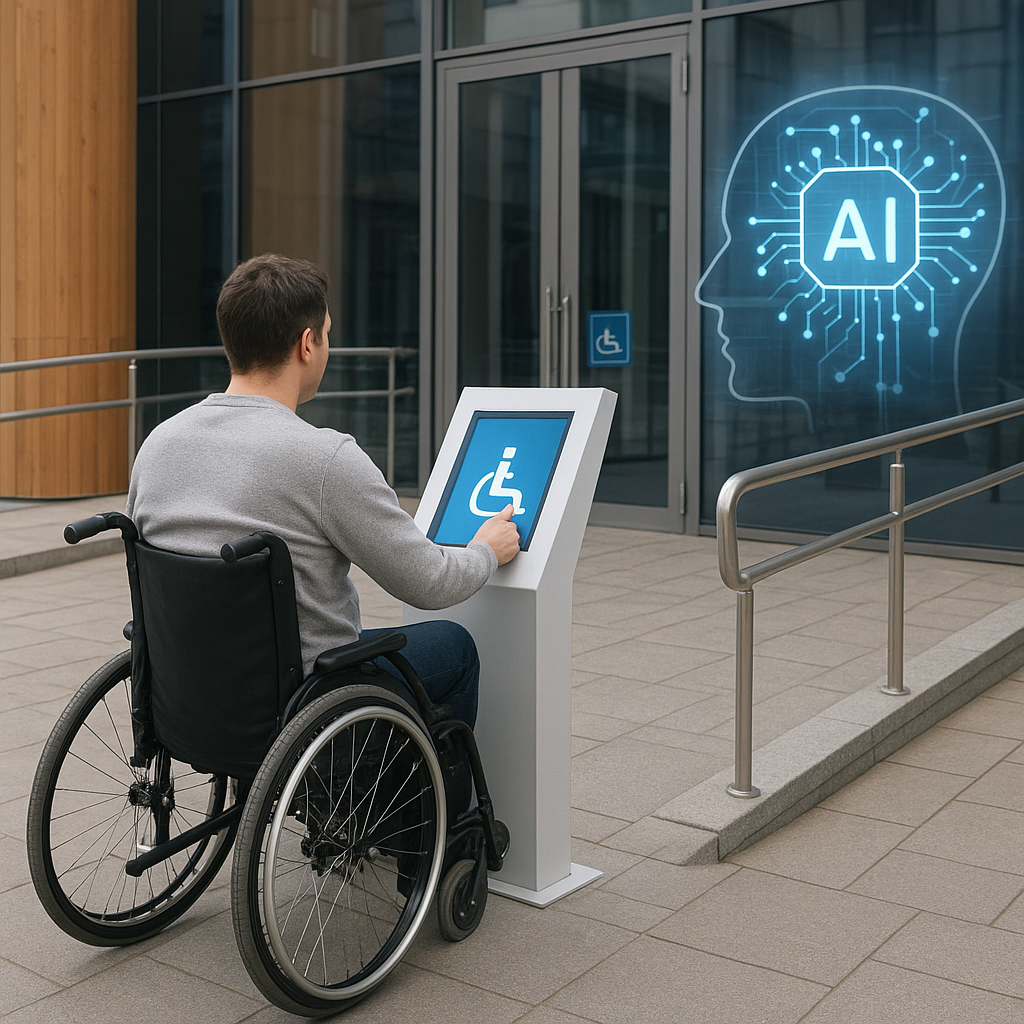
While the promise of digital twins is vast, several obstacles must be addressed. Data privacy concerns arise from pervasive monitoring, necessitating robust cybersecurity frameworks. Ensuring equitable access to these advanced tools is critical to prevent a digital divide between affluent metropolises and underserved communities. Furthermore, the reliance on innovation must be balanced with cultural preservation, respecting historical contexts as cities evolve.
Interoperability remains a technical hurdle. Diverse software platforms and proprietary data formats can hinder seamless integration, underscoring the need for open standards. Additionally, stakeholders must navigate regulatory landscapes governing sensor deployments, AI-driven decision-making, and liability for autonomous systems. Ethical guidelines should prioritize transparency, accountability, and human oversight to prevent unintended consequences.
Future Horizons for Digital Twin Ecosystems
The trajectory of digital twin technology points toward increasingly autonomous ecosystems, where AI agents negotiate energy contracts, schedule maintenance tasks, and orchestrate inter-building synergies without manual input. Edge computing advancements will reduce latency, enabling hyperlocal feedback loops that adjust microclimates and resource flows instantaneously.
Emerging research explores hybrid twins that merge physical sensors with virtual human avatars, simulating occupant behaviors to refine safety protocols and evacuation strategies. Cross-disciplinary collaborations between urbanists, neuroscientists, and data scientists will unlock new paradigms for inclusive design, ensuring built environments evolve in harmony with societal needs.
As cities confront climate change, resource scarcity, and population growth, the seamless integration of digital twins into architectural practice offers a potent toolkit. By championing optimization at every stage—from concept to operation—future architecture will embody a dynamic synthesis of form, function, and foresight.