

The evolution of architectural expression has reached a point where imagination meets engineering mastery. In this exploration of futuristic architecture, we journey through groundbreaking projects, cutting-edge materials, and transformative design principles that redefine the relationship between humans and their built environment. From awe-inspiring skyscrapers to bio-inspired habitats, the canvas of tomorrow is being painted with unprecedented creativity and purpose.
Catalysts of Change in Futuristic Architecture
Architecture of the future emerges at the intersection of art, science, and environmental responsibility. Visionaries and multidisciplinary teams are weaving together advanced computational tools, robotics, and sustainable strategies to conceive structures that respond dynamically to user needs and climatic challenges. Among the most compelling drivers are:
- Innovation in material science: Developing self-healing concretes, responsive glass facades, and carbon-negative composites that minimize ecological footprints.
- Integration of technology: Embedding sensors, AI-controlled systems, and IoT networks to optimize comfort, safety, and energy efficiency in real time.
- Emphasis on sustainable design: Prioritizing renewable energy, passive climate control, and regenerative landscaping to achieve carbon neutrality or even positivity.
- Adoption of parametric modeling: Leveraging algorithm-driven design to explore complex geometries inspired by nature, yielding structures that are both efficient and visually captivating.
- Focus on resilience: Engineering buildings to be adaptive, able to withstand extreme weather events and evolving urban demands.
As architecture transcends static monuments, it becomes a dynamic living system, capable of self-regulation and continuous evolution. The marriage of high-performance materials and real-time data analytics empowers designers to craft habitats that not only echo the sleek aesthetic of science fiction but also champion ecological stewardship.
Iconic Projects Shaping Tomorrow’s Skylines
Demonstrating the scope of contemporary ingenuity, several landmark projects have already begun to crystallize the vision of a Tomorrowland reality:
The Orbital Habitat Sphere
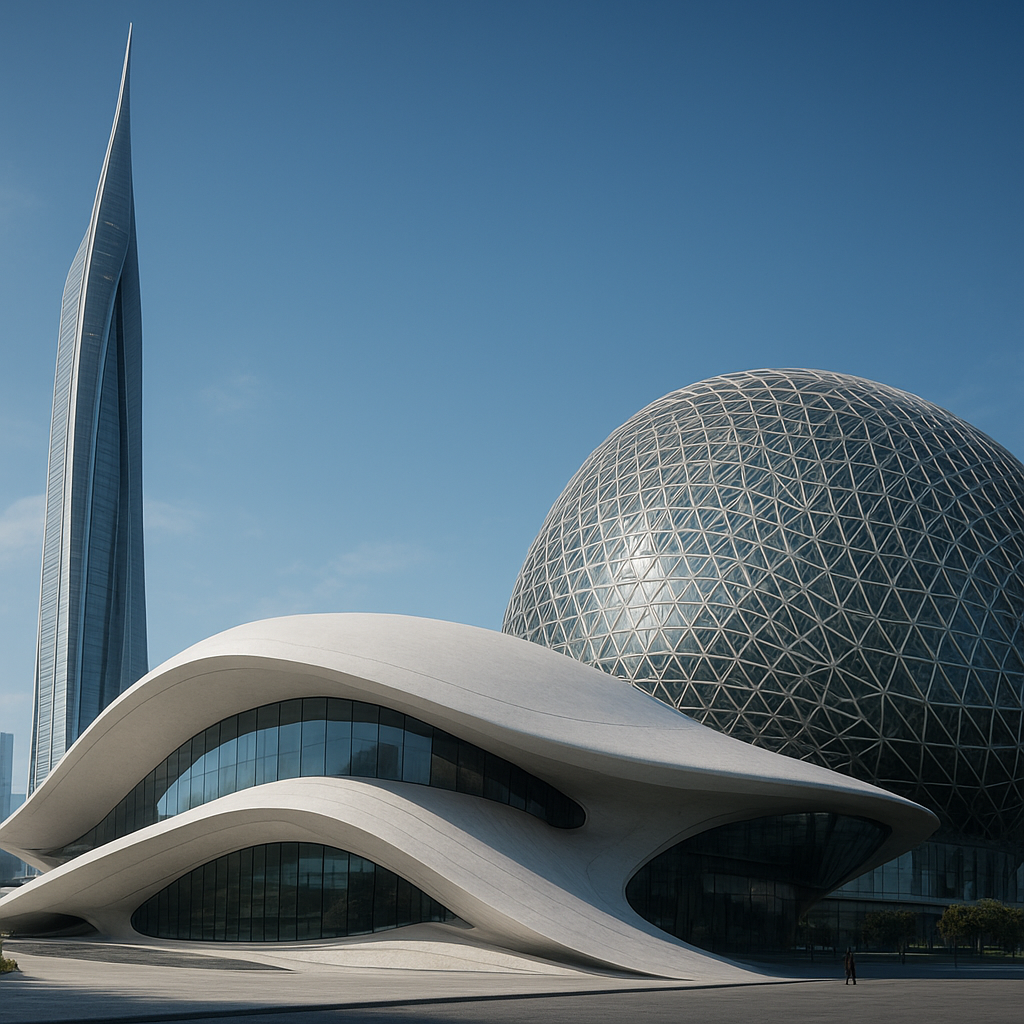
Rising above coastal waters, this floating complex incorporates modular living pods and rotating solar arrays. Its spherical shape minimizes wind resistance and allows for uniform distribution of solar power generation. With integrated aquaponics bays and vertical farming tiers, residents experience a self-sufficient ecosystem, exemplifying how architecture can transcend terrestrial constraints.
Urban Forest Canopy Tower
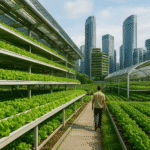
A vertical woodland penetrating the sky, this tower features multi-level terraced gardens and oxygenating green walls. Advanced hydroponic systems and biomimicry principles mimic rainforest ecology, delivering improved air quality and urban biodiversity. Its carbon-negative status is achieved through onsite waste-to-energy conversion and reforestation initiatives tied to each residential unit.
Lumina Smart Bridge
Spanning a metropolitan river, this illuminated bridge acts as both a public thoroughfare and an energy-harvesting installation. Embedded piezoelectric tiles capture kinetic energy from pedestrian footsteps, while translucent photovoltaics along the railings soak up sunlight. At night, the structure transforms into a glowing pathway, broadcasting real-time environmental data via interactive LED panels.
Desert Algae Pavilion
Situated in arid landscapes, this pavilion integrates photobioreactors filled with microalgae that sequester CO₂ and produce biofuel. Its skin alternates between transparent and tinted panels to regulate internal temperature, while a network of water-efficient misting nozzles replicates dew. It stands as a living testament to how nanotechnology and biological systems can merge to address climate extremes.
Emerging Technologies and Principles Driving Progress
The blueprint for architecture in the coming decades hinges on the adoption of tools and philosophies that challenge conventional design norms. Key trends include:
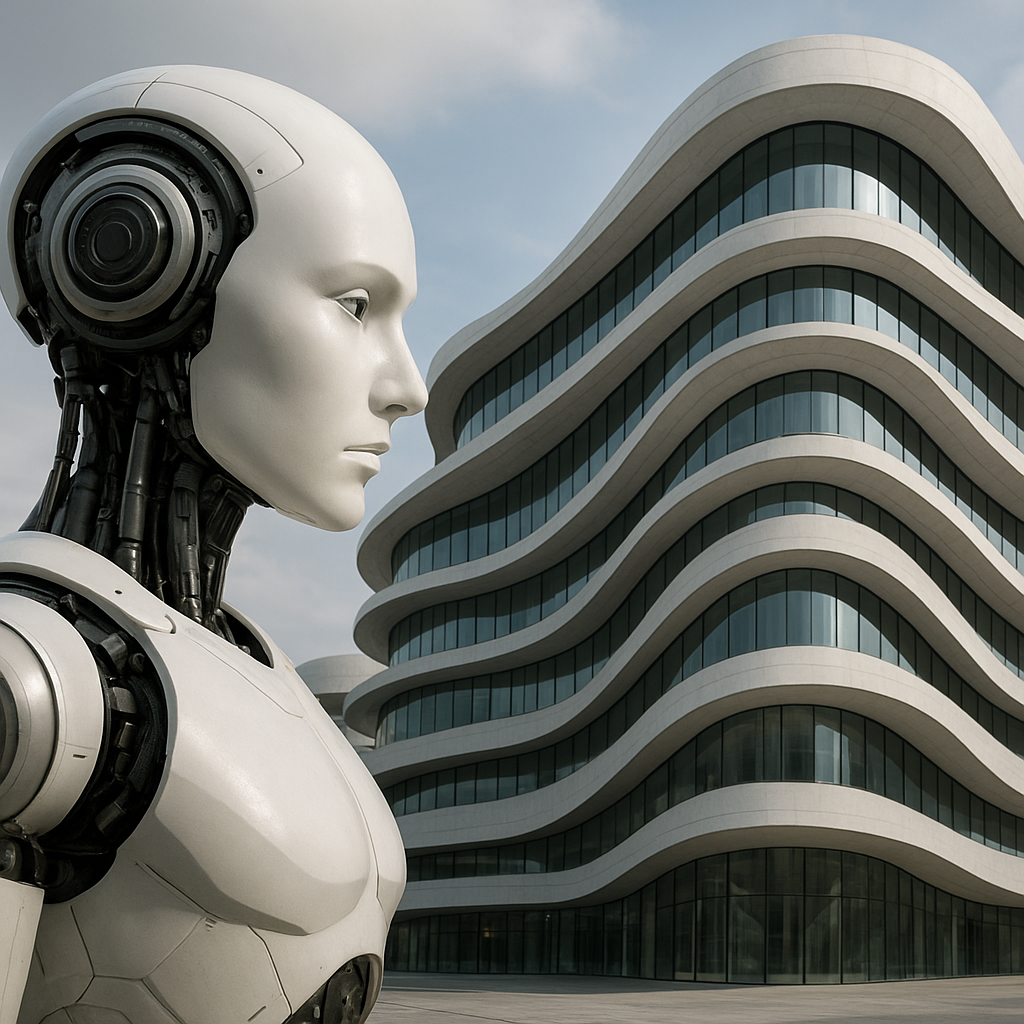
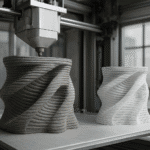
- 3D Printing and Robotic Construction: Automated fabrication of complex forms using recycled plastics, geopolymer mixes, and cross-laminated timber drastically reduces waste and labor costs.
- Adaptive Facades: Kinetic skins composed of shape-memory alloys and electrochromic glass respond to sunlight and temperature fluctuations, optimizing energy performance without human intervention.
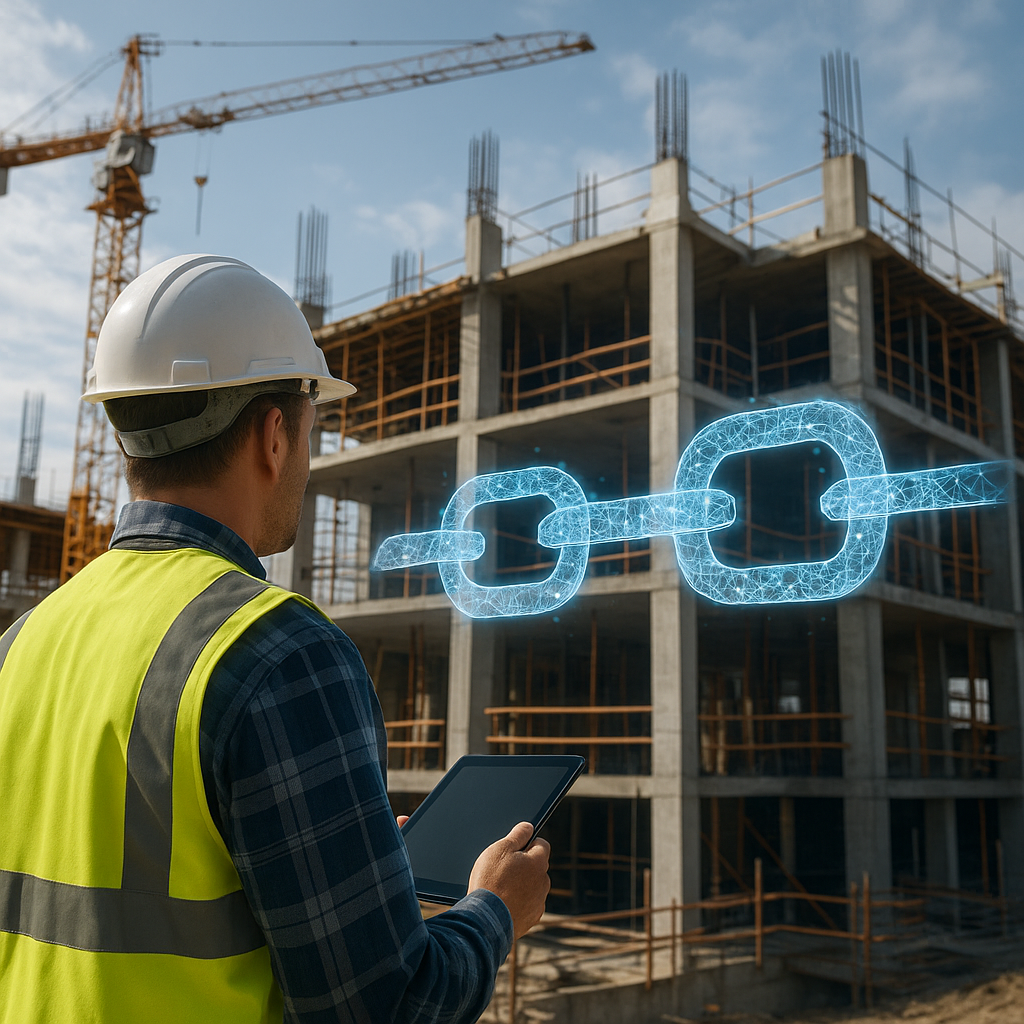
- Mixed Reality Collaboration: Architects and engineers employ AR/VR to simulate building behavior under various scenarios, streamlining decision-making and reducing costly on-site errors.
- Water Harvesting Systems: Buildings designed to capture, filter, and recycle rainwater and atmospheric moisture ensure resilience in water-scarce regions.
- Biophilic Integration: Incorporating natural elements—waterfalls, living walls, indoor forests—to enhance occupant well-being, productivity, and connection to the environment.
Another vital theme is the fusion of architecture with renewable infrastructure networks. Imagine highways that charge electric vehicles embedded in the pavement, or neighborhood grids where each rooftop and balcony is a micro-power station. Such synergies between public systems and private dwellings evoke a holistic vision of urban efficiency.
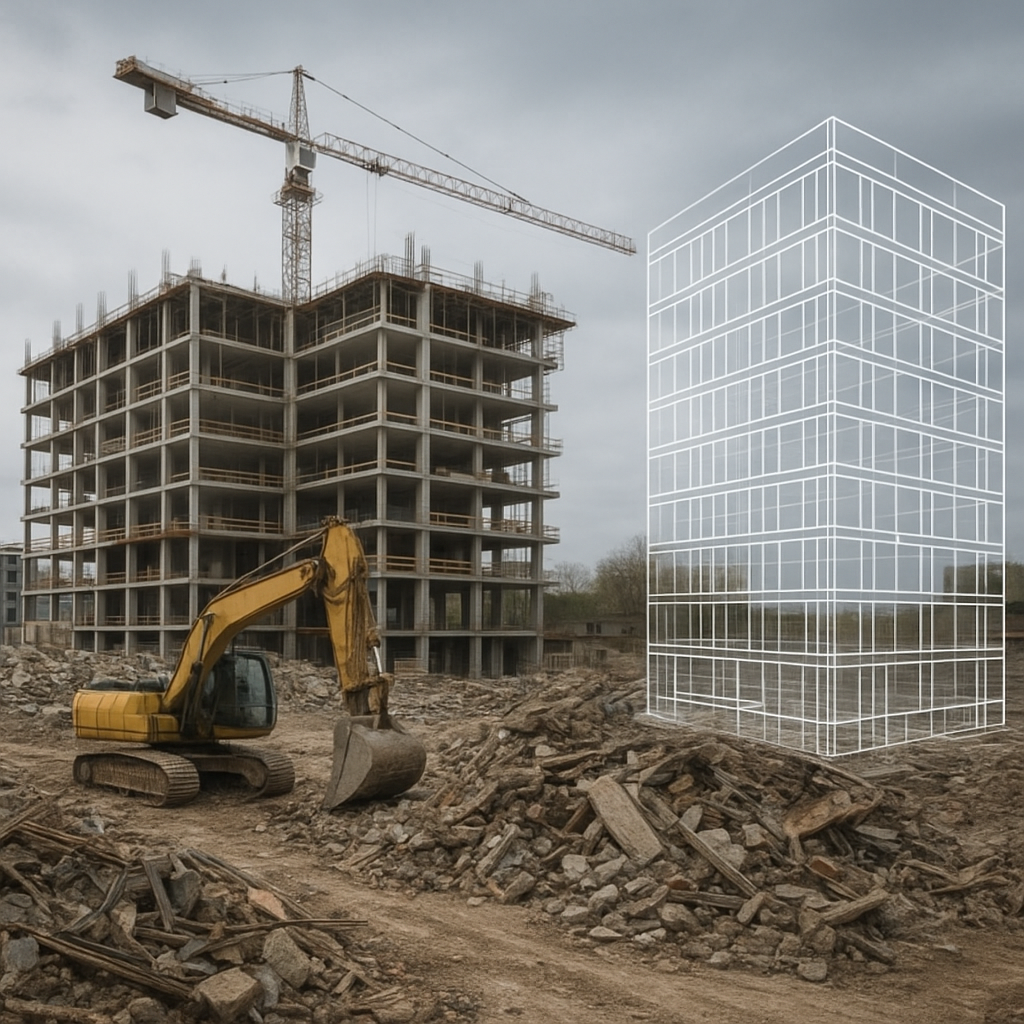
At the core of this revolution is a shift from monolithic masterplans to modular, incremental development. Communities evolve organically as new modules are added, ensuring flexibility and affordability without sacrificing quality. By harnessing digital twins—virtual replicas of physical assets—planners can predict maintenance needs, optimize resource allocation, and extend the lifecycle of each component.
Ultimately, the architects of tomorrow will be stewards of both technology and nature. Drawing on interdisciplinary expertise, they will craft places that inspire wonder, foster harmony, and safeguard the planet’s vitality. The world of visionary design is already here, and its next chapter is ours to co-create.