

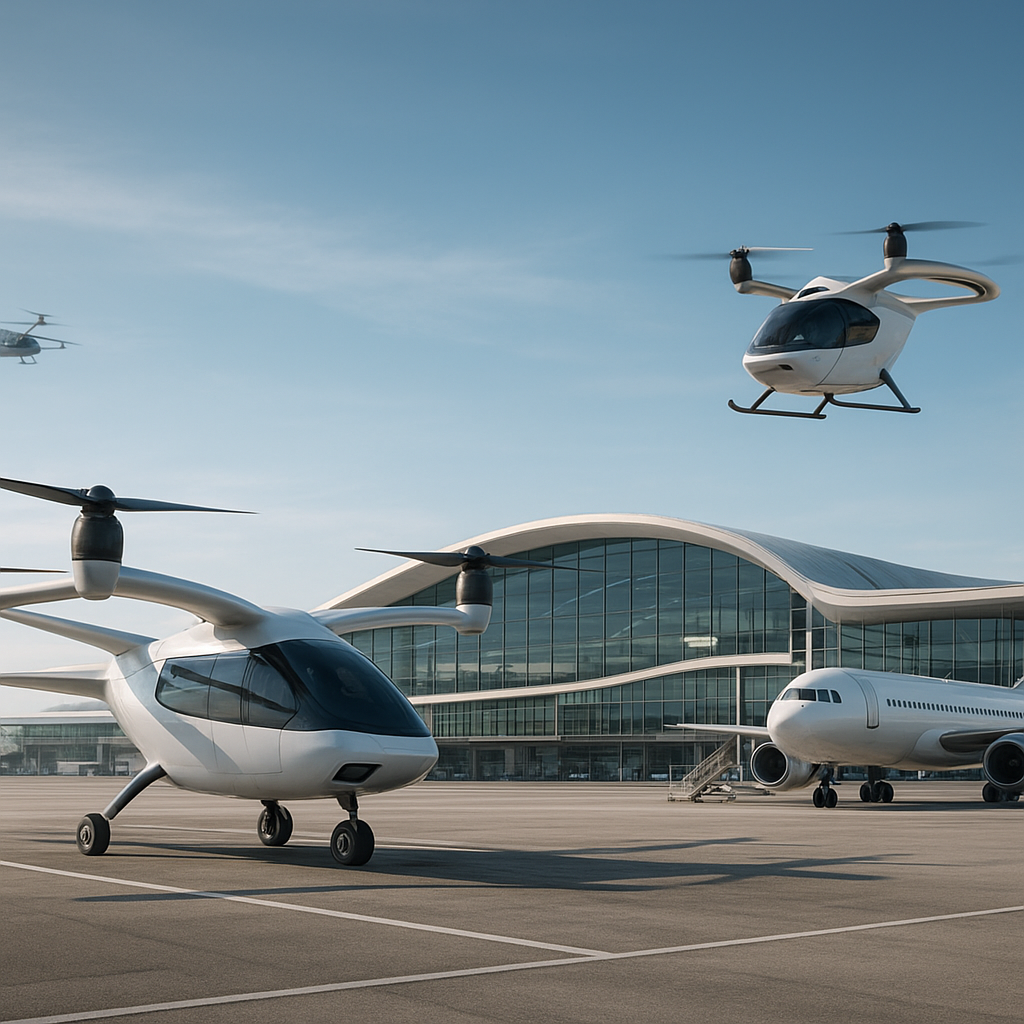
The convergence of cutting-edge aviation technology and avant-garde architectural principles is reshaping the face of airports around the globe. By envisioning sleek, adaptive structures that accommodate electric vertical takeoff and landing (eVTOL) vehicles, urban air taxis, and next-generation drones, designers are crafting multifunctional gateways for an era of accelerated mobility. This article explores the paramount strategies for creating hubs that are not only visually striking but also profoundly sustainable, resilient, and hyper-connected to the broader urban fabric.
Visionary Infrastructure and Spatial Planning
Architects and planners are redefining airport footprints to engage with emerging modes of air transport. Traditional long runways are being complemented by distributed landing pads and vertiports, seamlessly integrated into terminals, adjacent rooftops, and dedicated urban rooftops. This paradigm fosters a multi-layered flight network capable of handling both conventional jets and compact air vehicles. Essential elements include:
- Modularity: Prefabricated structural components allow rapid expansion or reconfiguration in response to fluctuating demand for eVTOL services.
- Adaptive Zoning: Mixed-use zones enable retail, leisure, and transshipment functions to coexist with flight operations, minimizing ground-time for passengers and cargo.
- Vertical Integration: Multi-story terminals host vertiports on upper levels, reducing sprawl and creating iconic architectural silhouettes.
Early adopters are experimenting with parametric design tools that simulate wind patterns, optimize aerodynamics, and predict structural stress. Such data-driven models guide the orientation of roof overhangs, façade mesh, and canopies, ensuring optimal performance under diverse weather conditions.
Integrating Sustainable Technologies
Embracing green engineering is no longer optional for futuristic airports. Renewable energy sources, zero-emission ground vehicles, and closed-loop water systems underpin the next generation of aerotropolises. Key strategies include:
- Solar Facades: Integrated photovoltaic panels are embedded into terminal exteriors and parking structures, generating on-site electricity for lighting, HVAC, and charging stations.
- Rainwater Harvesting: Curved roof profiles channel precipitation into subterranean cisterns, supplying irrigation and gray water treatment plants.
- Biomimicry: Inspired by termite mounds, natural ventilation shafts regulate interior temperatures, reducing reliance on energy-intensive air handling units.
Smart microgrids link airport nodes to regional energy networks, enabling bidirectional power flows. In times of surplus, airports can feed electricity back to surrounding districts, transforming them into active participants in a decentralized energy economy.
Enhancing Passenger Experience Through Design
Passenger-centric design elements are crucial for fostering connectivity and seamless transitions between land and air. Emphasis on biometric check-in, autonomous luggage handling, and immersive wayfinding systems underpins the new airport paradigm.
Biometric Efficiency
Face-recognition gates and gesture-driven kiosks accelerate security screening and boarding, while preserving data privacy through end-to-end encryption protocols. This reduces queue times and minimizes physical contact during high-traffic periods.
Autonomous Mobility Networks
Electric shuttles and cargo robots navigate courtesy of advanced localization systems, transporting passengers and freight directly from curbside to vertiport. These autonomous fleets rely on real-time mapping and AI-powered traffic management to prevent bottlenecks.
Immersive Environments
Augmented reality wayfinding apps overlay directional cues onto terminal interiors, ensuring travelers can locate departure gates, lounges, and charging pods effortlessly. Interactive 3D maps dynamically adjust to flight delays and gate changes, ushering in a truly adaptive environment.
The Role of Air Mobility Hubs and VTOL Integration
As urban air mobility (UAM) matures, dedicated hubs become pivotal nodes in a skyward transit network. These vertiports serve as interchanges for long-haul aircraft, short-range air taxis, and drones. Their design principles emphasize:
- Scalability: Vertiport platforms are engineered to stack vertically or expand laterally, accommodating growing fleets of eVTOL craft.
- Noise Mitigation: Innovative acoustic panels and green buffer zones minimize sonic footprints, ensuring compatibility with dense urban contexts.
- Intermodal Connectivity: Direct links to metro lines, bus rapid transit, and bike-share stations ensure last-mile solutions are seamlessly integrated.
Architects employ dynamic façade systems that adjust opacity and shading according to daylight intensity, enhancing passenger comfort while preserving structural efficiency. By harnessing real-time performance analytics, these hubs can recalibrate operational procedures to maintain optimal throughput.
Emerging Trends and Future Directions
Looking ahead, airports will transcend their traditional roles, becoming multifunctional urban campuses. Co-working spaces, hospitality pods, and healthcare clinics will coexist alongside departure gates, creating vibrant ecosystems. Anticipated developments include:
- Hyperloop links to neighboring cities, creating intercontinental corridors that interlace with airborne routes.
- Artificial intelligence assistants that predict traveler preferences, customizing amenities and in-terminal retail offerings.
- Dynamic air traffic corridors that adapt in real time to meteorological data, optimizing flight paths for speed and fuel economy.
Ultimately, the synergy between innovation and architectural imagination will yield airports that are not only transportation hubs but also cultural and economic engines for surrounding communities. By weaving together smart materials, digital intelligence, and human-centered design, the future of airports will exemplify a harmonious balance between functionality and inspiring aesthetics.