
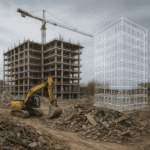

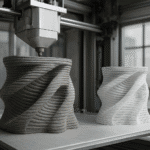


The convergence of futuristic architecture and the circular economy promises to redefine urban landscapes, ensuring both ecological harmony and socioeconomic prosperity. By embracing regenerative systems, advanced materials, and intelligent design methodologies, architects and planners can cultivate built environments that not only minimize waste but also harness the full potential of every resource. This article explores how cutting-edge strategies will shape the cities of tomorrow, creating spaces that are as dynamic as they are enduring.
Innovative Materials and Technologies
Developments in material science are catalyzing a new era of sustainability in architecture. From self-healing concrete infused with bacterial spores to transparent photovoltaics that convert solar energy into electricity, the palette of building components is expanding rapidly. These advancements not only reduce carbon footprints but also enhance structural performance and longevity.
Biomimetic Solutions
- Biomimicry membranes inspired by lotus leaves offer water-repellent façades that stay clean and reduce maintenance costs.
- Synthetic spider silk, one of the strongest fibers known, could reinforce tensile structures with minimal mass.
- Living walls seeded with microalgae capture CO₂ while providing natural insulation and air purification.
Such innovations exemplify how nature’s design principles can guide architects toward systems that function with unparalleled efficiency. By studying biological processes, designers can achieve zero-waste production cycles and materials that genuinely biodegrade at the end of their lifespan, supporting the ethos of circularity.
Adaptive Urban Fabrics
Futuristic cities will be characterized by flexible infrastructures capable of responding in real time to environmental and social stimuli. Structurally, buildings will incorporate kinetic façades that modulate transparency, shading, and ventilation based on weather conditions and occupancy patterns. This dynamic approach dramatically improves thermal comfort while drastically reducing energy demand.
Digital Twins and Real-Time Monitoring
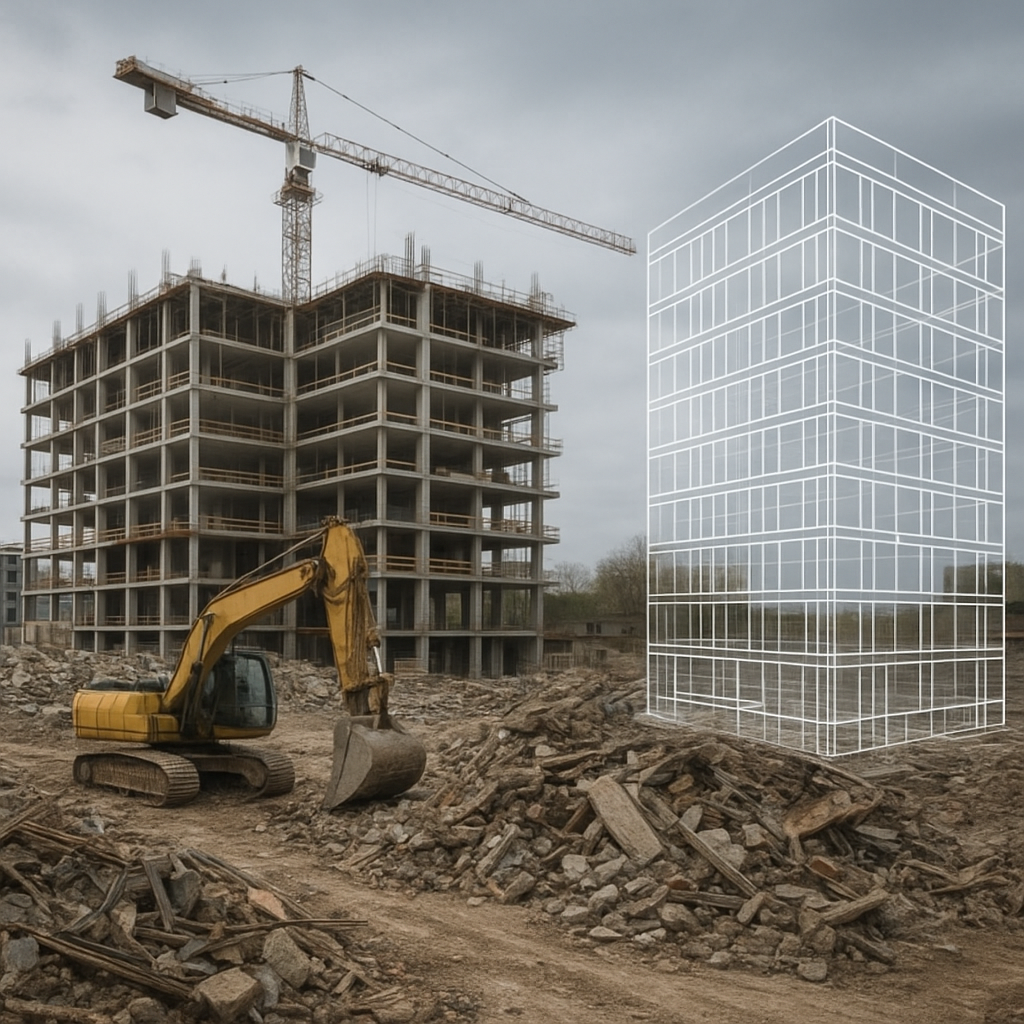
Through the use of advanced sensors and smart technologies, every building can be paired with a digital twin—a virtual replica that simulates performance under varying scenarios. Facility managers and city officials will monitor metrics such as air quality, energy flow, and structural health, enabling proactive maintenance and resource optimization.
By leveraging data-driven insights, urban fabrics become living systems that evolve continuously. This adaptability not only boosts occupant well-being but also enables rapid responses to climate events, enhancing overall resilience in the face of uncertainty.
Circular Design Principles in Futuristic Buildings
Embedding modularity and demountable connections in building systems allows entire structures or individual components to be disassembled and reused. Architects are increasingly adopting Cradle to Cradle frameworks, ensuring that every element—from steel beams to carpeting—retains value beyond its initial application.
Strategies for Material Reuse
- Designing standardized connection points to streamline disassembly and reconfiguration.
- Implementing take-back schemes with manufacturers to guarantee end-of-life recycling or repurposing.
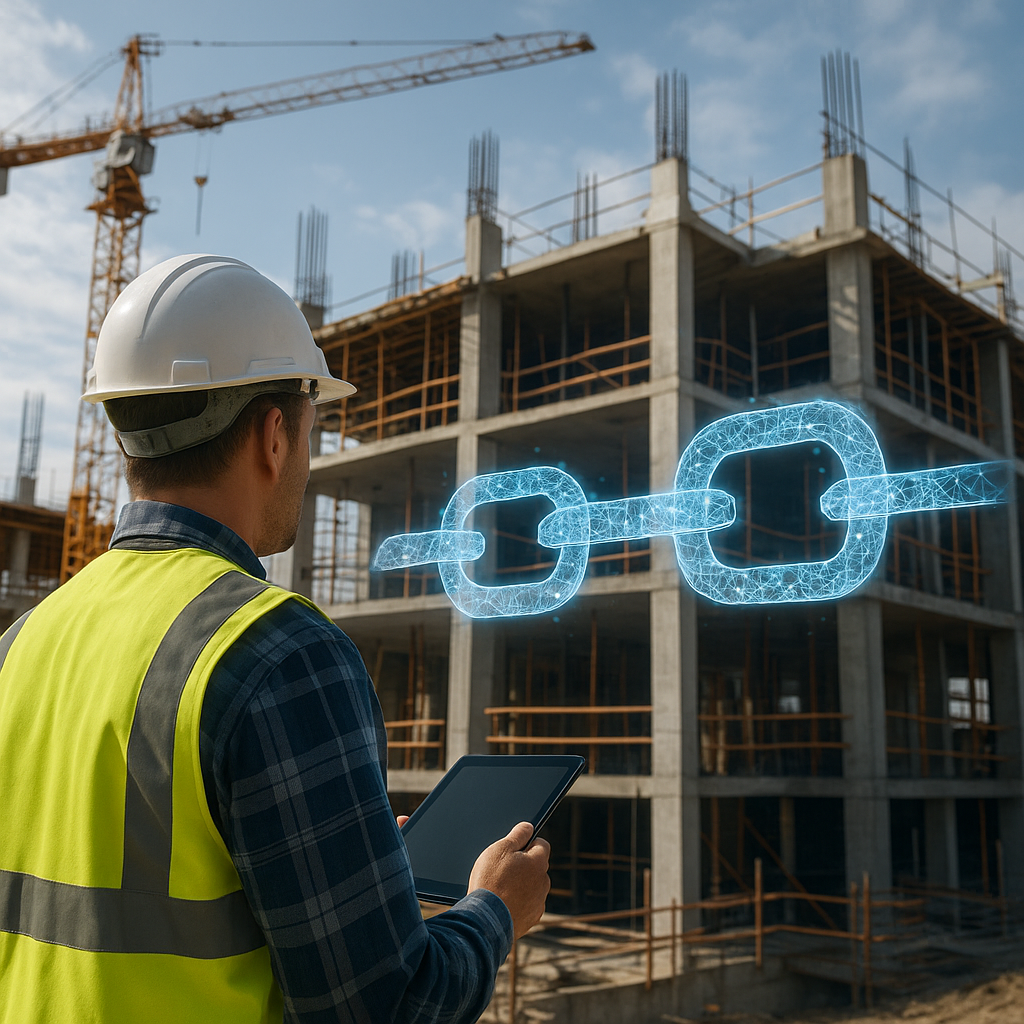
- Utilizing digital material passports that track provenance, composition, and maintenance history.
These measures support regeneration rather than mere reduction of waste. By closing resource loops, the built environment can operate as a living ecosystem, continually cycling materials while preserving natural capital.
Integration of Renewable Energy and Smart Systems
The pursuit of net-zero energy buildings is no longer aspirational; it’s becoming standard practice. Photovoltaic skins, piezoelectric flooring, and building-integrated wind turbines converge to generate power on-site. Moreover, advanced energy storage solutions such as solid-state batteries and hydrogen fuel cells ensure uninterrupted supply during periods of peak demand or variable generation.
Synergy with Urban Microgrids
Neighborhood-scale microgrids aggregate distributed energy resources, enabling peer-to-peer energy trading and grid stabilization. Coupled with demand-response algorithms and intelligent building management systems, microgrids transform entire districts into self-regulating energy hubs.
Beyond energy, the integration of IoT networks facilitates optimized water harvesting, waste sorting, and shared mobility services. This holistic approach maximizes resource efficiency while fostering a sense of community ownership and participation.
Policy, Collaboration, and Community Engagement
Technical innovation must be matched by progressive policies and inclusive governance. Municipalities are crafting incentives for adaptive reuse, penalizing single-use materials, and mandating circular procurement criteria. These regulations create market signals that encourage private-sector investment in regenerative design.
Stakeholder Partnerships
- Public–private alliances funding pilot projects for emerging construction technologies.
- Academic collaborations to refine life-cycle assessment tools tailored to local contexts.
- Community-led workshops that empower residents to co-design and manage shared spaces.
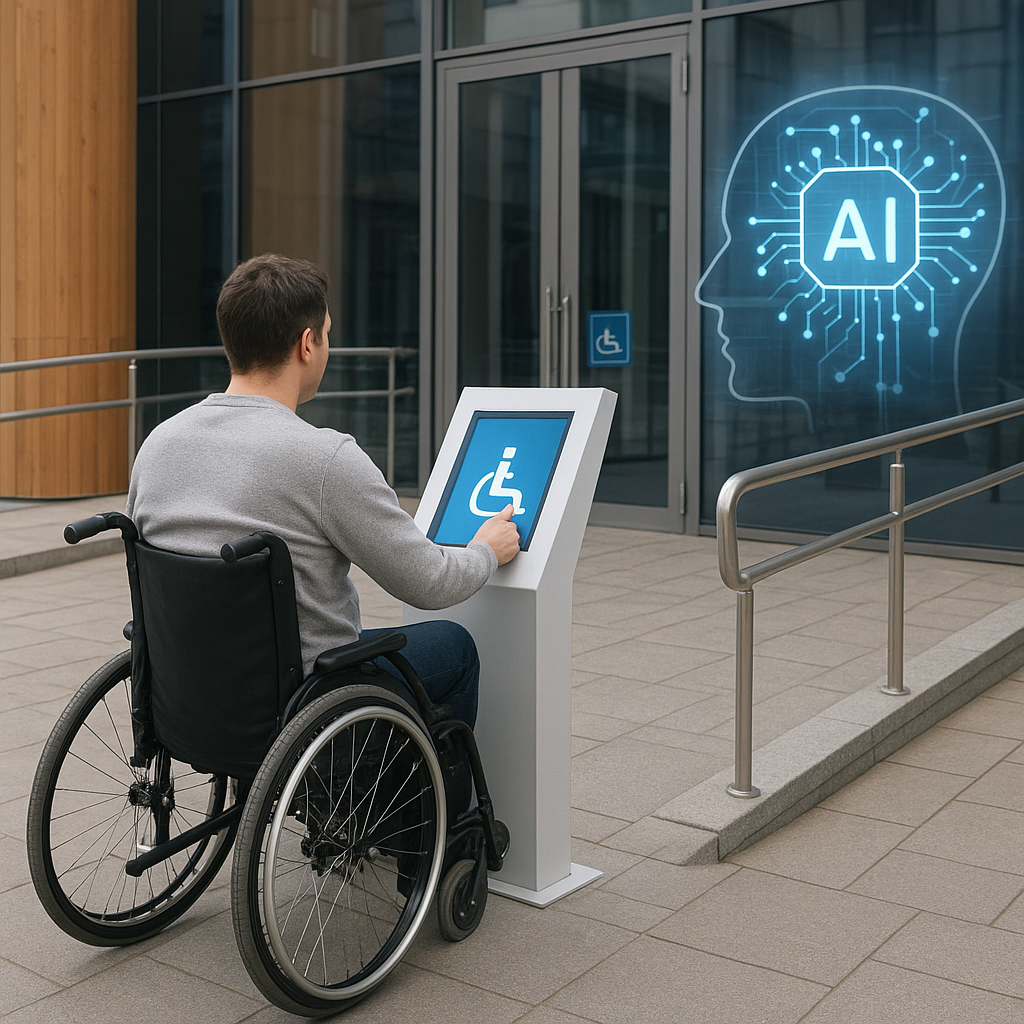
By prioritizing equitable access and capacity-building, cities can ensure that the benefits of futuristic, circular architecture extend to all inhabitants. The collective effort fosters a culture of innovation, driving continual improvements in building performance and ecological stewardship.