

The intersection of cutting-edge software platforms, immersive hardware, and reimagined pedagogical models is reshaping how future architects are educated. As digital tools become ever more sophisticated, architectural schools must adapt curricula to foster skills in computational workflows, collaborative processes, and sustainable design. This exploration delves into the transformative forces at play, examining how virtual environments, parametric methods, and networked teamwork are redefining the craft of architecture education for a generation that expects both flexibility and rigor.
Emerging Technologies Shaping Architectural Pedagogy
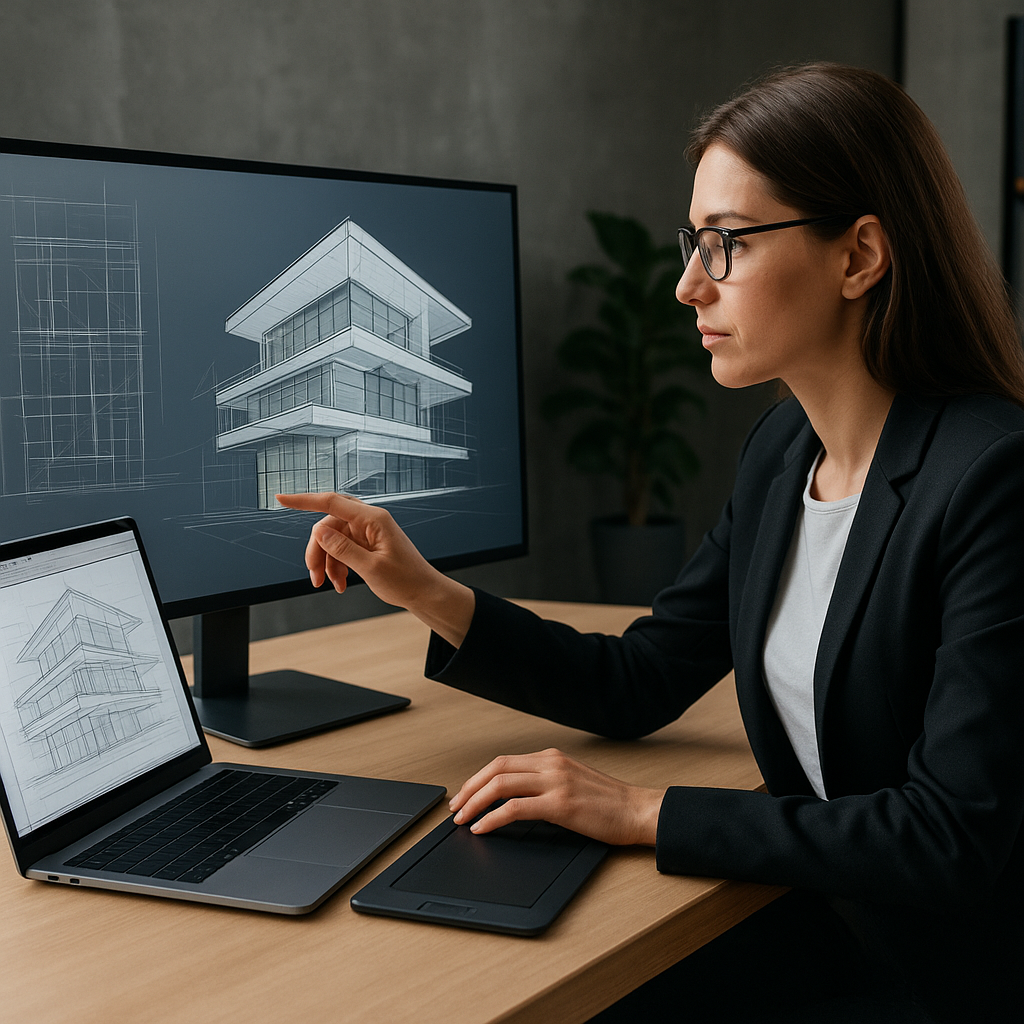
Advances in computational methods have unlocked an era in which form-finding and performance analysis occur simultaneously. Platforms built around BIM (Building Information Modeling) enable students to construct intelligent models that incorporate geometry, material properties, and lifecycle data in one unified environment. Within these systems, a designer can dynamically test structural loads, daylight penetration, and energy consumption, thereby elevating the learning experience from pure aesthetics to performance-driven decision making.
Equally revolutionary are parametric and generative design tools that leverage algorithms to explore thousands of iterations at speeds unimaginable a decade ago. By defining rules, constraints, and performance metrics, learners witness how a simple adjustment to an input parameter cascades through a complex network of interdependent elements, producing innovative forms informed by environmental data, structural logic, or spatial programming. This mode of design encourages students to think critically about the variables that shape a project rather than manually sketching each alternative.
Immersive Virtual and Augmented Reality
Hardware such as head-mounted displays and gesture-tracking controllers bridges the gap between conceptual drawings and experiential understanding. Through VR (virtual reality) labs, students can navigate their own designs at 1:1 scale, gaining acute awareness of proportion, circulation, and material texture. Augmented reality overlays digital prototypes onto physical spaces, fostering real-time interaction and on-site simulations. These immersive environments not only enhance spatial cognition but also cultivate a user-centered mindset, since real-world behavior can be observed within the virtual realm before construction begins.
Robotics and Digital Fabrication
Integrating digital fabrication into the curriculum empowers learners to prototype at multiple scales. CNC milling, 3D printing, and robotic arms become extensions of the design studio, translating code-driven models into tangible artifacts. Through direct manipulation of machines, students grasp the nuances of material tolerances, assembly logistics, and construction sequencing. This hands-on exposure fosters a deeper appreciation for craftsmanship and the realities of industrial production, bridging the gap between digital precision and physical execution.
Reinventing Studio Practice Through Collaborative Platforms
Traditional studio culture, once defined by physical pin-ups and in-person crits, is evolving into a hybrid ecosystem of synchronous and asynchronous collaboration. Cloud-based repositories, version-control systems, and shared whiteboards allow for continuous peer review, regardless of geographical boundaries. By working within a networked environment, students develop a global perspective as they exchange feedback with classmates from diverse cultural backgrounds and design traditions.
Instructors can curate digital exhibitions accessible 24/7, integrating multimedia annotations and livestreamed presentations. This shift not only accommodates remote learners but also archives design iterations for reflective analysis. The newfound transparency in process documentation encourages self-regulated learning, as students identify skill gaps and monitor their own progress over time. Such platforms foster a culture of open critique and iterative improvement, where the emphasis moves from final deliverables to the evolution of ideas.
- collaboration across time zones
- Interactive tutorials with embedded simulations
- Peer-to-peer mentorship via online channels
- Cross-disciplinary team projects using real-world datasets
These collaborative experiences mirror professional practice, where multidisciplinary teams rely on cloud computing and digital review cycles. By simulating these workflows within an educational setting, institutions prepare graduates to navigate complex projects with agility and confidence.
Integrating Sustainability and Smart Systems in Curriculum
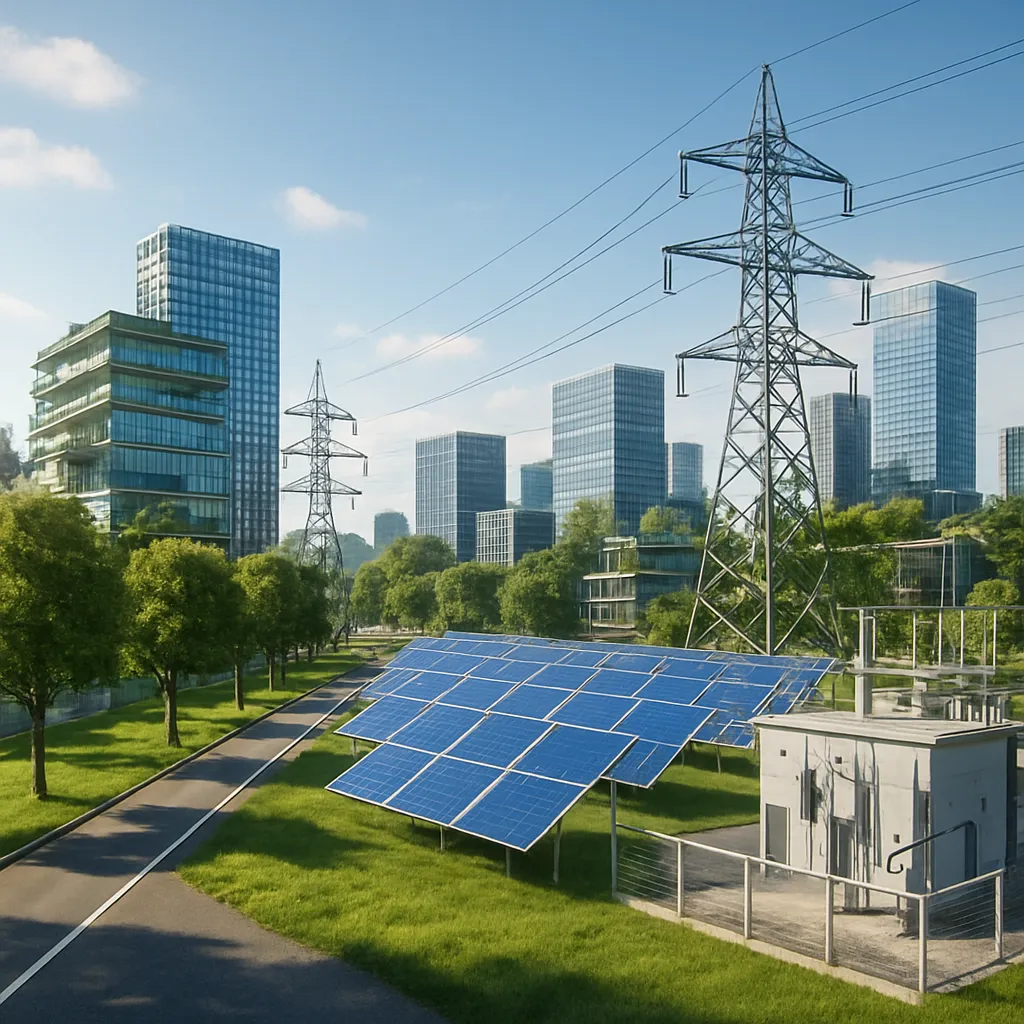
The imperative to address climate change has placed sustainability at the core of architectural education. Advanced simulation engines assess solar radiation, thermal comfort, and airflow dynamics, guiding students toward designs that minimize energy use and environmental impact. By calibrating digital twins against sensor data from actual buildings, learners refine predictive models to ensure performance targets are met throughout a structure’s lifecycle.
Embedding smart technologies such as real-time monitoring, adaptive shading systems, and responsive HVAC controls exposes students to the burgeoning field of the IoT (Internet of Things). Through hands-on workshops, they program microcontrollers to regulate lighting and temperature, thereby experiencing firsthand how networked devices can optimize occupant well-being and operational efficiency. This integration of hardware and software cultivates a holistic understanding of buildings as living entities rather than static objects.
Furthermore, modules on resilient design introduce strategies for climate adaptation, flood mitigation, and post-disaster recovery. Emphasizing material selection, water management, and passive strategies equips future architects with the tools to create structures that endure and evolve in the face of uncertain environmental conditions.
Challenges and Future Directions
Despite the promise of digital tools, significant hurdles remain. Unequal access to high-end hardware and software can exacerbate the digital divide among students. Institutions must invest in shared facilities or provide remote access solutions to ensure equity. Additionally, faculty members require ongoing professional development to stay abreast of emerging technologies. Without adequate training, there is a risk of superficial adoption rather than meaningful curricular integration.
Ethical considerations also come to the fore in a data-driven design culture. Issues of data privacy, intellectual property, and surveillance in smart buildings demand critical reflection within the classroom. Encouraging students to engage with these complex topics fosters a sense of professional responsibility and societal awareness.
Looking ahead, the future of architecture education hinges on ever-deeper collaboration between academia, industry, and civic stakeholders. By embracing an interdisciplinary ethos, schools can cultivate designers capable of addressing global challenges through innovative, technology-infused solutions. As the boundaries between the physical and digital realms continue to blur, educational models must evolve to nurture creativity, critical thinking, and technical fluency in equal measure.