
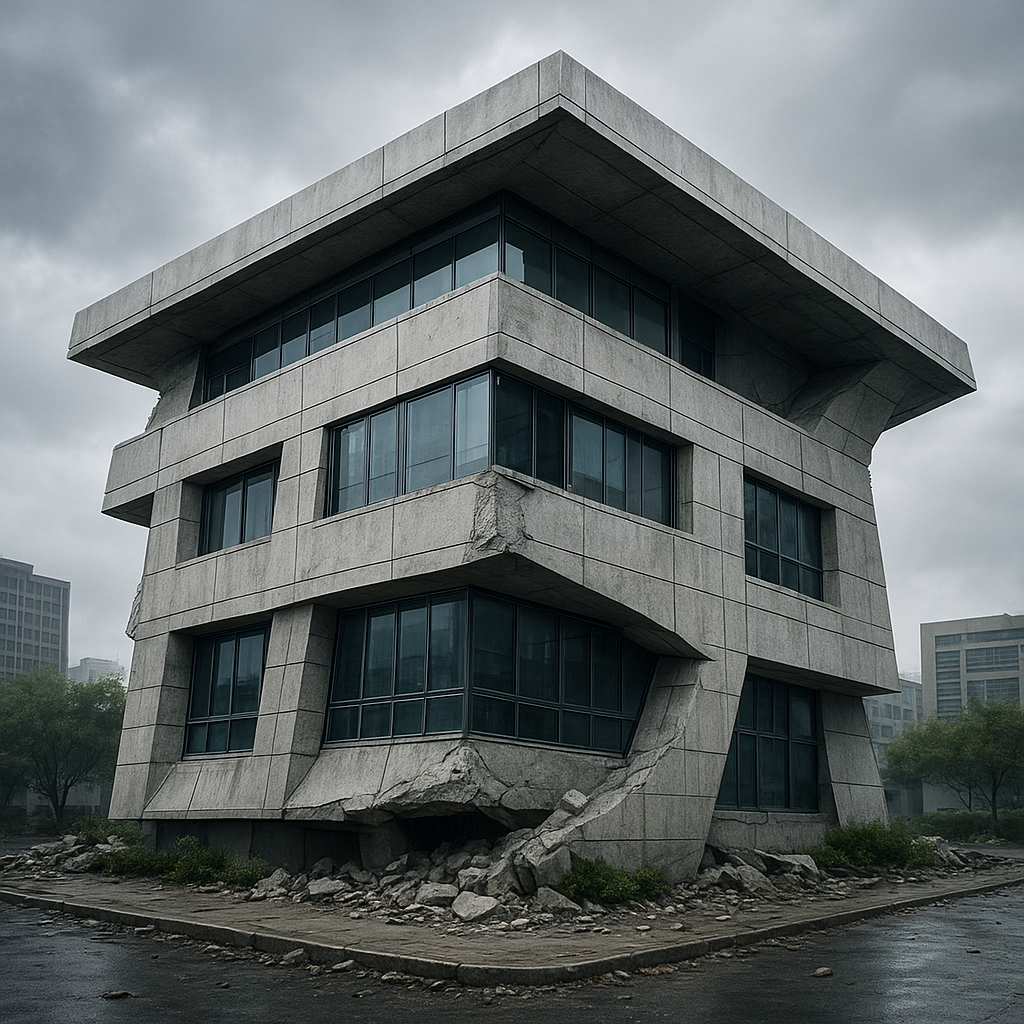
The Future of Disaster-Resistant Architecture envisions cities and structures that not only withstand extreme events but also adapt, heal, and evolve. By blending cutting-edge technologies with visionary design, architects and engineers are pioneering environments that redefine how humanity coexists with natural hazards and rapid urban growth.
Futuristic Structural Resilience
At the core of disaster-resistant construction lies the principle of resilience. Traditional materials like concrete and steel are being augmented or replaced by next-generation composites infused with nanotechnology. These ultra-lightweight, high-strength elements can flex under stress and self-repair micro-cracks, greatly reducing maintenance costs and prolonging service life. Innovations in smart materials—such as shape-memory alloys—allow components to restore their original configuration after deformation, ensuring that critical load-bearing elements remain intact following seismic or wind-induced distortion.
- Graphene-reinforced concrete panels that absorb shock waves.
- Self-healing polymer coatings for corrosion prevention.
- Metamaterial lattices for impact dispersion.
- Responsive façade skins that adjust porosity under pressure.
Adaptive Design Strategies
Buildings of tomorrow must not only stand firm but also adaptability to changing conditions. Deployable structures can reconfigure their geometry in real time, optimizing aerodynamic profiles during hurricanes or channeling floodwaters away from vulnerable zones. Architects are embracing modularity, creating units that can be easily replaced or upgraded without disrupting the entire building. These plug-and-play systems shorten downtime and allow communities to recover faster after catastrophic events.
Biomimetic Inspirations
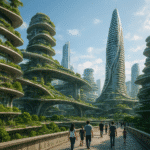
Nature offers an archive of design solutions honed by evolution. From the flexible trunks of sequoias that resist high winds to the layered shells of crustaceans that combine rigidity with energy dissipation, biomimicry informs new construction paradigms. Researchers are developing cladding that mimics the dermal armor of pangolins, providing puncture resistance and thermal regulation in one integrated layer. These bioinspired forms also enhance aesthetic appeal, fostering deeper human-nature connections in urban environments.
AI-Driven Simulations
Digital twins and machine learning algorithms enable architects to forecast structural behavior under multiple disaster scenarios. Through real-time sensor data, artificial systems can trigger autonomous adjustments—tightening tension cables, shifting ballast, or sealing breaches—to preserve integrity. This AI-driven approach accelerates decision-making during emergencies and continuously refines design parameters for new projects, ensuring that every iteration outperforms the last in safety and efficiency.
Energy and Sustainability Integration
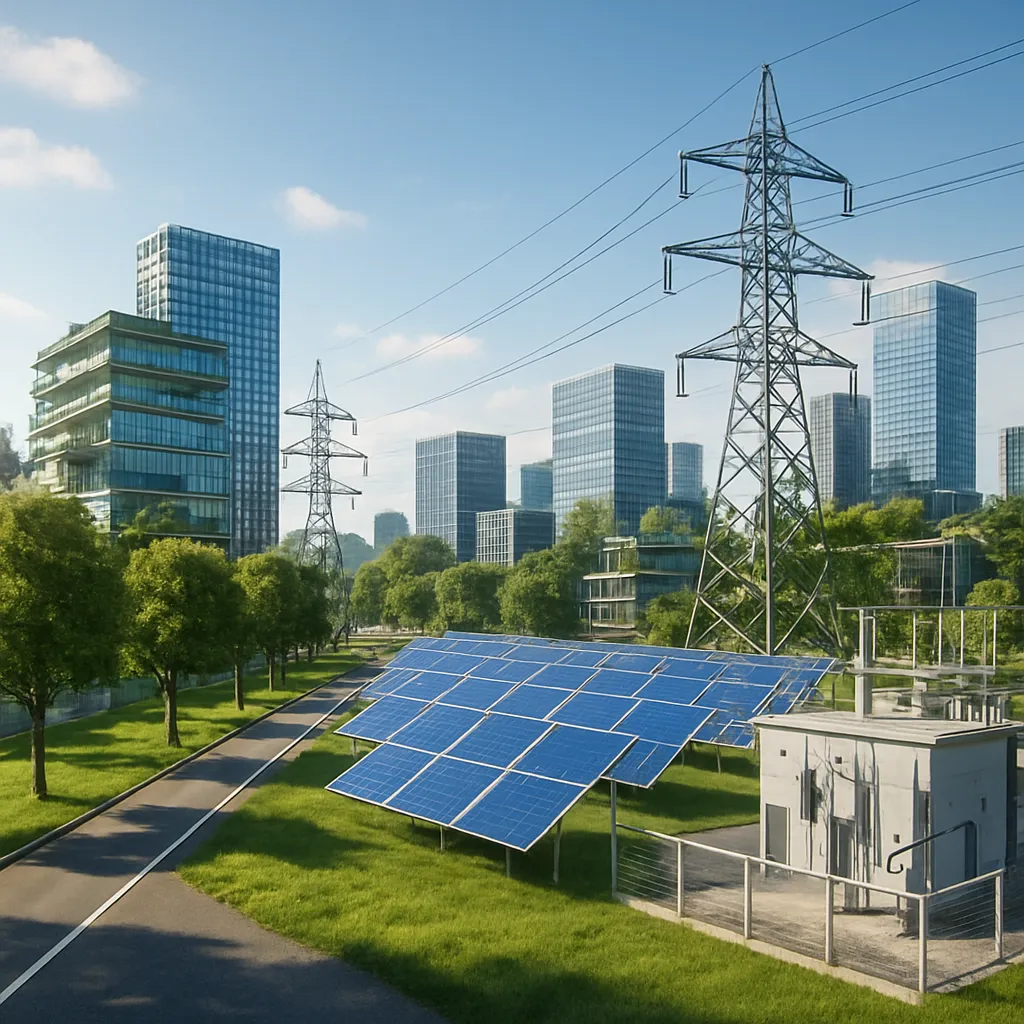
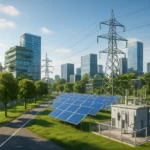
Disaster resistance goes hand in hand with sustainability. Architects are integrating renewable energy generation and storage directly into the built environment. Solar-thermal façades not only shield against heat but also power localized microgrids, while geothermal loops embedded in foundations maintain structural stability and supply district heating and cooling. By adopting a holistic view of energy life cycles, these structures remain operational during grid failures, providing safe havens for residents in crisis.
- Building-integrated photovoltaics with adaptive tracking.
- Phase-change materials for passive thermal management.
- Rainwater harvesting systems with automated filtration.
- Onsite hydrogen fuel synthesis for backup power.
Urban and Community Preparedness
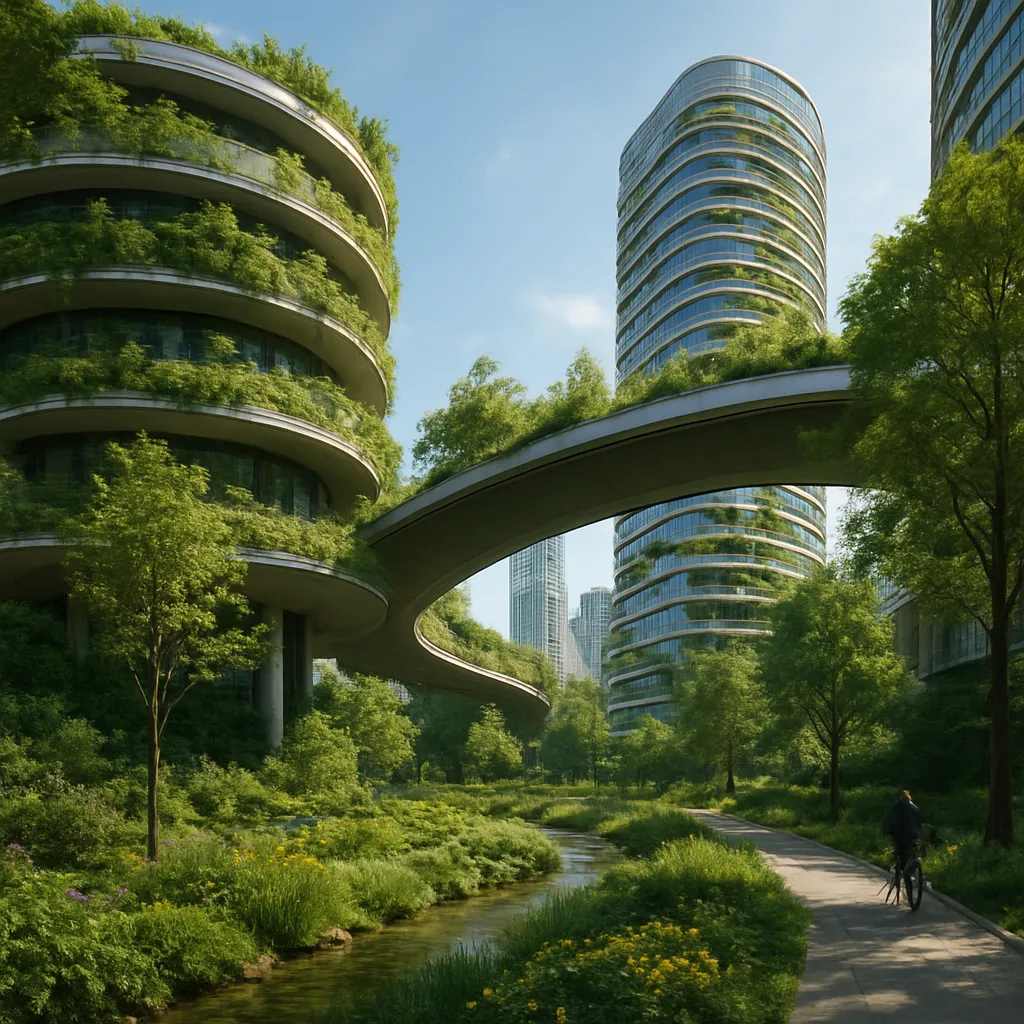
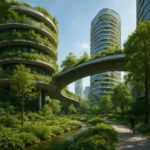
Future cities will evolve into resilient networks rather than isolated towers. Through strategic zoning, vertical green belts serve as wind buffers and firebreaks, while permeable public plazas double as stormwater detention basins. Urbanization strategies prioritize redundancy—multiple transit corridors, distributed supply chains, and networked shelters—to prevent single points of failure. Public spaces are designed as multi-use sanctuaries, offering communal kitchens, first-aid pods, and communication hubs ready to activate when disaster strikes.
Case Studies and Future Prospects
Several pioneering projects demonstrate the potential of these emerging design philosophies. Oceanix City, a floating modular community prototype, uses hexagonal platforms that can detach and reassemble in response to rising seas. Desert-based research hubs incorporate sand-resistant ventilation tunnels and dynamic thermal shells inspired by termite mounds. On extraterrestrial frontiers, Martian habitats propose inflatable cores surrounded by regolith shields to guard against radiation and micro-meteoroid impacts.
As climate patterns intensify and population densities soar, the marriage of advanced materials, adaptive geometry, and intelligent controls will define the next generation of disaster-resistant architecture. By fostering cross-disciplinary collaborations between biologists, computer scientists, urban planners, and sociologists, the built environment will transform into a living, learning organism—capable of safeguarding humanity in an uncertain future.